The Evolution of Digital Craftsmanship: How Technology Is Transforming Craft Creation
The Impact of Technology on Craftsmanship
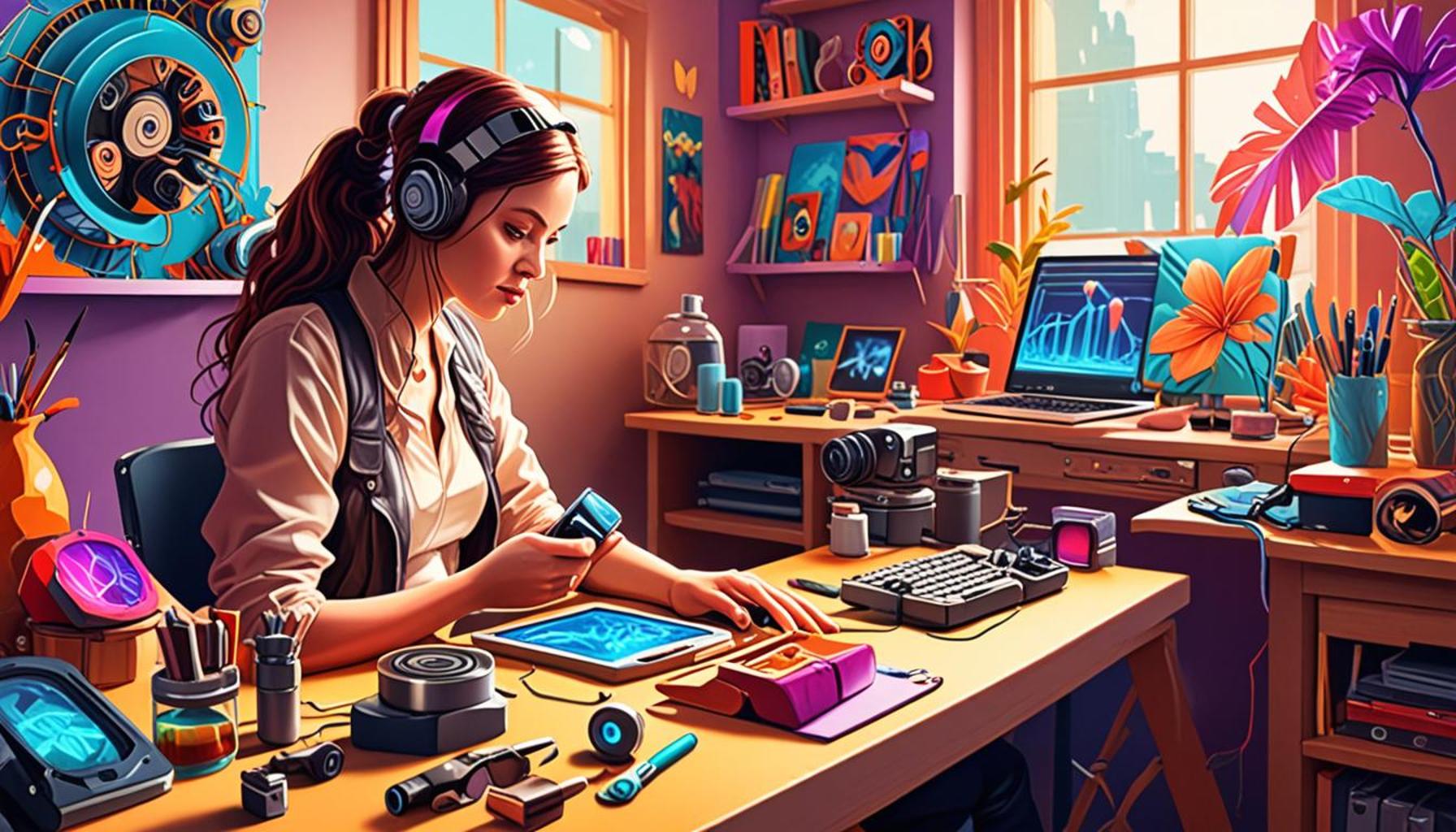
In an era characterized by swift technological evolution, the landscape of craftsmanship is experiencing a profound metamorphosis. This transformation reflects a blend of age-old skills and ground-breaking digital tools, leading to the emergence of a new generation of artisans—creative innovators who are redefining the essence of making. The integration of technology into craftsmanship not only enhances creativity but also introduces new methodologies and frameworks for artisans to explore.
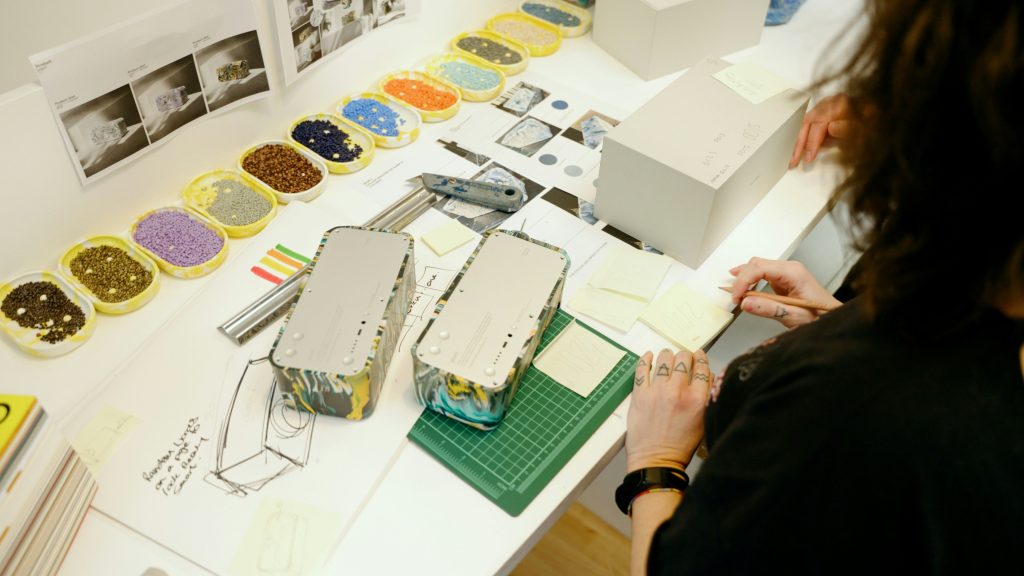
Among the pivotal technologies reshaping this field is 3D printing. This innovative process allows craftsmen to transform intricate digital designs into tangible objects, circumventing traditional limits of manufacturing. For instance, jewelry designers can now create complex geometric shapes that were once impossible to achieve with handcrafting alone. As seen in workshops across the United States, artists are experimenting with eco-friendly materials in their 3D printing endeavors, merging aesthetics with sustainability.
Computer-Aided Design (CAD) software plays a crucial role in this revolution by enabling artisans to design with unmatched precision. CAD tools grant creators the ability to visualize their ideas in a three-dimensional space, making it easier to modify and refine their concepts. For example, furniture designers leverage CAD to create prototypes that can be tested for ergonomics and style before production, thus saving time and resources. The marriage of technology and craftsmanship brings a fresh level of efficiency that was previously unattainable.
Additionally, the rise of online marketplaces like Etsy has significantly democratized the craft industry. These platforms allow artisans from all walks of life to showcase and sell their creations directly to consumers worldwide. This accessibility empowers creators who may lack the capital to establish a traditional storefront, enabling them to cultivate their unique brands and reach niche markets. Whether it’s handmade ceramics or custom clothing, artisans can now bypass the complexities of the supply chain and engage directly with their audience.
As we navigate the realm of digital craftsmanship, it becomes imperative to consider the broader implications of these advancements. The fusion of technology into artistry not only elevates creative possibilities but also prompts a reevaluation of traditional craftsmanship values, including the notions of quality and authenticity. The advent of digital tools invites a discussion about what it means to be a craftsman in the modern age and challenges the boundaries that once defined this field.
In conclusion, the exploration of digital craftsmanship reveals a vibrant landscape where creativity and technology coexist, pushing the boundaries of what is possible. This evolving narrative invites both artisans and consumers to engage with the craft industry in novel ways, ensuring that the spirit of craftsmanship endures in the face of continual change. Join us as we delve deeper, unveiling the potential of craftsmanship in the digital era and contemplating its future trajectory.
DISCOVER MORE: Click here to start your creative journey
Bridging Tradition and Innovation
The evolution of digital craftsmanship is a testament to the timeless connection between traditional techniques and contemporary technology. As artisans harness powerful tools, they are not merely replacing age-old skills but enhancing them, creating a synergy that redefines the act of making. This blending of the old and new fosters an environment where innovation thrives alongside heritage.
One significant aspect of this transformation is the use of laser cutting technology. This precision tool enables artisans to create intricate designs in materials ranging from wood to metal, achieving levels of detail that were inconceivable through manual methods. For instance, creators in the woodworking sector utilize laser cutters to produce delicate marquetry that celebrates both artistry and engineering. As the technology becomes more accessible, small businesses and hobbyists can invest in laser cutting systems, allowing them to experiment with new designs without the need for expansive resources.
An integral component of this technological shift is the incorporation of augmented reality (AR) in the design process. AR applications enable artisans to visualize their products in real-world settings before physical production takes place. This capability is particularly revolutionary for those in the home decor and fashion industries, where visual appeal and context heavily influence consumer purchasing decisions. By allowing potential buyers to ‘try before they buy’, artisans can tailor their offerings to better meet consumer desires, fundamentally altering business dynamics.
Moreover, the rise of online tutorials and social media platforms has profoundly influenced the craftsmanship landscape. Artisans can now easily share their techniques and projects, creating a global network of knowledge sharing. Platforms like Instagram and YouTube showcase a plethora of crafting methods, from woodworking to textile arts, empowering creators to learn from one another and gain inspiration from diverse cultural backgrounds. This interconnectedness not only enriches the craft community but also elevates the standard of craftsmanship itself.
To better understand how these advancements are shaping the craft, consider the following key elements:
- Accessibility: Technology has broken down barriers to entry, allowing individuals from various backgrounds to engage with craftsmanship.
- Efficiency: Digital tools enable artisans to streamline their processes, minimizing time spent on production while maximizing creativity.
- Collaboration: The digital landscape fosters collaboration among craftsmen, allowing for cross-disciplinary projects that blend different skills and perspectives.
As technology continues to evolve, the narrative of craftsmanship expands and grows richer. Modern artisans are not only preserving traditional methods but are also reimagining them through digital lenses, leading to an unprecedented fusion of creativity and technical mastery. In this changing landscape, the concept of what it means to be a craftsman is continually redefined, inviting discussions on authenticity, skill, and the very definition of art as we embrace the future.
| Category | Impact on Craft Creation |
|---|---|
| Digital Tools | Innovative software has revolutionized traditional crafting, enabling unparalleled precision and creativity. |
| Automation | Technological advancements allow craftspeople to automate repetitive tasks, significantly increasing productivity while saving time. |
As we delve deeper into the intricate relationship between technology and craft creation, it becomes evident that digital tools play a critical role in the revolution of traditional crafting practices. From the use of advanced design software to 3D printing, artisans are now able to achieve levels of accuracy and detail that were previously unimaginable. This not only fosters creativity but also encourages a new generation of makers to explore various forms of digital craftsmanship.Additionally, automation has emerged as a powerful ally for modern crafters. By utilizing programmable machines and robotic systems, artisans can streamline their production processes, allowing them to focus on the more artistic facets of their work. This shift enhances efficiency and opens up avenues for larger-scale projects, challenging the conventional notion of handmade goods while still retaining a personal touch. The blend of craftsmanship with cutting-edge technology presents a compelling narrative that captivates not only creators but also consumers, eager to understand the unique stories behind each piece. As this evolution unfolds, it prompts us to reconsider our definitions of artistry and the implications of merging past traditions with a future driven by innovation.
DIVE DEEPER: Click here to unlock essential worldbuilding techniques
Empowering Creatives Through Technology
As digital craftsmanship continues to evolve, artisans find themselves equipped with an array of innovative tools that not only enhance their creative capabilities but also reshape their business models. One such technological advantage is the integration of 3D printing into the craft process. This technology allows artisans to produce complex shapes and forms with remarkable speed and precision, enabling a level of customization that caters to individual client preferences. For example, furniture makers can design bespoke pieces tailored to specific dimensions or styles, creating unique offerings that resonate with contemporary consumers.
The impact of 3D printing is particularly evident in industries like jewelry design, where artisans can produce intricate patterns that might be cumbersome, if not impossible, to achieve by hand. With the capability to print in diverse materials, including metals and plastics, jewelry designers can experiment with unconventional designs that push the boundaries of traditional aesthetics. This capacity for rapid prototyping further empowers creators to iterate freely, leading to a vibrant space of invention and artistic exploration.
Moreover, the rise of e-commerce platforms has revolutionized the way artisans market and sell their creations. Online marketplaces such as Etsy and Shopify provide artisans with a global stage to showcase their work, significantly widening their potential customer base. This online transition has democratized the market, allowing makers from rural areas to compete alongside those in urban hubs, all while maintaining direct contact with their audience. Enhanced visibility means that artisans can now leverage social media to tell their stories, build brand identities, and engage directly with buyers, transforming the customer experience into a more personalized journey.
Additionally, the growth of digital design software has further empowered artisans to bring their visions to life. Programs like Adobe Illustrator and Fusion 360 enable precise rendering and modeling, allowing creators to visualize their designs before moving to production. This flexibility is especially advantageous for crafts that require iterative design processes, like ceramics or glassblowing, where modifications can be costly and time-consuming. Artisans can now experiment and refine their artistic expressions with ease, fostering a culture of innovation that drives the craft forward.
Another transformative element of this digital era is the emergence of craft communities and online forums. Platforms such as Reddit and Pinterest allow people to connect over shared interests, exchange ideas, and offer constructive feedback on creative endeavors. This sense of community not only encourages collaborative projects but also promotes mentorship opportunities, where experienced artisans guide newcomers in navigating the intricacies of their respective disciplines. The proliferation of these communities enriches the craft scene, enhancing the diversity of skills and techniques shared among artisans.
As the boundaries of craftsmanship blur with technological advancements, we witness the emergence of a new generation of creators, each drawing inspiration from the past while carving their unique path forward. The adoption of these digital tools fosters a spirit of exploration and adaptability, inviting artisans into a realm where tradition meets cutting-edge innovation. As this new landscape unfolds, the potential to redefine what craftsmanship entails continues to expand, setting an exciting stage for the future of creative expression.
DISCOVER MORE: Click here to explore the joy of musical creativity
Looking Ahead: The Future of Digital Craftsmanship
As we navigate through the vibrant transformation of craftsmanship influenced profoundly by technology, it is clear that the evolution of digital craftsmanship is not just a fleeting trend but a fundamental shift in the creative landscape. From 3D printing to sophisticated digital design software, artisans are leveraging these advancements to challenge traditional norms, cultivate personalized experiences, and expand their market reach. The rise of e-commerce platforms has leveled the playing field, allowing makers from diverse backgrounds to showcase their talents and connect with global audiences.
Furthermore, the dynamism fostered by craft communities online reflects a cultural shift towards collaboration and knowledge-sharing. These networks not only enrich the skills of individual artisans but also forge stronger relationships among creators, encouraging a spirit of mentorship and innovation. As artisans continue to blend traditional techniques with modern technologies, we stand at the cusp of a new era that celebrates both heritage and originality.
Moving forward, it will be crucial for artisans to remain adaptable and open to change. The continuous integration of advanced technologies promises to enhance productivity and creativity, yet it will also challenge artisans to redefine their approaches and overcome new obstacles. The future of craftsmanship is poised for exhilarating developments, where the interplay of artistry and technology will cultivate an even broader spectrum of opportunities for both makers and consumers alike. As this journey unfolds, we can anticipate an exciting era bound by creativity, innovation, and an enduring commitment to excellence in craft.