Crafts for Kids: Fun Projects that Stimulate Creativity and Learning
Unleashing Creativity Through Craft Projects
Engaging children in crafts provides not just a fun pastime but also a vehicle for stimulating creativity and enhancing learning. Craft projects encourage kids to express themselves while developing essential skills. Whether it’s through painting, building, or crafting with diverse materials, the possibilities are indeed endless, offering children a chance to explore their imagination while acquiring various abilities.
One of the primary benefits of craft projects is their ability to improve fine motor skills. Children engage in activities like cutting paper, gluing pieces together, and assembling components, all of which refine their hand-eye coordination. For instance, cutting out shapes for a scrapbook or assembling a model spaceship requires precision and control, enhancing dexterity in young hands. This skill development is crucial for tasks such as writing and typing as they grow.
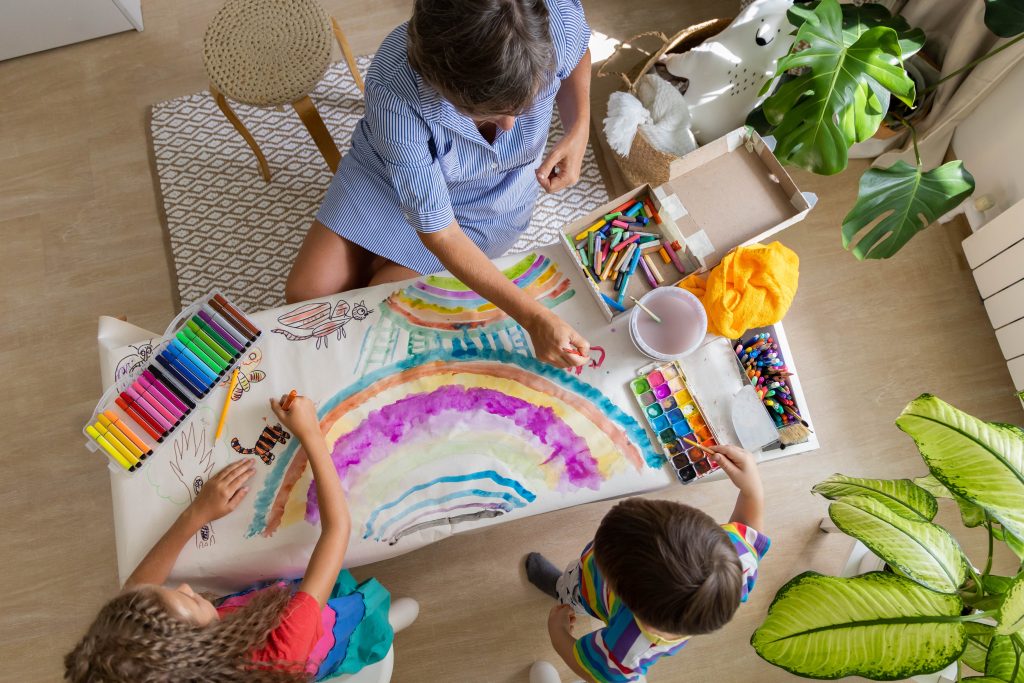
Crafting also boosts imagination. Children have the freedom to explore their ideas and turn them into tangible creations. A simple box of crayons can become a treasure trove of inspiration, transforming blank sheets of paper into vibrant landscapes or fantastical characters. Getting creative with everyday materials fosters expressive thinking in children, allowing them to feel empowered by their artistic choices.
Furthermore, engaging in crafts encourages problem-solving. As children work on their projects, they often face challenges, whether it’s making a structure stable or blending colors to achieve the desired hue. Overcoming these construction hurdles teaches critical thinking and persistence. For example, if a child’s papier-mâché project collapses, they’ll need to analyze what went wrong and find a solution—whether it’s reinforcing the structure or changing the materials used.
From homemade puppets to DIY bird feeders, kids can learn about their environment while having a blast. Here are some popular craft projects that have stood the test of time:
- Papier-Mâché Masks: A fantastic way to explore cultural stories and traditional masks from different regions of the world. This project can serve as a springboard for lessons on history and art appreciation.
- Friendship Bracelets: Perfect not only for creativity but also for building social skills and understanding the value of sharing. This hands-on activity is great for kids to bond while crafting something special for a friend.
- Nature Collages: Collecting leaves, twigs, and flowers to create stunning collages allows kids to express artistic ideas while fostering an appreciation for the outdoors. Such projects can inspire a love of nature and the environment.
Each of these projects not only enhances creativity but also allows children to learn through the process. As they dive deeper into the world of arts and crafts, they gain confidence in their abilities and discover new interests. Stay with us as we delve into more exciting and educational craft ideas for kids that can easily be completed at home, opening up a world of creativity and learning right in your living room!
EXPLORE MORE: Click here to discover the evolution of graphic design
Exploring Craft Projects that Capture Imagination
The world of crafts for kids presents a rich tapestry of opportunities for not only creative expression but also learning essential life skills. By diving into various craft projects, children can engage their senses while enhancing their understanding of art, science, and the environment. Engaging in these activities allows them to connect with the material world around them, bringing lessons to life.
One exciting area of exploration is upcycling crafts. This approach encourages kids to transform everyday items into something new and exciting, promoting both creativity and environmental awareness. For example, a simple plastic bottle can become a charming flower vase or a quirky bird feeder. By using materials that might otherwise end up in the landfill, children learn about sustainability and the importance of taking care of our planet. This project can spark discussions about recycling and environmental responsibility, fostering a sense of global citizenship.
In addition to upcycling, paper crafts offer a versatile medium for children to express their artistic flair. From origami to paper mache, working with paper stimulates fine motor skills and allows for intricate designs that captivate the imagination. Kids can start with simple origami shapes, progressing to more complex designs as their skills develop. Each fold and crease not only embodies their creativity but also teaches patience and precision—qualities that are invaluable in personal and academic growth.
Moreover, crafting with natural elements can deepen a child’s connection to the world around them. Projects like creating leaf rubbings, making flower crowns, or building twig structures provide hands-on experiences that encourage outdoor exploration. Children can collect materials during a nature walk, which serves as an educational adventure in itself, allowing them to observe various plant species and learn about their ecosystems. Such activities offer a delightful way to combine outdoor play with artistic expression.
- DIY Tie-Dye T-Shirts: This colorful project not only inspires creativity but also introduces kids to the science of colors and fabrics. Kids can learn how different dyeing techniques yield various effects while creating a personalized clothing piece they can wear with pride.
- Painted Rocks: Collecting stones and transforming them into whimsical animals, inspirational quotes, or decorative garden pieces can be both fun and therapeutic. Kids can express their emotions through colors and designs while developing valuable artistic skills.
- Handmade Cards: Crafting greeting cards for special occasions gives children the chance to share joy with family and friends. This project promotes emotional expression through art while teaching the importance of kindness and thoughtfulness.
As kids embark on these exciting craft projects, they are not just creating tangible items but also weaving valuable lessons and memories. Each stroke of paint and every carefully crafted piece builds a foundation for self-expression, exploration, and learning. Stay tuned as we delve deeper into more innovative and educational crafts for kids that spark imagination and inspire joy!
| Category | Key Features |
|---|---|
| Creative Expression | Engages children in a hands-on way, allowing freedom of imagination. |
| Skill Development | Fosters fine motor skills, problem-solving, and critical thinking. |
In the world of crafts for kids, every project is not just a simple task but a vibrant journey that encourages creative expression. Through various mediums like paper, paint, and fabric, kids can explore their ideas and emotions. This hands-on approach helps children process their thoughts and enhances their imagination. For instance, simple projects such as making paper mâché animals or painting rocks can result in vibrant artworks that speak volumes about a child’s creativity.Moreover, these projects are also key to skill development. As children cut, glue, and assemble their crafts, they unknowingly refine their fine motor skills. Engaging in such activities boosts their problem-solving abilities as they encounter various challenges, encouraging them to think critically about the materials they use and the outcomes they hope to achieve. Thus, crafts are not merely fun; they are essential stepping stones in children’s overall growth and learning.
DISCOVER MORE: Click here to dive deeper
Creative Crafts That Blend Fun and Learning
As we continue exploring the vibrant world of crafts for kids, we uncover even more project ideas that seamlessly marry creativity with educational aspects. These engaging activities not only capture children’s imaginations but also spark their curiosity and critical thinking skills.
STEM crafts offer an exciting gateway into the realms of science, technology, engineering, and mathematics. Consider the ever-popular homemade volcano. Using simple ingredients like baking soda, vinegar, and food coloring, children can create an explosive mini-eruption. This eye-catching project not only provides fun but also teaches fundamental chemistry concepts as kids witness the reaction in action. By experimenting with the amount of vinegar and baking soda used, young crafters can practice the scientific method, collecting data and drawing conclusions from their experiments.
Another innovative option is build-your-own marble run kits, which challenge kids to design intricate tracks using materials like cardboard tubes and recycled containers. This hands-on craft encourages problem-solving and engineering skills as children analyze the path of their marbles and adjust their designs to enhance speed and efficiency. As they manipulate materials, kids learn about gravity, momentum, and basic physics, making for a delightful and educational experience.
Crafting with Technology
In today’s tech-centric world, integrating digital crafts into children’s projects can also be immensely beneficial. For instance, the use of 3D printing has become increasingly popular amongst young creators. Kids can design and produce their own toys, jewelry, or educational models, merging art with technology. This not only fosters creativity but also fosters digital proficiency—a vital skill in the modern workforce. Platforms like Tinkercad provide accessible tools for kids to learn basic design concepts while navigating the 3D printing process.
Moreover, coding can flourish through crafting with craft robotics. Projects such as constructing simple circuits with LED lights bring programming to life in a hands-on manner. Children can design art that lights up, combining creativity with technical skills. By introducing basic coding concepts through platforms like Scratch, kids can animate their craft designs or create interactive stories, blurring the lines between art and technology.
Integrating Culture and History
Furthermore, crafting projects can become immersive learning experiences when focused on cultural heritage. For instance, kids can explore ancient history by making traditional artifacts from different cultures, such as Egyptian hieroglyphs on clay tablets or Native American dreamcatchers. Through these activities, children not only learn about artistic methods but also delve into the stories and significance behind the crafts. This opens a dialogue about diversity and appreciation for the multitude of cultural backgrounds that enrich our society.
- Kaleidoscopes: Kids can assemble colorfully designed kaleidoscopes using cardboard tubes, reflective materials, and vibrant beads, stimulating an understanding of light and reflection while creating their own visual masterpieces.
- Nature Journals: Encourage observation and documentation through crafting personalized nature journals where children can sketch, write about their outdoor adventures, and even paste collected leaves or flowers, fostering a love for nature.
- Seasonal Crafts: Making decorations for different holidays can enhance cultural awareness while allowing kids to express seasonal joy through themed projects like DIY Christmas ornaments or Thanksgiving gratitude jars.
These craft projects for kids serve as a conduit through which creativity, learning, and fun intertwine. Each created piece not only exists as a reflection of a child’s imagination but also as an educational tool empowering them to discover more about the world around them. Keep exploring the uncharted territories of crafting and watch as young minds flourish!
DIVE DEEPER: Click here to start your creative journey
Conclusion: Unleashing Creativity Through Crafting
In summary, crafts for kids play a vital role in fostering not only creativity but also essential learning skills. By combining fun with education, these projects encourage young minds to think critically, solve problems, and explore diverse subjects—from STEM concepts to cultural histories. Whether it’s constructing a homemade volcano or creating a dazzling kaleidoscope, each craft serves as a tangible opportunity for children to discover and grow.
Moreover, the integration of technology into crafting, such as 3D printing and craft robotics, opens new avenues that elevate the crafting experience. As children engage with digital tools, they enhance their proficiency and readiness for a world that increasingly values tech-savviness. Through these activities, kids learn to balance traditional methods with innovative practices, sharpening both their artistic and analytical skills.
Importantly, as parents and educators, we must encourage a crafting environment that honors diversity and fosters inclusivity. By exploring cultural heritage through art, children gain a broader understanding of the world, which enhances their empathy and respect for varying perspectives. This is paramount in fostering a well-rounded education that values creativity, curiosity, and community.
As we continue to provide enriching crafting experiences, let us inspire the next generation of creators to explore, innovate, and connect with the world around them. By embracing the colorful universe of craft projects for kids, we not only nurture their artistic talents but also equip them with the skills necessary for a lifetime of learning and discovery.