The Influence of Social Media on the Revival of Handicrafts: Creators and Trends

Exploring the Intersection of Social Media and Handicrafts
The rise of social media has catalyzed profound changes across various sectors, most notably within the realm of handicrafts. As artisans and crafters leverage platforms like Instagram, Pinterest, and TikTok, they propel a renaissance of traditional crafts that not only celebrates individual creativity but also fosters a thriving community devoted to these timeless skills. This transformation goes beyond mere fashion; it embodies a cultural wave that amalgamates the texture of human craftsmanship with the dynamic nature of modern technology.
The Role of Social Media Platforms
Social media platforms act as vital conduits for artisans, providing an array of functionalities that are instrumental in this resurgence. For instance, creators can:
- Showcase their work: The visual-centric nature of platforms like Instagram allows artisans to share high-quality images and engaging videos of their creations. In a few clicks, a handmade ceramic vase or a delicate knitted scarf can captivate audiences, often leading to immediate purchases or commissions.
- Build communities: Online groups dedicated to specific crafts facilitate interactions among enthusiasts and professionals alike. These communities not only promote sharing tips and techniques but also offer moral support and encouragement. Platforms such as Facebook and Reddit have become hubs where creators exchange ideas, organize workshops, and celebrate milestones together.
- Access larger audiences: Social media removes geographical constraints, permitting craftspeople to market their goods to a global audience. Artisans in rural America can connect with buyers across the globe, breaking down barriers that previously limited their potential market reach.
Shaping Trends and Consumer Preferences
The influence of social media extends into consumer preferences, shaping demand for handcrafted goods while simultaneously setting the stage for innovative trends. Some essential trends include:
- Eco-consciousness: A growing number of consumers are gravitating towards sustainable, handmade products. The “slow fashion” movement, which values quality and ethical production processes, is gaining traction as buyers increasingly prefer items that are both environmentally friendly and unique.
- Personalization: There is a rising demand for customized goods that reflect individual tastes and preferences. Artisans now often offer personalized services, such as monogramming or bespoke designs, allowing consumers to feel a deeper connection to their purchases.
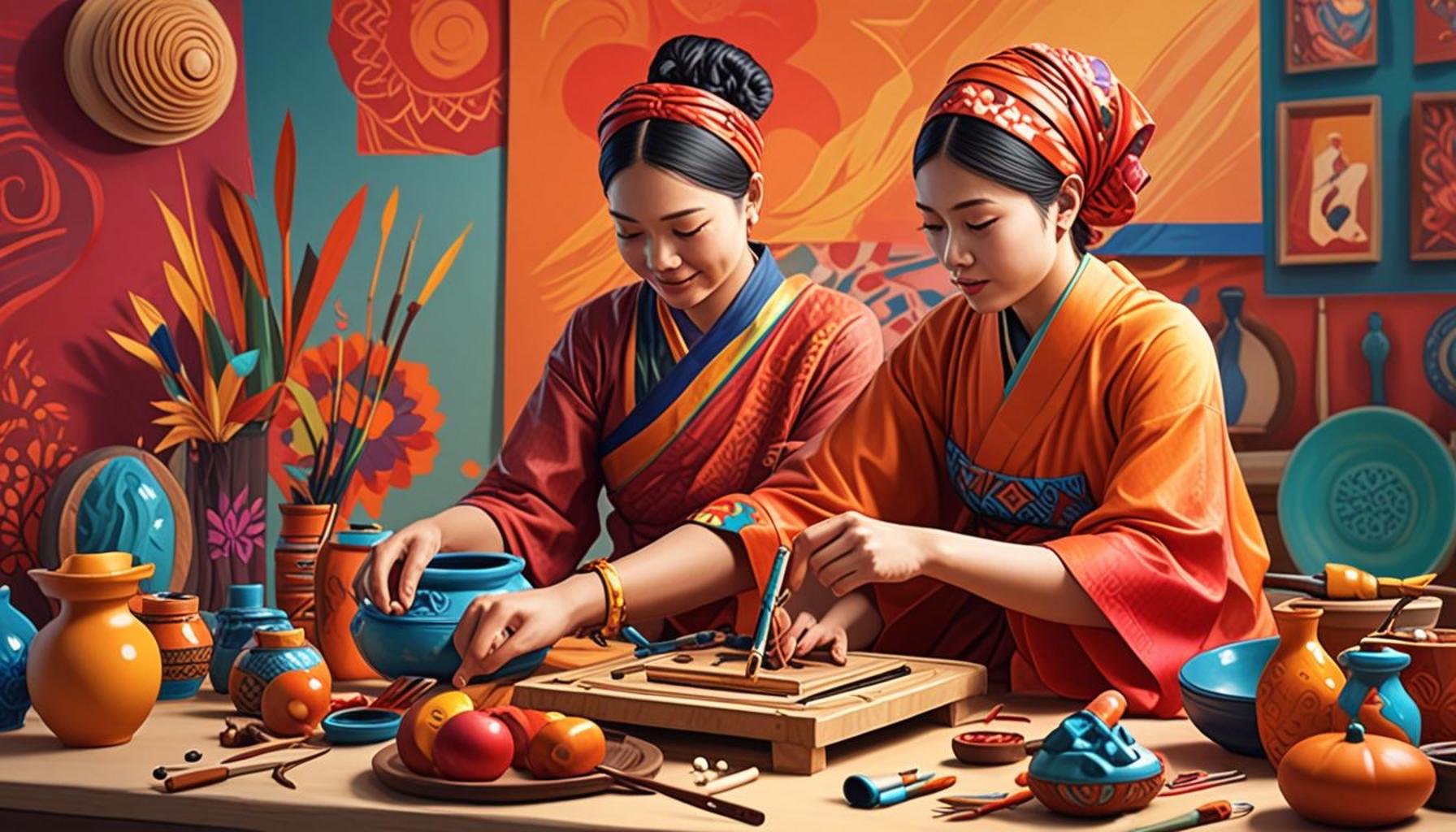
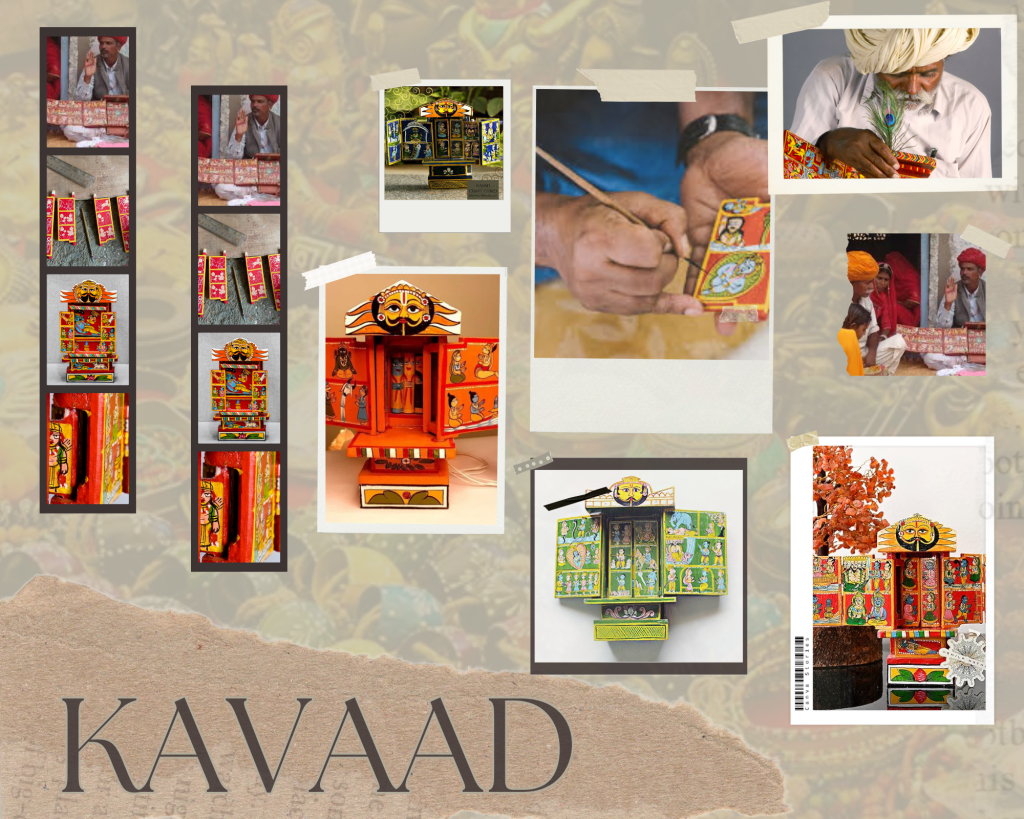
- Reviving traditional techniques: Many consumers are showing renewed interest in heritage crafts. Handwoven textiles, handcrafted pottery, and traditional woodworking are now celebrated not only for their beauty but also for the stories and cultural significance they carry. This appreciation results in a flourishing market for artisanal goods that embody craftsmanship and tradition.
As we explore the contours of how social media influences the revival of handicrafts, it becomes evident that this digital landscape not only serves as a marketing tool but also as a vital platform for cultural expression. Through this lens, we uncover a myriad of emerging trends and recognize the creators who are leading this inspiring movement, shaping the future of handmade goods in an ever-connected world.
DIVE DEEPER: Click here to discover the evolution of musical instruments
Empowering Artisans through Digital Connections
As the digital landscape evolves, the role of social media in enhancing the visibility and viability of artisans’ work becomes increasingly evident. Various platforms have redefined how creators can share their stories, with many benefiting from the immediacy and reach that social media provides. Artisans not only showcase their craftsmanship but also articulate their personal narratives, fostering connections with audiences who appreciate the artistry behind each piece. This mutual interaction encourages a shared appreciation for handmade items, allowing consumers to feel invested in the story of each creation.
An Explosion of Creativity and Innovation
Through the lens of social media, the revival of handicrafts exhibits an explosion of creativity and innovation. Artisans are blending traditional techniques with contemporary trends, often using hashtags to create visibility around their work. The potential for virality on platforms like Instagram can propel a niche craft into the mainstream, as creators participate in trending challenges or collaborations. Here are some noteworthy developments:
- Crafting Viral Trends: Social media’s notable ability to create viral trends is perhaps one of its most impactful features. A unique crochet pattern or a stunning piece of macramé can quickly catch the eye of influencers, sparking a widespread interest in that specific craft. When creators notice a surge in demand, they often adapt their techniques or designs, pushing the boundaries of their artistry in alignment with audience preferences.
- Video Tutorials and Workshops: Platforms like TikTok and YouTube empower creators to share their skills through engaging video content. This not only demystifies the process of crafting but also invites viewers to join the movement. The popularity of DIY tutorials and live workshops has surged, establishing a hands-on approach to learning and boosting the accessibility of handicrafts.
- Collaborative Projects: The social media ecosystem often fosters collaborative art projects. Artisans can partner across borders, creating unique pieces that reflect diverse cultural influences. Such collaborations lead to innovative designs and broaden the appeal of handicrafts across a wider demographic.
The interplay of these elements serves to enrich and expand the handicraft community, propelling it into new territories of creativity and expression. As artisans navigate this digital frontier, they find that the opportunities for growth are as limitless as the possibilities for creation. The stories, skills, and love for craftsmanship that fuel their artistry resonate across screens and hearts, bringing a renewed sense of purpose to handicrafts in today’s fast-paced world.
Connecting with Consumers in New Ways
The connection between artisans and consumers has been remarkably transformed through social media. Consumers are no longer just passive viewers; they are active participants in the crafting narrative. The demand for authentic storytelling and transparency has risen significantly, prompting artisans to engage in conversations about their processes, challenges, and inspirations. This dynamic relationship cultivates a loyal customer base, as consumers often feel a vested interest in the success of an artisan whose journey they have followed online.
As we delve deeper into the impact of social media on the revival of handicrafts, it becomes clear that this digital environment is not merely a marketing tool; it is a vibrant community that nourishes creativity, fosters trends, and celebrates the uniqueness of handcrafted items. The marriage of tradition and innovation is unearthing a new landscape for creators and enthusiasts alike, inspiring a movement that honors the past while embracing the future.
Social media has fundamentally transformed the way artisans and crafters engage with their audiences and promote their work. Platforms such as Instagram, Pinterest, and Facebook provide a visual-centric space for creators to showcase their handicrafts, enabling them to reach a global audience without the constraints of traditional marketing methods. This visibility not only allows for a direct connection with potential buyers but also fosters a sense of community among artists, sharing techniques and inspiration.Moreover, the rise of influencer culture has played a crucial role in the revival of handicrafts. Influencers in the handmade and DIY spaces often spotlight unique creators, leading to increased interest and sales for small artisans. This phenomenon creates a ripple effect; as audiences engage with content showcasing handcrafted items, they become more likely to embrace and support these products, which often emphasize sustainability and ethical production. In addition, social media trends can quickly bring particular styles or techniques to the forefront, allowing for rapid shifts in consumer preferences. Platforms like TikTok have introduced a new generation of crafters eager to explore and innovate in the handmade sector, often combining traditional methods with contemporary styles. Before the rise of social media, many of these trends might have taken much longer to spread, if they even gained traction at all. Furthermore, educational content surrounding handicrafts is widely shared, empowering individuals with the skills needed to create their products. Tutorials, tips, and workshops available online reduce barriers to entry for new crafters. As learning materials proliferate across social media, more people are inspired to delve into the world of handicrafts, thus sustaining interest and participation in these revitalized art forms. The intersection of social media and handicrafts also highlights a growing consumer preference for authenticity and uniqueness over mass-produced items. As shoppers increasingly seek personalized experiences, they are drawn to handmade products that resonate with their values and story. By harnessing the power of social media, artisans can effectively communicate their narratives, enhancing the appeal of their crafts in an increasingly competitive market. The relationship between social media and the revival of handicrafts is symbiotic; as creators innovate and adapt to trends, they also influence the marketplace, shaping consumer tastes and encouraging a vibrant exchange of ideas within the community.
DIVE DEEPER: Click here to discover the emotional and mental benefits of handicrafts
Harnessing Social Media for Market Expansion
The landscape of consumer behavior has been irrevocably changed by social media, particularly in how individuals approach purchasing decisions. With the rise of platforms like Etsy, Pinterest, and Instagram, artisans have leveraged these channels not only to showcase their products but also to create whole marketing ecosystems that drive sales. These social media platforms act as e-commerce hubs where traditional artisans can reach wider audiences without relying solely on brick-and-mortar storefronts, leveling the playing field for creators regardless of their geographic location.
The Rise of Influencer Partnerships
Social media influencers wield a significant amount of power in the crafting community, driving trends and shaping consumer preferences. Artisans are increasingly turning to influencer partnerships as a strategy to elevate their brands. For instance, collaborations with lifestyle bloggers or YouTube stars can bring handcrafted items to the attention of millions, which translates to increased awareness and sales. Influencers often provide authentic reviews and style suggestions that resonate with their followers, encouraging them to support independent artisans.
A noteworthy example of this trend is the surge in popularity of handmade skincare products. Influencers in the beauty domain often feature artisans on their platforms, allowing consumers to connect with the maker’s story behind each product. Such engagements build trust and foster a sense of community among follower bases that value unique, artisan-made goods. In turn, this results in a burgeoning market where handmade items are perceived not only as products but as meaningful gifts with personal stories.
The Impact of User-Generated Content
Another transformative aspect of social media lies in the phenomenon of user-generated content. Happy customers are increasingly sharing photos and stories about their purchases, creating a ripple effect that enhances visibility and encourages others to buy. When consumers post images of handmade goods on their social media, tagging the creators, they provide social proof that can significantly influence potential buyers. The idea that one item can be loved by multiple individuals enhances its perceived value and uniqueness.
This phenomenon is particularly evident in platforms like Instagram, where the aesthetic appeal of handcrafted items can be beautifully showcased. The ability for customers to become brand ambassadors simply through their enjoyment of a product transforms the marketing strategies of artisans. By harnessing this organic publicity, creators are able to foster a loyal community that promotes continuous interest in their work.
Challenges in the Digital Marketplace
<pDespite the myriad opportunities that social media offers, artisans also face challenges within this rapidly expanding digital marketplace. The sheer volume of content can make it difficult for individual artisans to stand out. As trending crafts can shift overnight, many artisans rely on staying attuned to popular culture and consumer interests to ensure their relevance in a fast-paced environment.
Additionally, with the oversaturation of the market, many artisans must grapple with price competition from mass-produced alternatives. Creating a distinct brand identity that highlights the unique aspects of craftsmanship can be key in battling the impulse for consumers to choose cheaper options. Educational content about the time, effort, and skill involved in their crafts can be invaluable as artisans navigate these challenges.
In essence, while social media presents a plethora of tools for artisans to market their wares and connect with consumers, it challenges them to innovate continuously. The blend of creativity, storytelling, and business acumen is essential as they strive to carve out their niche in the evolving landscape of handicrafts.
DIVE DEEPER: Click here to unlock your creative potential
Conclusion
The resurgence of handicrafts in today’s consumer landscape cannot be understated, particularly when viewed through the lens of social media’s influence. Platforms such as Instagram, Etsy, and Pinterest have become pivotal in enabling artisans to not only showcase their creations but also to build vibrant communities that celebrate craftsmanship and individuality. The synergy between influencer partnerships and user-generated content has further amplified this revival, bringing handmade goods into mainstream consciousness and allowing artisans to share their unique stories with a broader audience.
However, the journey is not without its challenges. As the digital marketplace becomes increasingly crowded, artisans must navigate issues such as price competition and the constant demand for innovation. Building a strong brand identity and effectively communicating the artistry and effort behind their craft are essential strategies for artisans aspiring to thrive in this ever-evolving ecosystem. Moreover, as consumer preferences continue to shift towards sustainability and authenticity, the role of social media in bridging the gap between makers and customers will likely gain even more significance.
In conclusion, the intersection of social media and handicrafts presents a wealth of opportunities and obstacles for creators. By embracing the tools available and adapting to the dynamic market landscape, artisans can revive traditional crafts while enriching the culture of handmade goods in America. As this trend continues to unfold, it beckons not only for further exploration but also for a greater appreciation of the stories and craftsmanship that define each unique piece, encouraging consumers to choose quality, individuality, and sustainability over mass production.