The Art of Flash Fiction: Creating Impactful Narratives in Few Words
The Art and Impact of Flash Fiction
In the fast-paced world of storytelling, flash fiction stands out as a unique and captivating form. Defined as short narratives typically under 1,000 words, it condenses emotion and meaning into a compact package. This art form challenges writers to evoke powerful experiences with just a few meticulously chosen words, making it both an exciting challenge and a rewarding practice for authors and readers alike.
What makes flash fiction an intriguing genre? There are several key features that set it apart:
- Conciseness: Each word must serve a purpose. In flash fiction, there is no room for fluff or filler; every sentence needs to move the narrative forward or deepen the emotional impact.
- Impact: This genre evokes strong emotions in limited space. A well-crafted flash piece can resonate with readers, leaving a lingering feeling or thought that often surpasses longer works.
- Creativity: Flash fiction encourages innovative storytelling techniques. Writers often experiment with structure and perspective, creating unexpected twists and turns that can surprise and engage the audience.
Writers often draw inspiration from various sources, leading to a diverse array of themes. Flash fiction can explore:
- Human relationships: Delving into the complexities of love, friendship, or familial bonds in a succinct manner can unveil profound insights.
- Social issues: Writers tackle pressing contemporary themes, such as inequality, identity, or mental health, efficiently addressing them through compelling narratives.
- Personal experiences: Authors often draw from their own lives, creating relatable and intimate stories that resonate with readers.
In the United States, flash fiction has gained traction as both a writing exercise and a means of connecting with readers. Literary magazines, such as The Kenyon Review and Flash Fiction Online, and online platforms like Wattpad and Medium have embraced this concise format, allowing authors to reach a wider audience. Many writers find that participating in flash fiction contests, such as Flash 500 or Micro Fiction Mondays, offers both motivation and recognition.
Exploring the art of flash fiction not only enhances writing skills but also opens doors to a vibrant community of fellow creators. Writers who engage with flash fiction often find themselves more adept at crafting compelling prose in other formats as well. Every short piece crafted teaches valuable lessons about clarity, economy of language, and the essence of storytelling.
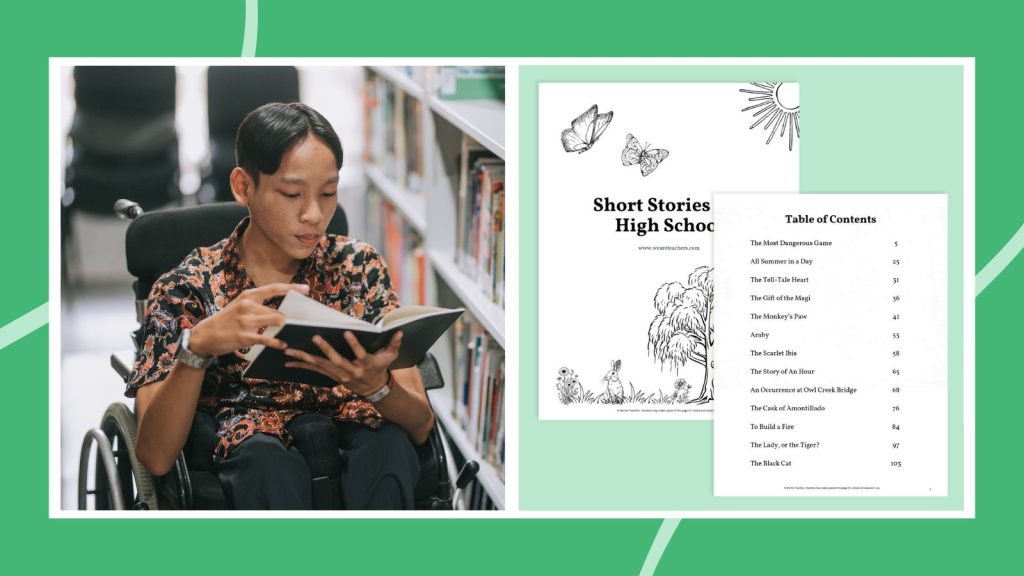
Delve into the intricacies of this compelling genre and discover how to create impactful narratives with just a few words. Whether it’s through personal reflection or social commentary, the possibilities are endless when you embrace the concise power of storytelling. The next time you feel inspired, consider challenging yourself to tell your story in under 1,000 words—you might be surprised by the depth you can achieve in such a short span.
EXPLORE MORE: Click here to dive deeper
Understanding the Core Elements of Flash Fiction
The essence of flash fiction lies in its ability to distill complex narratives into concentrated bursts of creativity. To master this art form, writers must grasp a few fundamental elements that contribute to the overall impact of their stories. These essential components include:
- Characterization: In flash fiction, character development must be swift yet effective. A single vivid detail or a powerful action can bring a character to life, allowing readers to connect with them almost instantly.
- Setting: The backdrop of the story needs to be established quickly to enhance the narrative’s atmosphere. Through careful selection of descriptive language, writers can evoke a sense of place in just a few phrases, anchoring the reader in the story’s world.
- Conflict: Every compelling narrative hinges on conflict. Even within a limited word count, creating tension or a problem to be resolved is vital for engaging the reader’s emotions and driving the story forward.
- Resolution: Flash fiction often concludes with an impactful ending, which might offer resolution, twist, or lingering uncertainty. This moment can leave the reader pondering long after they have finished reading, an essential goal for flash fiction writers.
One of the most appealing aspects of flash fiction is its ability to immerse readers into different worlds in such a short time frame. Writers can explore a broad spectrum of genres—ranging from fantastical journeys to stark realities—allowing them to experiment with their voice and style. This genre transcends traditional storytelling conventions, offering a playground for innovation. For instance:
- Magical Realism: Writers might create an everyday situation with a hint of the bizarre, capturing the reader’s imagination with surreal elements.
- Speculative Fiction: Authors can dive into themes of dystopia or alternate realities within a single narrative, challenging readers to reflect on deeper social issues.
- Literary Fiction: This style often emphasizes character-driven plots, exploring intimate moments that highlight human emotions and experiences.
To be successful in flash fiction, it is imperative for writers to adopt a mindset of precision. Given the constraints on word count, authors often spend hours revising and refining their work to achieve maximum effectiveness. As such, flash fiction serves as a rigorous exercise in craftsmanship, compelling writers to fully evaluate every sentence, every word, and every punctuation mark.
Moreover, flash fiction presents a unique opportunity for writers to experiment with various narrative techniques, such as unreliable narrators or unexpected shifts in perspective. These elements can add layers of complexity to an otherwise succinct format, making the reading experience richer and more fulfilling. Understanding these nuances not only enhances the writer’s toolkit, but also enriches the readers’ engagement with concise storytelling.
As you embark on your journey into the realm of flash fiction, keep these core elements in mind. The challenge of creating impactful narratives with few words is both daunting and exhilarating, pushing boundaries while fostering creativity. Your ability to evoke emotions, depict lifelike characters, and convey stories with succinctness will shape how audiences perceive the power of brevity in literature.
Sure! Here’s the second part of the body on the topic “The Art of Flash Fiction: Creating Impactful Narratives in Few Words”:Flash fiction, often referred to as micro-narratives, offers writers an opportunity to craft lively stories packed into a condensed format. This style demands authors to focus intensely on the *essence* of their narratives, thus enhancing their creative prowess. The limitations imposed by the word count can actually unleash greater creativity, forcing the author to eliminate unnecessary words and hone in on pivotal moments.One significant advantage of this narrative form is its ability to evoke *strong emotions* quickly. Whether it’s a sudden twist at the end or a poignant moment in the middle, flash fiction can strike deep and resonate with readers almost immediately. This immediacy is particularly effective in today’s fast-paced world, where attention spans are shorter than ever.Moreover, the art of writing flash fiction encourages writers to explore *various themes* and characters within a limited space. This skill can greatly enhance one’s storytelling capabilities across longer works. By actively engaging with the challenge of telling a story succinctly, writers not only tighten their prose but also improve their overall narrative skills. It allows for experimentation with voice and style without the commitment of a lengthy manuscript.Writers interested in this form can benefit from various online workshops and resources designed specifically for flash fiction. Many literary journals and magazines actively seek submissions of this nature, offering an excellent platform to showcase this unique form of storytelling. Engaging in flash fiction also cultivates a sense of community among writers. Sharing feedback with peers can inspire new ideas and encourage innovative approaches in narrative construction.While the challenge of writing flash fiction may seem daunting initially, the rewards are significant. It is a liberating style that allows writers to connect with readers, share stories, and convey impactful messages in just a few words. Embracing this art form can redefine how writers approach storytelling as a whole, often leading them to discover previously untapped creativity.
DISCOVER MORE: Click here to dive deeper
Harnessing Emotion and Depth in Minimalist Storytelling
Creating impactful flash fiction is not merely about brevity; it’s about evoking profound emotion and resonating depth within a constrained narrative. One of the most effective techniques to achieve this is through the use of symbolism and imagery. A well-placed image or symbol can encapsulate themes and emotions that might otherwise require pages of prose. For instance, a single withering flower can suggest loss and decay, while an open window might symbolize freedom or opportunity. Writers in the United States often draw from their surroundings, weaving familiar symbols into their stories that convey universal truths in just a few lines.
Additionally, the art of show, don’t tell becomes crucial in flash fiction. Instead of explicitly stating a character’s feelings or the story’s direction, skilled authors often portray emotions indirectly through actions or dialogue. This subtlety invites readers to infer meaning, fostering a deeper connection to the narrative. For example, consider a character who hesitates momentarily before closing a door; this simple action can signal reluctance, fear, or nostalgia without the need for elaboration. When every gesture counts, readers are compelled to engage with the text, piecing together the characters’ inner lives.
Pacing is another vital element in flash fiction that distinguishes it from longer forms. Writers often play with the rhythm of their narratives, accelerating the pace during moments of tension and slowing it down to allow profound moments to resonate. Techniques such as sentence length variations or the use of fragments can effectively manipulate how the story unfolds in the reader’s mind. For instance, a flurry of short, punchy sentences can convey urgency and chaos, while longer, flowing sentences might evoke contemplation and tranquility. By mastering pacing, authors can guide their audience through a rollercoaster of emotions—capturing their hearts and minds in just a handful of paragraphs.
- Flashbacks: Integrating brief flashbacks can provide essential background information, adding depth without extensive exposition. A character reminiscing about their childhood in a few carefully chosen words can offer insight and context efficiently.
- Dialogue: Well-crafted dialogue can quickly establish character dynamics and reveal tensions. Since space is limited, every line must serve a purpose, illuminating character traits while driving the plot.
- Suspense: Flash fiction often thrives on the unexpected. Introducing twists towards the end can surprise readers, challenge their assumptions, and encourage deeper contemplation about the narrative and its implications.
Moreover, the digital age plays a significant role in the resurgence and evolution of flash fiction. Online platforms and social media apps enable writers to share their works easily, creating a vibrant community around this genre. Resources like contests and literary magazines specifically aimed at flash fiction allow emerging voices to gain visibility. This accessibility fuels innovation and inspires writers to push the boundaries of their craft further. Many authors, like Lydia Davis, recognized as a master of the form, exemplify how to experiment with language and ideas in short narratives, inviting new writers to explore their creative voices.
As readers navigate the world of flash fiction, they are often struck by how much can be conveyed in so little space. This genre teaches the importance of each word, demanding that writers make every sentence count. Ultimately, the art of flash fiction offers not only a means of expression but also a lens through which to view the richness of human experience with clarity and poignancy.
DISCOVER MORE: Click here to dive deeper
Conclusion
In the compressed world of flash fiction, every word serves a purpose, and every sentence carries weight. This unique storytelling form thrives on its ability to distill complex human experiences into vivid, multi-layered snapshots. Through the strategic use of symbolism, imagery, and well-crafted dialogue, writers can breathe life into their characters and evoke genuine emotions without excessive exposition. The challenge of writing powerful narratives within a limited word count not only sharpens a writer’s skill set but also encourages innovative thinking and creative experimentation.
As the digital landscape continues to reshape literature, flash fiction stands out as a gateway for a new generation of storytellers in the United States and beyond. Platforms for sharing work and engaging with community initiatives empower writers to explore unique voices and perspectives while allowing readers to encounter stories that resonate on both personal and universal levels. By embracing the essence of pacing and the principle of show, don’t tell, authors can artfully guide readers through a rollercoaster of emotions, challenging them to reflect on their interpretations and connections.
Ultimately, the art of flash fiction not only underscores the power of concise narratives but also invites readers to appreciate the beauty found in brevity. The impact of a few carefully chosen words can linger long after the final sentence, encouraging exploration into themes of love, loss, identity, and the myriad experiences that define the human condition. As you delve into this captivating genre, consider allowing its lessons to influence your own creative endeavors, fostering a deeper appreciation for the art of storytelling in all its forms.