DIY for Kids: Creative Projects that Stimulate Imagination
The Benefits of Engaging in DIY Activities for Children
In today’s fast-paced, technology-driven society, it is imperative that we nourish the creative instincts of children. One of the most effective ways to do this is through DIY projects. These hands-on activities not only captivate children’s attention but also provide a unique platform for self-expression while fostering critical cognitive abilities. When kids channel their creativity into tangible projects, they experience a blend of exploration and education that makes learning both enjoyable and impactful.
Key Advantages of DIY Projects
Engaging in DIY projects offers an array of developmental benefits:
- Enhances Problem-Solving Skills: DIY encourages children to navigate challenges on their own. For instance, if a project requires creating a birdhouse, they must measure, adjust, and find solutions when things don’t fit perfectly. This trial-and-error approach teaches them to think critically and devise innovative solutions.
- Boosts Confidence: Completing a DIY project instills a sense of accomplishment. Whether it’s sewing a simple pillow or building a model airplane, the satisfaction derived from seeing a finished product can significantly enhance a child’s self-esteem and motivation to embark on new projects.
- Encourages Teamwork: Working on group DIY projects promotes collaboration and communication skills. For example, planning a community garden with friends teaches the importance of cooperation, shared responsibility, and achieving collective goals.
Exciting DIY Project Ideas
The world of DIY is ripe with opportunities for creativity right at home. Here are a few engaging projects to inspire you and your children:
- Homemade Musical Instruments: Transform everyday recyclables into musical instruments. For instance, empty cereal boxes can become drums, while water bottles filled with different amounts of rice can create shakers. This makes for a fun introduction to music while expressing individual creativity.
- Nature Collages: Encourage kids to gather leaves, flowers, and twigs during a nature walk. They can then use these natural materials to craft unique collages that celebrate the beauty of the outdoors, fostering appreciation for nature while enhancing their artistic flair.
- DIY Storybooks: Let your child’s imagination run wild by making bespoke storybooks. They can create characters and plotlines, and decorate the pages with drawings and stickers. Not only does this improve storytelling skills, but it also allows children to engage in creative writing.
As you embark on these DIY adventures, don’t forget to embrace the delightful chaos that often accompanies creativity. It is through exploration and experimentation that children can truly thrive. The beauty of DIY projects lies in their ability to transform routine materials into extraordinary creations, while simultaneously boosting confidence and social skills. So gather those supplies and watch as your child flourishes in a world rich with imagination and possibility.
Unleashing Creativity Through DIY Projects
Hands-on activities serve as a gateway to creativity, especially for children who thrive in environments that stimulate their imagination. DIY projects offer a chance for kids to delve into the world of crafting, inventing, and learning—all while having fun! These projects not only bring joy but also play a pivotal role in personal growth and development.
Fueling Imagination with Hands-On Experiences
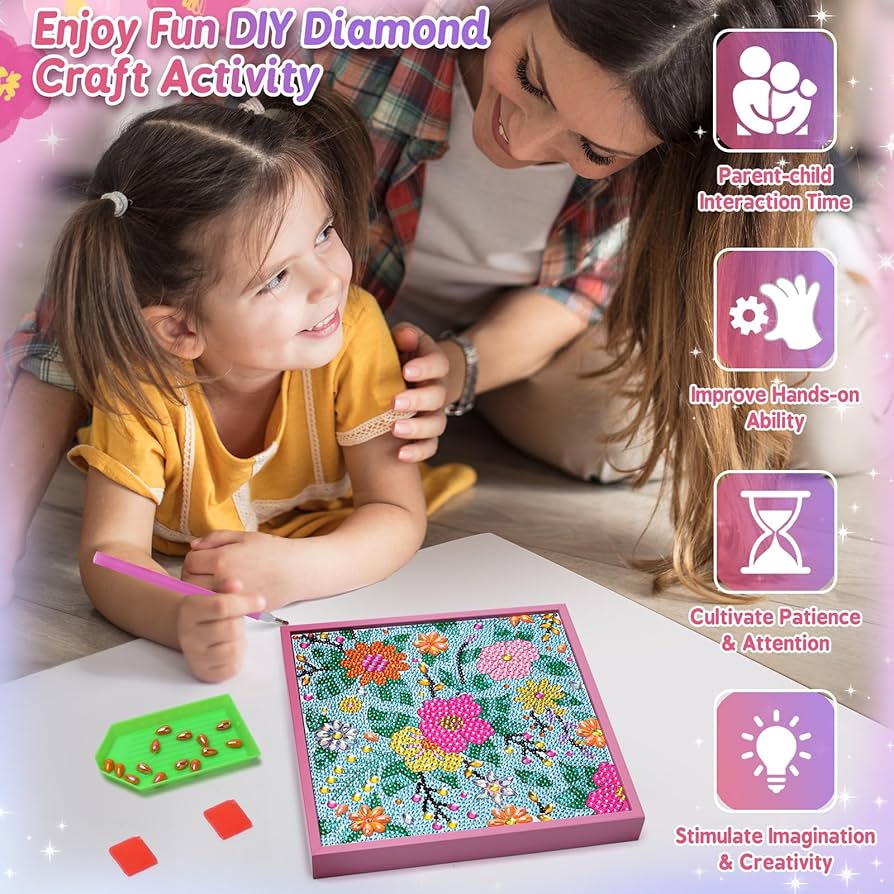
When kids engage in DIY activities, they are presented with the opportunity to explore various materials and mediums, allowing them to discover their own creative preferences. Research suggests that creative play is essential in childhood development, as it enhances cognitive processes and emotional resilience. Here are a few compelling reasons to embrace DIY activities for your children:
- Fostering Original Thought: In a world dominated by digital media, crafting encourages young minds to think outside the box. By experimenting with different tools and supplies, children learn to visualize their ideas and make their thoughts a reality. DIY projects empower them to express what they envision, revealing unique insights into their personalities.
- Improving Fine Motor Skills: Many DIY projects require precision, which can significantly enhance a child’s fine motor skills. Activities like painting, cutting, or assembling small components encourage hand-eye coordination, dexterity, and focus. As children manipulate tools and materials, they develop essential skills that will benefit them throughout their educative journey.
- Encouraging Emotional Expression: Creativity often serves as an outlet for emotions, and DIY projects can help children articulate their feelings in constructive ways. Whether it’s through crafting a colorful poster or designing jewelry, the process allows them to channel their emotions and discover new ways to express themselves.
Simple Project Ideas to Spark Creativity
As you look to introduce DIY projects into your child’s routine, consider these easy and imaginative ideas that can be tailored for various ages and skill levels:
- DIY Paints and Sensory Play: Create non-toxic paints using basic ingredients like flour, sugar, and food coloring. Kids can squish, swirl, and experiment with colors, providing both a sensory experience and an insightful journey into the world of art.
- Recycled Art Sculptures: Encourage environmental awareness while stimulating imagination by crafting sculptures from recyclable materials. Empty bottles, boxes, and cans can be transformed into whimsical art pieces, providing a fun way to discuss recycling.
- Homemade Bird Feeders: Involve children in nature appreciation by building bird feeders from simple items like pine cones, peanut butter, and birdseed. This project not only teaches responsibility and care for wildlife but also connects kids with the natural world right outside their windows.
These projects are merely starting points for a creative journey that knows no bounds. Remember, the essence of DIY lies in the process rather than the final product. Allow your child to experiment and adjust, instilling a love for learning and a treasure trove of opportunities for self-discovery.
| Category | Details |
|---|---|
| Creativity Boost | Encourages children to think outside the box and express their ideas uniquely through hands-on activities. Engaging in DIY projects can transform simple materials into imaginative creations. |
| Skill Development | Enhances fine motor skills, problem-solving abilities, and planning skills as children navigate through various stages of completing a project from inception to execution. |
As children immerse themselves in projects tailored for creativity, they embark on a journey that not only enhances their artistic skills but also nurtures critical thinking. For instance, creating a weather station can teach young minds about science while providing them an avenue to engage with their environment. Building models fosters a strong sense of accomplishment and encourages collaboration if done in groups, where kids can share ideas and techniques.In addition to creativity, these projects often incorporate essential concepts from STEM (science, technology, engineering, and math). An engaging DIY project like building a simple robot can spark an interest in robotics, showcasing the practical applications of academic subjects in real life. By allowing children to explore their interests in a fun way, DIY activities can help them discover new passions and skills.
Exploring the World of DIY: Engaging Projects for Every Child
The magic of DIY projects not only lies in their ability to spark creativity but also in their vast adaptability, catering to diverse interests and age groups. By providing children with opportunities to explore new realms through hands-on engagement, parents and caregivers can cultivate a sense of curiosity and independence. Here are some innovative project ideas that are designed to resonate with various preferences and abilities.
Interactive Crafts That Inspire Learning
In addition to stimulating creativity, DIY projects can seamlessly integrate educational elements into play. Let’s explore some exciting craft ideas that challenge young minds while keeping the spirit of fun alive:
- DIY Science Experiments: Ignite a passion for science with simple experiments that can be conducted at home. For instance, creating a homemade volcano using baking soda and vinegar not only demonstrates chemical reactions but also allows children to witness the thrill of discovery firsthand. Adding colored food dye can enhance the visual appeal, turning a simple experiment into a captivating spectacle.
- Story Stones: Encourage storytelling and imaginative play by crafting personalized story stones. Collect smooth stones and let children paint images or symbols representing characters, actions, or settings. Once completed, these stones can be used to create dynamic stories, fostering language skills and imaginative thinking. This project not only invites children to engage in creative expression but also challenges their narrative-building capabilities.
- DIY Weather Station: Build an educational weather station with simple household items. Utilize a plastic bottle to create a rain gauge, a cardboard piece for a wind vane, and a thermometer to record temperature. This project encourages children to observe and interact with their environment, promoting a scientific understanding of weather patterns.
Cultural Crafts: A Window to the World
Engaging in DIY crafts from different cultures can further broaden a child’s perspective, nurturing an appreciation for diversity. Here are some culturally-inspired projects to consider:
- Mexican Papel Picado: Introduce children to traditional Mexican artistry through the delicate craft of papel picado. Using colorful tissue paper and scissors, kids can cut intricate designs that represent celebrations, holidays, or important moments. This project fosters a sense of connection to global traditions while encouraging fine motor skills.
- Japanese Origami: The ancient art of origami offers children the opportunity to explore geometric shapes and patterns through paper folding. Simple projects like cranes, frogs, or flowers allow kids to practice patience and precision while diving into Japanese culture. As they advance, they can tackle more complex designs, providing a rewarding challenge.
- African Beadwork: Encourage creativity and cultural understanding by creating beaded jewelry inspired by African traditions. Using colorful beads and strings, children can design necklaces, bracelets, or even decorative items. This art not only promotes the concept of self-expression but also serves as a fantastic way to educate kids about the significance of beadwork in African cultures.
Engaging children in diverse DIY projects not only stimulates imagination but also equips them with valuable life skills. Each project serves as a stepping stone to broader experiences and understanding, often resulting in memorable moments that can last a lifetime. With these ideas in mind, parents can facilitate a creative environment where children feel encouraged to explore, innovate, and express themselves freely.
Conclusion: Unleashing Creativity Through DIY Experiences
In the vibrant landscape of childhood development, DIY projects stand out as powerful instruments that ignite creativity and foster cognitive skills. By immersing children in hands-on endeavors, parents and educators are not only facilitating expression but also instilling critical thinking and problem-solving abilities. With activities ranging from science experiments to cultural crafts, the opportunities for exploration are vast, encouraging kids to understand the world around them in engaging and meaningful ways.
Moreover, the personalization of projects, such as creating story stones or building a weather station, allows children to connect their learning to personal experiences, enhancing both emotional connection and retention of knowledge. As they navigate through these creative endeavors, children develop invaluable life skills, including patience, attention to detail, and adaptability. The hands-on nature of DIY not only nurtures a sense of accomplishment but also builds confidence as they witness their ideas transform into tangible creations.
Ultimately, fostering a DIY culture in your home is a pathway to enriching young minds. Embrace the journey of discovery that comes with crafting and encourage your children to explore their imaginations without boundaries. As we equip the next generation with the tools for innovation, we lay the foundation for a future filled with creativity, collaboration, and compassion. So gather those supplies, unleash the creative potential within, and watch as your child’s imagination takes flight!