
Exploring the Intersection of Technology and Performing Arts: New Frontiers of Creativity
The Evolving Role of Technology in Performing Arts
The landscape of performing arts is undergoing a remarkable transformation, powered by an explosion of technological innovations. Artists and creators are now exploring uncharted territories where virtual reality, augmented reality, and artificial intelligence converge with traditional forms of expression. This fusion is not just enhancing performances; it is redefining what creativity means in the contemporary world.
Virtual Reality: Immersion Beyond Imagination
Virtual reality (VR) offers audiences an unprecedented opportunity for immersion. Imagine stepping into a performance where you are not just a spectator, but a participant in a fantastical world. Performance companies like The Royal Shakespeare Company have embraced VR to transport viewers into Shakespearean plays, allowing them to explore the settings and interact with characters in ways that conventional theater cannot replicate. Festivals such as the SXSW showcase a diverse range of VR art installations, emphasizing how this technology can produce deeply personalized experiences and evoke powerful emotional responses.
Augmented Reality: Enhancing Live Experiences
In contrast, augmented reality (AR) bridges the gap between reality and the digital sphere. By overlaying digital elements onto the physical stage, performers can add layers of interaction and spectacle. For example, the Broadway production of Beetlejuice utilized AR to create whimsical transformations of stage sets and characters, effectively drawing the audience deeper into its narrative. This integration of interactive elements enhances not only the visual experience but also audience engagement, prompting viewers to become active participants in the unfolding story.
Artificial Intelligence: Redefining Creativity
The role of artificial intelligence (AI) in the performing arts also deserves examination. AI tools are being used to assist artists in generating new ideas, composing music, and even choreographing dances. Projects like AIVA (Artificial Intelligence Virtual Artist) allow composers to explore new musical realms, creating soundscapes that embrace both human emotion and machine logic. Choreographers can utilize AI to analyze movements and suggest new dance sequences, thereby pushing the limits of human creativity and challenging traditional boundaries of artistic expression.
However, the shift towards integrating technology into the performing arts invites important questions about authenticity and the role of the artist. Are machines becoming co-creators, or will human emotion always remain at the core of performance? Critics and enthusiasts alike ponder whether the artistry conveyed through digital mediums can ever replicate the rawness of live human expression. As we delve deeper into this topic, we will uncover how these technological advancements are reshaping the industry while offering new pathways to creative expression, encouraging audiences and artists alike to engage with the exciting future of performing arts.
Unleashing Creativity Through New Technologies
The intersection of technology and performing arts has catalyzed a creative renaissance, enabling artists to transcend conventional boundaries. As the realms of digital artistry, interactive media, and performance collide, innovative creations continue to emerge, enriching the cultural landscape. This synergy has paved the way for groundbreaking experiences that not only captivate audiences but also challenge the very nature of artistic collaboration.
The Rise of Interactive Performances
One of the most compelling trends in this transformation is the rise of interactive performances. No longer is theater confined to a static presentation; instead, performers and audiences engage in a dynamic dialogue that enhances storytelling. Noteworthy examples include the immersive theatrical experiences created by companies like Sleep No More, where viewers move through a multi-room set, making choices that influence their narrative journey. This model highlights how technology can enhance audience agency and emotional investment, fostering a deeper connection to the art.
Projection Mapping: A Visual Revolution
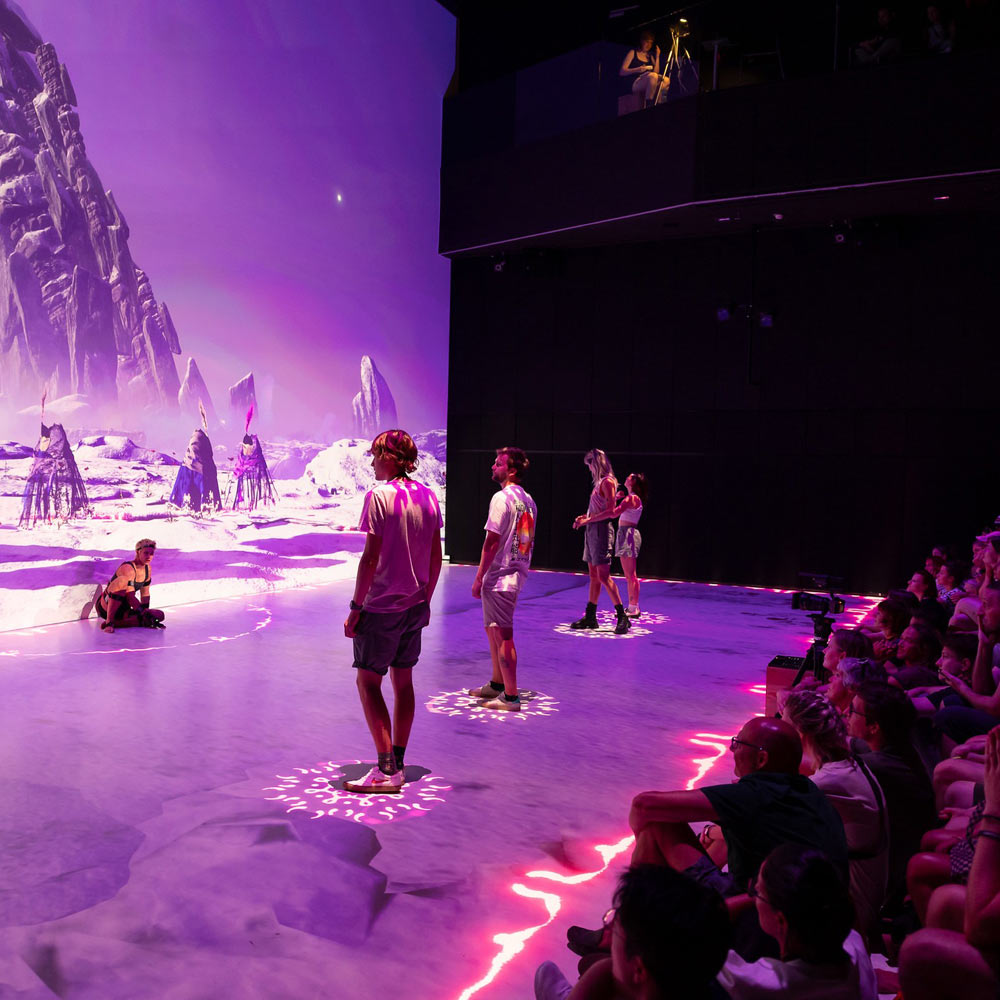
Another fascinating development is the use of projection mapping in live shows. This technology allows creators to transform any surface into a digital canvas, producing stunning visuals that tell stories through light and imagery. A prime example of this is seen in large-scale productions like the award-winning Cirque du Soleil, where projection mapping is used to create mesmerizing backdrops that respond to the performers’ movements, effectively blurring the line between reality and imagination. Such experiences not only elevate performances but also redefine audience expectations regarding what a show can entail.
Data-Driven Artistry: The Analytics of Performance
The integration of data analytics is also redefining creativity in the arts. Artists are now leveraging data to understand audience engagement, test new concepts, and even tailor performances to specific demographics. For instance, virtual platforms like Second Life allow performers to gather real-time feedback, enabling them to adapt and refine aspects of their craft on the fly. This utilization of big data in the performing arts is not merely reactive; it fosters an environment of continuous improvement and experimentation, leading to innovative storytelling techniques.
Key Technologies Reshaping Performing Arts
- Virtual Reality (VR): Engages audiences in immersive experiences.
- Augmented Reality (AR): Enhances live performances with digital overlays.
- Artificial Intelligence (AI): Assists in composing, choreographing, and generating new ideas.
- Data Analytics: Provides insights to improve audience engagement and performance delivery.
- Projection Mapping: Transforms traditional spaces into dynamic visual environments.
As we witness these advancements, it is essential to consider their implications. Do these technologies enhance the value of performance, or do they distract from the core human experience? This ongoing debate serves as a backdrop to the exploration of creative boundaries in the performing arts, urging stakeholder conversations about the future of artistry in an increasingly digital world. Such discussions invite innovation, questioning how far technology can stretch the capabilities of creative expression while maintaining the fundamental essence of what it means to perform.
Exploring Innovative Collaborations
As technology increasingly permeates the performing arts, we witness an unprecedented amalgamation of disciplines that enhances both the creative process and audience engagement. Artists, technologists, and producers are now collaborating in ways that were unimaginable a few decades ago. For example, virtual reality (VR) and augmented reality (AR) are reshaping traditional performances, allowing audiences to immerse themselves in the narrative, altering the relationship between performer and spectator. One notable instance is the use of VR in theatrical productions, where performers can transport viewers into fantastical realms that enhance storytelling. This trend not only expands the boundaries of stagecraft but also fosters an interactive experience that traditional performances often lack. Engaging with cutting-edge technology not only broadens the creative canvas for artists but also opens new avenues for expressing complex narratives.Additionally, artificial intelligence (AI) is making waves in creative decision-making, from composing music to choreographing dance sequences. AI tools like OpenAI’s MuseNet are capable of generating original compositions that can serve as the backbone for modern performances, combining human creativity with algorithmic precision. The final output may represent a collaboration akin to human-computer partnerships seen in other fields, inspiring a future where artistic expression is synergistically enriched by technology. As we explore these new frontiers, the performing arts landscape becomes a dynamic arena for innovation, challenging the artists to adapt and evolve their craft. New artistic forms will continue to emerge, pushing the envelope of conventional performances and transforming how stories are told and experienced. The intersection of technology and the performing arts is not just a trend; it is an expansion of our creative horizons.
The Economic Impact of Technological Advancements
The integration of technology in the performing arts is not merely a creative pursuit; it also holds significant economic potential. With the rise of digital platforms for streaming performances, artists have a larger audience reach, transcending geographical limitations. This shift opens new revenue streams, offering opportunities for monetization that traditional theaters could only dream of. Moreover, virtual performances can reduce operational costs related to choreographing large casts and managing physical venues.Investing in augmented reality and immersive technology can also attract sponsorships and partnerships from tech companies eager to showcase their innovations through artistic expressions. This not only amplifies the financial viability of performances but also cultivates relationships between the arts and tech sectors, creating a symbiotic environment that benefits both fields.In conclusion, these innovations usher in a new era, where the boundaries between the performer and the audience blur, and traditional narratives are enhanced in exquisite ways. The ongoing dialogue between technology and performing arts is rich with potential, prompting artists to continually push the boundaries of creative expression. As we stand on this exciting threshold, the realm of creativity can only expand in fascinating ways.
| Category | Advantages |
|---|---|
| Immersive Experiences | Utilizes VR/AR to create captivating environments that engage audiences. |
| Expanded Creative Potential | Incorporates AI to inspire new artistic directions and forms. |
Innovative Collaborations in the Digital Age
As technology advances, the collaboration between artists, technologists, and audiences evolves into new forms and practices. Today’s productions can seamlessly merge different art forms, blending dance, theater, music, and visual arts into a cohesive experience that pushes the boundaries of creativity. This convergence leads to the emergence of innovative collectives where artists and technologists co-create, share, and inspire each other, leading to unique projects that could not have been realized without this interdisciplinary approach.
The Power of Social Media as a Performance Space
In this digital age, social media has transformed into a powerful stage. Artists increasingly utilize platforms like Instagram, Facebook, and TikTok to showcase their work, not merely as promotional tools but as integral components of the performance itself. The viral nature of these platforms enables performances to reach global audiences instantaneously, allowing artists to gain recognition beyond traditional spaces. For example, choreographer Kyle Hanagami has gained significant popularity by sharing dance videos on social media, demonstrating how these platforms can amplify artists’ voices and art forms.
AI and Algorithmic Composition: A New Approach to Creativity
The role of artificial intelligence (AI) in performing arts is a particularly intriguing area of exploration. AI algorithms can now compose music, choreograph dances, and even script plays, opening up discussions regarding originality, authorship, and the role of the artist. Notable initiatives like OpenAI’s MuseNet and Google’s Magenta project showcase how AI can assist creators in exploring new musical compositions and styles. While some may argue that AI lacks the human touch, the dialogue surrounding these advancements invites deeper inquiry into what constitutes creativity in the modern world.
Online Performances: Extending Reach and Accessibility
The Covid-19 pandemic accelerated the adoption of virtual performances, demonstrating the potential of technology to keep the performing arts alive in challenging times. Streaming platforms like BroadwayHD and National Theatre at Home have broadened access to live performances, allowing audiences from all corners of the globe to experience arts that they may have otherwise never encountered. This accessibility introduces new audiences to diverse cultural expressions and breaks down geographic barriers, making the arts more inclusive than ever before.
Reshaping Traditional Venues with Technology
The evolution in technology also influences how traditional performing spaces operate. Smart theaters equipped with the latest sound and lighting technology are enhancing the experience for both audiences and performers. The integration of elements like live-streaming capabilities and advanced stage equipment enables companies to produce high-quality performances and broaden their reach. Institutions like the American Conservatory Theater in San Francisco are incorporating these advancements to enhance the immersive nature of productions, effectively creating a bridge between live and virtual experiences.
As the performing arts landscape continues to evolve, the intersection of technology and creativity remains a rich area for exploration. Artists are no longer confined to conventional means of expression; instead, they are leveraging technology to reinvent how stories are told, inviting audiences to actively engage in their artistic journeys. This exciting shift encourages both creators and audiences to question the parameters of performance and fosters a space for continuous dialogue about what lies ahead in the realms of technology and the arts.
Conclusion: Embracing a New Era of Artistic Expression
As we delve into the dynamic realm of technology and the performing arts, it becomes undeniably clear that these fields are intertwined in a transformative journey that redefines creative expression. The rapid evolution of digital tools and platforms has not only streamlined collaboration among artists and technologists but has also amplified the voices of creators from all walks of life. This evolution fosters a vibrant culture of innovation where imagination knows no bounds, leading to fresh narratives that resonate with diverse audiences.
The incorporation of artificial intelligence and immersive streaming technologies shapes the artistic landscape in profound ways. By inviting viewers into virtual worlds and employing algorithmic composition, the performing arts are evolving into a multi-faceted experience that mirrors the complexities of contemporary society. These advancements encourage artists to challenge conventional boundaries, exploring themes of identity, community, and accessibility.
Moreover, the rise of social media platforms as performance spaces exemplifies the potential for global connectivity, democratizing the consuming experience of art. Through this platform, artists can not only share their work but also engage in a dialogue with audiences, blurring the lines between performer and spectator. As we navigate this new frontier of creativity, we must remain open to the possibilities technology offers and consider its implications for authenticity and cultural expression.
As we look toward the future, the intersection of technology and performing arts promises to be a fertile ground for exploration and collaboration. Artists and technologists must continue to embrace this synergy, pushing the limits of what is artistically possible. The conversation surrounding this blend encourages a richer understanding of creativity, inviting us all to imagine what new art forms will emerge in a world that thrives on innovation.