The Influence of Indigenous Cultures on Contemporary Craft Art
Exploring Artistic Heritage
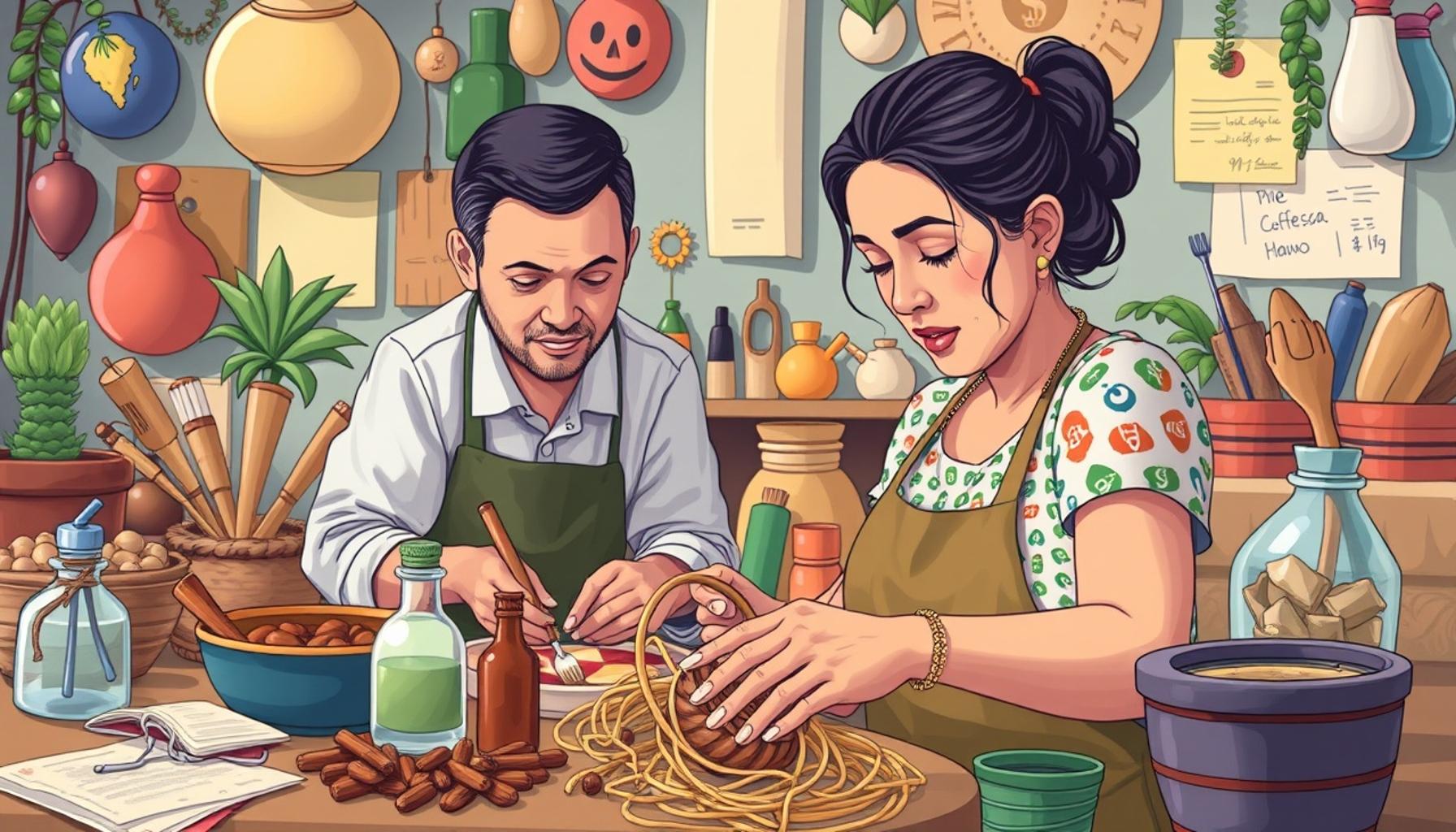
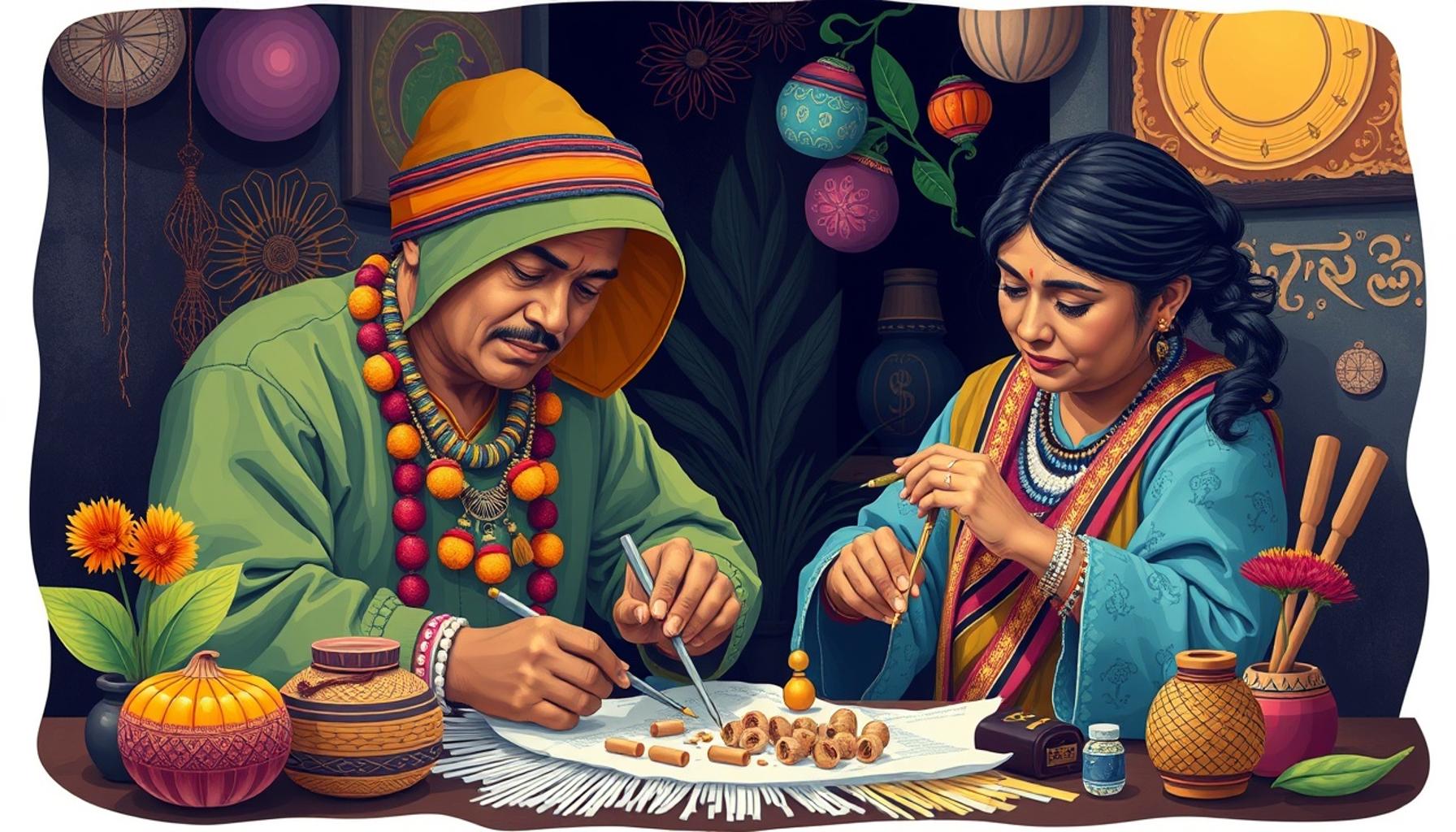
Throughout history, indigenous cultures have made invaluable contributions to what many recognize as the foundation of contemporary craft art. From vibrant storytelling to intricate craftsmanship, these cultures have embedded their unique narratives and rich traditions into the very fabric of modern artistic expression. As a result, there exists a fascinating symbiosis between the ancient and the modern, creating a dynamic dialogue that not only enriches artistic practices but also fosters deeper connections among communities, encouraging cultural understanding and appreciation.
A Diverse Heritage
At the heart of indigenous art lies a blend of unique characteristics that set it apart from more mainstream artistic endeavors. These features can be distilled into three main components:
- Symbolism: Indigenous art is often imbued with profound meanings, making each piece a vessel for history and stories. For instance, the use of specific colors or patterns may symbolize natural elements, spiritual beliefs, or lineage, conveying messages that resonate deeply within the community. The Inuit, for example, often incorporate motifs of animals that represent survival and resilience.
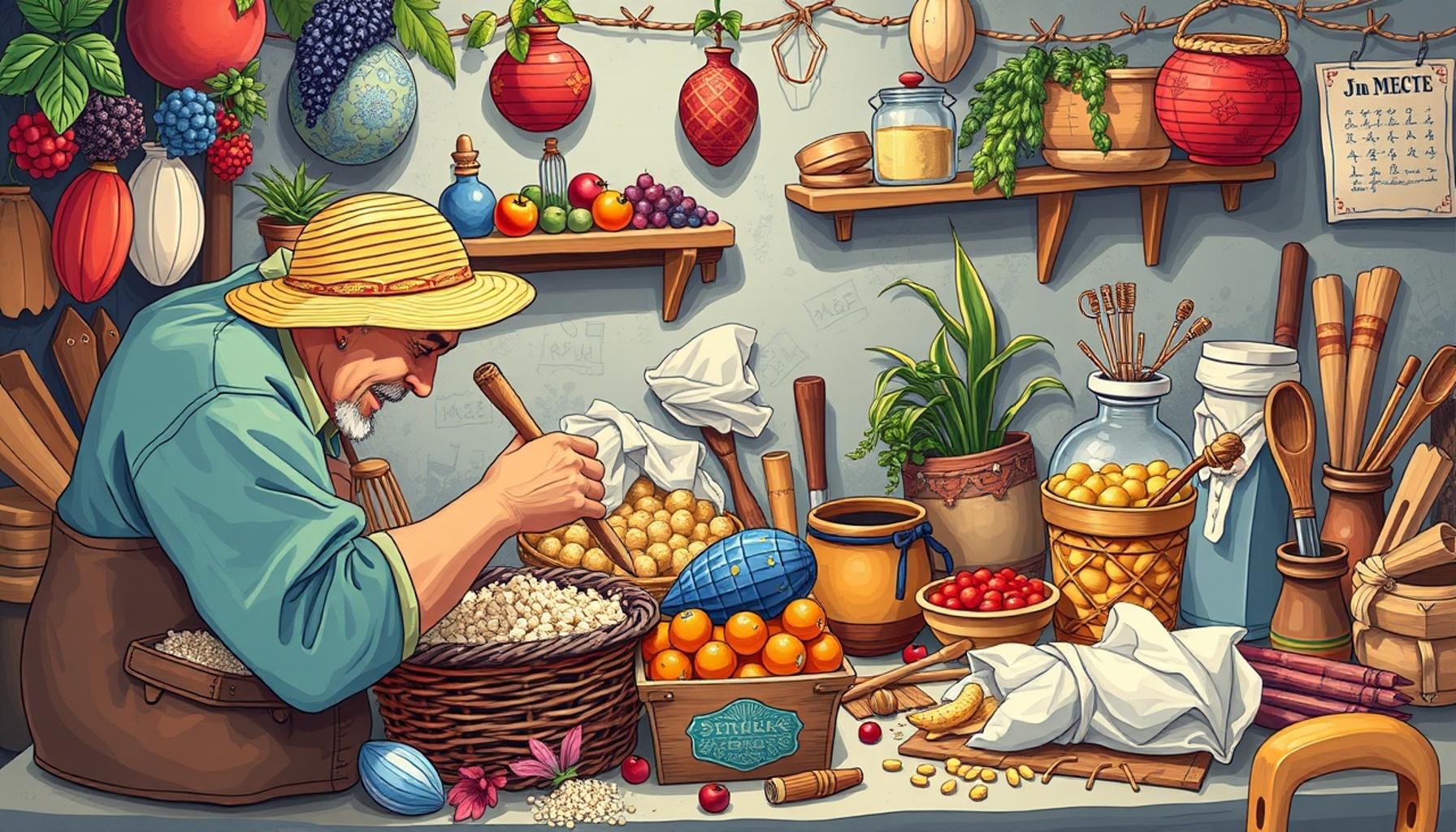
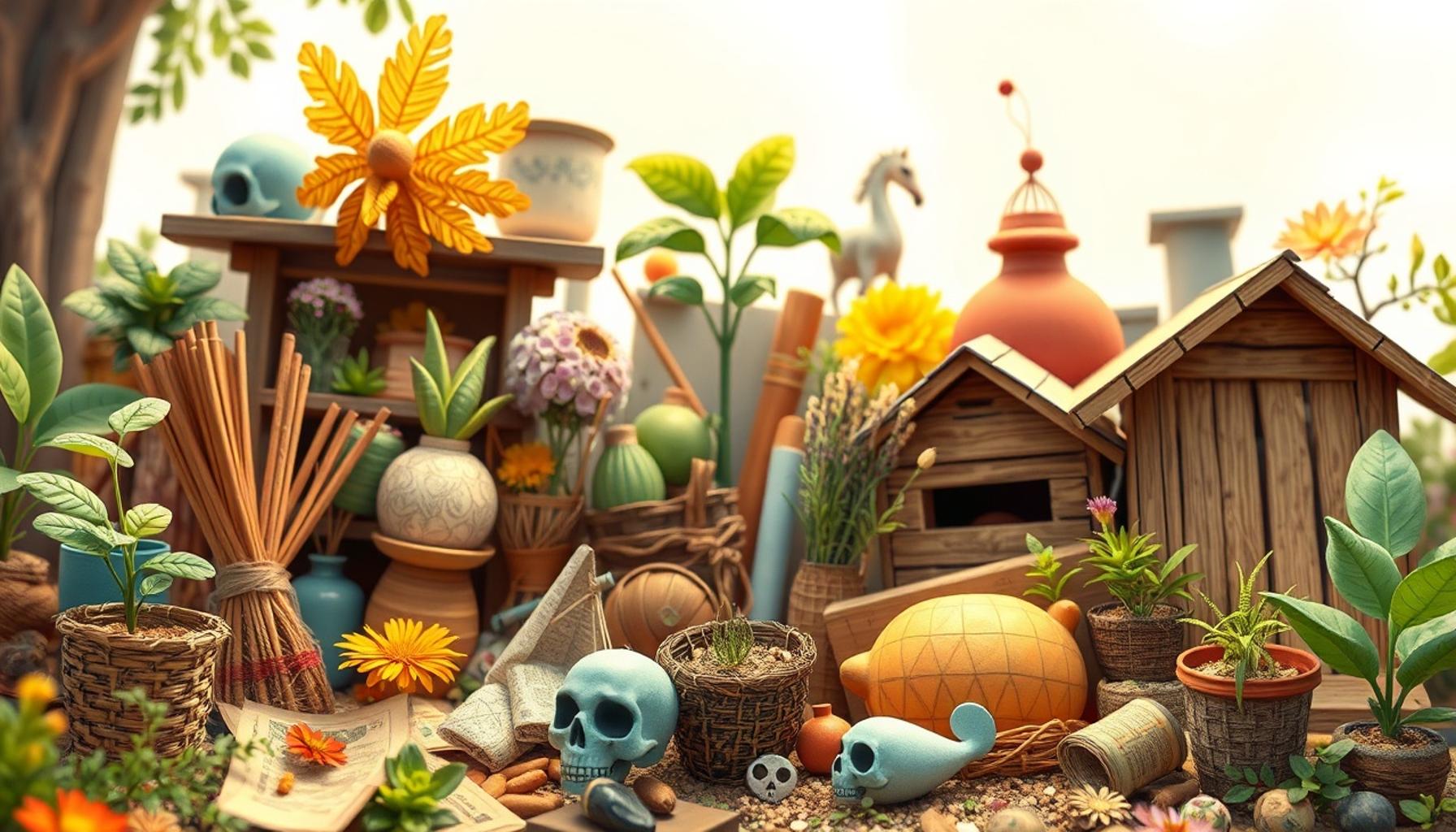
- Materials: Traditional techniques frequently utilize natural resources like clay, wood, and textiles, reflecting a harmonious relationship with the environment. In the American Southwest, Pueblo potters create stunning ceramics using age-old methods, often with locally sourced clay and natural pigments, preserving techniques passed down through generations.
- Community Involvement: Many indigenous art forms are produced collaboratively, illustrating the collective heritage of the community. This is evident in the art of the Maori, where artists come together to create large-scale works that celebrate their shared identity and history.
The integration of these indigenous roots into contemporary craft art yields a vibrant diversity of artistic expression. For example, numerous contemporary artists draw upon the traditional weaving practices of Native American cultures, infusing modern patterns and textiles with ancestral techniques. This approach honors historical craftsmanship while also making a statement about contemporary living.
Likewise, modern pottery emerges from ancient ceramic forms, where artists experiment with shapes and glazes while honoring the time-honored methods of their forebears. The works of artists like Maria Martinez, known for her black-on-black pottery, serve as a pivotal link between traditional methods and modern influences.
Furthermore, the realm of jewelry showcases the marriage of traditional beadwork and modern design concepts. Pieces that incorporate native symbolism—like the thunderbird or the lotus—are not only visually stunning but also serve as a powerful reminder of identity and heritage.
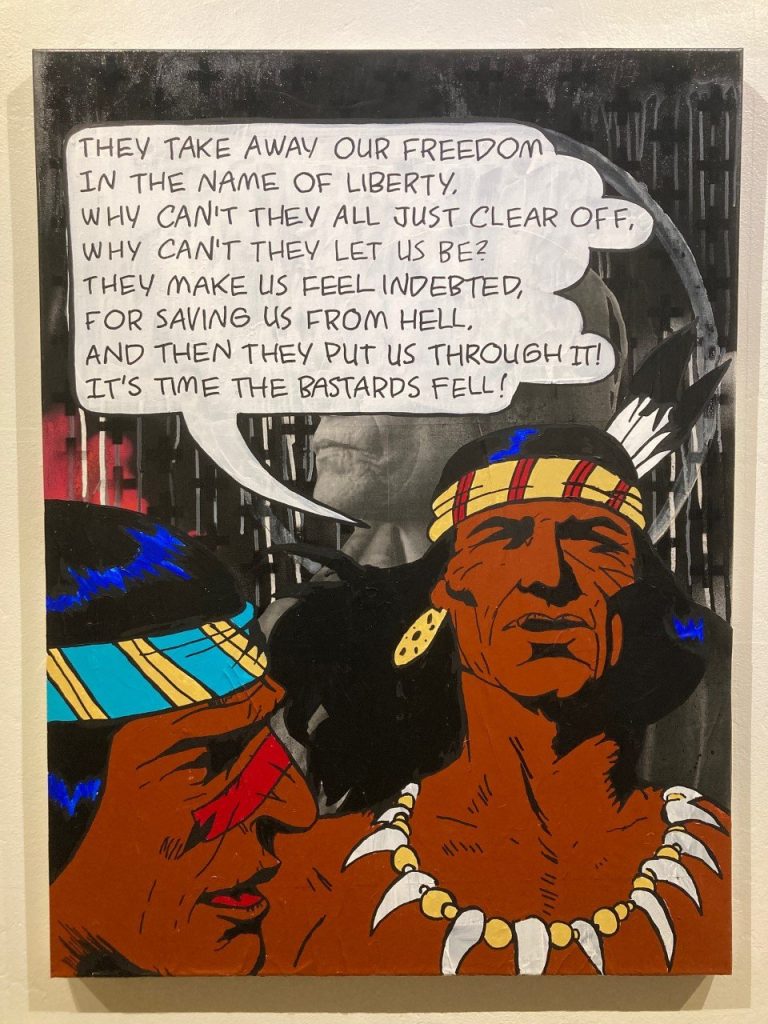
This synergy between indigenous traditions and contemporary styles offers an insightful perspective on artistic evolution, raising critical questions about identity, ownership, and cultural representation in our increasingly globalized art scene. As audiences engage with these artworks, they are invited to explore the complex narratives behind them, enriching their understanding of both historical and modern contexts.
Interweaving Tradition with Modernity
The impact of indigenous cultures on contemporary craft art is undeniably profound, as these communities continue to inspire a new generation of artists and crafters. The revival and appreciation of traditional methods have not only generated a renewed interest in indigenous craftsmanship but have also catalyzed innovative practices that reflect current societal narratives. As these artists navigate between the past and present, they highlight their cultural heritage while addressing contemporary issues such as identity, sustainability, and social justice.
Revitalizing Techniques and Styles
Modern craft artists frequently draw inspiration from indigenous techniques, reinvigorating age-old practices with contemporary aesthetics. This fusion is evident in various crafts, including:
- Textiles: Artists like Miriam L. Uthington creatively integrate traditional textile dying and weaving methods with contemporary designs. In her work, she emphasizes the importance of storytelling through fabric, bridging cultural narratives from indigenous peoples while engaging modern consumers to reflect on their histories.
- Woodworking: Contemporary artisans are also redefining indigenous woodworking techniques. For example, the use of sustainable materials, coupled with traditional carving methods, can be seen in the work of artists like Thomas N. Fletcher, who creates stunning furniture pieces that narrate the connections between land and community.
- Painting and Sculpture: Indigenous artists such as Jaune Quick-to-See Smith blend traditional symbolism with contemporary themes, producing works that confront social issues and celebrate indigenous identity. Her paintings serve as a cultural dialogue, addressing historical narratives while appealing to a wider, modern audience.
This blending of the old and the new is particularly significant in the context of global art movements. As artists increasingly connect through social media and international exhibitions, indigenous art continues to gain visibility, breaking down previous barriers that might have confined it to specific cultural settings.
Moreover, the rise of the eco-conscious movement within contemporary art has coincided with an increased interest in indigenous philosophies regarding environmental stewardship. Many indigenous communities maintain a profound connection to nature, viewing their craft practices as a reflection of this relationship. Modern artists are adopting these principles, emphasizing sustainable materials and methods that promote ecological awareness.
Furthermore, the discussions surrounding cultural appropriation have become increasingly relevant. As contemporary artists fuse indigenous elements into their work, there is a pressing need to navigate this sensitive territory thoughtfully. Engaging with indigenous artists and communities ensures that these practices are not seen as mere aesthetics but are honored as rich histories deserving of respect and recognition.
Through the vibrant exploration of traditional artistry intertwined with modern techniques, the influence of indigenous cultures on contemporary craft art not only preserves these unique traditions but also revitalizes them, ensuring their relevance in our current cultural landscape. As audiences increasingly seek authentic narratives, the fusion of past and present in craft art remains essential in shaping a future that acknowledges and values diverse heritages.
| Cultural Insights | Artistic Techniques |
|---|---|
| Preservation of Heritage | Use of Traditional Materials |
| Through the lens of indigenous cultures, contemporary craft art showcases a vibrant tapestry of stories and traditions, allowing artists to convey their background and beliefs. | Artists adopt ancient techniques like weaving, pottery, and beadwork, incorporating these into modern expressions that resonate today, enhancing the authenticity of contemporary crafts. |
Indigenous cultures profoundly influence contemporary craft art by intertwining historical narratives with modern aesthetics. The craft not only serves as a visual expression but also as a vehicle for cultural storytelling. Many artists are dedicated to preserving their heritage, using art to educate the public about their histories and practices. This cultural revitalization ensures that the knowledge inherent in indigenous art remains alive and thrives in modern contexts.Moreover, the application of traditional materials reflects the sustainable practices of indigenous communities. Artists emphasize organic materials like clay, natural dyes, and locally-sourced fibers, prioritizing environmental consciousness alongside their cultural expressions. Such practices not only highlight the intrinsic value of these materials but also foster a deeper appreciation for eco-friendly art forms, encouraging contemporary makers to rethink their material choices. As a result, this fusion of past and present fosters a rich dialogue about identity, sustainability, and artistry that resonates within the global art community.
Empowerment Through Collaboration and Advocacy
The relationship between indigenous cultures and contemporary craft art extends beyond mere aesthetic influence; it encompasses an essential dialogue and collaboration geared towards empowerment. Trends in contemporary craft art often reveal a commitment to not only highlighting indigenous artistry but also advocating for the rights and visibility of indigenous communities. These collaborations can take various forms and manifest powerful results.
Community Engagement and Artistic Collaborations
Numerous contemporary artists are engaging directly with indigenous communities, fostering relationships that promote knowledge-sharing and mutual respect. For instance, initiatives such as the Northern Plains Indian Artists’ Showcase bring together indigenous artisans and contemporary creators, creating opportunities for collaborative works that reflect shared narratives and cultural heritage. Artists like Maureen H. Lee, who collaborates with indigenous weavers from the Navajo Nation, have produced pieces that merge traditional weaving techniques with modern innovations. These partnerships not only empower indigenous artists by providing platforms for their work but also allow non-indigenous artists to gain deeper insight into the cultural contexts of their practices.
Additionally, art residencies that focus on indigenous practices, such as the Vermont Studio Center, actively nurture artistic growth while promoting cultural heritage. These residencies often incorporate workshops led by indigenous artisans, offering participants valuable training in traditional methods and insights into indigenous worldviews. This environment encourages dialogue and understanding, leading participants to reflect on their own practices in relation to indigenous ways of knowing.
Advocacy and Representation
Another significant aspect of the influence of indigenous cultures on contemporary craft art is the increasing focus on advocacy for indigenous rights and representation. Many practicing artists use their platforms to open discussions around pressing societal issues, including land rights, cultural preservation, and environmental justice. For example, artist n. Scott Momaday, a Pulitzer Prize winner and a member of the Kiowa Nation, uses his literary and artistic talents to advocate for the voices of indigenous peoples. His multifaceted approach highlights the inherent connections between storytelling and art, encouraging contemporary artists to weave social commentary into their work.
Moreover, social media has amplified the voices of indigenous artists, enabling them to connect with broader audiences and challenge misrepresentation. Platforms like Instagram and TikTok serve as tools for education, showcasing the diversity of indigenous cultures while fostering community engagement. Through the hashtag movements like #IndigenousArt and #NativeArtists, artists are reclaiming their narratives and emphasizing the importance of authenticity in representation. This visibility counters stereotypes and allows a more nuanced understanding of contemporary indigenous experiences.
Continuing Evolution of Style and Substance
As indigenous artistry finds its place within contemporary craft movements, styles continue to evolve while retaining a profound connection to cultural roots. The *art of beadwork*, for instance, has transcended traditional decorative purposes to engage with themes of identity, trauma, and resilience among indigenous peoples. Artists such as Sky Hopinka employ modern techniques within their beadwork, creating pieces that resonate with both indigenous identity and contemporary narratives. This dynamic approach inscribes a fresh life into traditional practices, enabling them to address current societal discourse.
Ultimately, the evolution of craft art influenced by indigenous cultures reflects a symbiotic relationship wherein both tradition and modernity resonate through innovative practices while simultaneously fostering cultural advocacy and communal narratives. This ongoing interaction not only preserves indigenous craftsmanship but also enriches the contemporary art scene with diverse perspectives and stories that are pivotal in contemporary discussions on art and culture.
Conclusion
In conclusion, the vibrant interplay between indigenous cultures and contemporary craft art unveils a dynamic tapestry that continues to evolve while honoring rich traditions. This relationship is marked not only by a celebration of indigenous craftsmanship but also by a critical engagement with societal issues that resonate within and beyond their communities. As artists collaborate across cultural boundaries, they create spaces where mutual respect and shared narratives thrive, leading to innovative works that reflect the intricacies of identity, history, and contemporary discourse.
The increasing visibility of indigenous artists through advocacy and social media has further amplified their voices, challenging stereotypes and allowing for authentic representation of diverse indigenous experiences. Movements such as #IndigenousArt empower communities and encourage broader conversations about culture and identity, fostering understanding that is vital in today’s interconnected world.
Moreover, as traditional practices inform modern artistic expressions—whether through techniques like beadwork or storytelling—contemporary craft art becomes a powerful medium for addressing current issues of resilience and cultural preservation. This transformative process not only enriches the art scene but also invites viewers to engage in a deeper understanding of the complexities and beauty inherent in indigenous cultures.
As we continue to explore the profound influence of indigenous cultures on contemporary craft art, it is crucial to acknowledge their importance in shaping artistic narratives and social dialogues. Embracing these perspectives ultimately enhances our collective appreciation of art, culture, and community, illuminating paths for future collaboration and cultural exchange.