Performing Arts and Inclusion: How Diversity Enriches Artistic Creation
The Intersection of Arts and Diversity
The world of performing arts is a vibrant tapestry where diversity plays a crucial role, weaving rich narratives that reflect the multitude of human experiences. Artists from various backgrounds infuse their unique perspectives into their performances, resulting in art that is not only compelling but also deeply resonant with audiences. Driving this point home, one can observe that the impact of inclusion in the artistic realm extends well beyond the stage, influencing societal attitudes and fostering community connections.
Theater: Redefining Norms
In the realm of theater, productions like “Hamilton” have dramatically redefined casting norms by utilizing a diverse cast to portray historical figures. This groundbreaking musical uses hip-hop, R&B, and traditional show tunes to tell the story of America’s founding through the lens of people of color, challenging audiences to rethink who gets to tell these significant stories. The impact is profound; “Hamilton” not only won multiple Tony Awards but also reignited discussions on representation and access in the performing arts, prompting theaters nationwide to consider how they cast their productions.
Dance: Celebrating Cultural Heritage
Similarly, in the world of dance, institutions like the Alvin Ailey American Dance Theater are dedicated to showcasing the richness and complexities of African American culture through performance. Founded in 1958, Ailey’s mission is to bring African American contributions to the concert dance scene to the forefront, mixing modern, ballet, and jazz. Works like “Revelations” highlight the African American experience through movement and music, illustrating how dance serves as a powerful medium of storytelling.
Music: An Eclectic Fusion
In the music industry, diverse representation leads to a fertile ground for innovation. Genres such as pop, hip-hop, and rock have increasingly blended together, creating fresh sounds that captivate broad audiences. Artists like H.E.R. and Lin-Manuel Miranda are excellent examples of how this cross-genre collaboration manifests in trailblazing work. H.E.R., who identifies with her Filipino and African American heritage, brings a unique blend of R&B and soul, while Miranda’s “Hamilton” exemplifies a fusion of hip-hop and traditional musical theater.
This embrace of inclusivity not only enriches artistic expression but also creates essential spaces for dialogue about critical social issues. Performance art often holds up a mirror to society, allowing audiences to confront uncomfortable realities while celebrating diversity. As the artistic landscape evolves, it remains imperative that we continue to foster inclusion, ensuring that voices from all backgrounds are heard and represented in the cultural narrative.
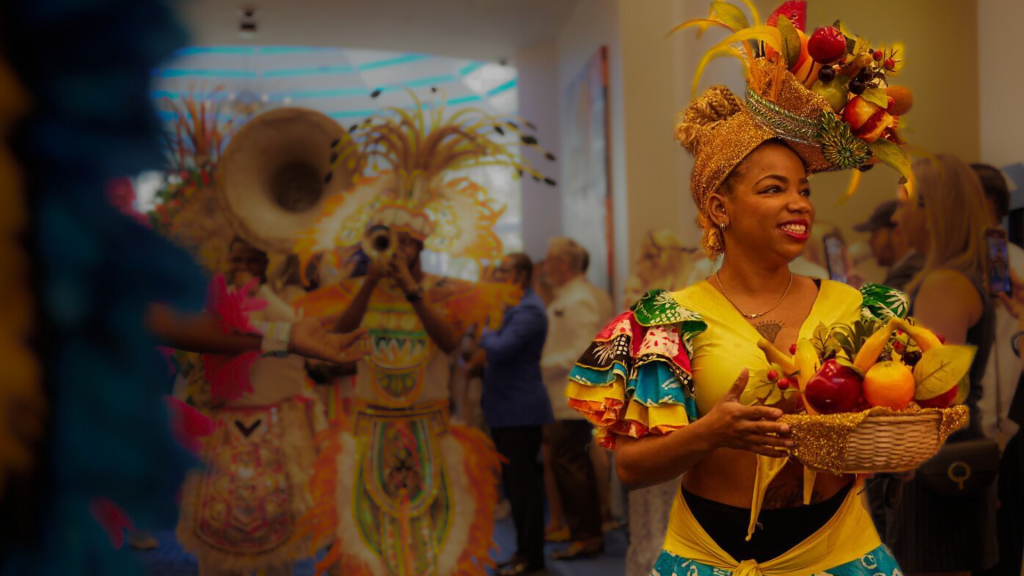
With each new artistic endeavor, the performing arts advance the dialogue around diversity, positioning itself as a transformative force in America. The journey of understanding and promoting inclusion is ongoing, with the potential to fundamentally alter the future of creativity and cultural expression in the United States.
The Transformative Power of Inclusive Storytelling
As the conversation around inclusion continues to evolve across the performing arts, it is essential to understand how diverse storytelling can fundamentally transform the landscape of creativity. The portrayal of varied identities and experiences enriches narratives, fostering a deeper emotional connection between the performers and their audiences. When artists from diverse backgrounds share their stories, they offer new insights that challenge conventional norms and expand the boundaries of artistic expression.
Broadening Perspectives Through Collaboration
The collaborative nature of the performing arts allows for myriad voices to come together, creating a rich tapestry of perspectives. Artists engaged in interdisciplinary projects frequently draw from their unique cultural experiences, ultimately compelling audiences to engage with themes that may previously have seemed foreign. For example, multicultural collaborations in theater and dance have birthed innovative productions that reflect the fluidity of identity in contemporary society.
This intermingling of styles and stories prompts several key benefits:
- Enhanced Creativity: Diverse artists challenge one another’s preconceptions, inspiring imaginative solutions that push creative boundaries.
- Broadened Audiences: Productions that reflect a variety of cultural narratives resonate with wider demographics, thus expanding the reach of the arts.
- Social Relevance: With important issues such as racial equity, gender identity, and accessibility brought to the forefront, inclusive storytelling encourages vital discussions and community engagement.
Representation Matters: A Case Study
One of the most notable examples of inclusive storytelling is found in the success of the musical “Dear Evan Hansen.” This production not only tackles the poignant subject of mental health but does so through a diverse cast that brings authenticity to its portrayal of adolescent struggles. The representation of various backgrounds on stage resonates with young audiences, many of whom find solace in seeing their own experiences reflected back at them. In this way, the arts serve as a form of validation, validating the multitude of experiences that define the human condition.
The impact of such representation extends beyond the theater, prompting educational institutions, community organizations, and even policy makers to rethink how they address issues of diversity and inclusion. Artistic expression becomes a catalyst for change, encouraging reforms that prioritize equitable access to the arts and the celebration of diverse voices.
As we witness the ongoing evolution of the performing arts, it becomes increasingly clear that fostering inclusivity is not merely an option but a necessity. The urge to connect, create, and celebrate different cultures, histories, and narratives drives artistic innovation, paving the way for future generations of artists to express themselves authentically and powerfully.
Performing Arts and Inclusion: How Diversity Enriches Artistic Creation
The performing arts serve as a powerful medium for storytelling and cultural expression. When diversity is woven into the fabric of artistic creation, it not only enriches the narratives told but also fosters an environment of inclusion and understanding. By amplifying voices from various backgrounds, we open the door to a wealth of methodologies, themes, and perspectives that enhance the overall impact of a performance.
Incorporating diverse artists and creators leads to the exploration of a wider range of human experiences. This diversity translates into innovative plots, complex characters, and authentic cultural representation. As audiences witness this broad spectrum of storytelling, they are invited to reflect on their own beliefs and experiences, promoting empathy and awareness. Furthermore, it encourages artistic collaboration across different genres and disciplines, often resulting in groundbreaking works that challenge societal norms.
However, the integration of inclusion within the performing arts goes beyond mere representation. It actively shapes the creative process, as diverse contributors bring unique insights and approaches to their work. This collaborative environment sparks creativity and leads to transformative experiences for both artists and audiences alike. In essence, as the arts continue to embrace inclusivity and diverse representations, they will not only thrive but also serve as a catalyst for social change.
| Advantages | Key Features |
|---|---|
| Cultural Enrichment | Diverse narratives broaden artistic perspectives. |
| Innovative Collaborations | Cross-disciplinary projects lead to unique creations. |
| Community Engagement | Inclusivity fosters stronger connections with diverse audiences. |
| Empathy and Understanding | Diverse stories help audiences relate to various experiences. |
In conclusion, the evolving landscape of the performing arts is a vibrant tapestry colored by the voices of many. By embracing diversity, the industry not only enhances its creative potential but also paves the way for a more inclusive future that resonates with the complexities of our shared human experience.
Empowering Voices Through Accessibility and Engagement
Inclusivity in the performing arts transcends representation; it also encompasses accessibility and engagement initiatives that empower a wide range of voices. By creating spaces where everyone can participate, from performers to audiences, the arts become a fertile ground for innovation. Accessibility extends beyond physical adaptations and includes efforts to ensure that people of all backgrounds can access and appreciate the richness of artistic expressions.
Redefining Accessibility in the Arts
Traditionally, accessibility in the performing arts has involved physical accommodations for individuals with disabilities, but the concept has evolved to include broader interpretations, such as economic, cultural, and cognitive accessibility. Organizations like the National Endowment for the Arts have spearheaded initiatives that aim to reduce barriers faced by marginalized communities. For instance, programs that provide subsidized tickets or free performances for low-income families have proven vital in fostering inclusivity in cultural participation.
Additionally, innovative technology has played a pivotal role in making performances more accessible to diverse audiences. Live captioning, sign language interpreters, and audio description enhance the experience for individuals with hearing and visual impairments. The incorporation of augmented reality (AR) and virtual reality (VR) in performances also allows the arts to reach new audiences while breaking down socio-economic barriers. Such efforts are crucial in ensuring that no one is excluded from the arts based on their circumstances or identity.
Community Engagement and Local Storytelling
Performance art organizations are increasingly looking toward community engagement as a cornerstone of their missions. By engaging local communities in the creative process, art becomes more relatable and meaningful. Programs like The Moth, which focuses on storytelling, invite everyday people to share their experiences on stage, reflecting the diverse narratives that populate various communities across the United States.
Furthermore, partnerships between local arts organizations and community groups can help amplify underrepresented voices. For instance, collaborations like the Sankofa Theatre in Washington, D.C. celebrate African American history and culture, inviting artists from those backgrounds to shape the narrative of their own experiences. This approach not only enriches the content of performances but also fosters a sense of belonging and identity for both performers and audience members alike.
Fostering Youth Creativity and Future Leaders
The future of the performing arts hinges on the cultivation of diverse voices, and there is a growing emphasis on nurturing young artists from all backgrounds. Arts education programs that prioritize inclusivity, such as those offered by the Young Arts Foundation, empower young individuals from underrepresented communities to explore their creative potential. These programs often emphasize collaboration, self-expression, and storytelling, instilling a sense of agency in young artists.
In this context, diversity is no longer a buzzword; it becomes an essential ingredient in shaping the next generation of artistic leaders. As we observe young performers stepping into the limelight, bringing their myriad experiences and stories to the forefront, it is evident that the performing arts landscape is not only diversifying but also evolving into a more vibrant and dynamic space for expression.
Conclusion: The Transformative Power of Inclusive Artistic Expression
The journey towards inclusivity in the performing arts is not merely about representation; it is about fostering a creative ecosystem where diverse voices and narratives coexist and thrive. By embracing diversity as a foundational principle, we unlock a treasure trove of artistic potential that enriches our cultural landscapes. The impact of inclusive practices permeates every aspect of performances, from storytelling to audience engagement, breathing new life into traditional forms and inspiring innovative approaches.
As we have explored, initiatives that prioritize accessibility pave the way for broader participation, ensuring that all individuals, regardless of their background, can engage with and contribute to the arts. Local storytelling programs not only honor community voices but also highlight the unique experiences that shape our collective identity. The role of technology further enhances this inclusivity, making the performing arts more approachable and resonant for audiences who may have been marginalized or overlooked.
The development of future leaders in the arts hinges on cultivating an environment where all young artists feel seen and valued. By investing in inclusive arts education, we empower a generation to express their diverse experiences, ultimately enriching our cultural dialogue. As the performing arts continue to evolve, it is essential to acknowledge that diversity is not an end goal but an ongoing journey, one that requires constant reflection and adaptation.
In embracing inclusion, we not only create a vibrant artistic community but also challenge societal norms and envision a world where every voice can be heard. As we look to the future, let us remain committed to dismantling barriers and celebrating the myriad stories that define our cultural tapestry. The transformative power of inclusive artistic expression holds the promise of a richer, more harmonious society—one that values the contributions of every individual.