Exploring the Intersection of Craft and Technology: 3D Printing and the Future of Artistic Trades
Revolutionizing Artistic Production
The ongoing convergence of craft and technology is not merely a trend; it is a fundamental shift that is redefining the very essence of art. Central to this transformation is 3D printing, an advanced technology that offers innovative ways for artists and artisans to create and express themselves. This method empowers creative minds by providing new tools that not only enhance their ability to produce unique works but also challenge and expand traditional artistic paradigms.
The increasing accessibility of high-quality 3D printers is a game-changer. In the past, sophisticated printing technology was mostly limited to large industries due to its high cost. However, current advancements have led to a decrease in prices, enabling artists from diverse backgrounds—including students, hobbyists, and established professionals—to explore this medium. For instance, numerous art schools across the United States now incorporate 3D printing technology into their curricula, allowing students to experiment with the creation of complex sculptures and prototype designs that were once out of reach.
Beyond accessibility, one of the most captivating features of 3D printing is customization. This technology allows artists to craft bespoke pieces tailored specifically to individual tastes and preferences. A notable example can be found in the jewelry industry, where designers are now able to create intricate, personalized rings or necklaces that reflect a client’s unique identity. This shift blurs the lines between personal and commercial art, enabling artists to engage directly with their audiences and foster deeper connections through customized creations.
Moreover, the sustainability aspect of 3D printing highlights another positive facet for environmentally conscious creators. Many new printers allow the use of eco-friendly materials, such as biodegradable plastics or recycled substances, reducing the overall ecological footprint of art production. For instance, artists leveraging plant-based filaments can create stunning art installations that resonate with the theme of environmental stewardship while also making a statement about sustainability in contemporary arts.
The impact of 3D printing on the artistic community does not only lie in the technical enhancements; it also provokes deeper inquiries into the concept of creativity itself. As artists embrace these new tools, they are called to reexamine traditional notions of authorship and originality. In a world where machines can replicate and innovate at lightning speed, the question becomes: What does it truly mean to be creative?
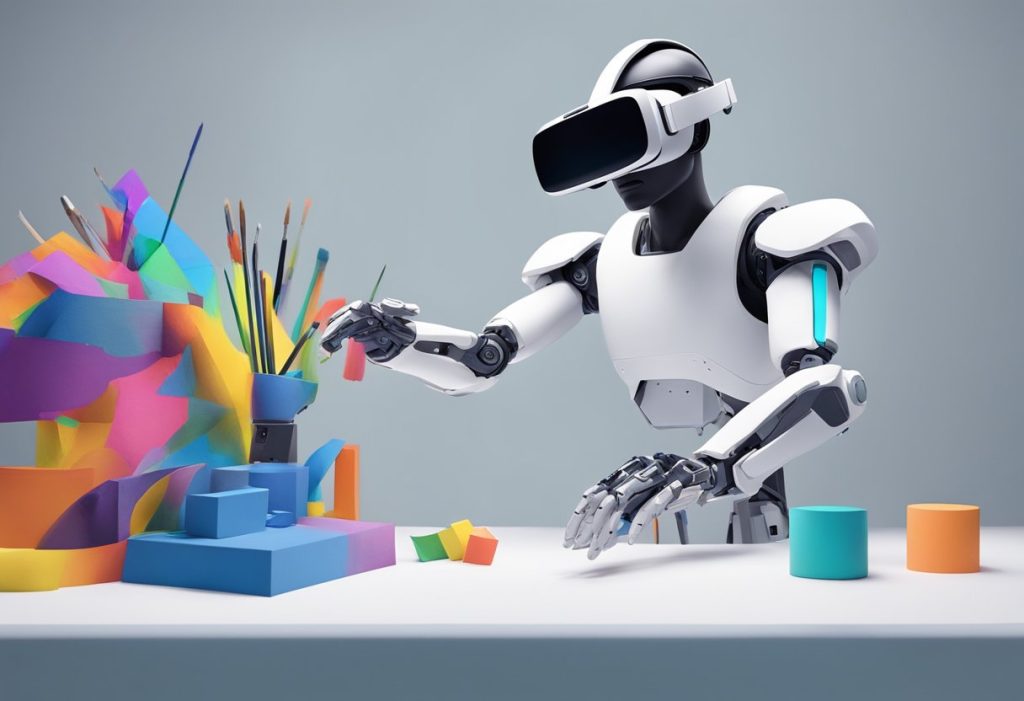
As we explore the myriad implications of 3D printing in the following sections, we will uncover its transformative influence on art, showcasing not only its potential to revolutionize creative practices but also the conversations it incites regarding the future of artistry in an increasingly technology-driven world. This intersection of art and technology promises to unveil exciting possibilities, making it essential for anyone with a passion for art to stay informed and engaged.
Innovative Expressions: The Artists’ New Canvas
The integration of 3D printing within the artistic trades has not only ushered in a technological evolution but has also expanded the ways in which artists conceptualize their works. The traditional tools of paint, clay, and canvas are now joined by digital design software and machines capable of translating virtual creations into tangible realities. This shift challenges the status quo of craftsmanship and encourages artists to think outside conventional boundaries.
One of the most intriguing aspects of this technological integration is collaborative creativity. Artists are increasingly forming interdisciplinary alliances with engineers, designers, and even computer scientists to push the limits of what is possible. These collaborations have led to pioneering projects, like the development of immersive art installations or interactive sculptures that respond to viewer engagement. For instance, a partnership between artists and programmers has birthed dynamic wall structures that alter their appearances based on viewers’ movements or environmental conditions, merging fine art with technology in real-time.
3D printing technologies are also facilitating a surge in artistic exploration across various fields, with applications extending well beyond traditional art. Here are some examples illustrating the diversity and innovation within this intersection:
- Fashion Design: Designers are using 3D printing to create avant-garde garments and accessories that would be almost impossible to produce with traditional methods. This has the potential to revolutionize how fashion is manufactured and consumed.
- Architecture: Architects have begun utilizing 3D printing to fabricate intricate models and even entire structures. This technology allows for rapid prototyping and can lead to environmentally sustainable building practices.
- Healthcare: Artists are collaborating with medical professionals to develop custom prosthetics and bioprint artistic implants, blending utility with aesthetic consideration.
Furthermore, the democratization of this technology has empowered amateur creators to enter the artistic landscape. Platforms that provide access to 3D modeling software and printing services are sprouting like wildflowers, allowing aspiring artists to experiment without the need for massive investments in equipment. A great example is the use of services like Shapeways, where users can upload their designs and receive fully realized products in a matter of days.
As artists adapt to these emerging technologies, they are not only enhancing their practices but also encountering challenges that stir broader discussions about the future of artistry. Questions arise regarding intellectual property and copyright, particularly when 3D printed works become both reproducible and widely accessible. What does this mean for ownership of artistic concepts, especially as digital files can now be shared and replicated online? Moreover, the definition of what constitutes an “artist” is being reexamined as technological tools redefine the creative process.
In the quest to navigate these complexities, artists are poised to become both creators and critical thinkers—fostering dialogues around authenticity, the role of technology in artistic practice, and the space in which art can flourish. In doing so, they are not only embracing the capabilities of 3D printing but are also forging a path toward a richer, more inclusive future for the artistic trades.
| Advantages | Implications for Artistic Trades |
|---|---|
| Customization | 3D printing allows artists to create highly customized works that reflect personal styles and client preferences. |
| Accessibility | Technology democratizes art creation, enabling more individuals to produce artistic pieces. |
| Rapid Prototyping | Artists can quickly iterate on designs, testing concepts without the resource intensity of traditional methods. |
| Innovative Materials | 3D printing expands the horizons of material usage, incorporating biodegradable plastics and metals. |
As the landscape of artistic trades continues to evolve, the integration of craft and technology through 3D printing becomes increasingly pivotal. Artists now have the ability to harness highly customizable designs, allowing their creations to truly represent their vision or the specific needs of their clients. By making the creation of personalized art more accessible, 3D printing empowers a broader range of individuals to engage in artistic pursuits that were once limited to skilled artisans.Moreover, the practice of rapid prototyping through this technology provides artists with the advantage to swiftly iterate on their designs. With minimal resource expenditure, they can explore various concepts, facilitating a more dynamic creative process. Alongside this, the advent of innovative materials utilized in 3D printing—such as biodegradable plastics and advanced metals—enables artists to push the boundaries of what is possible in their creations.This fusion of craft and technology signals not only a shift in artistic processes but also invites ongoing dialogue about sustainability, accessibility, and innovation in the artistic realm. The future of artistic trades shines brightly with the promise offered by 3D printing technology, beckoning artists to explore uncharted territories in their craft.
The Ethical Frontier: Navigating New Challenges in Artistry
As the artistic community embraces 3D printing and digital technologies, it must also contend with an evolving landscape of ethical considerations that come with these advancements. From plagiarism concerns to the commodification of art, artists are grappling with new dilemmas that challenge their creative integrity. As concerns over intellectual property rise, a significant question emerges: how do we protect artists’ rights in a digital age where creations can be easily copied and disseminated?
For instance, the ease of access to 3D modeling software means that aspiring artists can now replicate complex designs with minimal skill. While democratizing creativity allows for greater participation in the arts, it also raises the stakes for serious artists attempting to maintain uniqueness in a crowded marketplace. Additionally, the proliferation of 3D printing technology introduces issues surrounding the protection of individual artistic styles and designs. In this context, many creators are exploring tools such as blockchain to guarantee authenticity and transparency in ownership.
Moreover, as artists increasingly utilize materials that blend art and technology, the environmental implications of 3D printing warrant examination. Traditional methods of artistic production often generate waste and utilize nonrenewable resources, yet 3D printing can adopt more sustainable practices. Artists are exploring biodegradable filaments and recycling efforts to minimize their environmental footprint, but the question remains: can the art industry manage to balance technological advancement with ecological responsibility?
Another intriguing dimension of this intersection is the potential for 3D printing to transcend the physical boundaries of art altogether. Augmented reality (AR) experiences are being integrated with 3D printed art, offering spectators a multidimensional encounter that was previously unimaginable. Consider artists who combine 3D-printed sculptures with AR to create immersive experiences, allowing viewers to interact with digital layers that overlay physical works. This merging of art forms not only pushes the envelope on traditional definitions of artistry but also opens the door to public engagement on a deeper level.
- Public Installations: Artists are utilizing considerable 3D printing advancements to create large-scale public installations that not only beautify urban environments but also invite community interaction.
- Art Education: Educational institutions are incorporating 3D printing into curricula, teaching young artists to think digitally while retaining a focus on traditional artistic skills. This balance equips the next generation of creators with the tools to navigate both realms.
- Art Therapy: Therapists are employing 3D printing in art therapy settings, allowing individuals to express emotions and ideas through hands-on, tactile creation, demonstrating the technology’s potential to catalyze healing and self-discovery.
As artists continue to innovate and adapt in this ever-evolving landscape, they are not simply merging craft with technology; they are also redefining the very essence of what it means to create. Whether delving into the ethical implications of their work or embracing new forms of expression, artists stand at the forefront of a vibrant dialogue that is shaping the future of artistic trades. The relationship between artistry and technology is neither black nor white; rather, it exists within a complex spectrum of opportunities and challenges waiting to be explored.
Concluding Thoughts: The Future of Art in the Digital Age
The intersection of craft and technology, particularly through 3D printing, undeniably reshapes the landscape of artistic trades, forging new paths for creators while posing intricate challenges. As artists adopt advanced digital tools, they expand the horizons of creativity, merging traditional techniques with innovative methods that deepen engagement and interaction with their audiences. From creating stunning public installations to exploring art therapy via tactile manipulation, the potential applications of 3D printing are vast and transformative.
However, with innovation comes a series of ethical dilemmas that artists must navigate. The conversations surrounding intellectual property, authenticity, and environmental sustainability illustrate the complexity of this new era. Artists are tasked with not only preserving their unique identities but also redefining the very essence of artistry in a world increasingly influenced by technology. As they explore solutions such as blockchain for authenticity and biodegradable materials for ecological conscientiousness, artists serve as both creators and advocates for a more sustainable future.
Ultimately, the future of artistic trades in the context of 3D printing is not just about technological progression but also about fostering a broader dialogue among creators, audiences, and industries alike. By embracing the complexities of this intersection, the art community can cultivate an environment rich with opportunities for exploration, collaboration, and innovation. As we continue to witness this evolution, one thing is clear: the ongoing dialogue between craft and technology will continue to play a pivotal role in shaping the landscape of modern artistry, inviting us all to engage in this exciting and ever-changing journey.