How Performing Arts Can Foster Creativity in Children and Adolescents
Unleashing Potential Through the Stage
The performing arts offer a vibrant canvas for children and adolescents, inviting them to explore their imaginations and express themselves freely. Engaging in activities such as theater, dance, and music can significantly enhance their creative capabilities. But how exactly do these art forms stimulate creativity?
- Self-Expression: Performing arts encourage individuals to communicate their thoughts and feelings authentically. By participating in drama classes or dance recitals, children learn to convey emotions, whether through heartfelt monologues or expressive movements. This form of self-expression helps them articulate their inner worlds, making them more aware of their emotional landscape.
- Collaboration: Group performances foster teamwork, teaching young people how to work harmoniously with others. In a school musical, for instance, students must coordinate with peers, combine individual talents, and create a cohesive production. This collaboration nurtures social skills as they learn to respect differing opinions and leverage each member’s strengths.
- Critical Thinking: Crafting a performance involves problem-solving skills, from scriptwriting to stage direction. For example, young playwrights learn to develop characters and plots, which forces them to think critically about narrative structures and audience engagement. This intellectual flexibility is vital in both artistic and academic contexts.
Research indicates that children involved in performing arts develop a unique set of skills beneficial for personal and academic growth. They experience heightened emotional intelligence, improved social skills, and enhanced cognitive functions. Moreover, studies reveal a positive correlation between arts education and increased academic performance. According to a report by the Arts Education Partnership, students involved in the arts are more likely to succeed academically and socially, showing a 20% increase in overall engagement compared to their peers.
- Boosting Confidence: Performing in front of an audience helps children overcome self-doubt. Whether it’s a first recital or a leading role in a play, the adrenaline of live performance creates an empowering experience. Actors often describe a rush of exhilaration, leading to greater self-belief in their capabilities.
- Fostering Resilience: Facing challenges in rehearsals teaches persistence and adaptability. Missteps during practice can be frustrating, yet they offer priceless lessons in bouncing back and improving. This resilience translates to other life areas—schoolwork, sports, and friendships.
- Encouraging Innovation: Improv exercises spark spontaneous thinking, essential for creative development. For instance, workshops that focus on improvisational comedy push students to think on their feet, promoting creativity in unexpected ways that can enhance problem-solving skills outside the arts.
In a world that increasingly values creativity, the performing arts stand out as a crucial avenue for holistic development in young minds. As schools and communities across the United States continue to invest in these programs, the exploration into their positive impact reveals a pathway not just for artistic expression, but also for nurturing leaders of tomorrow. The lessons learned through performing arts—confidence, teamwork, and innovation—will undoubtedly shape future generations, preparing them for a vibrant future in an ever-evolving world.
Powerful Pathways to Creativity
The impact of performing arts on creativity goes far beyond mere entertainment; it cultivates a fertile environment for children and adolescents to thrive creatively. By immersing themselves in various forms of performance—from singing and acting to dancing and playing instruments—young individuals embark on a journey that fosters imaginative thinking and innovation. Central to this developmental process are several facets of engagement that the performing arts uniquely provide.
- Enhanced Communication Skills: Participating in the performing arts demands effective communication, both verbal and nonverbal. Young performers learn to articulate their thoughts, feelings, and ideas clearly, honing their speaking abilities while also developing an understanding of body language and facial expressions. This amplified communication proficiency can lead to improved interactions in academic settings, enhancing their capacity to share ideas in classroom discussions and collaborative projects.
- Exploration of Identity: The performing arts serve as a safe space for children and adolescents to investigate their identities. Through character exploration in theater or expressing emotions through dance, young performers gain confidence in who they are and what they believe. This exploration is critical during formative years, as it encourages self-awareness and acceptance, enabling them to bring unique perspectives to any creative endeavor.
- Immersion in Culture: The performing arts provide valuable opportunities to engage with diverse cultures and perspectives. By learning about traditional dances, regional theater, or various music styles, young artists expand their worldview and foster empathy. This cultural immersion can enhance their artistic expression and inspire innovative ideas, as they pull from a rich tapestry of influences while creating their own work.
Moreover, involvement in performing arts can significantly alter brain function and cognition. Studies have shown that when engaging in arts education, children exhibit higher levels of brain activity and increased neural connectivity, which are essential for cognitive development. A report from the National Endowment for the Arts reveals that arts participation correlates with improved critical thinking skills, improved memory, and increased mental resilience, all of which contribute to overall creativity.
- Cross-Disciplinary Benefits: Skills acquired through performing arts translate well across various academic disciplines. For instance, the discipline required in rehearsing for a play mirrors the focus needed to excel in mathematics or science. As students actively participate in performances, they often find themselves applying artistic reasoning to analytical problems, thus reinforcing their academic learning.
- Mindfulness and Emotional Regulation: The concentration required to perform allows young people to engage in mindfulness practices—staying present in the moment and managing anxiety. This focus not only enhances performance quality but also encourages emotional regulation, which is vital for creative thinking. As a result, they learn to channel their energy into productive outlets, leading to innovative thoughts and solutions.
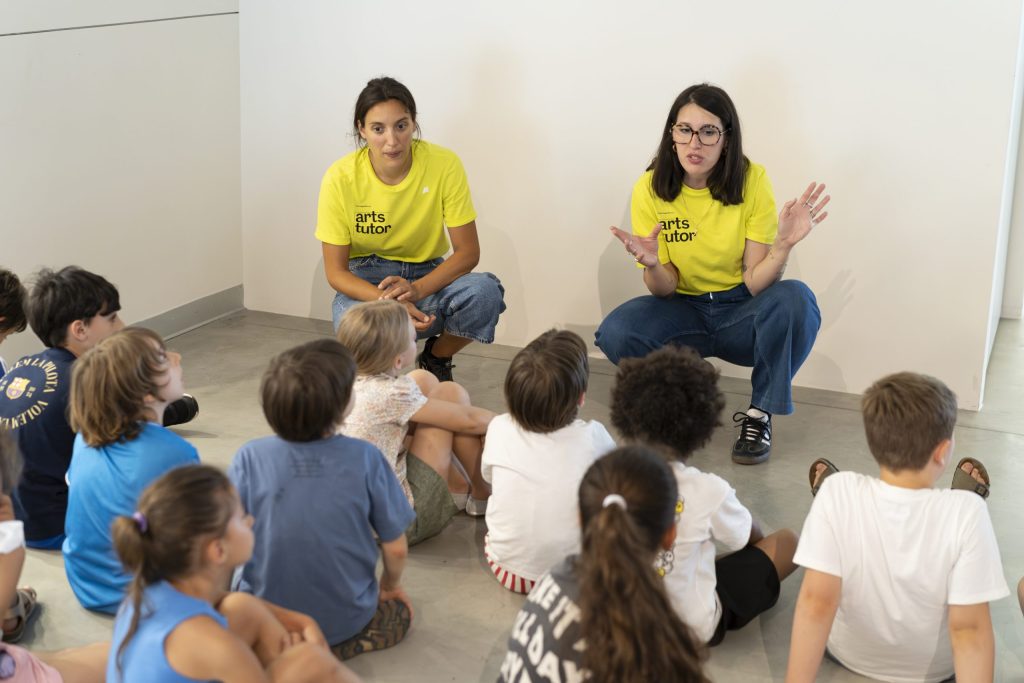
- Inspiration from Mentoring: Involvement in performing arts often brings children and adolescents into contact with experienced mentors, such as drama coaches, dance instructors, or music teachers. These figures can provide guidance that inspires young talents to hone their skills, while also instilling the importance of perseverance and dedication—key elements of the creative process.
The synergy between the performing arts and creativity is undeniable. As children and adolescents embrace these art forms, they equip themselves with invaluable skills that transcend artistic expression and penetrate all areas of life. Investing in programs that promote performing arts in schools and communities paves the way for not just artistic excellence, but also for nurturing the innovative leaders of tomorrow.
Exploring the Impact of Performing Arts on Cognitive Development
One of the crucial aspects of the performing arts is its ability to enhance creativity in children and adolescents. Engaging in activities such as theater, dance, and music can significantly contribute to cognitive development. For instance, studies suggest that children who participate in performing arts programs have improved problem-solving skills and critical thinking abilities. These experiences encourage them to think outside the box and approach challenges from various angles, fostering an innovative mindset that extends beyond artistic expression.Additionally, performing arts cultivate a sense of collaboration among peers. When children work together in drama clubs or dance ensembles, they learn the importance of teamwork and communication. This social interaction is essential for their emotional intelligence, helping them to express themselves clearly and confidently. The ability to collaborate effectively not only applies to the arts but also translates into academic settings and future workplace environments.
Nurturing Emotional Expression Through Performance
Performing arts also allow children and adolescents to explore and communicate their emotions. By embodying different characters or expressing feelings through movement and sound, young individuals can articulate their thoughts and feelings more effectively. This form of emotional expression can lead to greater self-awareness and empathy towards others. Furthermore, the art form provides a safe space for them to navigate their feelings, especially during turbulent developmental phases.Encouraging engagement in the performing arts is not merely about fostering talent; it is about equipping young minds with a versatile set of skills that can enhance their overall personal development. As they learn to express and channel their creativity, they build resilience and adaptability, crucial traits for facing the ever-changing world ahead.
| Advantage | Description |
|---|---|
| Enhanced Cognitive Skills | Participation in performing arts improves problem-solving and critical thinking. |
| Emotional Expression | Allows children to communicate their emotions through various forms of art. |
Recognizing the profound influence of performing arts on youth development highlights its importance in educational curricula and community programs. By encouraging children and adolescents to engage in these creative outlets, we can pave the way for a brighter, more innovative future.
Transformative Experiences Through Performing Arts
Engaging in performing arts can offer transformative experiences that resonate deeply with children’s and adolescents’ emotional and cognitive development. These experiences not only enrich their artistic abilities but significantly fuel their creative spirits, enabling them to approach challenges with an innovative mindset.
- Improved Problem-Solving Skills: The process of creating performances often requires students to think on their feet and adapt to unforeseen circumstances, such as changes in a script or a partner’s performance. This environment fosters problem-solving skills, as performers learn to navigate and resolve issues collaboratively. Such skills are transferable to academic scenarios, where adaptability and creative thinking can enhance learning outcomes.
- Collaboration and Teamwork: Performing arts often take center stage in collaborative environments, teaching young individuals the value of teamwork. Working together in a cast or ensemble allows them to understand different perspectives and appreciate the strengths of their peers. This collaborative spirit encourages a sense of community and camaraderie, essential for creative endeavors that often rely on diverse thought processes.
- Resilience Through Rehearsal: The often rigorous rehearsal process prepares young performers for the realities of public presentations and critiques. This exposure helps cultivate a sense of resilience as they learn to accept feedback and iterate on their work. Research indicates that children who cultivate resilience through arts education are more likely to exhibit higher levels of creativity in other pursuits, as they become comfortable with failure as a part of the learning process.
Moreover, performing arts can significantly enhance emotional intelligence, a crucial component of creative development. By expressing emotions through various mediums, such as theater or dance, children and adolescents become more attuned to their feelings and those of others.
- Empathy Development: Engaging in character work or interpretative performances encourages young performers to step into another’s shoes, fostering a deeper sense of empathy and understanding. This emotional connection lays the groundwork for heightened creativity, as empathetic individuals are more likely to draw inspiration from diverse experiences and emotions when crafting their work.
- Boosting Self-Esteem: The performing arts can also bolster self-esteem, which is instrumental in nurturing creativity. Young people who take to the stage often experience a sense of accomplishment and pride, generating a more positive self-image. This improvement in self-esteem can encourage them to take creative risks, leading to innovative experiences in other areas of their lives.
- Cognitive Flexibility: The spontaneity of live performances requires quick thinking and cognitive flexibility. A performer must often make snap decisions on stage, which fosters a mindset that embraces change and encourages creative exploration. Studies suggest that children who engage in performing arts demonstrate improved cognitive flexibility, ultimately helping them approach challenges from multiple angles.
Furthermore, incorporating performing arts into the educational framework promotes the notion that creativity is not solely tethered to artistic expression but is a vital component of all fields of study. For instance, schools that integrate arts programs report heightened levels of student engagement, leading to improved academic performance across the board. This holistic approach cultivates a generation that not only appreciates the arts but also seeks out innovative solutions in science, technology, engineering, and mathematics (STEM) fields.
By understanding the multitude of ways performing arts nurture creativity, educators and parents can advocate for more inclusive arts programs that empower children and adolescents to harness their artistic potential. Through these transformative experiences, young people can develop resilience, a collaborative spirit, and a rich emotional vocabulary, equipping them with the necessary tools to become the creative thinkers of tomorrow.
Conclusion: The Impact of Performing Arts on Creative Development
In conclusion, the world of performing arts serves as a rich landscape for nurturing creativity in children and adolescents. Through engaging in theater, dance, music, and other artistic expressions, young individuals are given the tools to enhance their emotional intelligence, cultivate resilience, and develop essential problem-solving skills. As they navigate the complexities of live performances, they learn not only to face challenges but also to embrace change and collaborate effectively with peers, enriching their personal and collective experiences.
Moreover, the fostering of empathy through character interpretation and the development of a strong sense of self-esteem through achievement on stage make performing arts an invaluable part of a child’s educational journey. As these young individuals grow and expand their artistic horizons, they carry forward the capabilities they acquire, positively influencing their academic performance and future careers across various fields, including STEM.
It is vital for educators and parents to advocate for the integration of performing arts in educational programs to create an inclusive environment where creativity flourishes. By doing so, we prepare the next generation to not only appreciate the arts but also to thrive as innovative thinkers and problem solvers. As society increasingly values creative approaches to complex issues, the lessons learned through performing arts will undoubtedly contribute to a brighter, more inspired future. Therefore, investing in these programs isn’t just fostering creativity in our youth; it is shaping the very landscape of tomorrow’s minds.