Music and Community: How Participating in Musical Groups Can Enrich Your Creative Experience
The Power of Music in Cultivating Creativity and Community
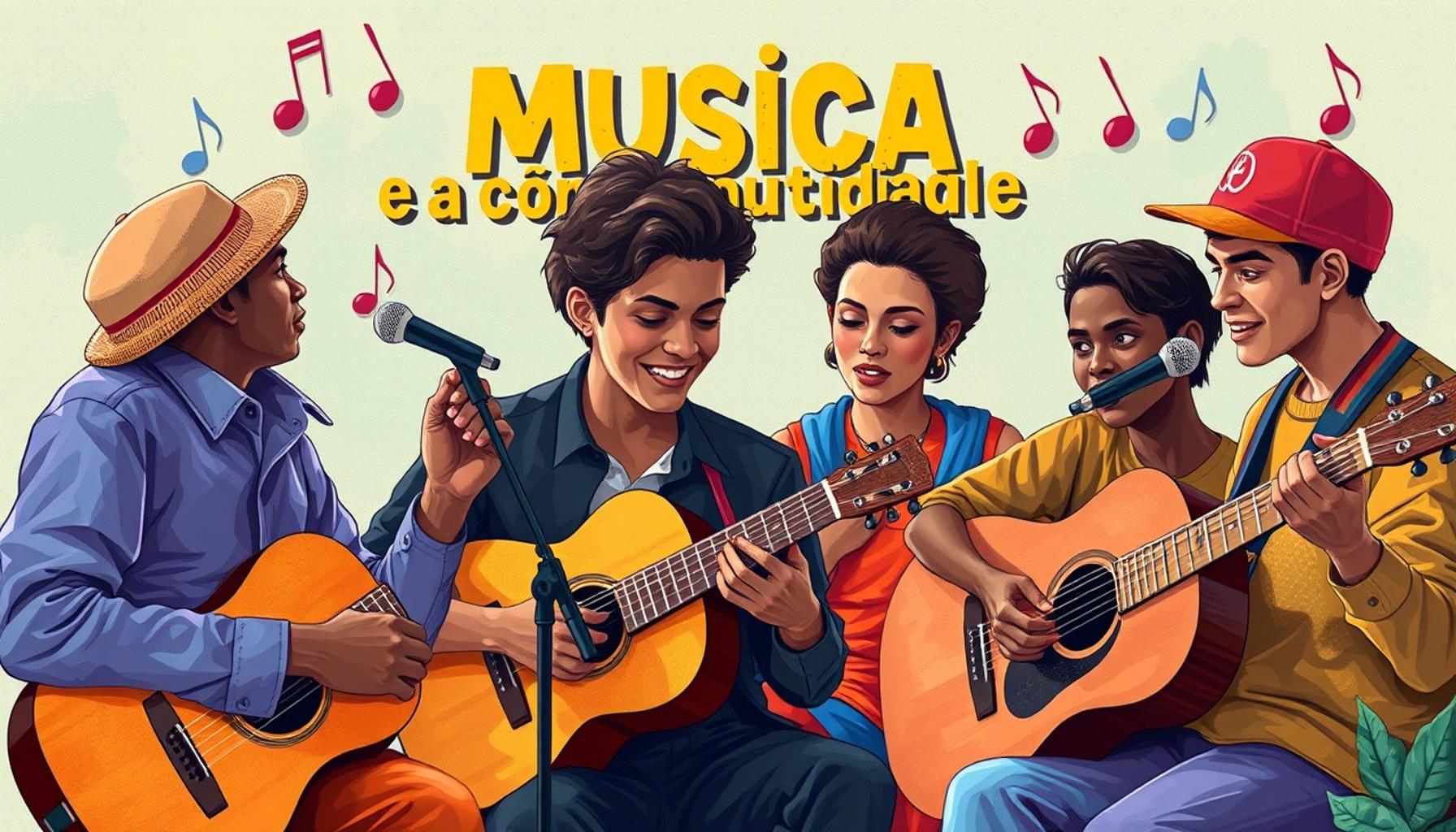
Imagine a vibrant scene where individuals from diverse backgrounds come together, united by a shared passion for music. This dynamic environment is more than just about notes and rhythms; it’s a catalyst for creativity and self-expression. Music has a unique ability to transcend barriers, transform lives, and forge connections among people who might otherwise never meet.
Participating in musical groups offers a wealth of enriching experiences that extend far beyond simply playing an instrument or singing. These activities include:
- Collaboration: Working with others enhances your creative output. Whether in a rock band or a community choir, collaboration fosters unique musical contributions, leading to innovative sounds and arrangements that one might not achieve alone. Musicians engage in active listening, adapt to their peers, and build upon each other’s ideas, creating a rich tapestry of sound that reflects the group’s collective creativity.
- Learning: Exposure to various styles and techniques broadens your musical horizons. Being part of a musical ensemble allows individuals to learn from experienced members and explore genres they might not usually encounter, from jazz to folk music to classical interpretations. This diversity encourages artists to step out of their comfort zones and approach music with fresh perspectives.
- Community Building: Forming connections fosters a sense of belonging and support. Local bands, orchestras, choirs, and jam sessions often develop into tight-knit communities. The shared goal of creating music together cultivates friendships and networks that extend beyond rehearsals and performances, offering emotional and social support.
- Emotional Well-being: Music can be a powerful outlet for emotional expression and healing. Numerous studies have shown that making music as part of a group can significantly reduce stress and anxiety levels. It provides a venue for participants to express themselves, process their feelings, and even find solace in shared experiences.
In the United States, local bands, orchestras, choirs, and communal jam sessions are just a few examples where individuals can join forces. These platforms not only welcome seasoned musicians but also encourage novices to explore their talents. For instance, venues such as community centers often host open mic nights that invite aspiring singers and songwriters to share their work in a supportive environment.
Moreover, research indicates that engaging in group music-making can lead to increased mental health benefits, such as reduced anxiety and improved social skills. One study published in the Journal of Music Therapy found that participants in group drumming showed a significant decrease in stress levels and an increase in feelings of well-being. As we delve deeper into this topic, you’ll discover how participating in musical groups can significantly enrich your creative experience and cultivate a lifelong love for music.
Collaboration: The Heartbeat of Musical Innovation
In the realm of music, collaboration serves as the lifeblood that nourishes creativity. When individuals unite within a musical group, they encounter new avenues for artistic expression that would remain untouched when creating in solitude. The synergy generated from diverse ideas, talents, and interpretations can lead to innovative sounds and styles, enriching the overall musical experience. Collaboration encourages musicians to step outside their individual comfort zones, freeing them to take artistic risks that may result in groundbreaking compositions or arrangements.
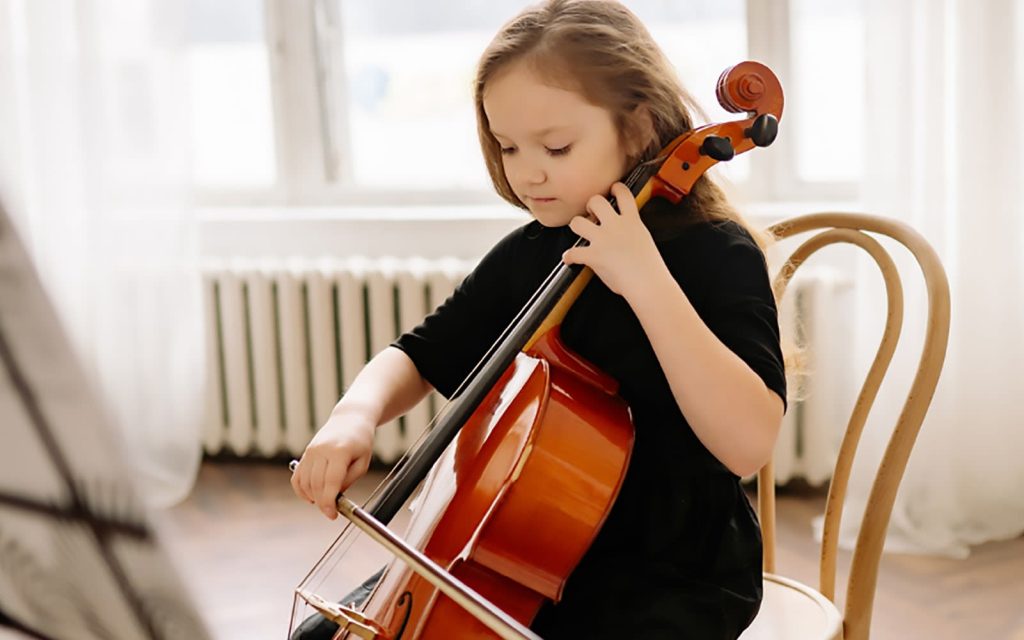
Take, for example, the thriving jazz scene found in cities across the United States. Musicians frequently gather in clubs for jam sessions where improvisation reigns supreme. During these sessions, a rhythm section lays down a groove, while soloists spontaneously contribute melodies and riffs, resulting in an electric exchange of creativity. This environment not only enhances individual musicians’ skills but also fosters a shared sense of excitement. Each player becomes a pivotal part of a collective decision-making process that shapes the course of the performance.
Diversity of Styles: A Gateway to New Inspiration
Being part of a musical ensemble offers exposure to various styles, instruments, and techniques that can significantly broaden artistic perspectives. For many musicians, community orchestras and local bands serve as platforms for experimentation with genres they may not typically explore. This environment encourages individuals to delve into the intricacies of different musical styles, from the refined elegance of classical performances to the more rhythmically driven elements of folk or blues music.
- Skill Development: Participation in musical groups provides opportunities for personal growth through constructive feedback and peer support. Members can learn valuable techniques, whether it’s mastering a challenging piece or perfecting an intricate harmony.
- Exchange of Ideas: Musical groups encourage dialogue among artists that spark fresh concepts. Engaging in discussions about different interpretations and creative choices can inspire musicians to rethink their approach to songwriting and performance.
- Exploration of Cultural Heritage: Many musical ensembles embrace cultural traditions through their repertoire. This not only educates members about diverse musical practices but also promotes appreciation and understanding among participants from various backgrounds.
Participation in these groups can unearth hidden talents. For instance, a member who initially joined a choir to enjoy singing alongside friends might discover their passion for songwriting after collaborating on original arrangements. The beauty of this discovery lies in the continual journey of growth that musical groups provide, inviting artists to evolve dynamically as they share their unique contributions.
As individuals come together in this creative ecosystem, the benefits extend beyond musical proficiency. The interpersonal connections formed in these environments often translate into lasting friendships, support systems, and overall emotional well-being, amplifying the value of community in the creative landscape. As we explore further, you’ll witness how these experiences can ignite a lifelong passion for music, fostering a spirit of collaboration that holds tremendous potential for creativity.
| Advantage | Detailed Explanation |
|---|---|
| Collaboration Skills | Engaging in musical groups fosters collaboration skills. Musicians learn to communicate ideas effectively, accommodating diverse perspectives, which is essential for both musical harmony and personal development. |
| Inspiration and Motivation | Participating in a music community generates a supportive atmosphere that fuels creativity. Being surrounded by passionate individuals can inspire new compositions and reinvigorate existing work. |
| Diverse Perspectives | Musical groups consist of members from various backgrounds, offering unique insights that enhance creativity. Exposure to different genres and styles can challenge musicians to diversify their artistic expressions. |
| Networking Opportunities | Joining musical groups opens up networking opportunities, helping musicians to connect with industry professionals, which can lead to collaborations or performances that expand their reach. |
Participating in musical groups is not merely about playing notes but fosters a dynamic environment for growth and collaboration. As individuals share their passion for music, they cultivate valuable relationships, shaping their artistic journey. Through teamwork, knowledge exchange, and the mutual encouragement of creativity, members of such groups can significantly enhance their artistic expression while enjoying the enriching experience of community. This combination of collaboration and interaction can often transform creative blocks into avenues for exploration. In this musical odyssey, remember that every player brings something unique to the mix, promising a richer sound and a deeper connection to both the art form and each other. Each rehearsal becomes a melting pot of creativity, offering limitless potentials for innovation and collaboration that can drive your own musical aspirations.
Networking: Building Bridges Through Sound
Musical groups not only serve as incubators for creativity but also create extensive networks fostering connections that can persist long after the final note fades. Engaging with fellow musicians allows artists to share their experiences, resources, and opportunities, ultimately enhancing their artistic careers. Networking within a musical context can open doors to collaborations, gigs, and even exposure to record labels, fundamentally shaping a musician’s journey.
In cities like Nashville, where music is both a cultural cornerstone and a thriving industry, the power of networking is palpable. Musicians collaborate with one another on song demos, share recording facilities, and expedite learning through mentorship. As artists tap into their collective networks, they effectively increase their visibility in the increasingly competitive music landscape. Such connections can be instrumental in growing an artist’s audience, leading to invitations for performances at local venues, festivals, or even international tours.
Emotional Support: The Chorus of Camaraderie
Participating in musical ensembles often provides a sense of belonging that is hard to find elsewhere. The act of creating music together fosters camaraderie, allowing individuals to bond over shared experiences, struggles, and triumphs. Particularly during challenging times, these groups become vital support systems that contribute to an artist’s psychological well-being and emotional resilience.
- Shared Experiences: Musicians often share their vulnerabilities through their art, naturally forming deeper connections with their fellow artists. Whether it’s overcoming stage fright or navigating the challenges of songwriting, these shared experiences cultivate trust among group members.
- Encouragement and Motivation: In a musical community, encouragement is plentiful. Fellow musicians can provide motivation to tackle challenging pieces or projects, instilling a sense of accountability that drives individual growth.
- Therapeutic Aspects: Research has shown that participating in musical activities can act as a form of therapy, reducing stress and anxiety. Cherished moments spent harmonizing with others offer an emotional outlet, allowing individuals to express feelings that may be difficult to verbalize.
In many cases, musicians report experiencing profound personal transformations as a result of their participation in these groups. An aspiring guitarist who once struggled with confidence might find their voice through consistent rehearsals and positive reinforcement from bandmates. This journey of transformation reflects the profound impact community has on individual development, showcasing that creativity flourishes when nurtured in a supportive environment.
The importance of community in music extends beyond mere collaboration and networking; it embodies a shared human experience that transcends boundaries. As musicians gather in harmony, they create a legacy of creativity that bridges generational divides. Younger artists gain insights from seasoned veterans, while older musicians may rediscover their passion through the exuberance of youth. This cyclical exchange enriches the entire musical landscape, creating a dynamic interplay that resonates far beyond performance.
As we delve deeper into the world of musical groups, the concepts of accessibility and inclusiveness further underscore the capabilities of community in enriching artistic experiences for all involved. The implications of participation reach into the very fabric of society, highlighting the transformative power of music as a force for connection and understanding.
Conclusion: The Harmonious Tapestry of Community and Creativity
In closing, the interplay between music and community is a vital force that fosters not only artistic growth but also personal development. By participating in musical groups, individuals uncover the transformative power of collaboration, forming connections that inspire innovation and nurture creativity. From the vibrant streets of New Orleans to the bustling studios in Los Angeles, musicians from every corner of the United States showcase that a tight-knit community can amplify artistic expression, serving as a catalyst for groundbreaking collaboration.
The emotional support provided within these groups creates a sanctuary where shared experiences foster deeper connections that enrich not just the music but also the souls of those involved. As musicians engage in creative dialogues, they weave a tapestry of creativity that transcends boundaries and unites diverse voices. The lessons learned through mentorship, encouragement, and collaboration are invaluable, highlighting the notion that no artist is ever truly alone in their journey.
Furthermore, the age-old practice of passing knowledge from one generation to another emphasizes the importance of accessibility and inclusiveness in musical communities. By embracing this sense of belonging, musicians not only find their unique identity but also contribute to a rich cultural legacy that stands the test of time. As we venture into an increasingly interconnected world, the music we create and the bonds we form within our communities will continue to resonate, reminding us that creativity thrives best in harmony with others.