The Role of Performing Arts in Building Inclusive Communities
The Impact of Performing Arts on Community Building
Performing arts serve as a dynamic bridge, creating vital connections that extend across cultural, social, and economic divides. Through expressive mediums like theater, dance, and music, these art forms engage individuals from a myriad of backgrounds, fostering a deep sense of belonging and community cohesion.
Community Engagement
Artistic initiatives play a crucial role in community engagement by bringing individuals together. For instance, community theaters often produce plays that reflect local issues, inviting residents to participate in discussions on themes pertinent to their lives. Events like open mic nights in neighborhood coffee shops not only showcase local talent, but also facilitate conversations and collaborations among artists and audiences. Programs such as the “National Arts and Humanities Youth Program Awards” recognize organizations that employ arts to strengthen community ties, underscoring the potential of these platforms in nurturing dialogue and cooperation.
Empowerment
Performing arts also empower individuals, particularly those from marginalized communities, by providing a voice and stage to share their unique stories. For example, initiatives like Teatro Latino in various cities highlight Latinx narratives through performance, allowing participants to explore their identities and histories. Workshops aimed at youth in disadvantaged neighborhoods help them articulate their experiences through art, enriching the broader community tapestry with diverse perspectives. This empowerment can lead to a greater sense of self-worth and belonging, encouraging individuals to actively engage in their communities.
Cultural Awareness
Moreover, the performing arts serve as a powerful platform for showcasing diverse cultural heritages. Festivals such as the “Smithsonian Folklife Festival” in Washington D.C. celebrate various cultural traditions through immersive performances, allowing audiences to appreciate the rich tapestry of American culture. Such events cultivate a deeper understanding and appreciation for different backgrounds, promoting cultural empathy and collaboration. Programs that spotlight indigenous dance, African drumming, or Asian theater offer audiences a glimpse into the vibrancy of these traditions while encouraging respect for cultural differences.
The Broader Role of Performing Arts
The significance of performing arts transcends entertainment; it plays a pivotal role in shaping social dynamics. Accessible performances and community workshops create spaces for healing and dialogue. For instance, after the tumultuous events in cities across the U.S., art therapy initiatives using drama or music have been employed to help individuals process their emotions and experiences in a shared environment. This not only aids personal healing but also encourages collective understanding and unity.
Looking Forward
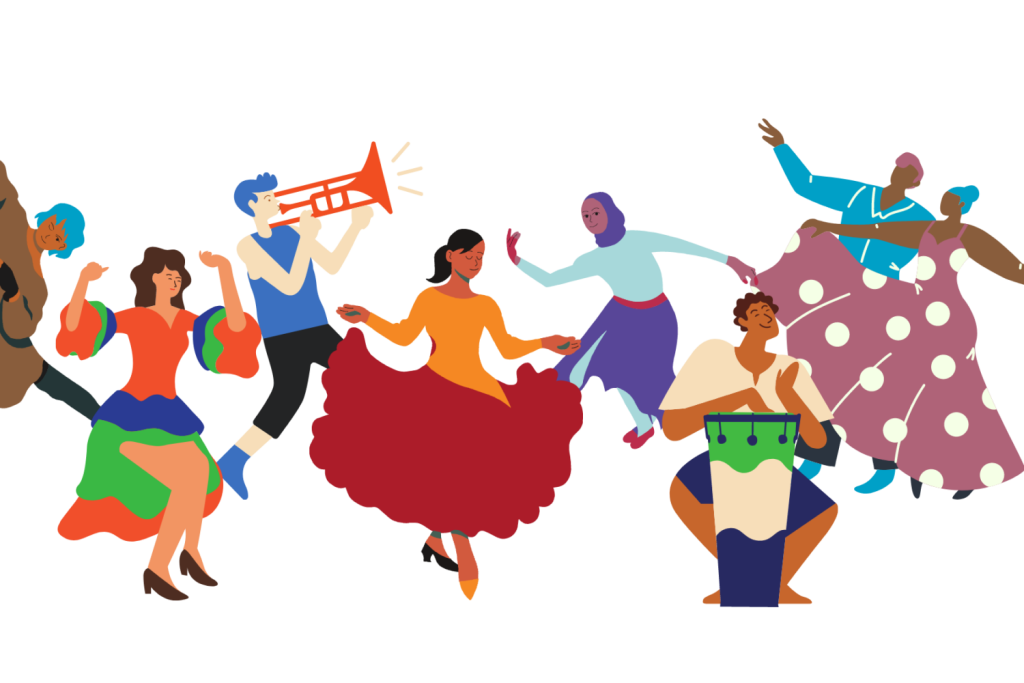
As the landscape of communities continues to evolve, the integration of performing arts becomes increasingly vital. It invites individuals to reflect on common values while celebrating the unique aspects of their identities. In doing so, it plays a crucial role in fostering a more inclusive society that values diversity and unity simultaneously. Through engaging performances, storytelling, and artistic expression, the performing arts compel us to investigate our shared humanity and the rich differences that ultimately make our communities vibrant and resilient.
Fostering Connection Through Shared Experiences
Performing arts create a unique space for fostering connection by leveraging shared experiences and collective emotions. These art forms can engage citizens in powerful ways, transforming passive observers into active participants. For example, community-driven theater productions often invite local residents not only to watch but also to participate in storytelling, be it through acting, directing, or even backstage management. This all-encompassing involvement nurtures personal investment in the art, cultivating a sense of camaraderie among participants and audiences alike.
Building Relationships Across Differences
The intricate melodies of music and the moving gestures of dance hold transformative power that can break down barriers among disparate groups within a community. When diverse populations come together to present or appreciate a performance, they create opportunities for interaction that might otherwise not occur. Programs such as the “Harmony Project” in Los Angeles exemplify this. By pairing children from different socio-economic and ethnic backgrounds in musical ensembles, the initiative demonstrates how shared artistic endeavors can help bridge gaps, sparking friendships and respect among participants.
Enhancing Community Identity
Performing arts also play a crucial role in enhancing community identity—a critical element of inclusivity. Artistic expression reflects the unique tapestry of a community, weaving together various threads of history, culture, and lived experiences. Events like local dance festivals or neighborhood open-air concerts serve as showcases for cultural richness while enabling communities to take pride in their heritage. Such celebrations also educate attendees about the diverse influences that shape their locality, fostering appreciation and dialogue among residents.
- Theater: Often tackles local issues, engaging audiences with narratives that resonate on personal and societal levels.
- Music: Acts as a universal language, inviting collaboration and participation from individuals of diverse backgrounds.
- Dance: Represents varied histories and cultures, transforming movement into a collective celebration of identity.
Through these art forms, community members can come together to explore what it means to be part of a larger social fabric. The performing arts encourage conversations about local struggles, successes, and shared dreams, thereby deepening connections and creating networks of support. In cities across the United States, grassroots initiatives are harnessing this potential, creating vibrant hubs of artistic activity that reflect and unify their neighborhoods.
Change through Participation
As individuals step onto the stage—both literally and metaphorically—they are often confronted with the transformative nature of performance. Participation in the arts nurtures not only personal growth but also collective evolution. By engaging in artistic projects, individuals find opportunities to contribute their voices to the overarching narrative of their communities, signaling a move toward a more inclusive society. This drive for change is supported by research that shows individuals involved in the arts tend to report higher levels of civic engagement and a greater sense of agency within their neighborhoods.
Through the lens of performing arts, we begin to see a vivid illustration of how inclusivity fosters resilience in our communities. As we delve deeper into the multifaceted role of performing arts, we uncover strategies and examples that illuminate pathways toward a more interconnected social landscape.
The Role of Performing Arts in Building Inclusive Communities
The performing arts serve as a powerful tool in fostering community engagement and inclusivity. By providing a platform for diverse voices, these art forms allow individuals from various backgrounds to come together, share their stories, and celebrate their identities. This exchange not only enriches artistic expression but also cultivates empathy and understanding among community members.
Moreover, the performing arts encourage social interactions that break down barriers and challenge stereotypes. Community theater, dance, and music programs often involve participants from different age groups and cultural backgrounds, enhancing social cohesion. Programs designed to promote accessibility for individuals with disabilities exemplify how performing arts can bridge gaps, ensuring that everyone has the opportunity to engage in creative expression.
Furthermore, schools that integrate performing arts into their curricula witness significant improvements in student engagement and academic performance. Research shows that involvement in arts programs can bolster critical thinking skills and foster creativity, essential traits in today’s dynamic job market. By prioritizing inclusivity in these practices, educational institutions contribute to developing well-rounded individuals who appreciate the richness of diverse perspectives.
Through the lens of inclusivity, the performing arts not only entertain but also educate and inspire change, promoting a sense of belonging among members of the community. This realization underscores the importance of sustaining and investing in performing arts initiatives that champion diversity and inclusion.
| Advantages | Key Features |
|---|---|
| Promotes Community Engagement | Brings together diverse groups to participate in performances. |
| Fosters Empathy and Understanding | Encourages dialogue around shared experiences and cultures. |
| Enhances Accessibility | Develops initiatives for individuals with disabilities to participate in arts. |
As communities continue to evolve, the role of performing arts in promoting inclusivity becomes increasingly critical. By nurturing environments where every voice counts, these art forms empower individuals and create a vibrant, cohesive communal identity.
Empowering Voices and Encouraging Dialogue
Performing arts serve as a powerful platform for empowering marginalized voices, offering individuals a means to express their unique stories and perspectives. Through spoken word poetry, community theater, and performance art, artists can spotlight issues related to social equity, identity, and justice. For instance, the “V-Day” movement utilizes performance as a means to raise awareness about violence against women, encouraging communities to engage in dialogues that lead to action. Initiatives like these enable performers to act as catalysts for change, sparking discussions in environments that might otherwise shy away from difficult topics.
Educational Outreach and Skill Building
Another pivotal aspect of performing arts in building inclusive communities is their role in educational outreach. Many organizations leverage arts education programs to target underrepresented youth, cultivating skills that can extend beyond the stage. Programs such as “Theatre for Young Audiences” provide workshops that not only teach acting but also instill confidence, teamwork, and public speaking abilities. Data shows that youth who participate in arts education exhibit lower dropout rates and increased civic involvement—benefits that contribute to the overall health of a community.
- Workshops and training: Offer invaluable resources to individuals who might lack access to traditional forms of education.
- Mentorship opportunities: Connect emerging artists with established professionals, establishing networks that encourage industry engagement.
- Skill-sharing: Local productions often allow individuals with various backgrounds to come together, fostering friendships and professional development.
Perhaps one of the most significant impacts of performing arts on inclusive communities lies in the creation of safe spaces for expression and exploration. These environments allow individuals to celebrate their differences while uncovering commonalities. Initiatives like “Mission Cultural Center for Latino Arts” in San Francisco not only promote Latino culture through performing arts but also provide a safe haven where people from all backgrounds can gather to learn and express themselves through music, dance, and theater.
Inclusion Through Accessibility
Making the performing arts accessible is a vital step toward fostering inclusivity. Organizations across the country are taking strides to ensure that performances are open to all, regardless of physical, economic, or social barriers. This includes offering performance times that accommodate various schedules, creating pay-what-you-can ticketing models, and ensuring venues are ADA compliant. For instance, the “Sundance Film Festival” actively works to provide resources for those with disabilities, showing how commitment to accessibility can create more inclusive environments.
Furthermore, technology enhances accessibility, allowing remote participation through live streaming, which broadens the reach of performing arts programs. Such innovations ensure that even individuals unable to attend in person can engage with performances, contributing to a more inclusive arts ecosystem.
As these dialogues unfold through the lens of performing arts, communities not only experience cultural enrichment but also acknowledge the diverse tapestry of their members. The arts stimulate a collective consciousness and broaden understanding, inviting communities to explore various cultural identities and shared experiences in meaningful and impactful ways.
Conclusion: A Tapestry of Inclusivity
The importance of performing arts in building inclusive communities cannot be overstated. As we have explored, these creative expressions serve not only as a medium for personal storytelling but also as a vehicle for social change, fostering understanding and empathy among diverse populations. Engaging in the performing arts offers individuals from various backgrounds an opportunity to share their perspectives and challenge societal norms, contributing to a more equitable community landscape.
Furthermore, by prioritizing educational outreach and accessibility, arts organizations across the United States are actively empowering underrepresented voices and ensuring that participation is possible for everyone, regardless of their circumstances. The combination of workshops, mentorship programs, and accessible performances cultivates talent while uniting—or challenging—community perspectives. In doing so, these arts initiatives not only enrich the cultural fabric of communities but also promote civic engagement and social cohesion.
As we look towards the future, embracing the transformative potential of performing arts holds the key to fostering environments where diversity is celebrated rather than merely tolerated. For communities to thrive, it is essential to support and invest in arts programs that are reflective of the societal tapestry in which they exist. The performing arts remind us that our shared human experience is nuanced and complex, and by allowing these narratives to flourish, we can build bridges of understanding that lead to a more inclusive society. Thus, engaging with the performing arts is not only an artistic endeavor; it is a profound act of community building that invites us all to engage, reflect, and grow together.