
Techniques of Improvisation in Performing Arts: Creative Freedom and Personal Expression

Understanding Improvisation in Performing Arts
The practice of improvisation is a cornerstone of many performing arts disciplines, offering artists an avenue for creative freedom and personal expression. This dynamic approach is not just a spontaneous endeavor; it is a structured method that allows performers to step beyond traditional constraints and bring their unique interpretations to life. In engaging with improvisation, artists are encouraged to explore the depths of their instinctual responses, emotions, and spontaneity.
Different techniques have been developed to nurture the improvisational skill set, each with its characteristics that invite a range of creative outcomes. For example:
- Open Scene Work: This technique involves beginning a performance without a pre-existing script, allowing the narrative to unfold in real-time. Performers create dialogue and action based on their interactions and the context, similar to how a jazz musician might riff off a melody. This method not only stimulates creativity but also fosters a sense of teamwork as performers must closely listen to and support one another’s contributions.
- Character Exploration: In this approach, actors dive deep into the process of embodying various personas. This experimentation can lead to innovative character portrayals that are both relatable and surprising. For instance, in a workshop setting, an actor might receive a single prompt, like “the last person you’d expect to see in a coffee shop,” and then develop an entire backstory and mannerisms on the spot.
- Music Improvisation: Musicians utilizing improvised performance often create rich, fresh soundscapes on the fly, akin to a thrilling conversation between instruments. Live performances by artists such as Bobby McFerrin or bands like Snarky Puppy exemplify how improvisation can lead to captivating musical interpretations that keep both musicians and audiences on the edge of their seats.
The essence of improvisation lies in its unpredictability. Audiences are drawn to the authentic and unfiltered moments that arise in these performances, creating a shared experience that is both engaging and memorable. For example, shows like “Whose Line Is It Anyway?” or local improv theaters across the United States highlight the excitement of spontaneous storytelling, where each performance transforms into a unique tapestry woven from the creativity of the performers and the reactions of the audience.
By delving into these techniques and their applications, one not only uncovers valuable insights into the realm of artistic expression and creativity but also how improvisation fosters a connection among artists and spectators. The practice challenges performers to think quickly, encouraging them to transform the ordinary into the extraordinary. Whether in a theater in New York City or a community venue in a small town, the spirit of improvisation continues to thrive, illustrating the boundless possibilities of creative expression.
Exploring Core Techniques of Improvisation
Among the vast array of improvisational techniques in performing arts, several methods stand out for their ability to cultivate creative expression and enhance performers’ skills. Each technique provides different avenues for artists to unlock their potential, enabling them to connect with one another and their audience in profound ways. Below, we delve into key methods that illustrate the diversity and richness of improvisation.
- Yes, And…: This fundamental principle of improvisation teaches performers to accept and build upon each other’s ideas without hesitation. By affirming a colleague’s suggestion with “yes, and…”, performers learn to foster a supportive environment where creativity flourishes. This technique not only boosts collaboration among cast members but also eliminates the fear of rejection, allowing for innovative and unexpected developments within scenes.
- Improvised Timing and Rhythm: Timing is crucial in any performance. In improvisation, however, the rhythm can be intentionally manipulated to create comedic effect or dramatic tension. By recognizing the beats of a scene or song, performers can play with pauses, voice modulation, and pacing, resulting in performances that captivate audiences. Comedy clubs across the United States often showcase this mastery, where stand-up comedians improvise their sets, changing direction based on audience reactions while maintaining an engaging pace.
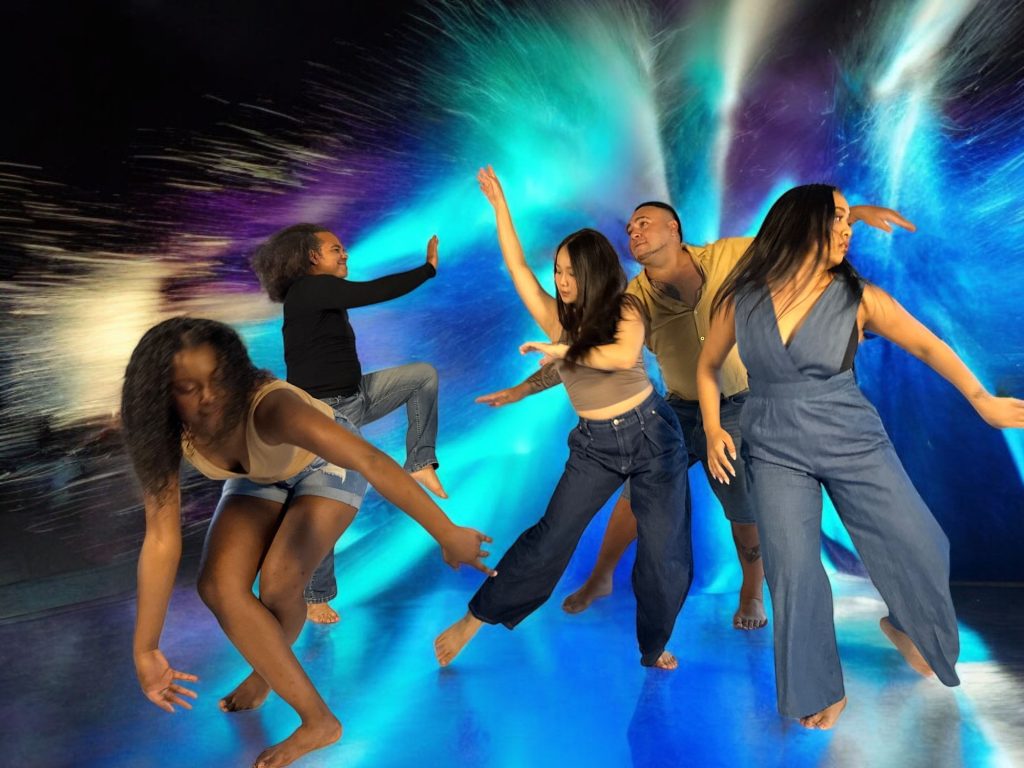
- Emotion and Physicality: Actors and dancers often leverage physicality and emotional depth in their improvisation to convey messages without dialogue. This technique encourages artists to think beyond words and express feelings through their bodies. A dancer may, for instance, explore different styles of movement on the spot to depict a specific emotional state, turning the stage into a canvas that reflects their internal journey. Workshops in various theaters spotlight this practice, allowing performers to discover the power of non-verbal communication.
Mastering these techniques not only enhances individual artistry but also improves group dynamics, strengthening the collaborative spirit vital to improvisational performances. The shared experiences of performers often lead to a deeper understanding of one another’s unique contributions, resulting in a seamless tapestry of creativity on stage.
Moreover, improvisational practices can be immensely beneficial in educational settings. Drama schools and community theaters across the United States frequently incorporate improvisation into their curricula to help students gain confidence, develop quick thinking, and refine their communication skills. These exercises provide a safe space for exploration, encouraging young artists to push their boundaries and discover their own voice.
Ultimately, the techniques of improvisation in performing arts illuminate the transformative power of creativity. As performers engage with these methods, they unlock a world where every moment is an opportunity for discovery, connection, and self-expression, reshaping not only their practice but also the landscape of performing arts as a whole.
| Advantages of Improvisation | Key Characteristics |
|---|---|
| Enhanced Creativity | Encourages artists to explore new ideas without constraints, fostering innovation in performance. |
| Personal Expression | Allows performers to convey their emotions and experiences uniquely, resonating with audiences deeply. |
In the realm of performing arts, the techniques of improvisation serve as a catalyst for artists seeking creative freedom. One of the core advantages is the enhancement of creativity. By breaking free from conventional structures, performers are empowered to unveil fresh ideas and innovative narratives. This process not only results in captivating performances but lays the groundwork for groundbreaking collaborations across different artistic disciplines.Moreover, personal expression flourishes within improvisation techniques. Artists draw from their own experiences, transforming raw emotions into powerful performances that can deeply resonate with their audience. This organic communication creates a profound connection, making each performance a unique journey for both the performer and the spectator. The improvisational approach encourages artists to experiment with styles, blending elements of various genres while embracing spontaneity, ultimately enriching the tapestry of the performing arts.
Diving Deeper into Improvisational Strategies
Beyond the essential techniques of improvisation previously explored, several additional strategies further enhance the creative freedom and personal expression within performing arts. These techniques serve as building blocks for performers, allowing them to navigate the unpredictability of live performance with confidence and flair.
- Character Exploration: One vital aspect of improvisation involves developing unique characters in real-time. Actors practice embodying personas that may differ from their own, leading to more authentic interpretations. This technique encourages performers to explore their emotional range, experiment with different accents, and incorporate distinct physical traits. Particularly in theater sports, where quick thinking and spontaneity are essential, the ability to adapt character choices on the fly can result in genuinely electrifying moments that resonate with audiences.
- Environment and Space Work: Understanding the physical space in which performing occurs is crucial for improvisers. Utilizing surroundings, whether on stage or in everyday environments, can inform scene development and enhance storytelling. Improvisers might engage with furniture, objects, or even fellow performers to create immersive narratives. For instance, an actor on stage might use a chair as a prop in multiple inventive ways, transforming it into a car, fortress, or a spaceship, depending on the momentum of the scene, showcasing versatility and sparking audience imagination.
- Sound and Music: Incorporating improvisational music or soundscapes can elevate performances, allowing artists to express ideas beyond mere words. Musicians often collaborate with dancers and actors to create spontaneous harmonies that guide the narrative flow. A popular example is “improvised jams,” where musicians collectively build a sound landscape, enabling dancers to respond dynamically, adapting their movements to the ebb and flow of the music. This synergy deepens the overall performance, blurring the lines between different art forms and further enhancing the improvisational tapestry.
- Audience Interaction: In many improvisational formats, audience participation is central. Performers often engage spectators as co-creators, asking for suggestions that inform scenes, characters, or plot points. This reciprocal relationship not only enriches the performance but also invites viewers to feel personally invested. Popular shows like “Whose Line Is It Anyway?” exemplify this by incorporating crowd suggestions, leading to a unique show each night, reinforcing the unpredictable and exhilarating nature of improvisation.
By implementing these diverse techniques, performers can expand their improvisational skills while fostering a richer experience for themselves and their audience. The vibrant exchange of energy between performers and spectators encapsulates the essence of live art, where spontaneity and creativity converge.
Improvisational methodologies play an essential role in shaping the future of performing arts in the United States. As artists continue to embrace these techniques, the potential for personal expression and innovative storytelling remains limitless. From improv comedy troupes in bustling cities to experimental theater groups in community centers, the spirit of improvisation thrives, ensuring that every performance is not just a show, but a unique artistic journey.
Conclusion
In the vibrant landscape of performing arts, the value of improvisation cannot be overstated. Techniques such as character exploration, effective use of environment and space, as well as the incorporation of sound and audience participation not only enhance creative freedom but also foster deep personal expression. These strategies empower performers to connect authentically with their craft and engage audiences in a meaningful way, transforming each performance into a unique experience.
The ever-evolving nature of theatrical and artistic expression in the United States reflects a growing appreciation for spontaneity and creativity. Improvisation encourages artists to push boundaries, experiment fearlessly, and celebrate the unpredictable moments that arise during live performances. From the streets of New York City to community theater in small towns, the integration of improvisational techniques invigorates the artistic dialogue, making theater and performance more relevant and resonant with contemporary audiences.
As emerging artists continue to explore the limitless possibilities of improvisational methods, the potential for innovation in storytelling and artistic expression remains boundless. Those interested in the performing arts should not only embrace these techniques but also explore how they can contribute to the broader cultural narrative through their own interpretations. Ultimately, improvisation serves as a bridge connecting performers and spectators, reinforcing the notion that art is a shared journey, ever rich in creativity, spontaneity, and individual voice.