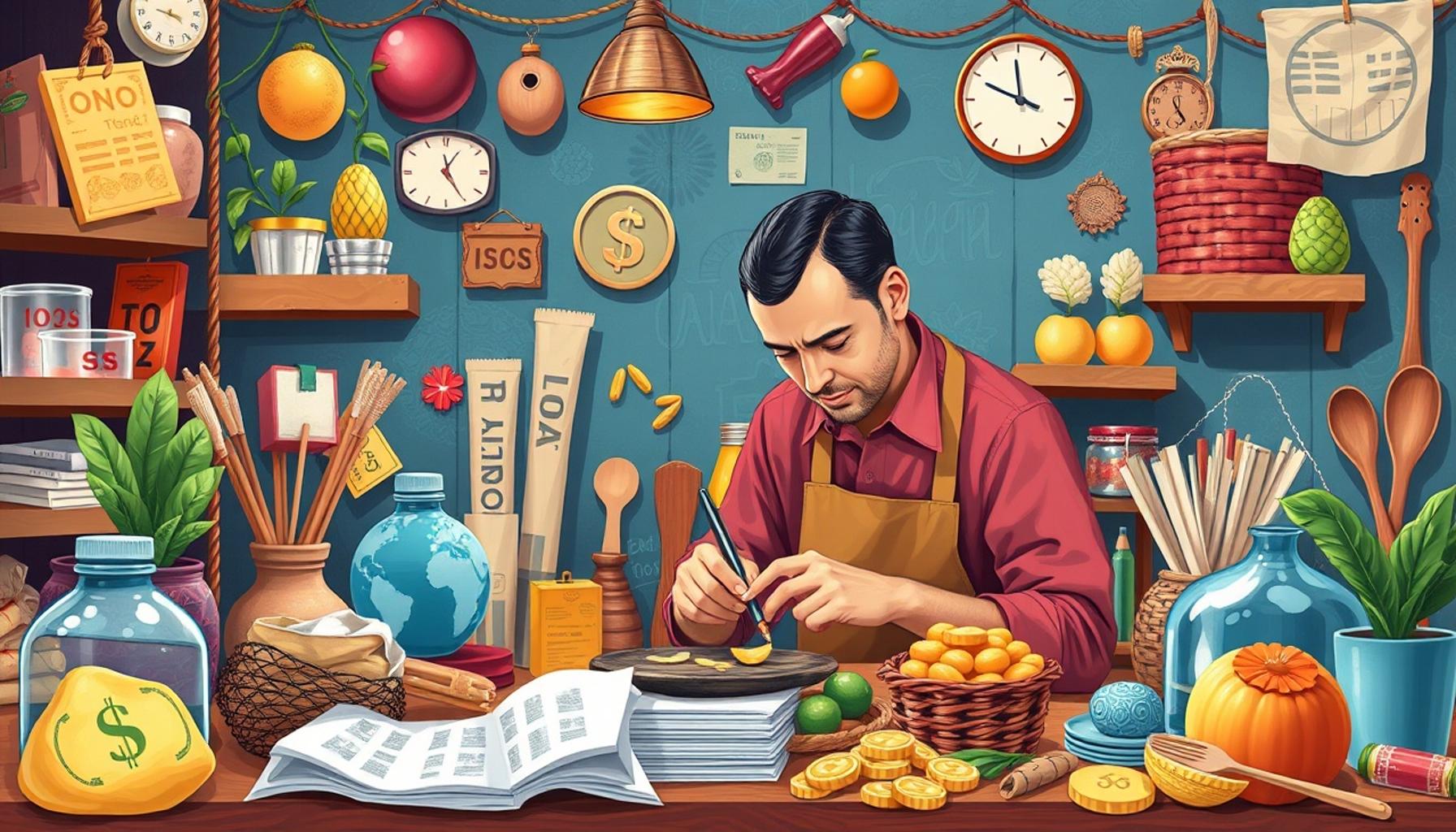
The Impact of Artistic Handicrafts on the Local Community: Connections and Empowerment
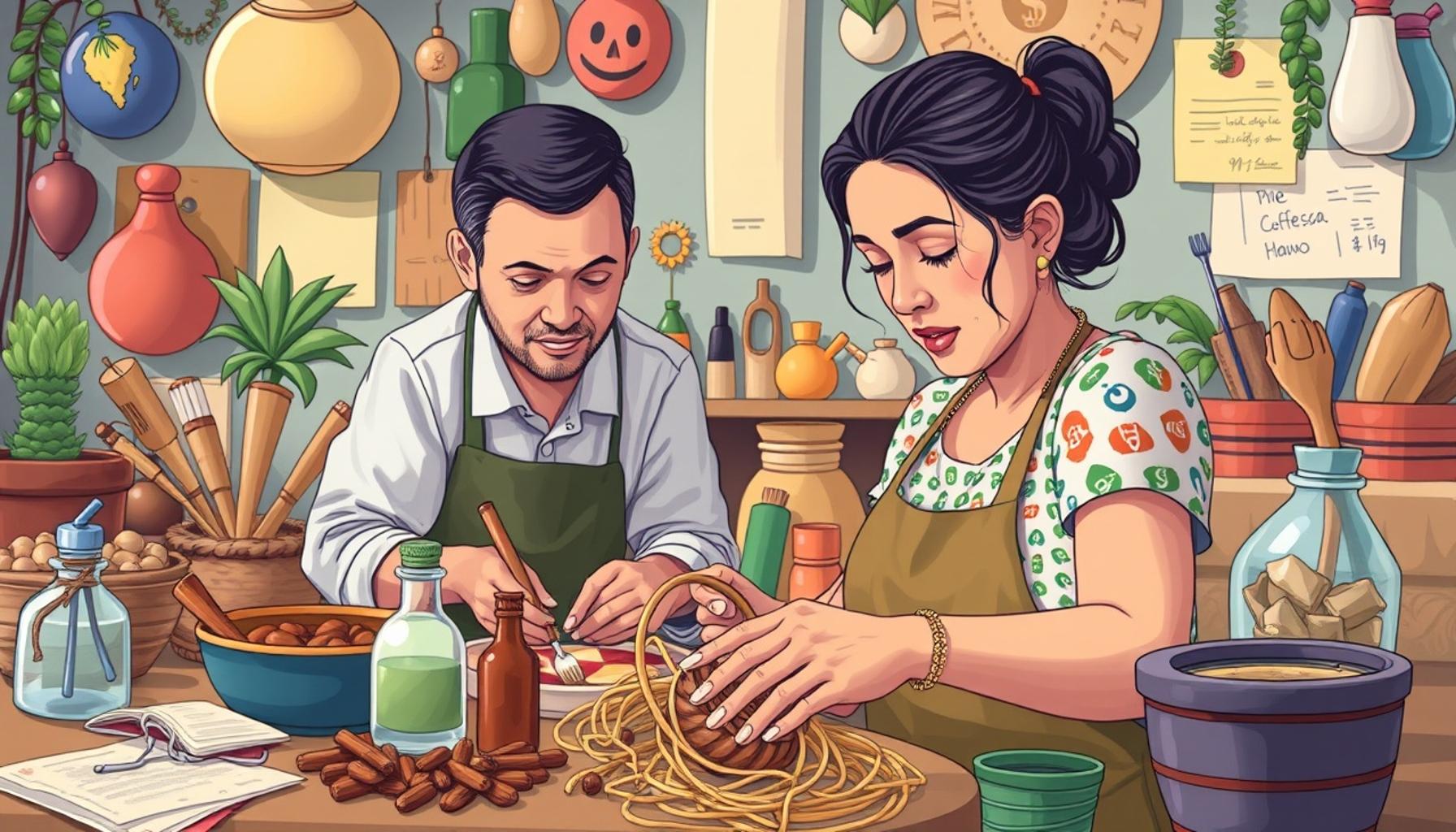
Understanding the Impact of Artistic Handicrafts
Artistic handicrafts are far more than simple consumer goods; they serve as cultural touchstones that bind local communities together. Each handcrafted item reflects the rich tapestry of traditions, history, and skills passed down through generations. By examining the multifaceted roles these handicrafts play, we can appreciate their significance in society.
Economic Empowerment
One of the primary benefits of artistic handicrafts is their role in economic empowerment. In many rural areas, crafting can be a lifeline for families. For instance, artisans in rural Appalachia often create intricate quilts or handmade wooden furniture, generating income while also sustaining their cultural identities. Such initiatives not only uplift individual artisans but also stimulate local economies. Studies have shown that regions engaging in artisanal craft production tend to experience lower rates of poverty, as these crafts enable individuals to earn a sustainable living while preserving their heritage.
Cultural Preservation
Artistic handicrafts also play a pivotal role in cultural preservation. Crafts such as pottery, weaving, or basket-making often embody unique techniques that have been honed over centuries. In Native American communities, for example, traditional beadwork is not merely decorative; it conveys stories, spiritual teachings, and family histories. By continuing to practice these crafts, artisans ensure that their cultural narratives endure, educating younger generations about their heritage in a tactile and engaging manner.
Social Cohesion
The act of creating crafts fosters social cohesion as well. Community workshops and craft fairs often serve as gathering spots where individuals from diverse backgrounds come together to share skills and ideas. Such collaborations can lead to stronger community bonds and a shared commitment to mutual success. For example, in urban centers like New York City, collective studios and learning centers have sprung up, bringing together artists from various cultural backgrounds to innovate and collaborate, creating a vibrant mosaic of shared creativity.
As the world becomes more interconnected, there is a noticeable shift towards opportunities for learning and skill development within the handicraft sector. Classes that teach traditional methods of production not only enhance artistic skills but also encourage innovation as artisans are inspired to merge old techniques with modern designs. This blend can yield products that resonate with a contemporary audience while retaining a sense of authenticity.

The rising consumer interest in handmade products enriches local economies and fosters a newfound appreciation for skilled craftsmanship. When consumers choose to purchase artisanal goods, they are actively supporting sustainable practices and encouraging artisans to thrive. The growing trend emphasizes that artistic handicrafts are not mere decorations; they symbolize resilience, cultural pride, and a dedicated commitment to sustainability.
The Role of Artistic Handicrafts in Community Development
Artistic handicrafts are powerful agents of community development, transcending their material value to become vehicles of social change. The resurgence of interest in handmade goods amid the fast-paced consumer culture underscores not only their aesthetic appeal but also their role in fostering robust local networks. With an increasing number of consumers opting for unique, locally made products, artistic handicrafts have emerged as a vital link between traditional practices and modern economic frameworks.
Job Creation and Skill Development
At the heart of the arts and crafts movement lies a significant potential for job creation and skill development. Initiatives focused on handicrafts often emphasize training programs aimed at equipping individuals with essential skills. For example, community centers across the United States have embraced workshops dedicated to various crafts, from pottery and textiles to woodworking and metalwork. These workshops not only provide participants hands-on experience but also instill a sense of pride in their capabilities.
- Skill Workshops: Providing practical training on traditional methods and new techniques.
- Entrepreneurial Support: Workshops often include guidance on marketing, pricing, and distribution.
- Mentorship Programs: Experienced artisans frequently volunteer their time to mentor emerging talent.
These focused initiatives create pathways for individuals to enter the workforce and even become entrepreneurs. For many from marginalized communities, this is a unique opportunity that can lead to financial independence and self-sufficiency. Ultimately, as more artisans gain employment through their craft, they contribute to the broader economic ecosystem, enriching not just their lives but also the communities they inhabit.
Building Cultural Awareness and Identity
Artistic handicrafts also play a crucial role in building cultural awareness and identity. Every handcrafted piece tells a story, conveying the collective memory of a community. For instance, the vibrant colors and intricate designs of Navajo rugs reflect years of heritage and spiritual significance, educating both the maker and the consumer about the culture they represent. This creates an awareness about the value of cultural diversity, fostering understanding and appreciation among different groups.
Moreover, by weaving local narratives into their work, artisans not only preserve traditions but actively participate in the dialogue surrounding cultural identity. Regular community events such as craft fairs, art exhibitions, and cultural festivals offer platforms for artisans to showcase their work while engaging the public in conversations about heritage and innovation. Such interactions reinforce the connections between artists and their communities, grounding both in a shared sense of purpose.
In conclusion, the impact of artistic handicrafts on local communities illuminates a profound connection between creativity and empowerment. The collaboration between artisans, consumers, and cultural enthusiasts creates a dynamic environment ripe for growth, understanding, and resilience. As the popularity of handmade goods continues to rise, so too does the opportunity for local communities to flourish through their collective craft. This flourishing not only enhances artistic expression but also builds stronger, more interconnected communities.
Artistic handicrafts play a pivotal role in weaving the cultural fabric of local communities, serving not merely as a source of aesthetic appeal but as a profound catalyst for social connections and empowerment. Within this sphere, artisans find a voice that resonates deeply within their community. The act of creating traditional crafts fosters not only individual creativity but also communal bonds, as family members often collaborate to pass down skills and traditions. This intergenerational knowledge transfer is crucial in preserving cultural identities and promoting a sense of belonging among community members.Beyond fostering social unity, artistic handicrafts significantly contribute to the local economy. Entrepreneurs and small businesses thrive when local artisans market their creations while retaining a fair wage that reflects their workmanship and heritage. This economic empowerment supports not only the artisans and their families, but also stimulates local initiatives and community projects aimed at enhancing public infrastructure and social services. Such financial sustainability becomes a foundation for growth and development, ensuring that communities can invest in their future while maintaining their cultural heritage.Moreover, the impact extends to tourism, as handcrafted items attract visitors eager to experience authentic cultural representations. Local markets and craft fairs become vibrant hubs where travelers engage with artisans, learn about their processes, and appreciate the unique stories behind each piece. This not only amplifies the artisans’ visibility but also fosters appreciation for the values they uphold, encouraging connections between people of diverse backgrounds.The symbiotic relationship between artistic handicrafts and community empowerment cannot be overstated. As communities embrace and showcase their artistic talents, they not only empower the individuals within but also invigorate a collective identity, transforming their localities into a beacon of cultural richness and cohesiveness. This reinforces the message that art is not just a form of expression but a cornerstone of community resilience and collective empowerment.
Empowering Women Through Craft
One of the most profound impacts of artistic handicrafts on local communities is their ability to empower women. In many cultures across the United States and beyond, crafting has long been a traditional outlet for women, providing not just a creative escape but also a platform to showcase their skills. Numerous initiatives have started focusing specifically on women artisans, recognizing their potential as crucial contributors to both the economy and cultural heritage.
Women-led Initiatives and Cooperatives
The establishment of women-led craft cooperatives exemplifies how artistic handicrafts can foster empowerment. These cooperatives facilitate collaboration and support networks, enabling female artisans to pool their resources and skills. For example, organizations such as the Women’s Bean Project in Colorado offer training and employment to women facing barriers such as poverty or unemployment, allowing them to gain valuable skills in food production and business. Similar craft cooperatives across the nation engage women in creating handmade goods and sharing knowledge on entrepreneurship, transforming lives.
- Access to Markets: Cooperatives often provide access to larger markets, enhancing visibility and sales opportunities.
- Collective Bargaining: Women artisans can negotiate better prices and conditions collectively, leading to fairer compensation.
- Support Systems: These networks create a supportive environment where women encourage and uplift each other, fostering a sense of community.
Such initiatives not only uplift individual women but also contribute to the economic stability of entire communities. In places where traditional employment opportunities are limited, women turning to craft for income showcases a path to self-sufficiency and financial independence.
Environmental Sustainability and Local Impact
The growing focus on sustainability has also reshaped the role of artistic handicrafts within local communities. Many artisans prioritize eco-friendly materials and traditional methods, thereby not only reviving age-old practices but also addressing pressing environmental concerns. For example, artisans in the Pacific Northwest are known for using sustainably sourced wood to create intricate sculptures and furniture, promoting awareness about responsible resource use.
Moreover, sustainable crafting fosters a connection to the land and natural resources, integrating respect for the environment into the core values of artistic practices. As artisans work with the materials available in their immediate environment, they form a deep connection with their surroundings, which is reflected in the stories and themes of their work. Such practices encourage consumers to appreciate the environmental impact of their purchases, advocating for local artisanship over mass production.
When communities embrace sustainable artistic handicrafts, they not only promote local culture but also contribute to a broader movement towards sustainability and environmental responsibility. This creates a ripple effect that can inspire greater community involvement in preservation efforts and amplify the lasting impacts of artistic practices.
The intersection of handicrafts with women’s empowerment and sustainability highlights the multifaceted influence of artistic practices on local communities. Through these avenues, artistic handicrafts emerge not merely as commodities, but as vital components of cultural identity, economic resilience, and environmental consciousness.
Conclusion
Artistic handicrafts go beyond mere aesthetics; they serve as powerful vehicles of connection and empowerment within local communities. Through the lens of women’s empowerment and sustainability, we uncover how these crafts not only fortify cultural heritage but also provide vital economic opportunities. Initiatives like women-led cooperatives and training programs have become instrumental in lifting women from poverty and fostering a sense of community among artisans. The collaborative nature of these groups promotes shared learning and support, amplifying the ability of women to thrive in the marketplace.
Furthermore, the emphasis on sustainability in artistic practices underscores a growing awareness of our environmental footprint. By utilizing eco-friendly materials and methods, artisans deepen their connection to the land and promote responsible resource use. This ripple effect encourages consumers to prioritize local craftsmanship over mass-produced items, cultivating a sense of responsibility towards our environment and local economies.
The impact of artistic handicrafts transcends the individual, shaping community identity and resilience. As more individuals engage with these practices, local culture flourishes, and economic stability strengthens. Therefore, supporting artistic handicrafts is not merely about preserving art; it is about nurturing community connections and empowering individuals to create a sustainable future. In an era where the threat to cultural and environmental integrity looms large, the role of artistic handicrafts emerges as more critical than ever, compelling us to reflect on our choices and inspire future generations. This vibrant intersection of creativity, community, and sustainability invites further exploration and engagement—showing us all the profound connections that define our society.