Technology and Music: How Apps and Digital Platforms Are Transforming Music Exploration
The Evolution of Music Consumption
In an era where technology and music intertwine more than ever, the way we discover and consume music has undergone a profound transformation. With the advent of various digital platforms and applications, music exploration has evolved into a personalized experience, transcending traditional boundaries and redefining how we connect with our favorite tunes.
Today’s music enthusiasts can enjoy:
- Endless Variety: Streaming services provide access to millions of songs spanning diverse genres and cultures. From chart-topping pop hits to underground indie gems, users can delve into rich catalogs that not only cater to mainstream tastes but also introduce them to global sounds that might have remained obscure in previous eras.
- Curated Playlists: With AI-driven algorithms and human curators, platforms like Spotify and Apple Music offer tailored recommendations based on individual listening habits. These playlists—ranging from “Discover Weekly” to “Chill Vibes”—not only enhance personal music discovery but often lead listeners to hidden talents and emerging artists they might not have encountered otherwise.
- Social Integration: Music consumption has become a communal activity, allowing users to share their favorite tracks and playlists within a digital community. With functionalities like collaborative playlists or the ability to share songs directly on social media, listeners can engage in discussions and recommendations, sparking new trends and movements.
Streaming services like Spotify, Apple Music, and Tidal have not only made music more accessible but have also democratized the music industry. Emerging artists can distribute their work without the traditional gatekeeping associated with record labels, often leading to a broader and more diverse music scene. For instance, artists like Billie Eilish and Lil Nas X have leveraged these platforms to gain unprecedented popularity by releasing their music independently—demonstrating the potential for virality in the digital age.
Moreover, innovations such as AI-driven algorithms and virtual reality concerts are reshaping how artists engage with fans. Virtual concerts, which have gained immense popularity during the pandemic, allow fans to enjoy live performances from the comfort of their homes, transcending geographical limitations. These experiences, enhanced by immersive technologies, are revolutionizing live music and reinforcing the idea that the symbiotic relationship between music and technology is not just transforming the industry; it’s enhancing the way listeners connect with sound.
As we dive deeper into this exploration of technology’s impact on music, we’ll uncover how these advancements shape the future of musical discovery and experience. The landscape is continually evolving, inviting enthusiasts to remain curious and open to the innovative avenues through which they can savor sounds and rhythms that resonate with their lives. In this vast digital age, the possibilities are boundless, making it an exhilarating time to be a music lover.
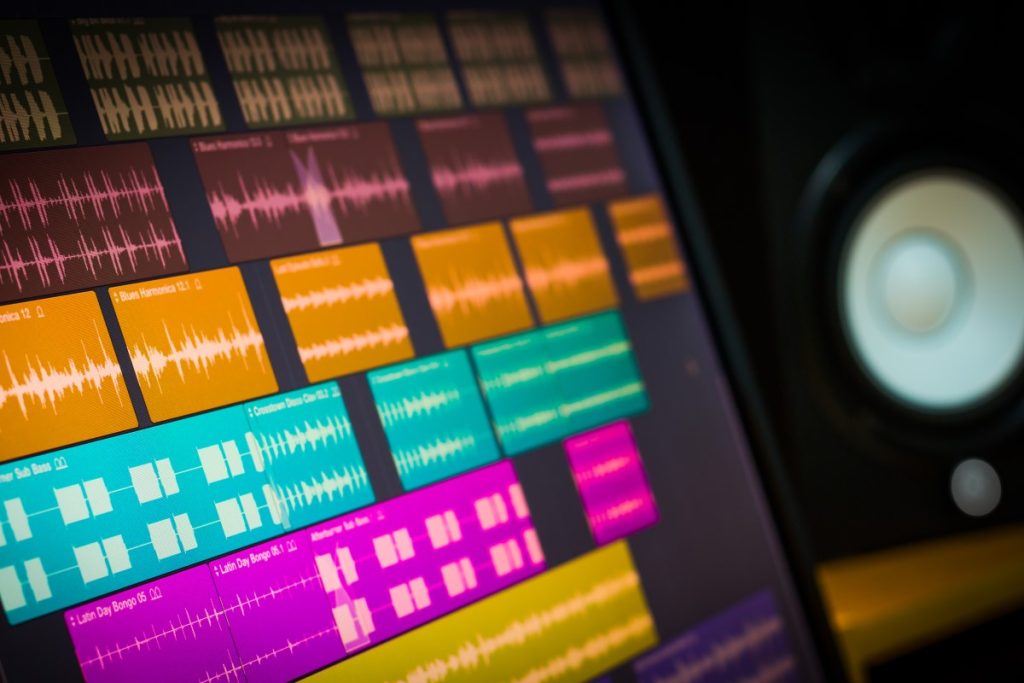
Unleashing the Power of Digital Discovery
The integration of technology into the world of music has greatly expanded the horizons for exploration and enjoyment. Unlike previous generations, who often relied on radio airplay, physical album purchases, and limited playlists, music enthusiasts today can tap into a myriad of resources at their fingertips. This evolution is particularly significant in the United States, where cultural diversity and musical innovation thrive.
One of the most prominent features of this digital renaissance is the creation of music discovery apps dedicated exclusively to identifying new sounds. Applications such as Shazam allow users to recognize songs in seconds, making it easier than ever to explore unfamiliar tracks. As soon as someone hears a catchy tune at a café or during a movie, they can instantly find out the artist and title, opening the door to further exploration of that artist’s discography.
In addition to apps designed for song identification, platforms like SoundCloud and Bandcamp are designed to shine a spotlight on independent artists. These platforms empower musicians to showcase their talent, allowing them to publish music directly to their audiences without the barrier of traditional music labels. As a result, both mainstream and alternative sounds emerge from vibrant online communities where artists and fans can interact in real time.
Moreover, music streaming platforms offer an assortment of features that amplify the exploration experience. Below are some core benefits:
- Advanced Algorithms: Services like Spotify, Pandora, and YouTube Music utilize sophisticated algorithms to recommend songs tailored to user preferences, thereby enhancing music exploration with each play.
- Genre/ Mood-Based Navigation: These platforms allow users to navigate music by genre, mood, or activity (such as workout or relaxation), making it simple to discover tracks that fit specific moments.
- Live Streaming Features: Platforms have incorporated live streaming capabilities, allowing listeners to access exclusive performances and live sets from their favorite artists, granting an immersive experience that was once limited to live concerts.
The shift towards a more personalized and dynamic music exploration landscape extends beyond just convenience; it highlights a fundamental change in the way listeners perceive and interact with music. With social media integration, platforms encourage engagement, allowing users to share their musical discoveries and collaborate on playlists. In this environment of musical interchange, fans can curate their listening experiences, fostering a sense of ownership over the music they consume.
This democratization of music discovery reflects broader trends within the industry, where the barriers that once separated artists from their audiences are steadily crumbling. Traditional models are being replaced by innovative approaches that allow creative voices to flourish without being confined by conventional parameters.
As we explore further, the continuing relationship between technology and music will undoubtedly reshape what it means to experience sound. From algorithm-driven recommendations to interactive platforms that connect artists and fans more closely than ever, the evolution of music exploration is just beginning, and the possibilities at hand are as compelling as the music itself.
Innovative Features of Music Apps and Platforms
As the world of music continues to evolve at a rapid pace, technology plays a pivotal role in reshaping how listeners interact with their favorite tunes. With the emergence of various apps and digital platforms, music exploration has transformed into an immersive experience. These platforms are not just repositories of music; they offer a plethora of features that engage users in novel ways.
Personalized Playlists and Recommendations
One of the most compelling advancements is the ability to create personalized playlists. Using sophisticated algorithms, platforms like Spotify and Apple Music analyze users’ listening habits and suggest new songs or artists tailored to individual tastes, an innovation that significantly enhances music discovery.
Social Sharing and Community Engagement
Moreover, many music apps encourage social sharing, allowing users to share their favorite tracks or playlists with friends, fostering a sense of community. This feature not only enables users to explore music through their social networks but also contributes to the viral nature of new releases, propelling lesser-known artists into the spotlight.
Interactive Features and Exclusive Content
In terms of engagement, platforms like SoundCloud or Bandcamp offer interactive features that allow users to comment, remix, and share feedback on tracks, creating a collaborative environment for artists and fans alike. Additionally, many platforms provide access to exclusive content, such as live-streamed concerts and artist interviews, further enriching the user experience.
With these advancements, it’s clear that technology has not only changed how we consume music but also how we engage with it. The fusion of apps and platforms has made exploring the vast world of music more accessible, enabling users to venture beyond their comfort zones and discover new genres and cultures.
| Category | Advantages |
|---|---|
| User Experience | Enhanced interfaces and usability features engage listeners. |
| Music Discovery | Algorithms personalize exploration, connecting users to diverse music. |
These features signify just the beginning of a greater transformation in the music industry, influenced by technological innovations, making every listening experience unique and tailored.
The Role of User-Generated Content in Music Discovery
The digital age has significantly transformed how music is not only consumed but also created and shared. One of the most fascinating aspects of this evolution is the rise of user-generated content that has changed the music landscape entirely. Social media platforms like TikTok, Instagram, and even YouTube have become integral in promoting songs and artists, often serving as launch pads for viral hits. The phenomenon of the “TikTok challenge” has given rise to songs transcending traditional marketing channels.
For example, in 2020, the viral sensation of “Savage Love” by Jawsh 685 and Jason Derulo gained massive popularity through a series of dance challenges on TikTok. The song became a chart-topping hit, illustrating how user engagement can propel music into the mainstream. This user-driven model has opened doors for budding artists who might not have otherwise reached large audiences, allowing them to create and disseminate their music freely.
Furthermore, the concept of collaborative playlists has taken root across various music streaming platforms. Users can come together to create shared playlists, curating tracks that resonate with a collective identity or theme. This interactive feature fosters a sense of community while encouraging listeners to explore genres or artists they might not have otherwise encountered. Platforms like Spotify have recognized this trend, further embedding social features that highlight playlists created by friends or influential figures.
The accessibility of music creation tools is also noteworthy. With applications like GarageBand and Logic Pro, aspiring musicians can produce high-quality tracks from the comfort of their own homes. This democratization of music production means that anyone with creativity can experiment with sounds and genres, contributing to a diverse musical landscape. The ease of sharing these creations online means that remarkable talents can emerge without the traditional gatekeepers of the industry, further blurring the lines between amateur and professional.
- Increased Collaborations: Technology has facilitated collaborations between artists from various genres and backgrounds. Cross-genre collaborations have led to fresh sounds, such as the fusion of country and hip-hop, which has gained immense popularity, exemplified by artists like Lil Nas X.
- Global Accessibility: With the internet breaking geographical barriers, international music is becoming increasingly accessible. Genres like K-Pop, Afrobeat, and Latin trap, which may have been niche in previous decades, are now finding enthusiastic audiences in the U.S., contributing to a richer musical tapestry.
- Interactive Experiences: Virtual reality and augmented reality are starting to offer innovative music experiences. Platforms that feature VR concerts or AR filters allow users to engage with music in ways that enhance their enjoyment and immersion.
The impact of technology on music exploration is more than just about access and convenience; it represents a cultural shift that embraces creativity and collaboration. This evolution fosters an environment where innovation can flourish, giving rise to new genres and creative movements that may change the perception of music itself. As these trends continue to unfold, one can only imagine the vast landscape of music that awaits discovery in the coming years.
Conclusion: Embracing the Future of Music Exploration
The intersection of technology and music has truly revolutionized how we discover, create, and share sounds. With user-generated content becoming a vital force in promoting new artists and trends, platforms like TikTok and Spotify have empowered individuals to engage in ways that were once unimaginable. This surge in creative collaboration not only bridges gaps between artists of different genres but also invites listeners into a vibrant community where participation is encouraged.
As we look ahead, the increasing availability of accessible music production tools and global content signifies a seismic shift in the music ecosystem. Emerging genres from around the world are gaining traction in the United States, enriching our musical palate and redefining traditional concepts of fame and artistry. Furthermore, innovative technologies such as virtual reality and augmented reality are reshaping the concert experience, providing fans with immersive formats that elevate their connection to music.
Ultimately, the ongoing evolution of digital platforms paves the way for an exciting future filled with diverse sounds and innovative means of engagement. The discussions around music exploration will undoubtedly continue to expand, prompting listeners and creators alike to embrace the endless possibilities that technology offers. As this landscape rapidly changes, both music enthusiasts and industry participants must remain curious and adaptable, ready to uncover the next great musical phenomenon lurking just around the corner.