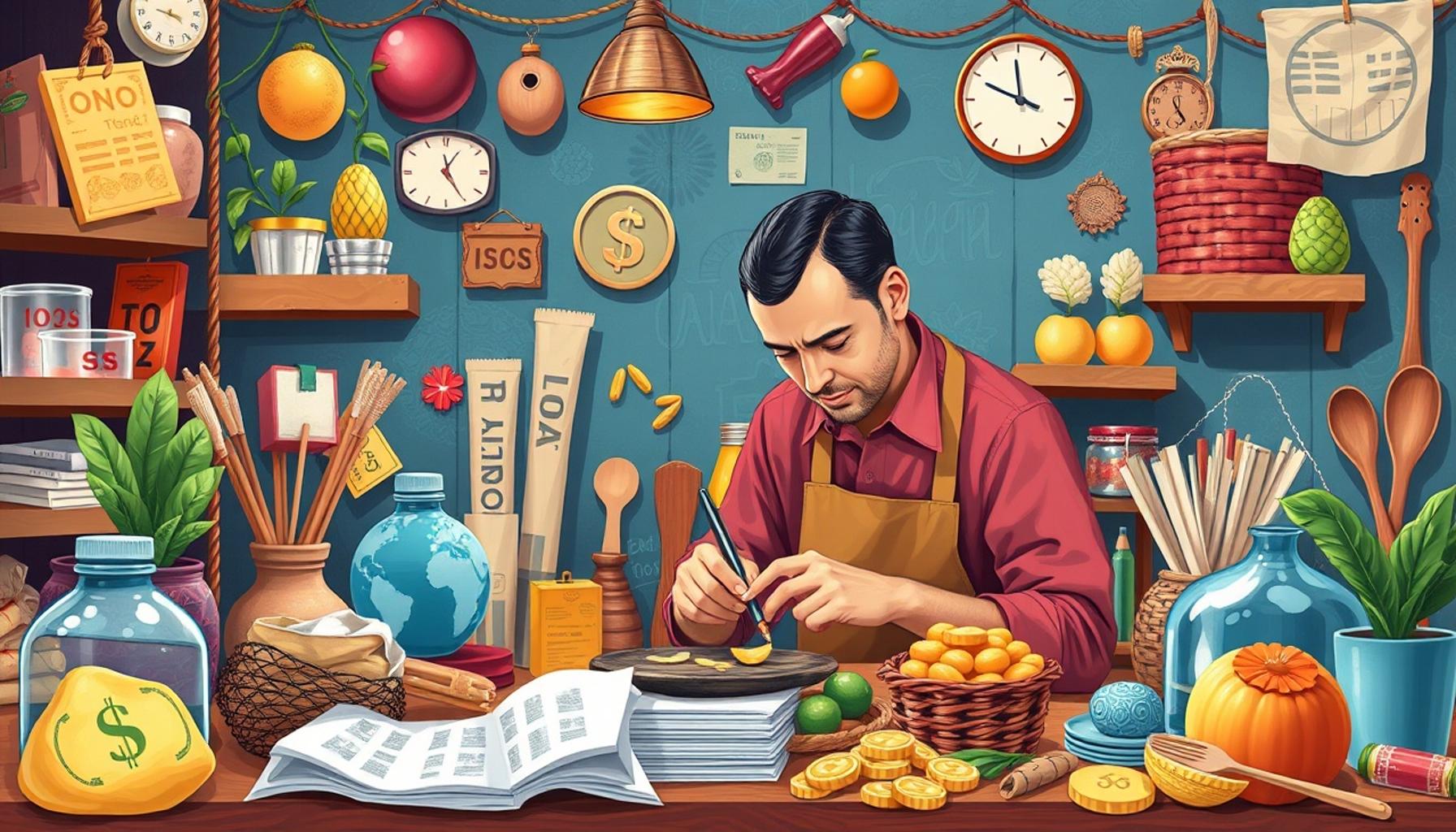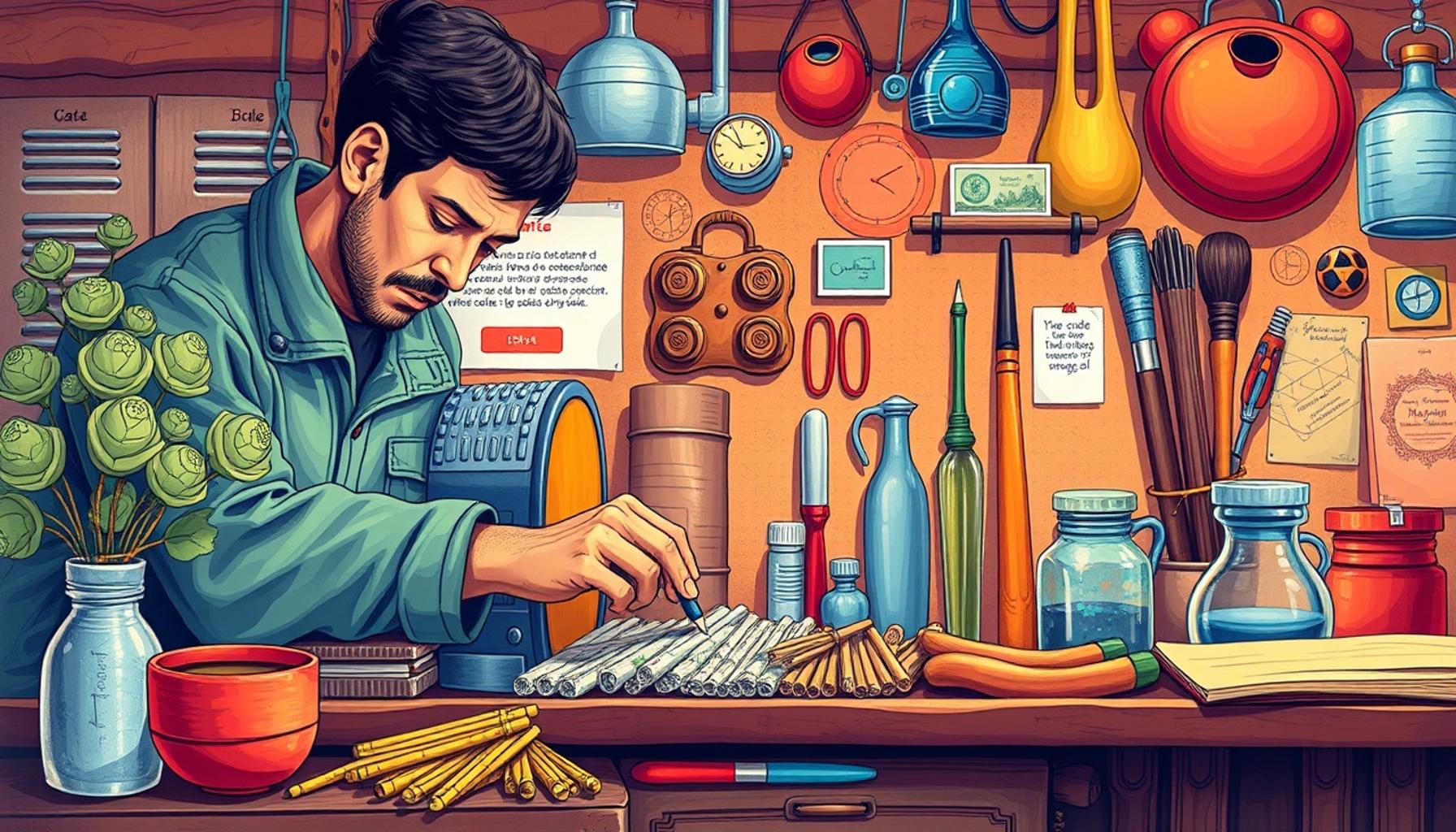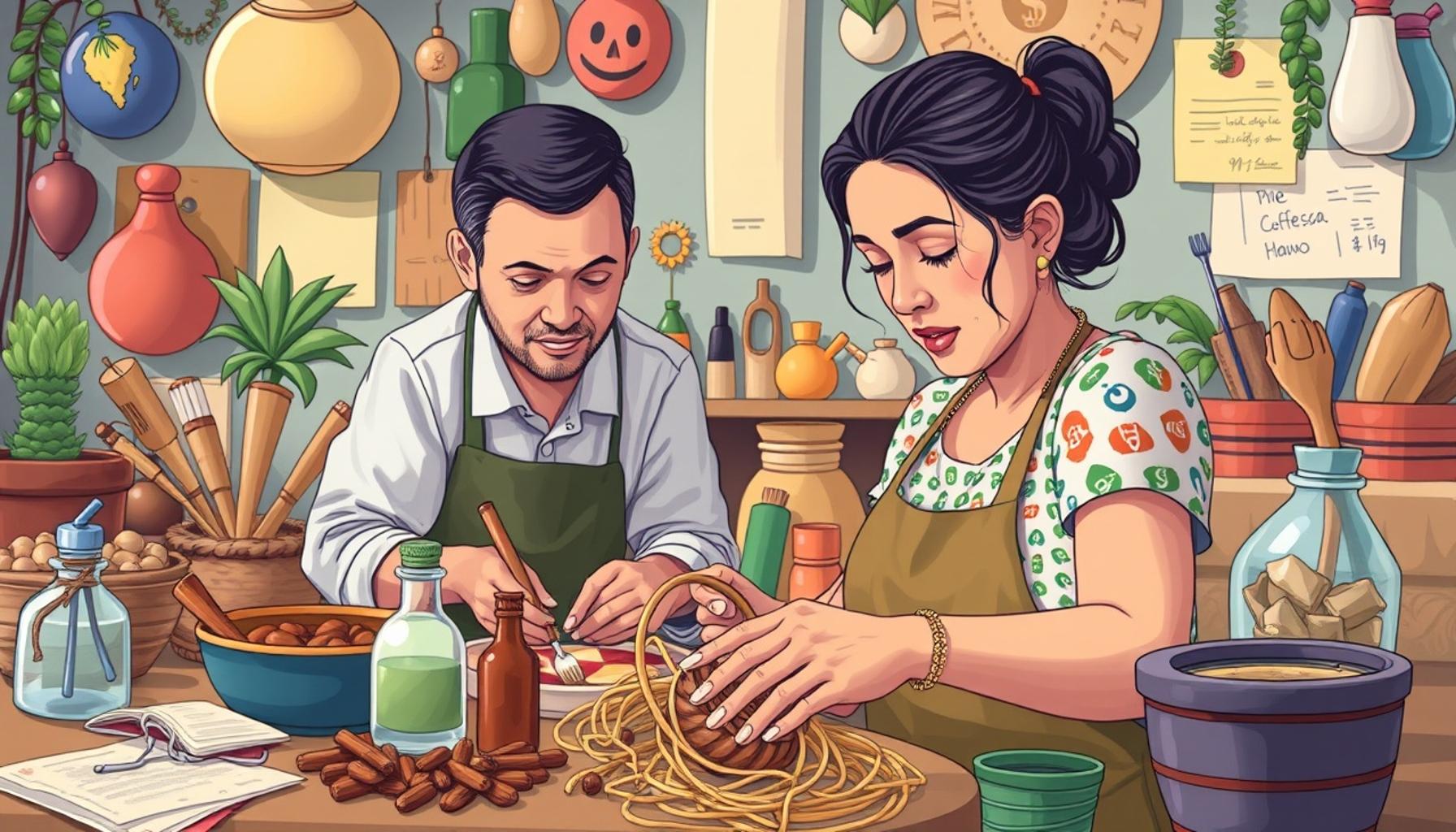
The Art of Upcycling: Transforming Common Objects into Unique Crafts
Embracing Sustainable Creativity
In an era where environmental consciousness is paramount, upcycling stands out as a delightful, innovative practice that not only benefits the planet but also engages our creativity. By taking materials that would typically find their way to the landfill and reimagining them, individuals can create stunning and functional pieces that speak to their personal style and environmental values.
One of the most appealing aspects of upcycling is its ability to save money. Instead of purchasing new items to adorn your home or wardrobe, upcycling encourages you to utilize what you already have. For instance, consider those old wooden pallets often discarded after shipping. With a little imagination and some basic DIY skills, they can be transformed into beautiful garden furniture or rustic shelving units. This not only helps cut expenses but also gives your spaces a unique character.
The environmental impact of upcycling is significant. By reducing the number of items that end up in landfills, we not only conserve natural resources but also lower our carbon footprint. For example, Americans discard approximately 25 billion plastic bottles annually. Instead of tossing them, why not upcycle them into vertical gardens or creative storage solutions? Such practices highlight how small actions can culminate in far-reaching positive changes.
Furthermore, upcycling serves as a medium for personal expression. It allows crafters to showcase their individuality through custom creations. Imagine taking a collection of mismatched teacups and converting them into beautiful bird feeders or using old denim jeans to craft chic bags or even a stylish quilt. Each project holds a story and reflects the maker’s personality, making it a valuable addition to their lifestyle.
Getting Started with Upcycling
Whether you are a seasoned crafter or a novice looking for a new hobby, the world of upcycling beckons with its vast array of possibilities. Many local communities offer workshops and classes focusing on different upcycling techniques, from furniture restoration to textile arts. Websites like Pinterest and Instagram are treasure troves of inspiration, showcasing countless upcycling projects that can ignite your creativity.
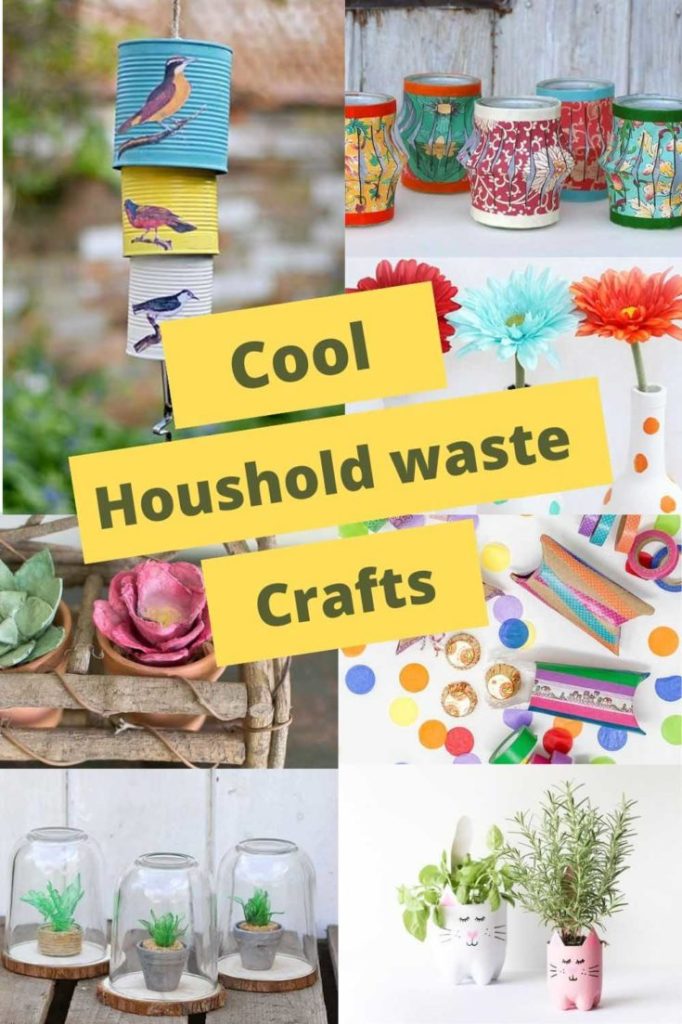
As we continue to explore this captivating realm, consider embarking on a personal upcycling project. The journey not only offers a chance to create something unique but also cultivates a deeper understanding of our relationship with material goods. From simple projects to more intricate endeavors, the allure of upcycling invites everyone to join the movement toward sustainability, creativity, and personal expression. Prepare to be inspired and discover how upcycling can enrich your life while contributing positively to our planet.
Embarking on Your Upcycling Journey
As you delve into the art of upcycling, it’s beneficial to understand the various materials that can be repurposed. The beauty of this creative practice lies in the variety of everyday items that often go overlooked. By shifting your perspective on common objects, you can uncover hidden potential in items that may otherwise be deemed useless. Here are some widely available materials that can be upcycled:
- Glass Jars: These versatile containers can be transformed into candle holders, vases, or storage solutions for small items.
- Old Clothing: Rather than discarding that collection of clothes you no longer wear, consider making tote bags, pillow covers, or quilts.
- Furniture: An outdated piece of furniture can gain new life through paint, new hardware, or by being reimagined for a different purpose.
- Wooden Pallets: Often found for free at local businesses, pallets can be fashioned into anything from garden beds to coffee tables.
- Metal Containers: Cans, tins, and other metal containers can be repurposed into planters, kitchen holders, or even artistic sculptures.
Once you’ve gathered your materials, the next step is to brainstorm project ideas that reflect your style and needs. This can be a fun family activity or a solo endeavor that allows for peaceful reflection. You might want to consider popular upcycling trends, such as furniture refinishing or textile arts, both of which have gained traction among DIY enthusiasts.
There are numerous resources available to get you started on your upcycling projects. YouTube and DIY blogs are fantastic platforms, offering step-by-step guides on everything from simple crafts to more complex builds. Additionally, local makerspaces or community centers often host workshops where you can learn techniques from experienced crafters. Not only will you gain practical skills, but you might also meet like-minded individuals who are passionate about sustainable living and upcycling.
As you explore these resources, don’t forget to document your journey. Sharing your progress and finished projects on social media can inspire others to think creatively about the objects they dispose of. By engaging with others in the upcycling community, you open the door to new ideas and techniques, expanding your repertoire and igniting your creativity.
Ultimately, upcycling is about more than just creating stunning crafts; it fosters a mindset of sustainability and innovative thinking. Each project finished not only enhances your environment but also contributes to a larger purpose of reducing waste and conserving resources around the globe. The potential is vast, and your imagination is the limit. Why not take that ‘trash’ and make it treasure today?
The Art of Upcycling: Transforming Common Objects into Unique Crafts
In a world increasingly concerned with sustainability, upcycling has emerged as a creative solution to reduce waste while encouraging artistic expression. Upcycling goes beyond recycling by allowing individuals to take what might be considered trash and transform it into something valuable and functional. This practice not only promotes environmental consciousness but also empowers crafters to explore their creativity. Let’s delve deeper into the advantages of this rewarding hobby through the following table:
| Category | Details |
|---|---|
| Environmental Benefits | Upcycling reduces landfill waste and conserves resources by transforming discarded materials into new products. |
| Creativity Boost | Engaging in upcycling ignites the imagination and inspires innovative approaches to art and design. |
These aspects of upcycling not only facilitate a responsible approach to material use but also cultivate a vibrant community of craft enthusiasts. Whether it’s turning old furniture into stylish decor or transforming glass jars into decorative storage, the possibilities are endless. As you explore the world of upcycling, each project opens a door to new ideas and the joy of giving life to once-forgotten objects. Dive into this creative journey and discover how you can make a significant difference, one craft at a time.
Creative Techniques for Transforming Your Crafts
Once you’ve gathered your materials and conceptualized your projects, it’s time to explore the various creative techniques that can elevate your upcycling endeavors. Each method offers unique advantages, allowing you to personalize your upcycled items and showcase your artistic flair. Below are several innovative techniques that can transform your commonplace objects into standout crafts:
- Painting and Stenciling: A fresh coat of paint can do wonders for an object’s appearance. Furniture, in particular, can be revitalized with a vibrant color or a sophisticated finish. Use stencils to add patterns, quotes, or designs that resonate with you. This method is accessible for beginners and can lead to stunning visual results.
- Decoupage: This technique involves adhering paper or fabric cutouts to surfaces using a glue mixture. You can bring new life to surfaces by using decorative paper or even pages from old books or magazines. Decoupage can be applied to furniture, boxes, and more, allowing for personalized art that tells a story.
- Sewing and Quilting: When it comes to upcycling textiles, sewing skills come in handy. Old clothes can be stitched together to create unique quilts, bags, or even wall hangings. Incorporating mixed fabrics adds depth and contrast to your creations, making them truly one-of-a-kind.
- Repurposing Functions: Rather than strictly altering the appearance of an object, consider changing its function entirely. An old wooden ladder can serve as a rustic bookshelf, while glass bottles may transform into stylish pendant lights. This functional approach encourages outside-the-box thinking and can often be more challenging, leading to rewarding outcomes.
- Collage and Assemblage: For those with a taste for eclectic designs, consider creating collages or assemblages. Utilize small discarded objects, such as buttons, fragments of fabric, or broken jewelry to create layered art pieces or sculptures. This technique not only highlights your creativity but also results in unique decor that sparks conversation.
As you hone your skills, don’t hesitate to experiment with mixed media, combining various techniques to create multi-dimensional pieces. Take a cue from artists and makers who often intertwine materials like wood, metal, and textile to produce engaging works of art. Online communities and platforms, such as Pinterest or Instagram, are treasure troves of inspiration and examples that can ignite your creativity.
Moreover, while honing your craft, keep in mind the element of sustainability. Another layer to consider is how your creations can minimize their own environmental impact. Use eco-friendly paints and adhesives whenever possible, and be mindful of the durability of the materials you choose. This commitment to sustainability enhances the value of your projects, making the upcycling journey even more rewarding.
Additionally, think about how your upcycled projects can contribute to your community. Consider donating finished crafts to local charities, or even hosting workshops to teach others about the art of upcycling. Collaborating with local organizations not only expands your network but also encourages a sustainable mindset within your community, ultimately fostering a culture of creativity and resourcefulness.
In this age of consumerism, the art of upcycling stands as a beacon of innovation and sustainability. By embracing creative techniques and fostering community engagement, you’ll not only transform ordinary objects but also cultivate a compassionate world that respects and cherishes our resources.
Embracing Upcycling for a Sustainable Future
In closing, the art of upcycling transcends mere creativity; it serves as a fundamental approach towards reshaping our consumption habits and fostering sustainability. By transforming common objects into unique crafts, we not only reinvigorate items that would otherwise contribute to waste but also unleash our artistic potential. This practice encourages a deeper appreciation for materials, prompting us to see value where others see disposables.
As you embark on your upcycling journey, remember that the techniques at your disposal—whether through painting, sewing, or repurposing—are just the beginning. You have the power to blend these methods, creating innovative pieces that reflect your personal style while promoting environmental consciousness. Consider engaging with like-minded individuals through local workshops or online platforms to share insights and inspirations. Collaborative efforts can amplify the impact of your projects, fostering a community dedicated to sustainability.
Ultimately, upcycling is more than a trend; it’s a movement that champions resourcefulness and creativity. By adopting this mindset, you contribute to a growing culture that values sustainability, creativity, and community engagement. So, gather your materials, ignite your imagination, and start transforming your neglected items into extraordinary crafts. The possibilities are endless, and the journey is as rewarding as the outcome.