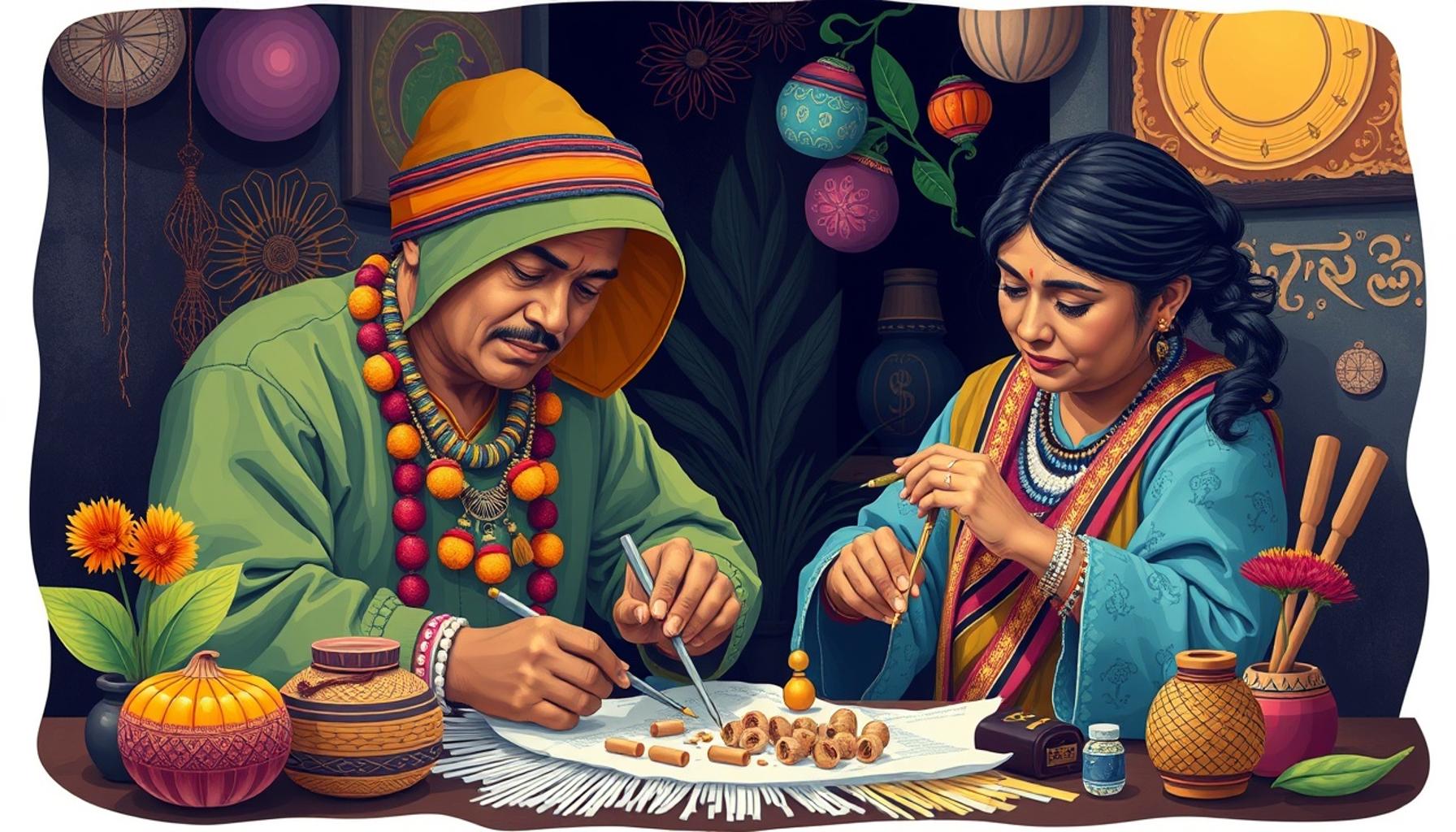
Intercultural Craft Techniques: Learning from Traditions Around the World

The Essence of Global Craftsmanship
Craftsmanship is a profound reflection of human ingenuity and the intricate tapestries woven by cultures across the globe. Through countless craft techniques, we gain insight into the rich traditions and narratives of diverse populations. For centuries, artisans have harnessed their skills to create objects that are not only functional but also imbued with cultural significance.
Take, for instance, the vibrant world of pottery from Mexico. This craft is not merely about shaping clay; it is an art form that has evolved over millennia. Mexican potters often utilize local clay and incorporate bold colors derived from natural minerals. The intricate patterns and designs reflect regional histories and influence, often narrating stories of pre-Hispanic civilizations. Prominent towns known for their pottery, such as Talavera de la Reina and Oaxaca, showcase styles that have garnered international acclaim for their beauty and craftsmanship.
On the other hand, textile weaving in Peru offers a fascinating glimpse into the indigenous cultures of the Andes. Craftspeople typically use techniques that date back thousands of years, employing natural materials like alpaca wool and cotton, dyed using traditional methods that reflect the vibrant hues found in their landscapes. The textiles often feature intricate patterns symbolizing local myths, which can tell stories of spiritual beliefs and communal values, connecting the past with the present.
Meanwhile, the art of wood carving in Africa serves as a powerful medium of storytelling and cultural expression. Regions like the Ivory Coast and Ghana are renowned for their intricate wooden sculptures and masks, which not only function as artistic pieces but also play crucial roles in ceremonial traditions. Each carving can represent tribal identity, spiritual beliefs, or significant life events, demonstrating the profound interconnection between art and heritage.
As we engage with these intercultural exchanges, the ability to appreciate varied craft methods becomes an invaluable resource for embracing global perspectives. This cross-pollination of ideas fosters collaboration, inspiring artists to innovate while honoring traditional techniques. In this way, we celebrate not just the beauty of craftsmanship but also the cultures that give it life, encouraging mutual respect and understanding.
Embarking on a journey to explore intercultural craft techniques enriches our collective experience, inviting us to delve into the stories those crafts hold. As we learn from one another, we nurture a world where creativity knows no boundaries and where every piece of art embodies the essence of its culture.
Exploring Traditional Craft Techniques
As we delve deeper into the realm of intercultural craft techniques, it becomes clear that many of these practices are the result of generations of wisdom passed down through familial lines and community groups. Each unique method is not just a means to create beautiful objects; it is a dynamic expression of cultural heritage, values, and innovation. Let’s take a closer look at some compelling examples around the world that highlight the interconnectedness of heritage and craftsmanship.
Japanese Origami: The Art of Paper Folding
In Japan, the delicate art of origami or paper folding, transcends mere activity; it is a meditative practice grounded in patience and precision. Traditional origami began with simple designs but has evolved into complex creations that encompass everything from animals to intricate geometric patterns. The craft requires not only skill but also an understanding of symmetry and spatial relationships, showcasing the mathematical foundations inherent in art. Popularizing this ancient practice beyond borders, or educators in interactive workshops incorporate origami into educational curriculums to promote both creativity and critical thinking.
Indian Block Printing: Where Fabric Meets Tradition
Further west in India, the age-old craft of block printing is a vivid illustration of how fabric can narrate tales of lineage and cultural identity. Using wooden blocks carved with intricate designs, artisans in places like Rajasthan create stunning textiles that depict flora and fauna, traditional motifs, and vibrant colors deeply rooted in their surroundings. The process is labor-intensive, requiring immense skill and precision, yet it embodies the spirit of sustainability, as many artisans source their dyes and materials from natural resources. Global interest in sustainable fashion has shifted attention to these traditional methods, allowing for cultural rediscovery and respect.
Moroccan Tadelakt: A Mud that Breathes
In Morocco, the ancient technique of Tadelakt, a type of plasterwork, showcases craftsmanship at its most tactile and striking. This waterproof plaster, created through a labor-intensive process involving lime and natural pigments, is expertly applied to create smooth, polished walls and intricate designs. Tadelakt’s versatile applications can be found in homes, hammams, or traditional mosques. The beauty of this craft lies not only in its aesthetics but also in its environmentally friendly properties, as it utilizes local resources and enhances air quality through its breathability.
Reasons to Celebrate Intercultural Craftsmanship
The exploration of such diverse craft techniques serves several important purposes:
- Cultural Preservation: By learning and practicing these techniques, we help preserve the cultural narratives that shape communities.
- Creative Exchange: Intercultural interaction allows artisans to blend techniques and materials from different traditions, leading to innovative results.
- Global Awareness: Embracing craft techniques from around the world fosters a deeper understanding and appreciation of different cultures.
- Sustainable Practices: Many traditional crafts emphasize environmental sustainability and conservation, encouraging modern society to reflect on its own consumption patterns.
As we continue to investigate the myriad of cultural learning derived from these traditional craft techniques, we are reminded that each intricate design is emblematic of the histories, values, and philosophies behind them. Through this lens, we can appreciate not just the artistry but also the cultural significance that such crafts hold on a global scale, enriching human experiences and connecting us all.
| Advantages | Description |
|---|---|
| Cultural Preservation | Traditional craft techniques serve as a vital means of preserving cultural heritage, ensuring that age-old skills and knowledge are passed down through generations. |
| Skill Development | Engaging in these practices allows individuals to develop valuable fine motor skills and an artistic appreciation, fostering creativity and focus. |
Exploring the world of intercultural craft techniques opens up a fascinating journey into the depths of global traditions. In every corner of the world, artisans employ unique methods that reflect their cultural significance. For instance, indigenous weaving techniques from South America often use natural dyes, connecting the craft with both nature and local identity. Similarly, the Japanese art of pottery highlights meticulous detail, honoring centuries-old practices that not only produce functional items but also serve as cultural markers.Moreover, these traditional crafts often embrace sustainability, utilizing locally sourced materials that promote a low-impact lifestyle. This aspect not only plays a role in environmental conservation but also supports community economies, encouraging local artisans to thrive amidst global competition.The stories behind these crafts are equally compelling. They narrate the interplay of history and identity, showing how interwoven our cultural narratives are. As you delve deeper into these intercultural experiences, you find not just the art itself but the shared values and respect for craftsmanship that unites us all. The exploration of such techniques promises to enrich one’s appreciation of not only the crafts but also the diverse tapestry of human experience.
Reviving Ancient Techniques with Modern Applications
Craft techniques that have stood the test of time not only offer a glimpse into the social fabric of cultures but also possess the ability to adapt and thrive in contemporary contexts. As the world becomes more interconnected, artisans are increasingly finding ways to blend traditional craftsmanship with modern technology and design innovations. This fusion not only preserves cultural nuances but also provides unique opportunities for economic development and creative expression.
Mexican Alebrijes: Colorful Fantasies in Wood
In Mexico, the art of crafting alebrijes—vividly painted wood sculptures—originates from the indigenous Zapotec community in Oaxaca. Originally, these fantastical creatures were associated with dreams and imagination. Today, artisans use modern tools alongside traditional hand techniques to transform local wood such as copal into stunning pieces of art that celebrate both heritage and creativity. The tradition has gained global popularity, leading to exhibitions and collaborations that elevate local crafts to international platforms. This shift not only provides sustainable income sources for artisans but also elevates their craftsmanship onto the world stage, merging ancient art forms with contemporary storytelling.
Peruvian Weaving: The Threads of Culture
The stunning textiles crafted by the Quechua and Aymara peoples of Peru exemplify the intricate skills passed down through generations. Using traditional time-consuming techniques with vibrant natural dyes, these artisans weave stories into the very fabric of their creations. Recognizing the global demand for artisan-made products, non-profit organizations and local cooperatives have started to integrate these traditional practices into modern fashion by collaborating with designers from around the world. Such initiatives promote fair trade and create a value chain that respects the cultural significance of weaving while making these vibrant textiles accessible to a broader audience.
Finnish Sámi Reindeer Hides: Crafting with Nature
In the northern reaches of Europe, the Sámi people have a profound relationship with reindeer, using their hides to craft traditional garments known as gákti. This practice highlights a deep understanding of sustainable living, as the Sámi utilize every part of the reindeer in their crafts, from clothing to tools and even musical instruments. In recent years, there has been a resurgence in interest in Sámi craftsmanship, which has seen modern designers seeking to incorporate these techniques into high-fashion collections. By marrying traditional methods with contemporary styles, Sámi artisans not only preserve their cultural identity but also educate others about the importance of living in harmony with nature.
The Role of Digital Platforms in Craft Sustainability
The rise of digital platforms has enabled artisans from around the world to reach larger audiences, providing avenues for sharing their craft techniques and cultural stories. Websites such as Etsy and social media platforms allow artisans to sell their work while also telling the narratives behind their crafts. This has given rise to a new wave of intercultural exchange where consumers can appreciate the historical significance and processes behind each handcrafted item. By purchasing directly from artisans and participating in workshops, individuals are not only acquiring unique pieces but are also contributing to the preservation of cultural heritage and sustainable practices.
The exploration of these intercultural craft techniques highlights the importance of adapting traditional knowledge to fit modern sensibilities. Whether through collaborative designs, sustainable practices, or digital markets, the revival of these methods serves as a reminder of the richness of cultural diversity and the potential for creativity that exists when traditions are honored and integrated into contemporary life.
Embracing Craft Heritage in a Globalized World
As we reflect on the diverse intercultural craft techniques explored throughout this article, it becomes clear that these traditions are not only vital pieces of human history but also dynamic expressions of cultural identity and creativity. The ability of artisans to adapt their ancestral skills to contemporary demands fosters a profound connection between the past and present. By integrating modern tools, designs, and sustainable practices, these crafts evolve while still honoring their rich roots.
From Mexican alebrijes to Peruvian weaving and Sámi reindeer hides, the stories embedded in each technique illustrate the remarkable ways people relate to their environment and each other. These art forms do not merely celebrate aesthetics; they embody a narrative of resilience, innovation, and community. The impact of digital platforms in democratizing access to these crafts further underscores the potential for cross-cultural exchange and economic empowerment.
In an age where global interconnectedness shapes our daily lives, engaging with traditional crafts offers a unique avenue for understanding and appreciating cultural diversity. As consumers, we can actively participate in this narrative by supporting artisans and advocating for fair trade principles. By doing so, we contribute to the preservation of these invaluable techniques and ensure that the legacies of these craftsmen and women continue to thrive for generations to come.
Ultimately, the journey into intercultural craft techniques serves as an invitation to learn, explore, and celebrate the rich tapestry of human creativity. Let us embrace these traditions not only as artifacts of the past but as living, breathing practices that connect us to each other and the world around us.