Exploring the Music of the World: How Cultural Diversity Enriches Our Musical Experiences
Exploring the Soundscape of Cultures
Music possesses a unique power to transcend boundaries and connect cultures. Every note, beat, and rhythm tells a story, encapsulating the essence of the societies that create it. As we delve into global musical traditions, we uncover a vibrant tapestry woven from diverse histories, experiences, and emotions that shape our collective humanity. This exploration not only enhances our appreciation of music but also fosters a deeper understanding of different cultures, offering a perspective that can unite rather than divide.
The Melodic Origins of Popular Genres
Consider the wide array of musical styles that enrich our world: from the soulful grooves of jazz to the upbeat and socially conscious rhythms of reggae. Each genre represents not just a style of music but also a cultural movement imbued with significance.
- Jazz – Born in the heart of New Orleans in the late 19th and early 20th centuries, jazz is a musical form that blends African rhythms with European harmonies. Its improvisational nature reflects the struggles and creativity of African American communities and has significantly influenced countless genres worldwide, including rock and hip-hop.
- Reggae – Originating from Jamaica in the late 1960s, reggae music is characterized by its offbeat rhythms and socially conscious lyrics, often addressing issues like poverty, love, and resistance. The legendary Bob Marley is perhaps the most famous ambassador of this genre, using his platform to promote peace and social justice.
- Flamenco – Flamenco is a passionate musical expression from the Andalusian region of Spain, known for its intricate guitar playing, vibrant dancing, and emotive singing. With roots in the Romani culture, flamenco embodies a rich narrative of joy and sorrow, making it a captivating art form that resonates with audiences far and wide.
- Indian Classical Music – Steeped in tradition, Indian classical music is renowned for complex ragas and talas that govern its improvisational frameworks. This genre often conveys deep spiritual thoughts and narratives, and its diverse forms, such as Hindustani and Carnatic music, are celebrated for their intricate melodies and rhythms.
The Crossroads of Human Experience
By engaging with these diverse genres, we not only enrich our musical experiences but also build bridges between communities. Music can serve as a vital medium for cross-cultural dialogue, reflecting distinct cultural values while simultaneously revealing shared human emotions.
- Embracing cultural diversity in music allows us to appreciate unique sounds and traditions that, while foreign to some, serve as a mirror reflecting the human experience in various forms.
- Through music, we have the opportunity to discover shared human experiences that transcend geographical and cultural boundaries—be it love, despair, resistance, or joy.
- Fostering respect and empathy across cultures becomes easier when we open our ears and hearts to the stories being told through melodies, allowing us to learn from one another.
As we delve deeper into the music of the world, we embark on a journey that challenges our perceptions, welcomes new influences, and ultimately transforms how we connect with each other through song. The universal language of music serves as a reminder that despite our differences, we are all part of a shared human story. So, let the music play and may our hearts be open to the harmonies that unite us.
Melodies That Resonate Across Borders
As we embark on the journey of exploring the music of the world, it becomes apparent that each cultural soundprint offers a rich narrative waiting to be uncovered. The diversity of musical forms reflects the unique histories and experiences of different communities. From traditional instruments to contemporary genres, these variations act as vessels carrying the stories of people around the globe. The use of regional rhythms, instruments, and lyrics not only enhances our listening experience but also invites us into the heart of different cultures, encouraging a sense of empathy and understanding.
Unique Instruments and Their Stories
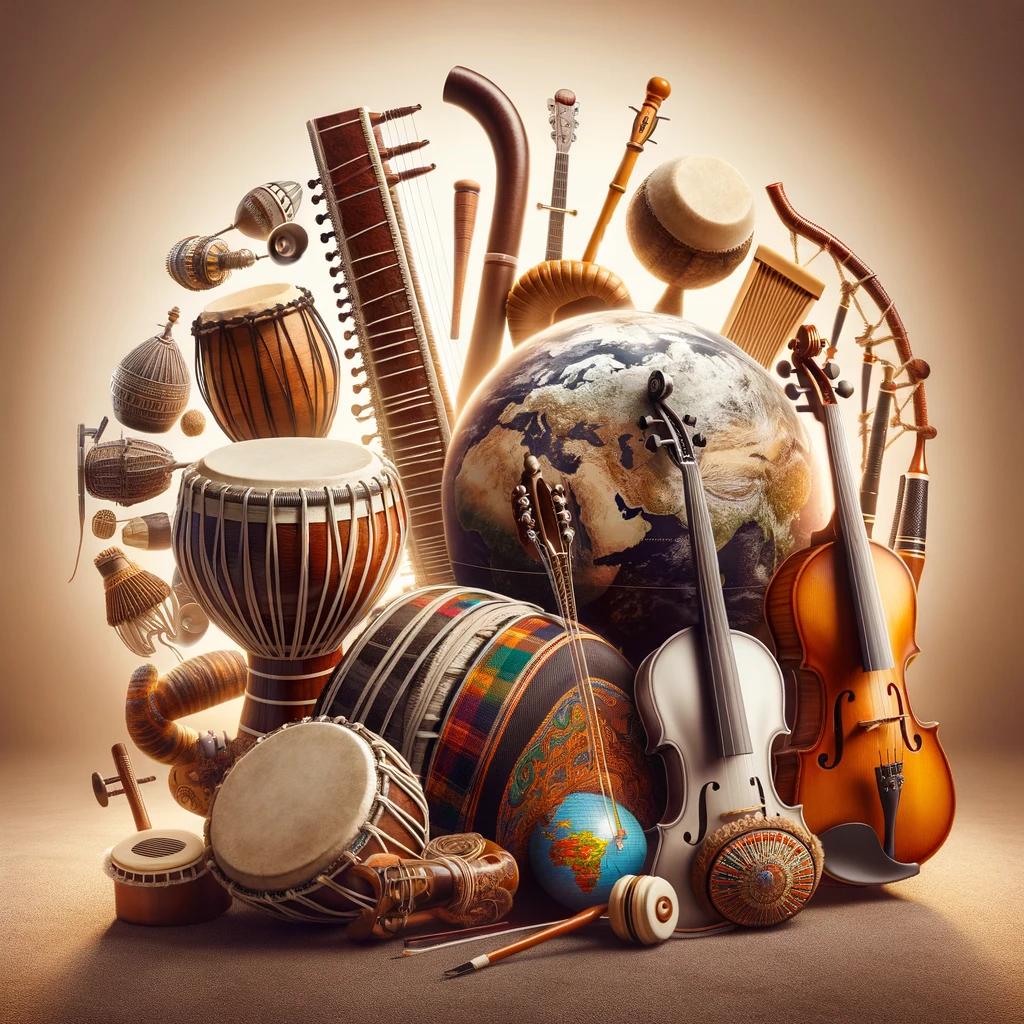
The instruments used in musical traditions worldwide are often steeped in cultural significance, each with its own story. These instruments serve as more than mere tools of entertainment; they embody the spirit of their origins, telling tales of struggles, triumphs, and communal celebrations.
- Taiko Drums – Originating from Japan, taiko drums are a powerful symbol of community and tradition. Often used in festivals and ceremonies, the drumming is not only a musical performance but also a physical expression that brings people together. The rhythmic sound reverberates deep within, creating a connection that transcends language and culture.
- Didgeridoo – This ancient wind instrument from Australia’s Indigenous peoples holds spiritual significance and is traditionally used in ceremonial purposes. With its unique drone sound, the didgeridoo embodies the connection to the land and ancestral lineage, making it a profound example of music as a medium for storytelling and cultural preservation.
- Berimbau – A single-string percussion instrument from Brazil, the berimbau is fundamental to the Brazilian martial art of capoeira. It is a symbol of resilience and cultural identity, bridging African and Brazilian traditions. The sounds of the berimbau reflect the struggles of enslaved Africans and their fight for freedom, resonating with themes of resistance and hope.
- Oud – A pear-shaped stringed instrument from the Middle East, the oud holds a revered place in Arabic music. Its deep, warm tones evoke complex emotions and are often used to express themes of love and longing, making it an essential tool for storytelling through music.
The Role of Fusion Genres
In today’s globalized world, the cross-pollination of musical genres has led to the emergence of fusion genres that blend traditional sounds with contemporary influences. These fusions not only reflect the cultural amalgamation present in societies but also offer fresh perspectives on familiar styles.
For example, Afrobeat combines African musical styles with jazz, funk, and highlife, creating dynamic and infectious rhythms that have gained international traction. Artists like Fela Kuti pioneered this genre to express sociopolitical messages, showcasing music’s power as a vehicle for change. Similarly, world music festivals and collaborations have created spaces for artists to mix different influences, resulting in innovative sounds and experiences that captivate diverse audiences.
By immersing ourselves in these diverse musical landscapes, we do not merely listen; we engage with the world around us. Every strum, beat, and vocalization offers a glimpse into the cultural heart, enriching our understanding and appreciation of the vast array of human experiences. As we continue exploring, we uncover the profound ways in which cultural diversity transforms our musical experiences and deepens our connections to one another.
| Cultural Influences | Impact on Music |
|---|---|
| Global Rhythms | Different cultures contribute unique rhythms that enhance musical compositions. |
| Instrumentation | Cultural diversity introduces a variety of instruments, enriching the soundscape. |
| Song Structures | Diverse musical forms and traditions lead to innovative and experimental song structures. |
| Lyric Themes | Different cultural narratives enrich lyrical content, offering deeper storytelling. |
Exploring these various aspects reveals the profound ways that cultural diversity shapes our musical experiences. The incorporation of global rhythms not only creates a rich tapestry of beats but also encourages musicians to experiment with cross-cultural collaborations. The melding of different instrumentation, ranging from African drums to Asian string instruments, infuses unique tones and textures into music that captivates audiences worldwide. As musicians draw upon song structures inherent in diverse traditions, we witness an innovation that continually refreshes the landscape of popular music today. Additionally, lyric themes, influenced by a variety of cultural narratives, broaden the scope and emotional depth of musical storytelling, making it available to a larger audience. This interconnectedness through music invites listeners to appreciate cultural diversity in ways that transcend borders, enhancing their auditory experiences and fostering a universal appreciation for the art form.
The Power of Traditional Music in Modern Contexts
While fusion genres are gaining popularity, the value of traditional music in the context of cultural heritage cannot be overstated. These forms of music not only serve as a crucial link to the past; they also play a vital role in contemporary expressions of identity. Engaging with traditional music allows us to draw connections between historical narratives and modern experiences, offering a nuanced understanding of current societal issues.
Celebrations of Heritage Through Festivals
Festivals dedicated to traditional music often showcase the role of music as a means of preserving cultural identity. Events like the National Folk Festival in the United States highlight the significance of folk music from diverse backgrounds, from Appalachian bluegrass to Native American drumming. These festivals serve as platforms where different communities can come together, share their identities, and invite audiences to experience their history through song and dance.
In other parts of the world, traditional festivals such as India’s Holi and Diwali incorporate regional music to reflect their rich cultural tapestry. The sounds of dhol drums, flutes, and vocal chants during these festivities not only invigorate the celebrations but also reflect centuries-old customs, keeping the spirit of the culture alive for new generations.
Global Influence of Traditional Music on Pop Culture
The resonance of traditional music extends beyond festivals and performances, increasingly influencing mainstream pop culture. Artists such as Shakira and Bad Bunny have effectively integrated traditional Latin sounds into their music, bringing genres like cumbia and reggaeton to an international stage. This blending of styles often invokes themes of nostalgia and cultural pride, appealing to audiences while introducing them to the richness of Latin musical heritage.
Moreover, even genres considered “American,” like country music and jazz, have roots in traditional folk and blues, reflecting the diverse ancestry of musicians in the United States. The blues, for instance, traces back to African tribal music and the hardships of the African American experience, narrating stories of pain, hope, and resilience. Contemporary artists like Gary Clark Jr. are reinterpreting these rich traditions, infusing modern sensibilities while honoring their origins.
The Role of Technology in Cultural Preservation
In the digital age, technology plays a significant role in the accessibility and preservation of traditional music. Platforms like Spotify and YouTube allow artists to reach global audiences, celebrating their cultural heritage while contributing to a more dynamic cultural exchange. Digital archives and projects dedicated to the documentation of indigenous music are essential in safeguarding these sounds for future generations, enabling a dialogue between past and present.
Moreover, social media has become a powerful tool for musicians to share their stories and engage with fans worldwide. Artists can leverage platforms like Instagram and TikTok to highlight their cultural backgrounds and invite listeners to experience their musical narratives, further bridging cultural gaps. These technological advances encourage an appreciation of the diversity of music, fostering inclusivity and understanding through shared artistic experiences.
Ultimately, the intertwining of cultural diversity and music amplifies our collective human experience, allowing us to explore deeper connections across borders. With each strum, beat, and vocal harmonization, we partake in a global narrative that enriches our understanding of one another and the world we inhabit.
Embracing the Soundscape of Diversity
In conclusion, the exploration of the music of the world reveals a vibrant tapestry woven from the threads of cultural diversity. Each musical style not only represents its cultural origins but also highlights the shared human experiences that connect us all, fostering a deeper understanding of differing worldviews and identities. From the pulsating rhythms of traditional festivals to the innovative fusions in modern pop culture, music serves as a potent medium for storytelling, expression, and unity.
As we embrace different musical traditions, we discover the power of traditional forms in shaping modern identities and influencing contemporary sounds. This blend of old and new not only preserves cultural heritage but also introduces global audiences to resonant histories that might otherwise remain unheard. Moreover, in our technology-driven world, the accessibility of music is unparalleled, enabling artists to share their unique narratives across borders and allowing fans to immerse themselves in a wide array of cultural experiences.
Ultimately, engaging with music from diverse backgrounds not only enriches our auditory experiences but also broadens our perspectives on community, resilience, and creativity. The next time the notes of a foreign melody cross your path, take a moment to listen closely; within those harmonies lies a universe of stories, experiences, and lessons waiting to be explored. By celebrating the cultural diversity embedded in music, we encourage a more inclusive world where every voice is heard and appreciated.