The Evolution of Performing Arts: From Tradition to Modernity
Historical Roots of Performing Arts
The roots of performing arts can be traced back to ancient civilizations, where they played significant roles in rituals and community gatherings. For instance, the ancient Greeks gave birth to theater as we know it today, with iconic playwrights like Aeschylus, Sophocles, and Euripides shaping the narrative forms and themes that continue to influence contemporary storytelling. Their plays not only entertained but also explored complex moral dilemmas and human emotions, offering insights into the cultural psyche of the time.
As societies evolved, so did their performing arts. In regions such as Africa, Asia, and the Americas, indigenous dances and music were not merely forms of entertainment; they were crucial for preserving history, traditions, and communal identities. For example, the Native American powwow celebrates cultural heritage through music, dance, and story, showcasing a rich blend of folklore and communal values.
Cultural Fusion in Modern Performances
In today’s globalized world, the boundaries between different artistic styles are increasingly blurred, resulting in a fascinating cultural fusion. Contemporary performances often incorporate elements from various traditions, leading to the emergence of hybrid genres. A remarkable example is the fusion of hip-hop and traditional Indian dance, which has gained popularity in both the United States and abroad. This blend not only enriches the artistic landscape but also fosters a deeper understanding of diverse cultural narratives.
- Example of Cultural Fusion: The musical “The Lion King” brilliantly combines African rhythms and indigenous musical elements with Western theatrical styles, resulting in a performance that resonates with global audiences.
- Impact on Community: Community theaters across the U.S. have begun to adopt diverse narratives and forms, allowing unsung voices to emerge and be represented in the performing arts. These initiatives often lead to greater community engagement and cultural appreciation.
The Role of Technology in Transformation
Technological advancements have had a profound impact on the evolution of performing arts. The introduction of digital media has allowed artists to reach broader audiences, transcending geographical limits. For instance, many productions are now streamed online, making theater accessible to anyone with internet access. Moreover, innovations such as virtual reality experiences provide audiences with immersive performances that can transport them into the heart of the theatrical experience.
In recent years, festivals like the South by Southwest (SXSW) have showcased how technology can amplify the performing arts, offering a platform for artists to experiment with multimedia storytelling and interactive performances.
Conclusion: A Dynamic Conversation
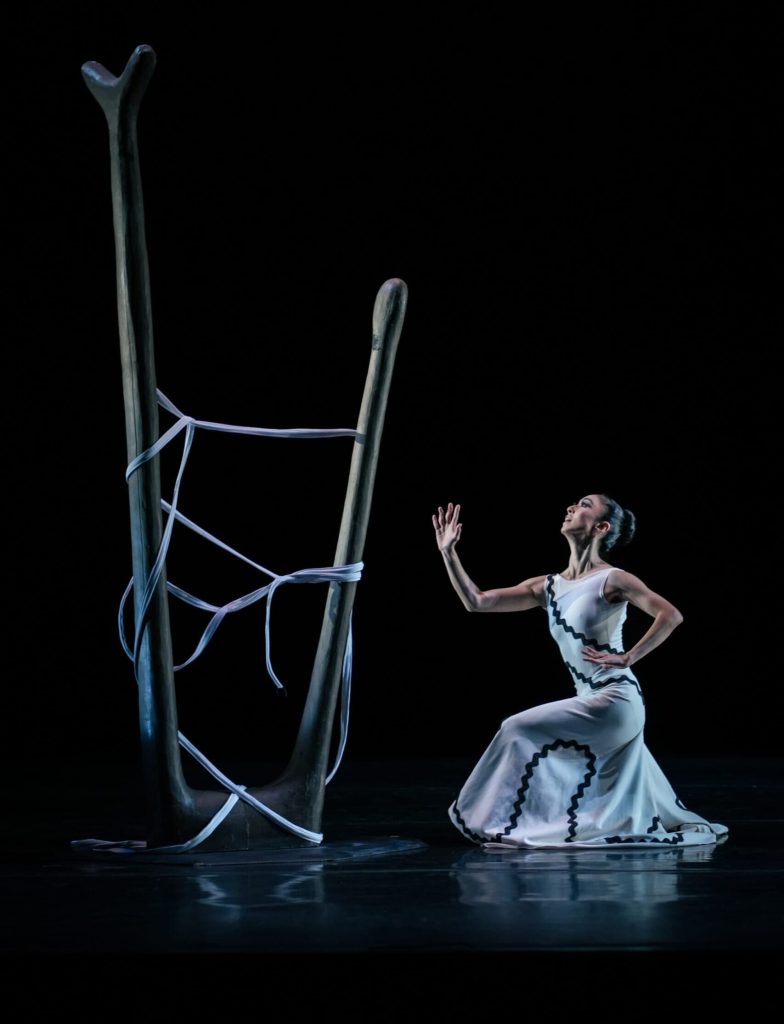
The continuous transformation of performing arts reveals a dynamic conversation between the past and present. As these art forms evolve, they reflect the complex tapestry of human experience and societal change, challenging audiences to reflect upon their identity and values. From traditional theatrical productions to experimental digital performances, the performing arts remain a vital force in shaping cultural discourse. Engaging with these artistic expressions not only offers entertainment but also invites a deeper exploration of our shared human journey.
Shifting Paradigms in Performing Arts
The transition from traditional to modern performing arts reflects not just changing tastes but significant cultural shifts and societal transformations. Performing arts across the globe have acted as a mirror, reflecting the values, beliefs, and anxieties of their times. Historically rooted in communal and ritualistic expressions, art forms have gradually ventured into realms driven by individualism and innovation, showing a remarkable adaptability.
In the United States, this evolution can be prominently observed in the emergence of various genres that bridge the gap between past traditions and contemporary styles. For example, the rise of musicals in the 20th century was a turning point, combining storytelling, acting, and music to cater to diverse audiences. From early Broadway productions to the recent blockbuster adaptations of films like “Hamilton”, these performances serve as a unique convergence of historical narratives and modern expressions, appealing to a wide demographic.
The Role of Cultural Context in Shaping Performances
Cultural context plays an essential role in shaping the trajectory of performing arts. As different communities and ethnic groups migrated to the U.S., they brought their own rich traditions, which have, over time, been woven into the performing arts fabric. Consider the influence of African American cultural expressions, such as jazz, blues, and hip-hop. These genres have not only transformed musical landscapes but have also prompted reflections on historical narratives — addressing issues of identity, race, and injustice.
- Theater of the Oppressed: Founded by Augusto Boal, this innovative approach used theater as a means of promoting social change, illustrating how art can emerge from the confrontations and struggles of marginalized communities.
- Fusion of Genres: Contemporary dance often intertwines hip-hop with ballet or modern dance, showcasing how diverse influences can foster creative dialogues and innovative forms of expression.
- Xenophobia to Acceptance: The transition from viewing new immigrant art forms as foreign to embracing them as integral parts of American culture reflects the broader societal shifts towards diversity and inclusion.
This dynamic interplay between tradition and modernity not only enriches performances but also invites audiences to engage with evolving narratives. The performing arts are no longer confined to theaters and stages; they are now expressed in public spaces, festivals, and digital platforms, making them more accessible than ever. As technology continues to blaze new trails, artists are discovering and exploring methods to express their creativity in ways that challenge conventional norms and cater to the expectations of a changing audience.
As this journey unfolds, it becomes evident that the evolution of performing arts embodies a broader conversation, one that navigates through cultural experiences, technological advancement, and artistic freedom. These developments invite us to reconsider not only what art means but also how it shapes our understanding of ourselves and each other in a continually evolving world.
The Evolution of Performing Arts: From Tradition to Modernity
As we delve deeper into the fascinating journey of performing arts, it is essential to examine the pivotal transitions that have shaped its landscape. The evolution of performing arts reflects the cultural, social, and technological changes throughout history. From the rich traditions of ancient theaters to the dynamic forms of contemporary performances, the trajectory of performing arts is both enlightening and intricate.The integration of technology has revolutionized how performances are produced and experienced. The advent of digital media has allowed for innovative storytelling methods and unique audience interactions. For example, virtual reality and augmented reality experiences are redefining theatrical boundaries, providing immersive experiences for viewers. This merging of traditional arts with modern innovations is reshaping audiences’ expectations and experiences, leading to a more participatory form of art.Additionally, global influences have broadened the palette of performing arts. Cultural exchange has led to the blending of genres and styles, resulting in the emergence of hybrid forms of performance that draw inspiration from various traditions. These cross-cultural collaborations not only enhance the richness of the art but also promote a deeper appreciation of diverse cultural expressions.Moreover, social movements have played a crucial role in shaping thematic content within the performing arts. Artists have increasingly used their platforms to address pressing societal issues, advocating for change through their work. This trend underscores the performing arts as a mirror reflecting contemporary society’s challenges and triumphs, encouraging dialogue and fostering understanding among audiences.In addition, the role of the audience has transformed significantly. Historically, spectators were passive observers; today’s audiences are often more active participants, engaged in the performance’s narrative. This shift emphasizes the importance of community involvement in the arts, encouraging local voices to be heard and celebrated.As we continue to explore this profound evolution, it becomes clear that the performing arts are not merely a reflection of cultural change but also a dynamic force in shaping society’s future narratives. Each era brings forth new opportunities for expression, enabling artists to connect with audiences on deeper levels and challenging them to consider new perspectives. Finally, the future of performing arts lies in its ability to adapt and thrive amidst change, preserving the essence of tradition while embracing the potential of modernity. Understanding this evolution opens pathways for both artists and audiences alike to engage with the past, present, and future of performing arts in meaningful ways.
| Category | Description |
|---|---|
| Technological Integration | Innovations like VR and AR are enhancing audience engagement. |
| Cultural Exchange | Hybrid performances emerge from collaborations across cultures. |
| Social Impact | Performances often reflect and address societal issues. |
| Audience Participation | Modern performances encourage active engagement from viewers. |
Innovation and Technology: Expanding Artistic Horizons
As the landscape of performing arts evolves, the influence of innovation and technology cannot be overstated. Artists and companies now have access to tools and platforms that enable them to push boundaries and reach broader audiences. Performance art has transitioned from traditional stages to digital realms, exemplified by the rise of live-streaming events and digital theater productions. Such innovations not only enhance the overall experience but also foster a new level of interactivity between performers and audiences.
The incorporation of technology into performing arts can be seen starkly in the world of dance and theater. With advancements in projection mapping, for instance, stage productions can now transpose entire environments, transporting audiences to different realms without the constraints of physical sets. Productions like “Sleep No More” have utilized these techniques to offer immersive experiences that challenge traditional boundaries, inviting viewers to navigate the performance space actively.
The Interplay of Global Influences
The globalized nature of the modern world has also influenced the evolution of performing arts. International collaboration and cross-cultural exchanges have enriched performances, creating unique hybrids that resonate widely. This is particularly evident in the rise of multicultural theater companies, which prioritize inclusive narratives that reflect the diverse fabric of society. Companies such as the National Asian American Theatre Company and Theater Mu have made significant strides in amplifying voices that were historically marginalized, bringing key issues and stories to the forefront of American theater.
- Global Music Collaborations: Artists are blending traditional melodies with contemporary beats, leading to genres such as world music that appeal to diverse audiences while retaining their cultural roots.
- Transnational Festivals: Events like the Magnitude Festival, which showcases international talent, highlight how performing arts can create space for dialogues among various cultures.
- Cultural Workshops: Through workshops and educational exchanges, artists collaboratively create new works that reflect a fusion of backgrounds while promoting mutual understanding.
Moreover, as we witness the shift towards inclusivity, the representation of marginalized communities in performing arts has become crucial. Many artists are leveraging their platforms to bring attention to significant societal issues such as climate change, mental health, and systemic injustice. For instance, productions that incorporate documentary theater often serve as poignant commentaries on contemporary dilemmas, providing audiences with powerful narratives that resonate on personal and communal levels.
The challenge, however, lies in maintaining the vibrancy of traditional art forms while simultaneously embracing new ideas and technologies. Balancing the authenticity of cultural practices with contemporary expressions is an ongoing negotiation. The question remains: how can we honor the roots of performing arts while exploring uncharted territories that modernity presents? This conversation is crucial as we navigate an increasingly interconnected world, propelling the evolution of performing arts into an exciting but uncertain future.
Conclusion
As we reflect on the evolution of performing arts, it becomes clear that this journey from tradition to modernity is a testament to the resilience and adaptability of artists across history. The integration of technology and global influences has birthed a new era that enriches expression while inviting broader audiences to engage with diverse narratives. From immersive experiences in theater to the collaboration of distinct cultural expressions in music, performing arts are continually being redefined.
This transformation is characterized not only by the merging of artistic styles but also by a commitment to social change, as many artists harness their craft to ignite conversations on pressing issues like social justice and sustainability. The increasing representation of marginalized voices is reshaping the narrative, allowing for a more nuanced exploration of our shared human experience.
However, the challenge of balancing traditional values with innovation remains pivotal. It is essential to honor the roots of performing arts while embracing the potential of modern tools and styles. As audiences, we must remain open to this dynamic interplay, exploring how timeless themes resonate even within avant-garde practices. Ultimately, the future of performing arts is a collective journey, one that promises to forge connections across cultures, inspire future generations, and elevate the art of storytelling to new heights. As this exciting narrative unfolds, it is incumbent upon us to participate in both the preservation of legacy and the welcoming of new interpretations, ensuring that the evolution of performing arts continues to thrive.