The Role of Performing Arts in Early Childhood Education: Fostering Creativity from an Early Age
Exploring the Impact of Performing Arts on Child Development
The early years of a child’s life are formative, laying the groundwork for future learning and creativity. One powerful medium impacting this development is the performing arts. Engaging with these arts introduces children to a world of expression, imagination, and collaboration. The performing arts encompass a wide range of activities, including theater, dance, and music, all of which contribute uniquely to cognitive and social growth.
Incorporating performing arts in early childhood education can:
- Enhance cognitive skills: Activities like dancing and acting sharpen critical thinking. For example, when children participate in a play, they must remember lines, understand character motivations, and respond to their peers’ actions, all of which require analytical skills and memory retention.
- Boost emotional intelligence: Children learn to express and manage their feelings through performance. By embodying various characters, they gain insights into others’ emotions, which fosters empathy and self-awareness.
- Encourage teamwork: Group performances foster cooperation and communication among peers. Working together on a project or performance teaches children the value of collaboration and enhances their social skills, as they must negotiate roles and responsibilities with their classmates.
Research supports the idea that exposure to the performing arts significantly impacts a child’s ability to innovate and solve problems. Studies have shown that children who engage in performing arts programs often outperform their peers in non-arts subjects such as mathematics and reading comprehension. Educators and parents alike are recognizing how essential these experiences are for overall growth, with initiatives increasingly integrating the performing arts into early childhood curriculums.
Moreover, cultural programs across the United States are integrating performing arts into their curriculums, showcasing various art forms that reflect the rich diversity of communities. For instance, organizations like Young Audiences provide children with access to live performances and workshops, introducing them to diverse cultural expressions while allowing them the opportunity to develop their creative voices.
As we delve deeper into this topic, we’ll uncover the manifold benefits of performing arts in early childhood education, demonstrating how they serve as a catalyst for fostering creativity from an early age. The intersection of art and education is not merely about nurturing talents; it is about preparing children for a future where creativity and collaboration are as essential as literacy and numeracy. By prioritizing the performing arts in early education, we can help shape a generation capable of innovative thinking and cultural appreciation.
Unleashing Creative Potential Through Performative Engagement
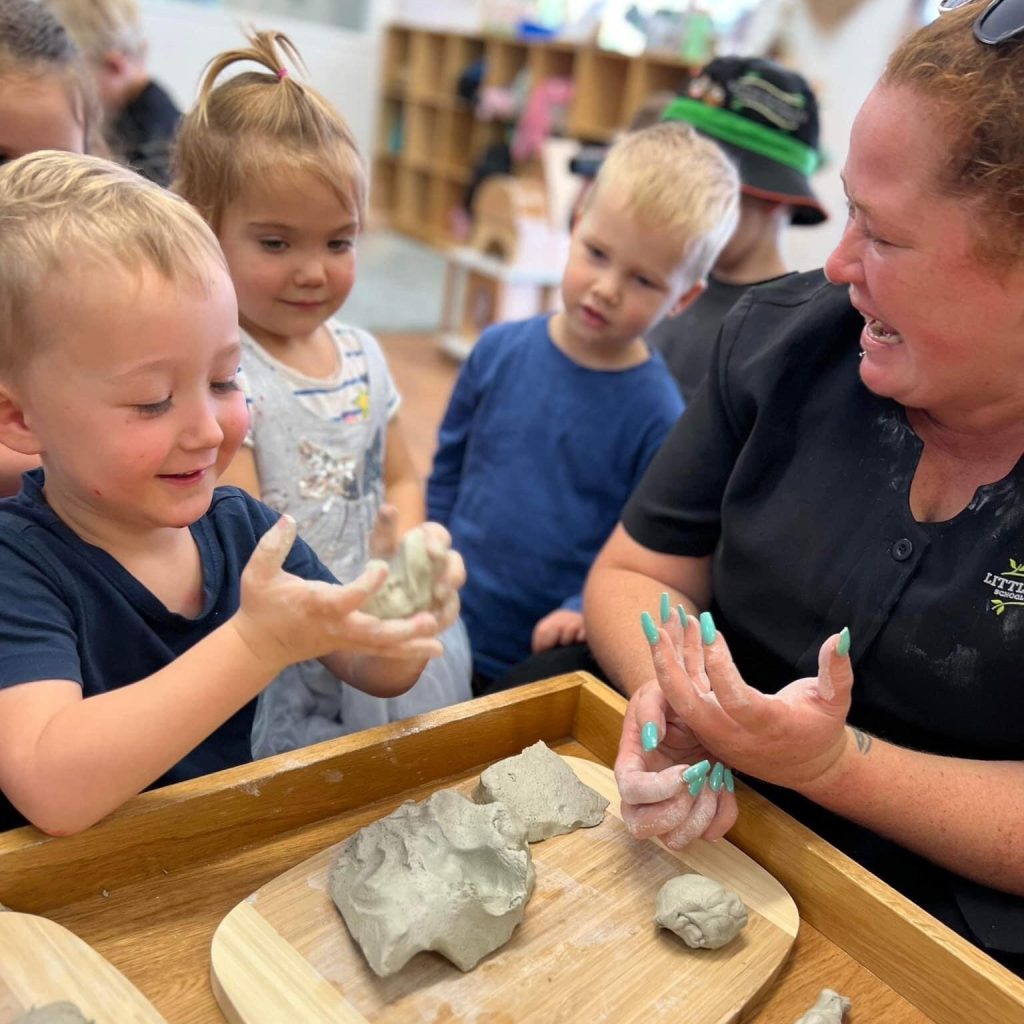
There is an undeniable connection between the performing arts and a child’s ability to harness creativity. From the moment children begin to imitate sounds and gestures, they embark on a journey of exploration and expression that will benefit their personal and educational development. Engaging with the performing arts allows children to tap into their inherent creativity, enhancing their self-confidence and individual expression.
One of the key benefits of incorporating the performing arts into early childhood education is the way it encourages imaginative exploration. Activities such as storytelling, role-playing, and musical improvisation provide children with platforms to experiment with various identities, scenarios, and emotions. This process not only stimulates their imagination but also enables them to develop significant cognitive skills.
- Improvisation and Flexibility: Through spontaneous activity—like engaging in a dance without choreography or participating in an unscripted dialogue—children learn to adapt their thoughts and actions in real-time. This spontaneity fosters a sense of creativity that transcends the classroom, allowing children to approach challenges with innovative solutions.
- Enhanced Communication Skills: Participating in theater or dance encourages children to articulate their thoughts and emotions effectively. As they learn to express ideas through movement, music, or dialogue, their confidence in public speaking and interpersonal communication grows significantly.
- Language Development: Engaging in performing arts can enrich vocabulary and language skills through lyrics, scripts, and storytelling. As children recite lines or sing songs, they encounter new words and phrases, enhancing their understanding and communication capabilities.
In addition to strengthening cognitive and communication skills, the influence of performing arts extends to a child’s emotional well-being. When children participate in group activities, they are more likely to develop a strong sense of belonging and community. They learn to advocate for themselves and their peers, creating an environment of mutual respect and support. Furthermore, the emotional experiences tied to performing—whether it’s the thrill of acting out a character or the joy of joining in a choir—help children learn resilience. By navigating the complexities of performance, they experience triumphs and setbacks alike, building a foundation for emotional strength as they grow.
Schools and educators are thus challenged to rethink the conventional learning framework and recognize the indispensable role the performing arts play in early childhood education. With organizations like The Kennedy Center inspiring nationwide initiatives that connect children with artistic experiences, teachers are now integrating performance-based methods into various academic subjects. This creative integration not only enriches learning but also ignites a passion for the arts that can last a lifetime.
Exploring the extent to which performing arts can transform early childhood education is just the beginning. As the educational landscape continues to evolve, it becomes increasingly vital to understand the profound benefits that fostering creativity through the performing arts can have on young children’s development. By recognizing the arts as a crucial component of education, we open the door to a world where creativity flourishes, setting the stage for a brighter future.
The Role of Performing Arts in Early Childhood Education: Fostering Creativity from an Early Age
The integration of performing arts into early childhood education offers transformative opportunities for developing children’s creative skills. Through activities like drama, dance, and music, children experience a myriad of benefits that extend well beyond the classroom. These performing arts cultivate an environment where imagination can thrive, enabling young learners to express themselves in unique ways. By partaking in dramatic play or musical expressions, children are not just having fun, they are also building critical social and emotional skills.
One notable aspect of performing arts is its ability to boost self-esteem. As children learn to perform in front of an audience, whether large or small, they gain confidence in their abilities. This not only enhances their performance skills but also translates into a stronger sense of self-worth, encouraging them to face challenges in other areas of their lives. Furthermore, participating in group activities fosters cooperative skills, teaching children to work together towards a common goal, which is crucial for their future interactions.
| Advantage | Explanation |
|---|---|
| Enhanced Creativity | Participating in performing arts encourages children to think outside the box, fostering original ideas. |
| Improved Communication Skills | Engaging in performances helps children articulate their thoughts and emotions more effectively. |
Moreover, exposure to various performance styles and global artistic expressions enriches children’s cultural awareness. This not only broadens their perspectives but also fosters a strong sense of empathy and appreciation for diversity. It is essential for educators to facilitate these artistic experiences to nurture holistic growth.
In essence, infusing performing arts into early learning environments sparks excitement and ignites a lifelong passion for creativity. This vital component of education serves as a powerful catalyst for children to explore their inherent talents, laying a strong foundation for future educational pursuits.
Building Social Skills Through Collaborative Artistry
The importance of collaboration in the performing arts cannot be overstated, especially in the context of early childhood education. Engaging in group performances, whether through theater productions, dance recitals, or musical ensembles, fosters teamwork and social interaction among children. This collaborative experience cultivates vital social skills such as cooperation, negotiation, and empathy, which are essential for developing meaningful relationships throughout life.
When children participate in performing arts activities as part of a team, they learn to value the contributions of others. For instance, in a simple storytelling exercise where each child takes on a role, they must listen attentively to their peers and respond appropriately. Such interactive dynamics enable them to practice the art of active listening, a fundamental communication skill. As they navigate their responsibilities in performance settings, children gain an appreciation for diverse perspectives and ideas, enhancing their ability to work harmoniously with others.
Additionally, engaging with the performing arts can open avenues for cultural awareness and inclusivity. Many performing arts programs incorporate stories from various cultures, allowing children to explore and understand the rich tapestry of human experience. This exposure not only broadens their worldview but also instills a sense of respect for diversity. For example, by performing a traditional folktale from a different culture, children can learn about customs, values, and traditions that differ from their own, fostering a sense of global citizenship from an early age.
Promoting Critical Thinking and Problem-Solving Skills
Another critical benefit of integrating performing arts into early childhood education is its capacity to enhance critical thinking and problem-solving skills. Children are often faced with scenarios that require them to think quickly and creatively. In a dance rehearsal, for example, if a child forgets their steps, they must find innovative ways to improvise and continue with the performance. This essential skill of adapting to unexpected situations trains children to think critically and approach challenges with a solution-oriented mindset.
By participating in activities that encourage creative expression, children are motivated to ask questions, ponder possibilities, and experiment with different outcomes. In a theater context, they may explore how various character motivations can alter the storyline, promoting cognitive flexibility. This kind of engagement equips them with the tools necessary to navigate academic settings and real-life situations, instilling confidence as they tackle new challenges.
- Engaging with Literature: Many performing arts initiatives intertwine literature and storytelling, allowing children to analyze thematic elements in narratives. This analysis encourages them to consider subtext, character development, and plot structure, thereby enhancing their literary comprehension.
- Artistic Interpretation: Encouraging children to interpret scripts or choreograph a dance fosters their ability to see multiple perspectives and develop unique interpretations. This artistic freedom nurtures their individuality while strengthening their analytical skills.
In a society that increasingly values creativity and innovation, performing arts education is particularly relevant. Studies have shown that children who engage with the arts tend to perform better in standardized tests, demonstrating a direct correlation between artistic engagement and academic success. As educators and institutions recognize this vital connection, the momentum for integrating performing arts into early childhood education continues to gain strength, forging pathways for children to thrive as both creative thinkers and successful learners.
Conclusion: Embracing the Transformative Power of the Performing Arts
In summation, the significance of performing arts in early childhood education resonates far beyond simple entertainment; it serves as a transformative vehicle for fostering creativity and essential life skills among young learners. Through activities like theater, dance, and music, children harness creative expression, cultivating their capacity for imagination while also enhancing critical cognitive functions such as critical thinking and problem-solving abilities. These foundational experiences shape not only their artistic sensibilities but also their academic potential and emotional intelligence.
The collaborative nature of performing arts nurtures vital social skills, allowing children to develop empathy and respect for diversity through exposure to various cultural narratives. As children engage with peers in group activities, they learn to communicate effectively and appreciate different viewpoints, thereby creating a more inclusive environment that values every contribution. With earlier exposure to these fundamental skills, children are better equipped to navigate their educational journeys and build meaningful relationships.
Furthermore, as educational institutions across the United States continue to recognize the connection between arts engagement and academic success, communities must champion the integration of performing arts into early childhood curricula. By prioritizing these programs, we can pave the way for future generations to unleash their potential as innovative thinkers and global citizens. The challenge lies in ensuring that all children have access to the enriching world of performing arts, igniting their passion for creativity from the very beginning of their educational experiences. The future is bright for those who engage in the arts, and it is our collective responsibility to foster this vital connection in the lives of young learners.