Exploring Sustainability in Crafts: Recycled and Creative Materials
Crafting as a Sustainable Practice
In recent years, the landscape of crafting has significantly changed, reflecting a growing awareness of the environmental challenges facing our planet. As interest in sustainability rises, artisans and hobbyists are embracing creativity with a purpose, transforming it into a compelling vehicle for environmental stewardship. This innovative movement emphasizes the use of recycled and creative materials, focusing on reducing waste and promoting a greener lifestyle.
Artists and crafters today are not just limited to traditional materials. They are increasingly turning to unconventional resources that can be repurposed in imaginative ways. For instance, consider how:
- Glass jars can be skillfully transformed into charming candle holders, adding ambiance to homes while minimizing waste.
- Old textiles such as discarded clothes can be reimagined into vibrant quilts or stylish tote bags, giving a new lease on life to fabric that would otherwise contribute to landfills.
- Cardboard can be crafted into innovative sculptures or creative storage solutions, offering both artistic expression and functional uses in everyday life.
The ripple effect of utilizing recycled materials reaches far beyond aesthetics. It fosters a culture of sustainability that is beneficial in numerous ways, including:
- Reduction of landfill waste: By repurposing items that would typically be thrown away, crafters help keep waste out of landfills and lessen the burden on waste management systems.
- Conservation of natural resources: Using repurposed materials reduces the need for new products, thereby conserving valuable natural resources and energy that would have been consumed in manufacturing processes.
- Support for local economies: Many crafters source their materials from local thrift stores or community exchanges, empowering local businesses and promoting a circular economy.
This article embarks on an exploration into the vibrant world of sustainable crafts, unveiling various creative approaches and a multitude of available materials. From DIY projects that involve transforming discarded items into stunning home decor to community workshops focused on teaching others the art of sustainable crafting, there are endless opportunities for involvement.
As we navigate this creative journey, we uncover how crafting can not only enhance our living spaces but also make a substantial impact on our ecological footprint. Engaging in sustainable crafts may lead individuals not only to embrace artistic expression but also to become more conscious consumers, ultimately fostering a healthier planet for future generations. Join us as we dive deeper into the techniques and ideas that define this movement, encouraging you to turn your crafting hobby into a proactive endeavor for sustainability.
The Width of Creative Possibilities
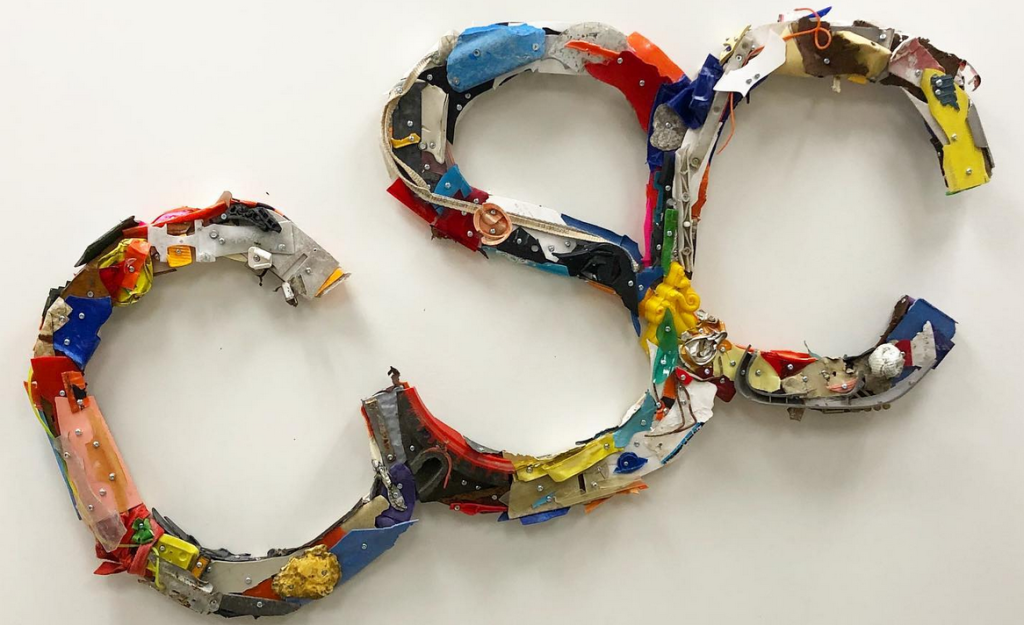
As we dive deeper into the realm of sustainability in crafts, the potential for transformation becomes apparent through a variety of recycled materials that are easily accessible. Crafters across the United States are increasingly recognizing the immense value of materials that might usually be overlooked. Everyday items, once deemed waste, hold immense possibilities for creative reinvention. For instance, plastic bottles, old newspapers, and even metal canisters can serve as canvases for artistic expression and practical solutions alike.
Among the possibilities, plastic waste stands out as a prime candidate for repurposing. With millions of plastic items discarded each year, artists have begun to envision new uses for these materials. They can be transformed into:
- Colorful garden decorations, where plastic bottles are cut and painted to create whimsical flowers that bring charm to any outdoor space.
- Functional household items, such as organizers or planters, offering eco-friendly alternatives to purchasing new products.
- Art installations that can be displayed in public spaces, sending a strong message about the importance of reducing plastic waste.
Alongside plastic, paper crafts have gained traction due to their versatility and accessibility. Techniques like paper mache and origami encourage the use of old newspapers, magazines, and wrapping paper—items that often end up in landfills. These crafts not only serve as creative outlets but also promote recycling practices by enabling crafters to produce eye-catching items. The rise of paper art workshops further exemplifies the shared commitment to sustainability. Attendees are often surprised to discover how many beautiful decorations and functional pieces can emerge from simple paper waste.
Moreover, the movement towards sustainable crafting encourages enthusiasts to engage with the environment directly. Many artists and crafters now prioritize sourcing their materials from eco-friendly suppliers, focusing on products made from sustainable resources or recycled content. This not only amplifies the message of sustainability but also supports businesses that align with similar values. Local craft markets frequently feature handmade items that highlight the use of upcycled products, creating a nexus for like-minded individuals to share ideas and foster community engagement.
Ultimately, embracing recycled materials resonates far beyond individual projects. It encourages creativity while instilling a sense of responsibility toward the environment. By participating in sustainable crafts, individuals foster a culture that values self-expression intertwined with ecological mindfulness. Whether you are a novice embarking on your crafting journey or an experienced artisan, the world of sustainable crafts invites you to explore innovative ways of reshaping the waste around you into art and necessity.
In the following sections, we’ll traverse even deeper into this exciting domain, uncovering essential techniques and resources to inspire your own sustainable crafting adventures.
| Category | Advantages |
|---|---|
| Resource Conservation | Utilizing recycled materials helps minimize waste and reduces the need for new resources, making crafting more sustainable. |
| Innovation in Design | Crafting with unconventional materials leads to unique designs, offering creators new avenues for self-expression and creativity. |
| Community Engagement | Involves local communities in sustainable practices, fostering collaboration and awareness about environmental issues. |
| Market Demand | With an increasing consumer interest in eco-friendly products, sustainable crafts can attract a dedicated customer base. |
Sustainability in crafts encompasses a wide array of practices, such as the use of recycled and creative materials. These elements not only highlight the environmental aspect of the craft movement but also emphasize the rich culture of creativity that emerges when artists embrace unconventional materials. By advocating for eco-friendly crafting, artisans can elevate their work, connecting deeper with like-minded enthusiasts.Moreover, sustainability doesn’t solely revolve around resources; it encompasses the stories behind each recycled material. For instance, a piece made from repurposed wood can reflect the history of its original use, enhancing its value and meaning. Investigating these narratives can inspire crafters to explore further innovations in sustainability, pushing the boundaries of traditional crafting techniques.Communities and organizations across various regions are also engaging in this movement, collaborating on workshops and events that educate participants about sustainable practices. This collective effort not only benefits the environment but also creates networks that foster artistic growth.As more consumers advocate for sustainability, crafters are uniquely positioned to meet this demand, providing products that align with modern values while exploring innovative materials that have the potential to reshape the crafting landscape. This burgeoning interest presents not only a marketplace opportunity but also a chance for artists to express their commitment to the planet through their work.
Innovative Techniques and Methods for Sustainable Crafts
As the movement towards sustainability in crafting continues to grow, various innovative techniques have emerged, allowing crafters to maximize the potential of recycled materials. Whether you’re a seasoned creator or just starting your sustainable journey, these methods will not only enhance your skills but also deepen your commitment to environmentally friendly practices.
One of the standout techniques gaining popularity is upcycling. This process takes discarded items and elevates them into something of greater value. For example, turning worn-out furniture into stylish home décor pieces or repurposing glass jars into chic storage solutions. The commitment to upcycling is a testament to how creativity can transform “trash” into treasure, fostering a sense of pride in one’s handiwork. Some artisans even production line their upcycled pieces by collating local waste materials, thereby creating a community-focused initiative that encourages collective responsibility against waste.
Textile arts represent another frontier in sustainable crafting. By utilizing old garments and fabric scraps, crafters can engage in various activities such as sewing, weaving, and quilting. Organizations like Dress for Success promote the idea of repurposing professional attire that may no longer be suitable, turning it into handmade goods or donating it while also benefitting someone in need. Additionally, techniques like shibori dyeing not only embrace the beauty of imperfection but also allow artisans to use natural dyes derived from plants, further connecting their craft to sustainability.
Eco-prints using foraged natural materials, such as leaves and flowers, signify an exciting trend that combines artistry with environmental consciousness. This technique involves printing these elements onto fabric, which creates stunning, organic designs while leaving no significant carbon footprint. Crafters in various regions, particularly those rooted in traditional practices, are now reintroducing this technique, building a bridge between heritage craftwork and modern sustainability concerns.
- Photography and Mixed Media: Artists are embracing the concept of incorporating found objects into photography and mixed media projects. By integrating textures from recycled materials, such as cardboard or fabric scraps, they are creating unique visual narratives that speak to current environmental issues.
- Jewelry Making: Recyclable items, from bottle caps to old electronics, are being transformed into stunning jewelry pieces. Many artisans stress the importance of recognizing beauty in the mundane, creating wearable art that showcases both style and a message.
Not to be overlooked, the use of natural and biodegradable materials has also gained traction among eco-conscious crafters. Biodegradable glues, organic paints, and plant-based finishes not only enhance the final product but also ensure that the materials decompose naturally, further reducing the negative impact on the environment.
Community workshops and events focused on sustainable crafting continue to pop up across the country. Local craft stores and maker spaces are increasingly offering classes that teach various sustainable techniques, encouraging collaborative learning and shared enthusiasm for sustainable practices. This growing network allows individuals to cultivate new skills while bolstering their community’s cohesive effort towards environmental stewardship.
As you delve into crafting with recycled and creative materials, the stories of those who have embraced this journey illustrate the powerful impact of taking small steps towards sustainability. The craft world is ripe with opportunities awaiting those ready to explore and innovate, paving the way for a more sustainable future one creative project at a time.
Conclusion: Embracing a Sustainable Crafting Future
In conclusion, the exploration of sustainability in crafts through the use of recycled and creative materials presents a remarkable opportunity for both individuals and communities to engage in environmentally conscious practices. As we have seen, techniques such as upcycling, textile arts, and eco-printing not only breathe new life into discarded items but also foster a deeper connection to our planet and its resources. The integration of found objects into art allows creators to tell powerful stories about our consumption patterns and environmental impact.
The crafting community’s enthusiastic embrace of natural and biodegradable materials sets a compelling precedent for future projects, further inspiring innovation and creativity in sustainable practices. Additionally, the rise of workshops and local initiatives cultivates an environment of shared knowledge, empowering more individuals to contribute to the sustainability movement in crafts.
As crafters and makers, we have the ability and responsibility to influence change, one project at a time. By prioritizing recycled resources and sustainable methods, we not only create beautiful items but also advocate for a more sustainable world. The journey toward sustainability in crafting is ongoing; thus, it is essential for each of us to continue exploring, experimenting, and sharing our creative endeavors. Together, we can forge a path to a future where creativity and environmental stewardship go hand in hand, igniting a positive ripple effect for generations to come.