How Performing Arts Can Contribute to Mental and Social Well-Being
Unlocking the Benefits of Performing Arts
The performing arts have emerged as a crucial element in fostering mental and social well-being across diverse communities. Engaging in disciplines such as dance, theater, music, and improv comedy not only entertains but also cultivates invaluable life skills and emotional resilience. This exploration into performing arts reveals how these creative expressions positively impact individuals and, by extension, the neighborhoods in which they thrive.
One of the primary advantages of engaging in the performing arts is emotional expression. Through creative outlets, individuals can articulate complex feelings that may be hard to convey in everyday conversation. For instance, a dancer may express feelings of joy or sorrow through choreography, providing both the performer and the audience an opportunity to connect over shared human experiences. Studies indicate that individuals who regularly participate in such creative processes report lower levels of anxiety and improved overall mood.
Another vital benefit is the community connection fostered by group performances. Whether it’s a local theater troupe putting on a show or a community choir, these collaborative efforts create a sense of belonging. They bring people together from various backgrounds, helping bridge cultural divides and encourage social interaction. An excellent example can be seen in community events like the annual “Shakespeare in the Park” festivals, where citizens from all walks of life gather to enjoy and celebrate performances in a collective setting.
Engaging in performing arts also serves as an effective form of stress relief. Immersing oneself in creative activities can take the mind off daily pressures and promote a state of mindfulness. For instance, playing an instrument or participating in theater rehearsal allows individuals to focus on the moment, providing an escape that aids in relaxation. Art therapy workshops are gaining traction across the country, leveraging this principle to help participants cope with stress and trauma.
Moreover, involvement in the arts plays a significant role in cognitive development. Learning to perform requires a blend of memorization, creativity, and critical thinking, enhancing one’s problem-solving capabilities. Research has shown that students who participate in arts education exhibit better academic performance in other subjects, including mathematics and languages, as they learn to think outside the box and approach challenges creatively.
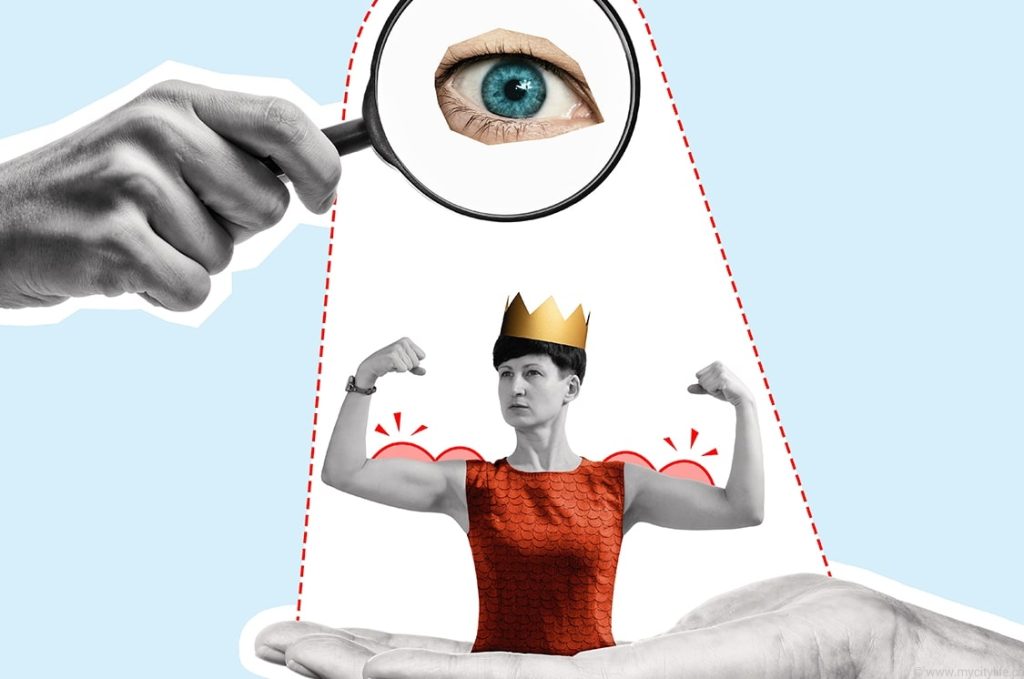
Lastly, opportunities for performance can dramatically boost confidence. Public performances enable individuals to confront fears, acquire new skills, and gain self-esteem through mastery of their craft. For example, local talent shows provide safe environments for participants to showcase their abilities, supporting their growth and confidence in public speaking and artistic expression.
As we delve deeper into the multifaceted benefits of performing arts, it is essential to recognize their enduring influence on mental health. Various studies have verified that structured engagement in the arts significantly correlates with improved mood and enhanced cognitive function. Across the United States, numerous communities are implementing initiatives aimed at harnessing the transformative power of performance, offering programs that enrich the lives of both participants and spectators.
By continuing to explore the impact of performing arts on well-being, we can uncover practical applications and social innovations that can be adopted to enhance community bonding and individual growth. The performing arts indeed hold the key to nurturing a healthier, more connected society.
Embracing Emotional Expression through Creativity
At the heart of the performing arts lies the profound ability to foster emotional expression. Individuals often grapple with complex emotions that may be difficult to articulate in conventional ways. Engaging in artistic endeavors such as dance, music, or theater allows these feelings to be embodied and shared, creating a stimulating dialogue between performer and audience. For example, a solo violinist may move the crowd to tears not just through melodies, but by conveying unspoken narratives woven into each note. This cathartic experience is not only beneficial for the artist but can also evoke empathy and reflection among spectators, ultimately strengthening community bonds.
Research supports this assertion, indicating that participation in the performing arts can lead to decreased anxiety and a marked improvement in overall well-being. According to a report from the National Endowment for the Arts, individuals who engage in performance activities experience enhanced emotional regulation and resilience. These findings reveal that when one engages in the performing arts, there is a measurable reduction in psychological distress.
Building Communities through Collaboration
The impact of performing arts extends beyond individual benefits and ventures into the realm of community building. Collaborative performances—be it a community theater production or a local choir—are unique opportunities to foster connection among individuals. Here are several ways that performing arts contribute to community ties:
- Diversity celebration: Performing arts events often feature diverse cultural expressions, inviting participants to learn and appreciate different perspectives.
- Shared experiences: Audiences coming together to watch a play or musical cultivate collective memories, creating a sense of unity.
- Cross-generational interaction: Participatory activities often draw various age groups, allowing for intergenerational dialogues and shared learning.
- Volunteerism: Engaging in community arts initiatives inspires volunteerism, further solidifying community ties as individuals work toward a common goal.
Events like “Open Mic Night” or community theater productions not only provide opportunities for local talent to shine but also invite residents to come together and appreciate the diversity of creative expression. Such gatherings can transform neighborhoods, creating spaces where individuals can feel heard and valued.
A Gateway to Mindfulness and Stress Relief
The performing arts also serve as an exceptional form of stress relief. Engaging in the arts allows individuals to immerse themselves fully in the moment, fostering a state of mindfulness that is often elusive in daily life. Activities like acting, where one must embody a character, or painting, which necessitates focus and concentration, can transport individuals away from daily stresses and anxieties. A study conducted by the American Journal of Public Health noted that individuals involved in artistic activities exhibit improved emotional health, particularly as the stressors of modern life seem to exacerbate mental health concerns.
This transformative aspect of performing arts isn’t just beneficial on an individual level; nonprofits and community organizations across the United States are increasingly recognizing and harnessing the power of the arts to promote mental wellness. Workshops that encourage creative expression can provide therapeutic benefits, demonstrating that the arts are not only a form of entertainment but also vital tools in cultivating a healthier society.
Exploring the Impact of Performing Arts
The realm of performing arts encompasses a wide range of activities, including theater, dance, and music, all of which play a significant role in enhancing mental and social well-being. Engaging in these forms of art provides individuals with an avenue for self-expression and creativity, fostering a sense of personal fulfillment. Moreover, the communal aspect of performing arts facilitates connections among participants and audiences alike, reinforcing social bonds that are essential for mental health.
Research has shown that participation in the performing arts can reduce feelings of isolation and depression, leading to improved overall emotional health. When individuals engage in creative activities, they often experience a boost in mood due to the release of endorphins, which is a natural response to artistic expression. Additionally, performances can encourage empathy by allowing audiences to connect with diverse narratives and perspectives, further enriching social interactions.
Moreover, community-based arts programs can serve as powerful tools for social change. They provide marginalized groups with opportunities to share their stories and experiences, fostering greater understanding and respect among different segments of society. This process not only enhances the individual’s self-esteem but also cultivates a supportive community environment where everyone can thrive.
| Category | Details |
|---|---|
| Emotional Release | Participating in performing arts offers a platform for individuals to express emotions, leading to stress relief and improved mental health. |
| Community Connection | Engaging in group performances or workshops fosters social interaction, creating strong ties among participants. |
In summary, the performing arts not only enrich our cultural landscape but also serve as vital contributors to mental health and community well-being. These elements can spark further investigation into the ways we can harness creativity for holistic benefits.
Enhancing Cognitive Skills and Emotional Intelligence
The performing arts are not only a means of emotional expression but also a significant catalyst for cognitive development and enhanced emotional intelligence. Engaging in activities like acting, dancing, or playing a musical instrument requires a myriad of cognitive skills, including memory retention, spatial awareness, and critical thinking. For instance, actors must memorize scripts and analyze character motivations, while musicians develop their auditory skills and attention spans through practice and performance. This cognitive engagement contributes to sharper thinking and improved problem-solving abilities, which are valuable in everyday life.
Moreover, the impact of the performing arts extends to emotional intelligence, which is vital for healthy interpersonal relationships. Research from the University of California found that students engaged in drama programs showed a marked increase in emotional sensitivity and empathy. This suggests that the ability to portray different characters and narratives can deepen one’s understanding of others’ emotions and perspectives, aiding in both personal and professional relationships. In a world where interpersonal skills are increasingly vital, the performing arts provide an enriching avenue for developing emotional competencies.
Therapeutic Applications and Mental Health Interventions
Therapists and mental health professionals are increasingly recognizing the value of the performing arts as therapeutic tools for mental well-being. Art therapy, drama therapy, and music therapy are some avenues through which these practices are implemented. For example, the American Art Therapy Association notes that visual arts, alongside performing arts, can be instrumental in helping individuals process trauma and express emotions that are often challenging to verbalize. Community workshops offer accessible spaces for individuals to explore these artistic modalities, emphasizing that creative expression can significantly enhance mental health treatment.
Programs like “Creative Arts Therapy” offer structured environments where participants can harness the power of the performing arts to address psychological needs. Studies have indicated improvements in anxiety, depression, and stress levels among participants in these programs, highlighting that incorporating performing arts into therapy can augment traditional mental health treatments significantly. Furthermore, such therapeutic settings allow for interpersonal connections, often resulting in a support network that extends beyond the therapy room.
Avenue for Advocacy and Social Change
Beyond personal and community well-being, the performing arts serve as a platform for advocacy and social change. Through powerful storytelling and artistic expression, performers can shine a light on critical social issues, fostering greater awareness and dialogue within communities. For example, plays addressing mental health stigma or musicals about social justice can educate audiences and ignite conversations that may not occur elsewhere. The transformative power of performance can unify disparate voices, lending an impactful narrative to the challenges faced by various communities.
Organizations like “The Arts in Society” leverage the arts as a means for social justice, utilizing performance art as a channel for marginalized voices. Such initiatives exemplify how performing arts can catalyze social movements and community engagement, reinforcing the idea that art is not merely for enjoyment but can also serve as a vigorous vehicle for change.
Conclusion
In summary, the performing arts emerge as a powerful avenue for enhancing mental and social well-being. Through cognitive engagement and emotional exploration, individuals not only nurture personal growth but also cultivate vital skills for interpersonal relationships. The therapeutic applications of performing arts highlight the significant role they can play in mental health treatment, providing creative outlets for expressing emotions and aiding in trauma recovery.
Additionally, the arts serve as a pivotal platform for advocacy and social change, weaving narratives that resonate with audiences and sparking essential dialogues on important issues. From community initiatives to educational programs, the transformative capacity of performance art extends far beyond entertainment; it empowers individuals and fosters a deeper understanding of societal challenges. This multi-faceted impact reinforces the necessity of integrating performing arts into our lives, schools, and communities.
As we navigate an increasingly complex world, prioritizing the performing arts can enhance individual resilience and foster collective harmony. The opportunities for personal enrichment and community engagement are abundant, encouraging us to explore how we can leverage creativity as a tool for growth and connection. Embracing the performing arts can pave the way for healthier societies, where empathy, understanding, and support flourish. It’s time to recognize and invest in this dynamic resource for enriching mental and social well-being.