The Musical Journey: How Improvisation Can Transform Your Approach to Composition and Performance
The Power of Improvisation in Music
Music transcends mere notes and rhythms; it is a profound expression of emotion, a dynamic dialogue between the artist and their audience. One of the most transformative tools within a musician’s repertoire is improvised performance. Whether you immerse yourself in jazz, dabble in classical, or navigate contemporary genres, honing the skill of improvisation can dramatically elevate your compositional abilities and performance techniques.
The benefits of improvisation are numerous and impactful. Consider the multi-faceted advantages:
- Enhanced Creativity: Improvisation is a conduit for spontaneous expression. By allowing oneself to deviate from written scores, musicians can explore new melodies, harmonies, and rhythms, which leads to the emergence of innovative ideas and fresh sounds. For instance, artists like John Coltrane often pushed boundaries in their solos, resulting in trailblazing compositions.
- Stronger Performance Confidence: Improvisation fosters a sense of freedom on stage. By cultivating the ability to think on one’s feet, performers gain the adaptability to respond to the energy of the audience, ultimately deepening the connection with listeners. This confidence can transform a conventional performance into an evocative experience, as seen in the interactions between Jimi Hendrix and his audience during live performances.
- Dynamic Composition Techniques: Engaging in improvisation encourages experimentation with structures, harmonies, and rhythm. These explorations can influence your original compositions in ways you might never have imagined. The technique of improvisation can often lead to discovering unexpected progressions or themes that can be woven into new songs.
Many celebrated musicians, such as George Gershwin and Herbie Hancock, attribute their musical successes to the art of improvisation. Gershwin’s unique fusions of jazz and classical music exemplify how improvisation can reshape genres. By embracing improvisational techniques, musicians not only break free from traditional molds but also venture into unexplored sonic landscapes.
Furthermore, improvisation nurtures collaboration among musicians. Engaging with others in spirited jam sessions can yield unexpected musical ideas and hybrid styles, enriching each participant’s artistry. From community jam nights in small cafes to prestigious jazz festivals, improvisational music offers a platform for diverse voices to blend and evolve.
Embark on this odyssey through sound and discover how improvisation can revolutionize your artistic expression. By delving into the techniques and philosophies of improvisation, you will unlock new dimensions of your musical potential, opening the doors to a more vibrant and connected musical journey.
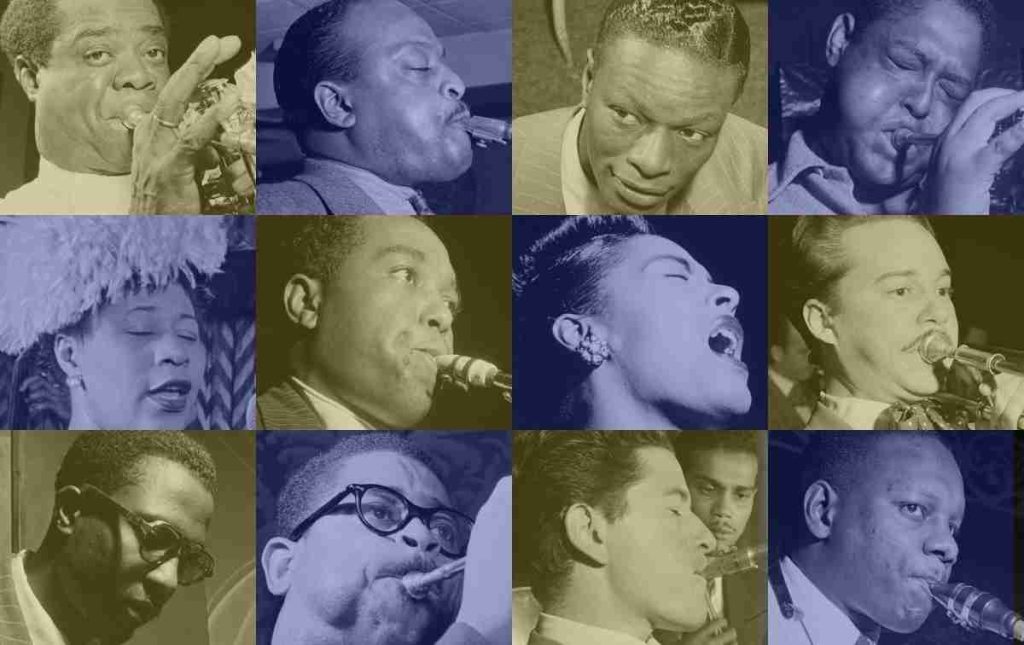
Understanding Improvisation: The Key to Musical Fluidity
At its core, improvisation is a spontaneous form of music-making that encourages artists to break free from conventional structures and embrace creativity in real-time. This reflective practice requires quick thinking and a deep understanding of one’s instrument, coupled with an intuitive grasp of musical elements. For many musicians, the journey begins with acknowledging what improvisation truly entails: a dialogue not only with oneself but also with fellow artists and the audience in attendance.
Artists who engage in improvisational practices often find themselves enhancing their overall musicianship in several profound ways:
- Intuitive Listening Skills: Improvisation sharpens a musician’s ability to listen actively. In a live setting, being attuned to the nuances of fellow performers allows for a cohesive musical exchange that keeps evolving. Such dynamic listening fosters deep connections within ensembles, paving the way for collaborative innovation.
- Expanded Musical Vocabulary: Regularly improvising encourages musicians to experiment with scales, modes, and phrases outside their comfort zones. This experimentation cultivates a larger musical vocabulary that can be integrated into composition. For instance, an aspiring jazz pianist might incorporate unexpected chromatic runs or modal shifts that can elevate their original pieces.
- Emotional Expression: Improvisation operates as a form of catharsis, allowing musicians to channel personal emotions through sound. This profound connection between emotion and music can give birth to unique compositions that resonate with audiences, as each performance captures a specific moment in time. Artists like Bill Evans are celebrated for the deeply personal narratives woven into their improvisational styles.
Notably, the application of improvisation is not relegated to the jazz scene; artists spanning various genres are harnessing its transformative power. In classical music, composers such as Frédéric Chopin left behind a treasure trove of works heavily influenced by their improvisations, showcasing how this technique can enrich both performance and composition. Furthermore, within contemporary genres, musicians like Bjork leverage improvisation to forge unexpected soundscapes, challenging listeners to experience music in novel ways.
By integrating improvisation into practice routines, musicians cultivate a sense of freedom and fearlessness that is essential for artistic growth. The willingness to explore uncharted territories often leads to unexpected breakthroughs, encouraging a cycle of creation where each experience informs the next. As a captivating avenue for personal and artistic expression, improvisation serves not just as an exercise in musical skill, but also as a journey of self-discovery.
As we delve deeper into the role of improvisation in composition and performance, it becomes evident that this practice opens not only musical pathways but also emotional connections that resonate deeply. Embracing improvisation invites you to view music as a living, breathing form of art—ever-evolving and boundlessly expressive.
The Transformative Power of Improvisation in Music
Improvisation is not just an art; it is a journey into the depths of creativity and musical expression. When musicians engage in improvisation, they tap into a wellspring of emotions, ideas, and spontaneous interpretations that can dramatically influence their composition skills and performance techniques. This section explores how improvisation serves as a catalyst for enhancing your musical journey.
Unlocking Creativity
In the realm of music, improvisation breaks down the walls of conventional thinking. By allowing musicians to step away from the constraints of written scores, they can explore new melodies, harmonies, and rhythms. This freedom nurtures a richer tapestry of sound, enabling composers to not only create but also innovate. As they venture into uncharted territories, they discover fresh perspectives that can elevate their compositions.
Building Confidence and Spontaneity
Improvisation naturally fosters confidence. As musicians practice spontaneous play, they learn to trust their instincts and musical intuition. This immediate form of expression can translate to greater assurance in live performances. When faced with an unexpected challenge on stage, such as a missed note or a new idea that feels worth exploring, those who have honed their improvisational skills are better equipped to adapt and thrive in the moment.
Enhancing Listening Skills
Another significant advantage of incorporating improvisation into one’s musical practice is the enhancement of listening skills. Musicians who improvise are often more attuned to the nuances of their surroundings, fostering a heightened sensitivity to the dynamics of collaboration. This practice encourages interaction with fellow musicians, leading to rich, engaging ensemble performances that highlight collective creativity.
Expanding Musical Vocabulary
Through improvisation, musicians expand their musical vocabulary. They explore diverse genres, techniques, and styles that enrich their compositions. This broadened understanding not only deepens their appreciation for music but also invites them to integrate elements from various traditions into their work. The result is a distinctive voice that resonates uniquely with audiences.In essence, the journey of improvisation invites musicians to embrace innovation and spontaneity, ultimately transforming their approach to both composition and performance. By weaving improvisation into their practice, musicians can unlock new pathways of creativity, enabling a deeper connection with their art. As we delve further into this exploration, let us unveil the practical strategies to incorporate improvisation effectively into various musical contexts.
| Advantage | Description |
|---|---|
| Creativity Enhancement | Unlocks new melodies and harmonies, encouraging innovative compositions. |
| Confidence Building | Fosters trust in musical instincts during performances, increasing adaptability. |
| Improved Listening Skills | Enhances sensitivity to collaborative dynamics, enriching ensemble performances. |
| Expanded Musical Vocabulary | Encourages exploration of diverse genres, enriching personal composition styles. |
Improvisation in Action: Real-World Applications and Case Studies
Understanding how improvisation enhances musical composition and performance becomes more tangible when we explore real-world applications. Various artists and ensembles exemplify the transformative influence of improvisation across genres, shedding light on its practical benefits. From the spontaneous energy of live performances to the meticulous crafting of new works, improvisation forges pathways that redefine artistic expression.
Consider legendary guitarist Jimi Hendrix, whose live improvisations were groundbreaking at the time. His extraordinary ability to meld blues, rock, and jazz elements created an electrifying experience for audiences. Hendrix would often extend songs with improvised solos, transforming familiar tracks into unique performances. This not only thrilled listeners but inspired countless musicians to adopt a similar approach, leading to the rise of jam bands and exploratory performances across various genres.
In classical settings, the improvisational element can be found in the practices of contemporary artists like Lang Lang, known for his passionate interpretations of classical pieces. During performances, he often infuses spontaneous embellishments reflecting his emotional state, and audiences are captivated by this blend of creativity and tradition. Research has shown that musicians who incorporate improvisation into their classical repertoire develop stronger interpretative skills and a deeper understanding of the music’s emotional undertones.
The improvisational approach is equally impactful in the realm of electronic music. Pioneers like Jean-Michel Jarre have effectively combined live improvisation with technology to craft immersive soundscapes. Jarre’s performances often fuse pre-composed material with real-time sound manipulation, showcasing his mastery of creating richly layered works on the fly. His ability to engage with an audience through improvisation not only exemplifies the genre’s innovative spirit but also highlights the expansive possibilities of modern composition.
Moreover, innovators in world music have recognized the significance of improvisation. The Indian classical tradition hinges on improvisational techniques, particularly within performances of ragas. Indian musicians such as Ravi Shankar have demonstrated how improvisation serves not just as an artistic choice, but also as a cultural foundation. By spontaneously building upon the raga’s core structure, Shankar’s performances convey profound emotional depth while celebrating the living essence of traditional music.
Even in the realm of hip-hop, improvisation plays a pivotal role. Artists like Freestyle”>Freestyle rappers showcase their skills through on-the-spot lyric creation. This practice fosters spontaneity and creativity, allowing for a real-time connection with audiences. Freestyle battles and cyphers are essential spaces for showcasing not just lyrical prowess but creativity, as artists play off each other’s rhythms and verbal inventiveness.
All these examples underscore that improvisation is not merely an abstract concept but a living, breathing aspect of music-making that cultivates growth, joy, and authenticity. By actively engaging in improvisational practices, musicians across genres can unlock new dimensions of their artistry, enriching their compositions and performances while forging unique connections with their audience.
Conclusion: Embracing the Art of Improvisation
In conclusion, the musical journey into improvisation reveals a transformative power that can significantly enhance not only composition and performance but also a musician’s connection to their art. As demonstrated through the groundbreaking works of artists like Jimi Hendrix and Lang Lang, improvisation infuses creativity into every aspect of music-making. It fosters an environment where artists can transcend conventional boundaries, encouraging them to explore, innovate, and engage with their audience on a deeper level.
Moreover, genres such as electronic music, Indian classical, and hip-hop showcase the vast applicability of improvisational techniques, emphasizing that this practice is not confined to a single style but is a universal language that resonates across diverse musical landscapes. The ability to react spontaneously to the music and environment empowers musicians and cultivates a dynamic experience for both performers and listeners alike.
Ultimately, embracing improvisation offers invaluable insights into oneself and the emotional nuance of music. As composers and performers integrate these practices into their workflow, they embark on a unique path of discovery, enriching their artistry while nurturing authenticity and joy in their craft. For those seeking to elevate their musical journey, stepping into the realm of improvisation may be the key to unlocking a profound and immersive creative experience.