The Influence of Music on Creativity: How Exploring New Genres Can Stimulate Personal Innovation
The Influence of Music on Creative Thinking
Music has long been recognized as a powerful source of inspiration, but its role in unlocking creativity often goes unnoticed. When individuals dive into new genres, they frequently discover trails of innovative thinking that may have previously eluded them. This exploration into the world of sound is not just for entertainment; it can serve as a significant catalyst for creative breakthroughs.
Let us delve into several ways that music can stimulate personal innovation:
- Emotional Connection: Different musical genres evoke a wide spectrum of emotions, from the jubilant beats of pop to the soulful melodies of blues. For instance, many artists have noted that listening to heartfelt ballads can inspire writers to tap into their own emotions, leading to poignant storytelling or relatable lyrics. A study at Stanford University highlighted how music could activate parts of the brain responsible for emotion, memory, and even creativity, making it easier for individuals to brainstorm new ideas.
- Cognitive Flexibility: Transitioning between various musical styles enhances mental agility and encourages novel perspectives. A classic example is jazz improvisation, where musicians often incorporate diverse styles and influences to create entirely new pieces in real-time. This practice can train the brain to be more adaptable, pushing individuals to approach problems with a fresh lens and inventive solutions.
- Enhanced Focus: Certain genres, particularly instrumental music and ambient sounds, are known to boost concentration. Research has shown that listening to these types of music while working can lead to higher productivity levels. Many professionals in the tech industry, for instance, use curated playlists featuring electronic and ambient tracks to enhance their focus during coding or problem-solving sessions.
Exploring a diverse array of musical styles—from the improvisational intricacies of jazz to the rhythmic complexities of world music—can offer unique experiences that challenge the conventions of traditional thinking. Immersing oneself in these musical experiences stimulates not just enjoyment but a profound exploration of creativity.
Evidence suggests that individuals who engage with unfamiliar beats and rhythms produce higher quality work in various creative and scientific fields. The rise of digital platforms such as Spotify and Apple Music has made it easier for anyone to access a broad spectrum of genres, thereby widening the potential for creative stimuli. This raises an intriguing question: how might this vast and evolving landscape of sound sharpen our innovative instincts and lead to groundbreaking ideas?
The interplay between music and creativity is a captivating realm that beckons further exploration. From fostering emotional depth to enhancing cognitive flexibility, the power of music as a tool for creativity is undeniable. As we continue to embrace musical diversity, we open ourselves to a world of inspiration that has the potential to transform not only our personal endeavors but also the broader landscape of innovation.

Unlocking New Ideas Through Musical Diversity
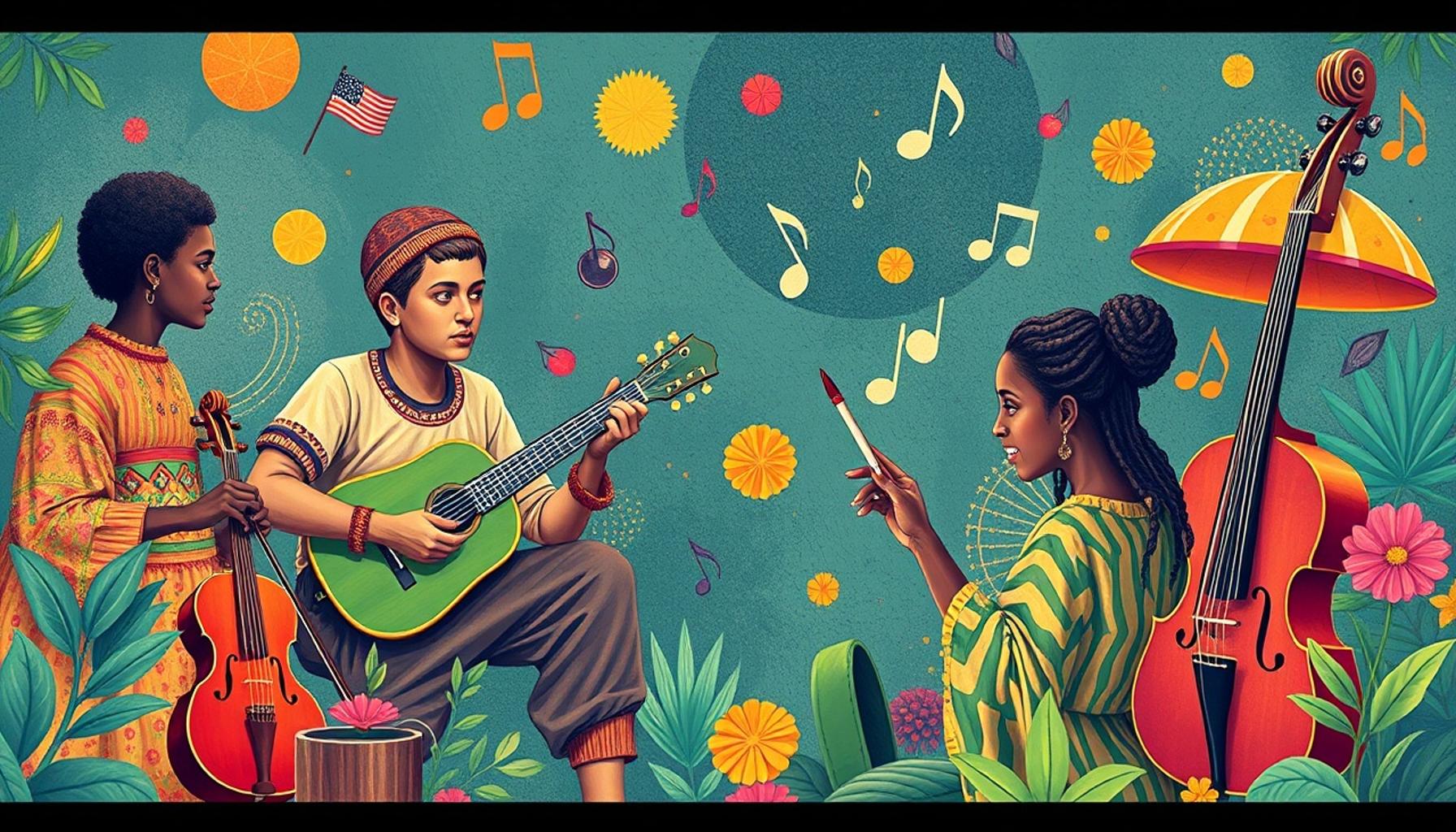
The journey into discovering how music influences creativity often reveals surprising connections between sound and innovative thought. One major way this occurs is through cultural immersion. Engaging with diverse musical genres exposes listeners to various cultural narratives, rhythms, and ideologies. This exposure can broaden one’s understanding of different perspectives, which is a critical component of creativity. For instance, immersing oneself in the vibrant sounds of Afrobeat may inspire fresh approaches in social activism or artistic expression, enabling individuals to incorporate values of unity and resistance found within the genre into their own work.
Moreover, cross-pollination between genres plays a significant role in artistic innovation. Many contemporary artists borrow from various genres, creating fusion styles that combine elements of hip-hop, rock, and traditional music from around the world. Artists like Esperanza Spalding fuse jazz with R&B, while Billie Eilish merges pop and electronic influences, resulting in sounds that push conventional boundaries. This blending not only creates new auditory experiences but also encourages listeners and creators to think beyond the confines of genre-specific expectations.
Here are a few ways in which exploring new genres can enhance creativity:
- Exposure to Different Structures: Different genres often have unique structures, time signatures, and instrumental arrangements. For example, classical compositions might incorporate complex melodies, while electronic music might emphasize rhythm and beats. Encountering these variations can challenge individuals to draft new frameworks for their creative projects.
- Inspiration for Unique Collaborations: Musicians who step outside their comfort zones frequently find common ground with other artists, leading to collaborative projects that meld various genres. Such creative synergies can yield surprising results and encourage artists to push the boundaries of their work.
- Breaking Creative Blocks: Many creative professionals find that listening to music outside their usual repertoire can elicit a sense of rejuvenation. The unfamiliar soundscapes can invigorate stagnant ideas, leading to breakthroughs that propel creative endeavors forward.
These aspects highlight how exploring unfamiliar genres can rejuvenate the creative process. The brain thrives on novelty, and by embracing diverse musical styles, individuals often stimulate pathways leading to innovative thinking. By bridging the gap between music and innovation, listeners not only enjoy an engaging experience but also cultivate their own creative arsenals.
As technology continues to enhance our access to music from across the globe, the opportunity to discover and explore new genres has never been greater. Streaming services empower listeners to curate personalized playlists from myriad styles, making it easier than ever to find sources of inspiration. The impact of this musical exploration stretches far and wide, prompting us to consider just how intertwined our musical experiences are with our capacity for creativity.
Exploring various music genres plays a crucial role in enhancing personal creativity and sparking innovation. When individuals immerse themselves in different styles of music, they often uncover new rhythms, melodies, and harmonies that challenge their conventional thinking. This exposure can lead to the development of unique ideas and novel approaches in their personal and professional lives.Research has shown that listening to a diverse range of music can stimulate brain activity in areas associated with creativity. For instance, the unpredictable structures found in genres such as jazz or experimental music can encourage listeners to think outside the box, enhancing their problem-solving skills. This is particularly beneficial for artists, writers, and entrepreneurs who rely on creative thinking to fuel their projects.Moreover, music serves as a powerful emotional catalyst. It evokes feelings that can inspire individuals to explore their inner thoughts and experiences, facilitating a deeper understanding of themselves and their creative processes. The psychological impact of music can motivate one to experiment with different artistic expressions, further broadening their creative horizons.Furthermore, collaborative music-making environments, such as jam sessions or workshops, provide an opportunity for individuals to share their ideas and collaborate with others. These interactions often lead to unexpected synergies, fostering innovation through shared perspectives and expertise. Networking within such creative communities can enhance one’s ability to generate impactful, original ideas, driven by inspiration from various musical influences.In summary, the relationship between music and creativity is profound. By embracing new genres and styles, individuals not only enhance their auditory palette but also enrich their artistic capabilities. The transformative power of music encourages bold thinking and innovation, ultimately leading to a more fulfilling creative life.
Music as a Catalyst for Emotional Exploration
While cultural immersion and cross-pollination between genres contribute profoundly to creativity, the emotional dimension of music cannot be overlooked. Different musical genres evoke distinct emotional responses, stimulating listeners’ feelings and allowing them to explore their creativity with greater authenticity. Music has the unparalleled power to connect people to their emotions, facilitating deep introspection and personal growth. For instance, the poignant melodies of folk music might inspire storytelling, while the upbeat tempo of dance music could spark creativity in visual arts through its vibrant energy.
Research supports this notion as studies show that engaging with emotionally charged music can enhance problem-solving skills and creative thinking. A notable study published in the *Journal of Experimental Psychology* revealed that participants who listened to music that induced positive emotions produced more creative outputs compared to those who worked in silence. This correlation between music and emotional state suggests that exploring new genres can provide a wider emotional palette, ultimately fueling creativity.
Musical genres and their associated emotions also play a crucial role in helping individuals unlock their creative potential. For example, the intricate harmonies and subtle dissonances of jazz may invite listeners to experiment with improvisation in their own artistic pursuits. In contrast, the raw intensity of punk rock could inspire a more rebellious and daring approach to creativity. By connecting with these varied emotional responses, individuals can develop a richer, more nuanced body of work that resonates on deeper levels with their audiences.
Additionally, music as a tool for cognitive flexibility is an area of growing interest among researchers. Cognitive flexibility refers to the ability to shift thoughts and adapt to new rules or perspectives. Listening to diverse genres forces the brain to map new pathways and challenge existing thought patterns. For instance, a musician delving into electronic dance music’s expansive soundscapes might experiment with new production techniques, while someone more familiar with indie rock might embrace unconventional songwriting styles. This cognitive exercise not only enhances artistic expression but also nurtures adaptability in problem-solving across various contexts.
Moreover, there is a wealth of evidence suggesting that musical habits can lead to improved memory and learning, both of which are invaluable when it comes to creative endeavors. Engaging with unfamiliar genres often requires absorbing and processing new rhythmic patterns, lyric structures, and melodic ideas, thereby enhancing cognitive abilities that directly influence creativity. This “musical workout” can lead to heightened creative insights, encouraging individuals to break free from creative ruts.
Exploring new genres can also offer fresh sources of inspiration that funnel into one’s creative work. As artists assimilate diverse sound influences, they may find themselves drawn to transformative ideas and themes that resonate within those genres. This process offers a unique opportunity to extract meaning from music, leading to a body of work that not only reflects personal experiences but also captures the essence of collective human emotions. The intersection of different musical genres thus serves as a powerful stimulant for innovation, encouraging creators to tap into the rich tapestry of human expression.
Unlocking Creativity Through Musical Exploration
In conclusion, the relationship between music and creativity is a dynamic and transformative one. As we have explored, engaging with diverse musical genres not only enhances emotional connection but also serves as a powerful catalyst for creative innovation. Whether it’s the reflective nature of folk music or the invigorating beats of electronic dance music, each genre offers unique emotional landscapes that invite individuals to delve deeper into their artistic expression. This emotional journey not only enriches their creative output but also fosters a profound sense of personal growth and introspection.
Furthermore, the impact of cognitive flexibility, facilitated by exposure to various styles, cannot be overstated. As musicians and artists experiment with new sounds and ideas, they learn to navigate unfamiliar artistic terrains, ultimately enriching their creative toolbox. This exploration also encourages an adaptive mindset, essential for tackling the complexities of problem-solving in all areas of life.
As we embrace the vast tapestry of human expression through music, it is vital to recognize the innovative potential that lies within the unknown. By stepping outside of our comfort zones and exposing ourselves to new genres, we not only expand our musical horizons but also unlock pathways for innovation and imaginative collaboration. Thus, the journey of exploring new musical landscapes becomes a profound initiative to enhance our creativity, offering endless possibilities for those willing to listen and discover.