DIY Projects for Kids: Stimulating Family Creativity
Igniting Imagination Through DIY
In an age dominated by screens, finding ways to engage children creatively is more important than ever. DIY projects for kids offer a hands-on experience that not only entertains but also fosters essential skills such as problem-solving and teamwork. With many children spending hours absorbed in digital devices, families are turning to creative projects as a way to engage and nurture their children’s imaginations.
The trend of familial crafting is sweeping across the United States, with parents and children alike discovering the joys of making art together. Some popular projects include the following:
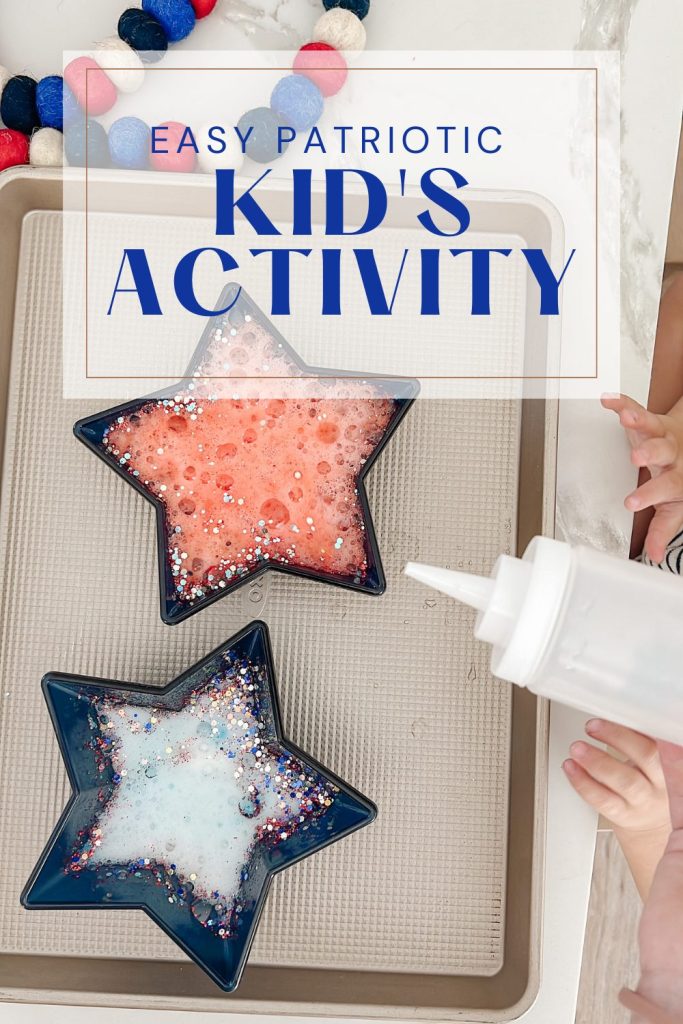
- Homemade Paints: With just a few kitchen ingredients, you can create vibrant, non-toxic paints that encourage kids to mix colors and unleash their creativity. For example, combining cornstarch, vinegar, and food coloring not only is fun but allows children to learn about color theory while enjoying tactile experiences.
- Upcycled Art: Transforming old magazines, plastic bottles, or cardboard into artistic creations teaches resourcefulness. For instance, children can create wall art from scraps, learning to appreciate the value of repurposing materials. This project inspires them to ask, “What can we make from what we already have?”
- Nature Crafts: Collecting leaves, sticks, or rocks during a family walk can lead to unique and beautiful artwork. From leaf prints to rock painting, these activities bridge the gap between nature and creativity. They encourage children to observe their environment more closely, fostering a connection with the outdoors.
Incorporating interactive projects into your family routine can help strengthen bonds and create lasting memories. Each project serves as an opportunity for learning, encouraging children to express themselves while exploring their creative instincts. Whether it’s through collaborative painting sessions or crafting challenging sculptures, the benefits of these experiences are abundant.
As families dive into these inspiring activities, they can see tremendous benefits. Not only do DIY projects stimulate creativity, but they also enhance communication skills, boost self-confidence, and develop patience. Beyond these cognitive benefits, crafting together provides a unique avenue for families to share stories, solve challenges, and laugh together, creating a warm and supportive environment.
Whether you’re an experienced crafter or a novice seeking new ideas, the world of DIY beckons. This is an invitation to immerse yourself in a rich tapestry of projects that can transform your weekends into a whirlwind of creativity and connection. Take this opportunity to forge deeper relationships with your children through shared artistic pursuits, and watch as their imaginations soar. Explore and discover the diverse realm of DIY projects waiting to spark joy and creativity in your household.
Creating Together: The Benefits of DIY Projects
Engaging children in DIY projects is more than just a way to pass the time; it opens doors to a world of creativity and learning. These hands-on activities not only spark children’s imaginations but also encourage them to think critically and take risks in a safe environment. When a family comes together to create something from scratch, they’re not just making art; they’re building skills that will last a lifetime.
One of the extraordinary aspects of DIY activities is their ability to cater to various age groups and skill levels. Parents can customize projects based on the child’s abilities, ensuring that everyone feels accomplished. For example, younger kids might enjoy simple sculpture making with modeling clay, which allows them to explore different shapes and textures, while older children can tackle more complex projects like creating their own DIY home decor items. This flexibility makes DIY projects suitable for family bonding regardless of age.
Additionally, these creative endeavors provide a great opportunity for families to strengthen communication skills. Whether they’re brainstorming project ideas or discussing artistic choices, engaging in the creative process requires collaboration and conversation. Through partnerships in art, children learn to express themselves and share their visions, building confidence in their voices and ideas.
Moreover, DIY projects can lay the groundwork for essential life skills. Here are a few vital skills that can develop through these creative exercises:
- Problem-Solving: Encountering challenges during a project helps children learn how to think critically and approach solutions creatively. For example, if a painting doesn’t turn out as planned, kids can discuss modifications or explore alternative methods instead of giving up.
- Patience: Crafting often involves multiple steps and requires perseverance. By waiting for paint to dry or working through sticky situations, children develop patience and resilience.
- Planning and Organization: From gathering materials to executing a finished piece, children learn how to plan ahead and organize their tasks. This skill is invaluable, as it translates into their academic work and other extracurricular activities.
Furthermore, the joy of creating something tangible creates lasting memories. Each project becomes a shared experience, fostering bonds among family members. Whether it’s displaying a painted rock in the garden or hanging artwork on the fridge, the finished products symbolize not only the effort behind them but also the time spent together as a family.
With so many benefits to gain, it’s easy to see why engaging in DIY projects is a trend gaining momentum among families. As children discover new materials and mediums, they unlock their creative potential and learn important life lessons. Family creativity isn’t just about artistic expression; it’s also about deepening relationships and growing together. Whether it’s a rainy day or an afternoon craft session, the world of DIY offers an endless source of inspiration waiting to be explored.
| Category | Advantages |
|---|---|
| Creative Skills Development | DIY projects enhance children’s creativity, helping them to think outside the box and express their unique ideas. |
| Family Bonding | Working together on projects fosters stronger family relationships, creating shared experiences and memories. |
| Problem-Solving Skills | Encourages critical thinking as kids learn to overcome challenges during their crafting adventures. |
| Sustainable Practices | Teaches eco-friendly habits by using recycled materials, instilling a sense of environmental responsibility early on. |
Exploring DIY projects for kids not only sparks their creativity but also cultivates essential life skills through engaging activities. The collaborative aspect of crafting together encourages deeper family bonds, enriching the emotional connection between parents and children. Each project serves as an opportunity for children to develop problem-solving skills, learning to navigate and resolve difficulties that may arise. Furthermore, the incorporation of sustainable practices within these projects nurtures awareness and responsibility toward the environment, ensuring that youngsters grow up conscious of their impact. Such multifaceted benefits lead to an enriching experience that extends beyond mere creation. The world of DIY projects invites families to embark on a journey filled with discovery, imagination, and shared joy.
Exploring DIY Project Ideas for Family Fun
While the benefits of engaging in DIY projects are clear, the real excitement comes from the variety of projects families can explore together. Choosing the right project can ignite creativity and provide a unique challenge suited to the interests of each family member. There are countless options to spark inspiration, allowing families to enjoy hours of creative exploration.
One popular category of DIY projects is nature crafts. This type of project encourages kids to connect with the outdoors while developing a sense of environmental stewardship. Families can take a nature walk to gather materials such as twigs, leaves, and stones, then use these natural items to create unique art pieces. A classic example is making leaf rubbings or creating a rustic nature collage. These crafts not only foster creativity but can serve as a discussion point about local flora and fauna, enriching a child’s understanding of their ecosystem.
Another engaging option is recycled art. Transforming everyday items into masterpieces is not only budget-friendly but also teaches children the value of reusing materials. Gather items such as cardboard boxes, plastic bottles, and old magazines, and challenge the family to create sculptures or functional art pieces. For instance, a cardboard box can become a playhouse, while plastic bottle caps can morph into mosaic art. Engaging in recycled crafts provides a great opportunity to discuss sustainability and the importance of reducing waste, instilling eco-conscious values in young creators.
If families are looking to combine learning with creativity, STEAM-based projects can be a fantastic choice. Activities such as building homemade volcanoes, coding simple robot designs, or creating DIY slime encourage children to explore science, technology, engineering, arts, and mathematics all while having fun. For instance, creating a DIY lava lamp using oil, water, and food coloring can pique children’s interest in chemistry, making learning interactive and enjoyable. Parent involvement in these projects can enhance any educational experience, guiding children through the scientific process while maintaining a playful atmosphere.
- Outdoor Activities: Warm weather opens up opportunities for DIY projects such as building a birdhouse or creating a backyard garden. Encouraging kids to plant seeds and take responsibility for their care fosters a sense of connection to the earth.
- Seasonal Projects: Holidays are an ideal time to engage in themed crafts. Families can create homemade decorations, greeting cards, or gifts that add a personal touch to celebrations.
- Artistic Expression: Projects like painting, pottery, or tie-dye T-shirt making let families tap into their artistic side while also providing an opportunity to explore color theory and design concepts.
The beauty of these DIY project ideas lies in their adaptability. Families can modify for varying skill levels, age groups, and preferences. Simplifying a project for younger children or incorporating more intricate designs for older kids allows everyone to participate fully. Furthermore, incorporating lessons that align with their interests ensures that each member feels valued, encouraging enthusiastic participation.
Ultimately, these creative ventures also strengthen family bonds. Each project serves as a memory-making opportunity and a chance to celebrate the uniqueness of family contributions. As families create together, they build a lasting legacy of creativity and collaboration, setting the stage for future endeavors. With a treasure trove of ideas available, there’s no limit to the creativity waiting to be unleashed in every home.
Wrapping Up: The Endless Possibilities of DIY Projects for Families
In conclusion, DIY projects for kids offer a vibrant pathway to fostering family creativity, engagement, and connection. These projects not only serve as enjoyable activities but also allow families to explore and express their uniqueness through collaboration and imagination. With numerous options ranging from nature crafts to recycled art, families can easily find projects that resonate with individual interests and skills, ensuring inclusive participation for everyone.
Moreover, such creative endeavors can instill crucial values in children, including sustainability, teamwork, and the joy of learning. By participating in projects that emphasize STEAM concepts, families merge fun with education, creating memorable experiences that lay the groundwork for curiosity and exploration in various fields.
As parents and children delve into DIY activities together, they cultivate meaningful bonds—sharing laughs, overcoming challenges, and celebrating successes along the way. Each project completed becomes a cherished memory and a testament to the family’s creativity, reinforcing the notion that together, anything is possible.
Ultimately, the potential for creativity in a home is limitless. Whether you choose to engage in seasonal crafts, outdoor projects, or artistic expressions, every endeavor enriches the family dynamic and paves the way for future creative journeys. It’s time to unleash your family’s imagination, and embrace the adventure of DIY projects—a world where creativity knows no bounds.