Creating Music with Technology: Tools and Apps that Assist in Musical Exploration and Composition
Exploring the New Frontier of Music Creation
In today’s digital age, creating music with technology has become more accessible than ever. Musicians and enthusiasts alike are empowered by an array of innovative tools and applications designed to facilitate artistic exploration and composition. These technologies not only enhance creativity but also redefine how we experience and share music. The combination of advanced software and affordable hardware means that anyone with a passion for music can create high-quality compositions from the comfort of their home or on the go.
Why Explore Music Technology?
There are compelling reasons to dive into the world of music technology:
- Accessibility: Unlike the past, when aspiring artists had to invest heavily in studio time and specialized equipment, high-quality music production tools are now available on mobile devices. Applications like BandLab and Soundtrap allow users to mix and master tracks right from their smartphones or tablets, making music creation a reality for anyone interested.
- Collaboration: Digital platforms allow musicians to collaborate remotely, breaking geographical barriers. Cloud-based tools enable artists to share projects effortlessly; for instance, services like Splice and Sessionwire allow musicians to work together in real-time no matter their location. This means a producer in Brooklyn can seamlessly collaborate with a vocalist in Los Angeles, greatly enriching the creative process.
- Experimentation: Software instruments and sound libraries encourage creative experimentation without significant financial investment. With thousands of free plugins and samples available online, emerging artists can explore a plethora of sounds and styles. Imagine crafting a genre-bending track that fuses traditional acoustic elements with modern electronic beats, all at little to no cost.
Key Tools and Apps
Innovative tools are setting the stage for a revolution in musical composition:
- DAWs (Digital Audio Workstations): Platforms like Ableton Live, FL Studio, and Logic Pro X provide comprehensive environments for song creation. These DAWs are replete with features such as MIDI sequencing, audio recording, and plugin support, which allow musicians to hone their craft, whether they are producing electronic dance music or recording a live band.
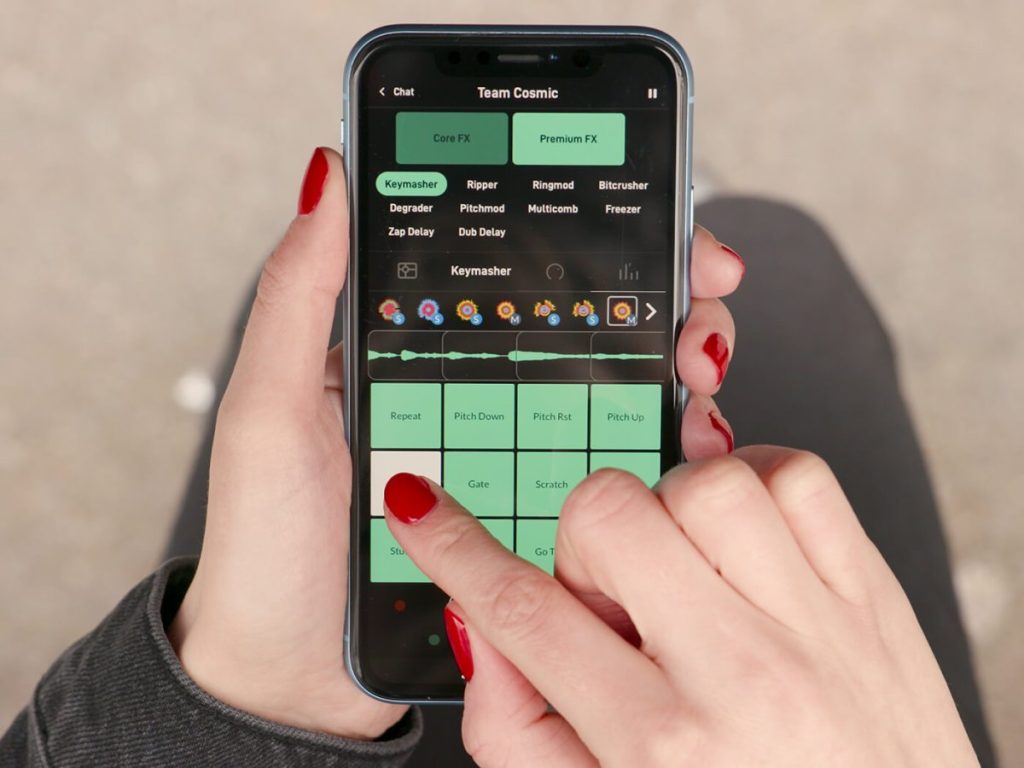
- Mobile Apps: Applications such as GarageBand and Auxy bring powerful music-making capabilities to smartphones. These apps come equipped with user-friendly interfaces, making them ideal for beginners, while still offering advanced options for seasoned musicians. The ability to sketch ideas on a mobile device while traveling adds an unparalleled level of convenience.
- Plugins and Sample Packs: These resources expand the sonic palette, allowing musicians to explore diverse soundscapes. By investing in high-quality sample packs or unique plugins, artists can create intricate soundscapes that may have once required expensive studio time and resources. This democratization of sound design has opened the door for limitless creativity.
As technology continues to evolve, so does the music industry. Just imagine the possibilities that await when these tools are harnessed to their full potential! With an ever-growing community of creators, the future of music promises innovation that will challenge traditional boundaries, paving the way for new genres and collaborative forms of expression. The only limit is the imagination of those who wield these powerful tools.
Unlocking the Potential of Music Creation Tools
The landscape of music creation has undergone a remarkable transformation in recent years, thanks to cutting-edge technology. Numerous music production tools and apps offer unprecedented opportunities for artistic expression. They enable users to validate their musical ideas and refine their compositions without the conventional barriers that once existed. Let’s delve into some essential tools and their features that are empowering creators to explore their passions.
The Role of Digital Audio Workstations (DAWs)
At the heart of modern music production lies the Digital Audio Workstation, often abbreviated as DAW. These software programs provide robust environments where musicians can compose, record, edit, mix, and master tracks with ease. Options like Ableton Live, FL Studio, and Logic Pro X offer a multitude of features, each catered to different genres and production styles. For example:
- Ableton Live: Known for its intuitive session view that allows for live performance and improvisation, making it a favorite among electronic musicians.
- FL Studio: Featuring a user-friendly interface, it is ideal for beat-making and is widely embraced by hip-hop and pop producers.
- Logic Pro X: This comprehensive DAW incorporates a range of virtual instruments and samples, making it popular with songwriters and full-band productions.
Each DAW empowers artists to explore their creativity and produce high-quality music, regardless of their experience level. Most importantly, they foster a space where experimentation is encouraged, propelling the creative process forward.
The Rise of Mobile Music Applications
The advent of mobile technology has ushered in an exciting realm of music-making applications. Apps like GarageBand and Auxy have revolutionized how aspiring musicians approach composition. These tools enable users to capture their ideas anytime, anywhere, thanks to their mobile-friendly interfaces:
- GarageBand: Apple’s flagship app offers a range of built-in sounds and instruments, allowing users to create versatile tracks with ease.
- Auxy: This intuitive app focuses on beat-making and is designed for sketching musical ideas rapidly, making it popular among emerging producers looking to create dance tracks.
Such applications remove the intimidation often associated with music production, providing novice musicians with access to instruments and effects that were once the domain of professional studios.
Expanding Creativity with Plugins and Sample Packs
No music production toolkit is complete without plugins and sample packs. These resources allow musicians to broaden their sonic horizons, providing access to unique sounds that can breathe new life into their compositions. Here are some essential insights:
- Plugins: From virtual synths to dynamic processors, plugins are software modules that add functionality to DAWs and elevate the quality of sound production. They can mimic the sound of vintage instruments, create unique audio effects, and much more.
- Sample Packs: Collections of audio files that feature everything from drum loops to vocal snippets, which can be used to enhance songs or inspire new ideas.
This resource-rich environment encourages a depth of exploration previously unattainable, allowing artists to push the boundaries of their musical creations.
As the music industry continues to evolve, embracing technology has become essential for any aspiring or established musician. By leveraging these innovative tools and apps for musical exploration and composition, creators are not only crafting unique sounds but also shaping the future of music itself.
Exploring Tools for Musical Composition
In the digital age, the landscape of musical exploration has transformed dramatically. The integration of technology into music creation not only simplifies the process but also opens new avenues for artists to express their creativity. Various tools and apps serve as essential companions for musicians, allowing them to compose, experiment, and refine their craft in ways that were once unimaginable.
Digital Audio Workstations (DAWs) are at the forefront of this revolution. Programs like Ableton Live and Logic Pro offer comprehensive platforms for recording, mixing, and producing music. They empower users to manipulate sounds, share ideas with collaborators globally, and access a wide array of virtual instruments and effects. This accessibility enables aspiring musicians to achieve professional-quality results from their home studios.
Additionally, the rise of music notation software such as MuseScore and Finale allows composers to translate their ideas into conventional sheet music seamlessly. This technology aids in the documentation of musical compositions, ensuring that intricate details are preserved and shared effectively. By bridging the gap between traditional and digital music-making, these tools foster a deeper understanding of music theory while enhancing creative output.
Mobile Applications for Musicians
Mobile apps have further democratized music creation, with platforms like GarageBand and FL Studio Mobile providing users the ability to produce music on-the-go. These applications feature touch interfaces that simplify the production process, encouraging experimentation with sound. Music learners can record demos, practice scales, and collaborate directly from their smartphones, making music more accessible than ever before.
Moreover, there are specialized tools designed for specific facets of musical exploration. Apps like iReal Pro cater to jazz musicians, offering backing tracks and chord progressions to facilitate practice and improvisation. Other applications help with songwriting by generating lyrics or suggesting chord combinations based on user input. This unconventional support system nurtures creativity, inspiring musicians to push boundaries and innovate within their genres.
| Category | Advantages |
|---|---|
| Accessibility | Modules can be used on various devices, allowing creation anywhere. |
| Collaboration | Seamless sharing features encourage teamwork across distances. |
| Innovation | Unique tools stimulate new techniques and inspire creativity. |
This technological embrace challenges musicians to explore new genres and experiment with unique sounds. As future tools and applications continue to emerge, the possibilities for musical exploration and composition will expand even further, inviting musicians worldwide to join the evolving narrative of music creation.
Emerging Technologies Shaping Music Production
The evolution of music creation is not solely anchored in the proliferation of DAWs and mobile applications; rather, it encompasses a vibrant array of emerging technologies reshaping the sound landscape. Innovations such as artificial intelligence (AI), virtual reality (VR)</strong), and cloud-based collaboration tools are making waves in how musicians create and share music.
Artificial Intelligence as a Creative Partner
Artificial intelligence is rapidly becoming a significant player in music composition. Software like Aiva and Amper Music harness AI algorithms to assist musicians in generating original compositions, offering a new avenue for creativity. By analyzing vast datasets of musical structures, these platforms can produce full arrangements tailored to specific genres or moods. Here are a few ways AI is contributing to music creation:
- Idea Generation: AI can suggest chord progressions, melodies, or even entire songs based on user input, streamlining the creative process.
- Real-Time Feedback: Systems like Beeple provide constructive feedback on compositions, helping musicians refine their work.
AI’s ability to simulate human-like creativity offers artists fresh perspectives, making it an invaluable resource for both novice and seasoned composers seeking inspiration.
Virtual Reality: Immersive Creative Experiences
Virtual reality is transforming the way musicians interact with sound. Platforms like vSpatial and SoundStage allow musicians to create in immersive environments where they can interact with their compositions in a 360-degree space. This immersive experience leads to novel ways of arranging and composing music:
- Spatial Audio Design: Musicians can manipulate audio in an interactive environment, creating three-dimensional soundscapes that enhance the listening experience.
- Collaborative Jamming: VR platforms allow musicians from across the globe to meet, jam, and create music together in real-time, breaking traditional geographical barriers.
This blend of music and technology creates a dynamic space for innovation, turning composition into a tactile and sensory experience.
Cloud-Based Collaboration Tools
As music creation often involves multiple contributors, cloud-based tools have emerged as crucial resources for collaboration. Applications like Soundtrap and BandLab facilitate seamless collaboration among musicians by allowing them to co-edit and leave comments on shared projects from anywhere in the world. Key advantages of these tools include:
- Accessibility: Cloud platforms make it easy for musicians to access their work from various devices, ensuring that inspiration won’t be lost if they aren’t in front of their primary workstation.
- Real-Time Collaboration: Musicians can jam and record simultaneously with others across the globe, enabling instant feedback and idea exchange that enhances the creative process.
As more artists embrace these collaborative environments, the music-making process becomes richer, incorporating diverse influences that might not have been reached through traditional methods.
These technological advancements in music creation are reshaping the landscape, allowing artists to explore uncharted territories. The integration of AI, VR, and cloud tools signifies an unprecedented shift in how music is made, offering endless possibilities for exploration and composition. As a result, the future of music holds exciting prospects for creators, making it essential for both new and established musicians to stay informed and versatile in their craft.
Conclusion: Embracing the Future of Music Creation
The intersection of technology and music has opened up a wealth of opportunities for creative expression and collaboration. As we’ve explored, tools such as artificial intelligence, virtual reality, and cloud-based applications are not just changing how music is created but redefining the entire creative process. From using AI to generate innovative melodies to immersively crafting soundscapes in virtual environments, artists can explore new dimensions of their craft that were once unimaginable.
Moreover, the rise of cloud-based collaboration tools enhances connectivity among musicians, enabling them to share ideas and refine their work regardless of geographic barriers. This democratization of music production fosters a more inclusive and diverse musical landscape, allowing unique voices and influences to contribute to the evolving tapestry of sound.
As technology continues to advance, its integration into music creation promises to cultivate even more innovative approaches to composition and exploration. Musicians, regardless of their skill level, can now harness these tools to express their creativity more fully than ever before. It is imperative for artists to remain adaptable and informed about these developments, ensuring they maximize the potential that technology offers.
In this continually evolving musical landscape, the only limit is the imagination of the creator. By embracing these emerging technologies, musicians can not only shape their own artistic journeys but also influence the future of music itself, creating a legacy that resonates through the ages.