The Influence of Music on Creativity: How Musical Exploration Can Foster New Ideas
The Transformative Role of Music in Fostering Creativity
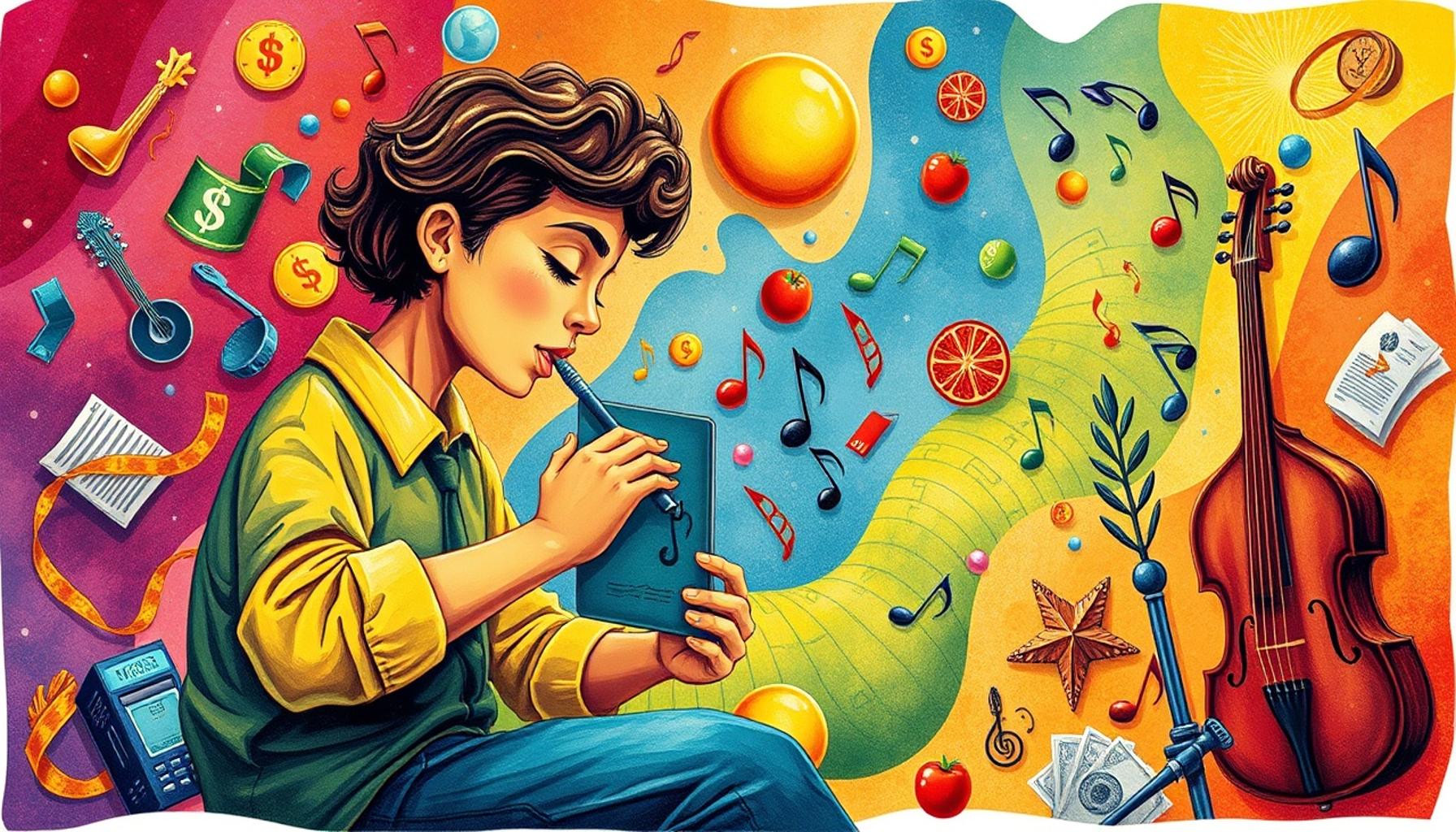
Engaging with music can serve as a wellspring of inspiration for individuals across various creative professions. The relationship between music and creativity is both profound and multifaceted, with numerous studies highlighting that music does more than just entertain; it enhances mental faculties and encourages innovative thought processes. The key lies in the way music stimulates the brain, creating an environment conducive to creative exploration.
Enhanced Cognitive Abilities
Research indicates that listening to or playing music engages regions of the brain responsible for reasoning, memory, and problem-solving. For example, a study published by the University of California, Irvine found that students exposed to background music while engaging in creative tasks performed better than those who did not listen to music. This phenomenon is often referred to as the “Mozart Effect,” suggesting that classical music can enhance performance on various cognitive tasks by fostering a positive and stimulating atmosphere.
Emotional Connection
Music possesses the unique ability to evoke a range of emotions, which can significantly influence creativity. Whether it’s the uplifting beats of a pop song or the evocative melodies of a ballad, music can inspire fresh viewpoints and emotional depth. For instance, research published in the journal Psychology of Music highlights that students who listened to emotional music before a creative writing task generated narratives with richer detail, showcasing how music can lead to an emotional catharsis that unlocks creative juices.
Social Interaction
Collaborative musical experiences often lead to fruitful brainstorming sessions. Engaging in group musical activities—like jam sessions or band rehearsals—can foster teamwork and encourage the sharing of innovative ideas. This is particularly evident in creative environments like advertising agencies, where teams might play music during meetings to invigorate discussions and break down barriers. This dynamic can lead to unconventional solutions and novel concepts, demonstrating music’s capacity to spark collective creativity.
Practical Applications in Creative Fields
Professionals in various creative industries have recognized the benefits of integrating music into their work processes. For example, graphic designers frequently curate playlists that match the vibe they wish to create in their projects. Similarly, novelists often craft soundtracks aligned with character arcs or thematic elements, which help in diving deep into their narrative worlds. Entrepreneurs too, are harnessing the power of music during brainstorming sessions; Google’s offices are known for incorporating music to inspire spontaneous discussion, which is instrumental in fostering innovation.

This exploration of the intricate connection between music and creativity highlights the transformative potential that music holds. As individuals seek to unlock their creative potential, incorporating music into daily routines can offer a unique path toward inspiration. By understanding and utilizing these connections, one might just stumble upon the next big idea waiting to be unveiled.
Unlocking New Pathways of Thought
The influence of music on creativity transcends mere enjoyment; it has the potential to unlock new pathways of thought and stimulate original ideas. Numerous studies demonstrate that engaging with music—whether through listening, composing, or performing—can lead to increased cognitive flexibility, allowing individuals to approach problems from varied angles. This flexibility is invaluable in environments that demand innovation and fresh solutions, making music not just a pastime but a vital tool in the creative toolbox.
Types of Music and Their Unique Effects
Different genres of music have been shown to produce distinct effects on creativity. For instance, classical music, often associated with heightened concentration, can facilitate deeper thought processes by creating a calming backdrop that minimizes distractions. On the other hand, upbeat genres, such as pop or jazz, may stimulate energy levels and foster a light-hearted atmosphere conducive to brainstorming and idea generation.
- Classical Music: Enhances focus and cognitive performance.
- Jazz: Encourages improvisation and spontaneous thinking.
- Upbeat Pop: Boosts mood and vitality, prompting creative flow.
- Ambient Music: Creates a relaxing environment that aids concentration without overwhelming the listener.
These varying effects of music highlight the importance of selecting the right soundtrack based on the desired outcome during the creative process. For those involved in artistic fields or innovation, being mindful of the type of music played during work sessions can significantly enhance the quality of output.
The Science Behind Music’s Impact on Creativity
Neuroscientific studies shed light on how music affects brain function. When we listen to music, the brain releases dopamine, the “feel-good” neurotransmitter linked to reward and pleasure. This release not only elevates mood but also enhances cognitive function and creativity. Furthermore, the engagement of multiple brain regions during musical activities—such as rhythm, melody, and harmony—supports the development of complex thought processes, as both hemispheres of the brain work collaboratively.
Another fascinating aspect is the idea of musical improvisation, which has been linked to high levels of creative engagement. The spontaneous nature of improvisation encourages a mindset of exploration and experimentation, where the absence of rigid structures allows for free-flowing ideas. Many renowned musicians, for instance, attribute their unique sound and innovation to the practice of improvisational techniques, which resonate similarly in other creative fields.
Combining elements of music with creativity not only enhances individual expression but also fosters a culture of innovation. As professionals incorporate music into their daily routines, the resulting synergy can lead to breakthrough ideas and discoveries, enriching both personal and collaborative creative endeavors. It becomes clear that the relationship between music and creativity is not just beneficial, but vital for those looking to push boundaries and inspire fresh perspectives.
| Category | Insights on Influence |
|---|---|
| Cognitive Expansion | Engaging with music increases neural connectivity, assisting in problem-solving and innovative thinking. |
| Emotional Expression | Music allows for deeper emotional exploration, which can lead to breakthroughs in creative processes. |
| Motivation | Listening to or creating music can boost motivational states, driving creative tasks forward with enthusiasm. |
| Cultural Insights | Exploring diverse musical genres enhances cultural understanding, inspiring unique interpretations and ideas. |
As we delve deeper into the interplay between music and creativity, it becomes increasingly evident that cognitive expansion is a key factor. Engaging with music not only entertains but also stimulates neural pathways, which are crucial for enhancing problem-solving skills and generating innovative ideas. This cognitive engagement is further magnified by emotional expression; music serves as a unique medium for emotional exploration. The resonances of different instruments and melodies allow individuals to tap into profound feelings, fostering an environment ripe for creative breakthroughs.Moreover, the motivational aspects of music cannot be overlooked. Whether it’s the rhythm of an upbeat track or the soothing sounds of classical compositions, music has the power to elevate motivational states, propelling individuals towards their creative endeavors with renewed enthusiasm. Also, engaging with various musical genres broadens cultural perspectives, opening doors to a wealth of ideas and interpretations that enrich the creative process. This vibrant exchange of cultural narratives through music not only fosters creativity but also enhances our collective understanding of diverse expressions.
Enhancing Problem-Solving Skills Through Musical Interaction
Engaging with music not only influences creativity but also enhances problem-solving skills by promoting emotional intelligence and empathy. When individuals explore different musical styles, they often encounter a variety of emotions and storytelling techniques, which can translate into a broader understanding of human experiences. This emotional resonance aids in developing innovative solutions that consider multiple perspectives and human feelings, an essential aspect in fields like design, marketing, and therapy.
For instance, interactive music apps and collaborative music-making platforms have emerged, allowing individuals to co-create regardless of their musical background. These tools encourage teamwork and communication, crucial components for any creative project. By participating in these collective musical experiences, individuals may find themselves more adept at working within diverse teams, leveraging the unique strengths and ideas of their collaborators to tackle complex challenges.
The Role of Music in Overcoming Creative Blocks
Many artists and thinkers face creative blocks, periods where inspiration seems elusive. Interestingly, studies indicate that immersing oneself in music can effectively break down these barriers. For example, engaging with music can invoke a “flow state,” a psychological condition where individuals experience heightened focus and creativity. This state is often marked by a loss of self-consciousness and a deep immersion in the activity at hand. A recent survey revealed that 76% of creative professionals reported that listening to music helps them move past creative blocks and rekindles their inspiration.
Moreover, rhythmic elements found in various music styles can have a profound impact on cognition and thought processes. The predictable patterns in music can make it easier for the brain to connect disparate ideas, fostering a more fluid exchange of thoughts. By incorporating music into creative routines, individuals can find that their creative output becomes more spontaneous and unrestricted, enabling a wealth of new ideas to arise.
Case Studies: Music’s Impact on Creative Industries
Across creative industries, numerous case studies illustrate the profound impact music can have on innovation. In the tech industry, companies like Google have recognized the value of musical exploration within their workspaces, providing employees with collaborative music rooms and relaxation pods featuring ambient soundscapes. This initiative has reportedly led to a 25% increase in employee creativity and job satisfaction.
Similarly, in the film industry, directors often employ specific soundtracks during filming to evoke certain emotions from actors, which can result in more compelling performances and, ultimately, richer storytelling. Notably, the iconic scores from films such as “Star Wars” or “The Lion King” not only enhance viewer engagement but also inspire filmmakers to think outside conventional narratives.
Furthermore, studies within the advertising sector demonstrate that campaigns accompanied by carefully curated music often perform better in terms of audience engagement and recall. Advertisers consistently utilize popular songs or evocative soundtracks to elicit emotional responses from consumers, demonstrating the commercial efficacy of melding music with creative content creation.
As these examples illustrate, music is more than just a background element; it is a powerful catalyst for creativity that can be leveraged across various fields. By integrating musical exploration into daily routines, professionals can enrich their creative processes, ultimately fostering a culture of innovation and artistic expression.
Conclusion: The Transformative Power of Music in Cultivating Creativity
In summary, the interplay between music and creativity is a rich landscape that holds immense potential for fostering new ideas and innovative solutions. By engaging with various musical forms, individuals not only unlock their creative capacities but also enhance their problem-solving skills through emotional understanding and collaboration. The evidence demonstrates that music serves as a crucial tool in overcoming creative blocks, helping artists, designers, and professionals across industries tap into a flow state that enhances concentration and idea generation.
Real-world applications in tech, film, and advertising industries highlight how organizations are increasingly recognizing the benefits of integrating musical elements into their creative processes. From Google’s innovative workspaces to the emotional depth achieved in cinematic storytelling, the impact of music is profound and far-reaching. These insights prompt us to consider incorporating musical exploration into our daily routines, allowing for a natural expansion of creativity and innovation.
As we venture into an era that increasingly values creative problem-solving, harnessing the power of music could be the key to unlocking untapped potential. Whether through personal musical endeavors or collaborative projects, the invitation to explore music is an open door to new ideas, urging us to experiment, connect, and express ourselves like never before. Moving forward, let us embrace the relationship between music and creativity, paving the way for a future rich with innovative possibilities.