Discovering New Sounds: The Importance of Experimentation in Different Musical Genres
The Dynamic Nature of Musical Innovation
In the vibrant landscape of music, the quest for new sounds often leads to exciting discoveries. From the fusion of different genres to the integration of advanced technology, the possibilities are endless. The world is rich with musical genres that continuously evolve and invite artists and listeners alike to experiment with fresh ideas that challenge traditional perceptions of sound.
Musical experimentation can reshape existing boundaries. It allows artists to:
- Combine Genres: The blending of genres can lead to remarkable outcomes, such as the infusion of jazz rhythms into hip-hop beats or rock’s powerful riffs intertwined with electronic dance music (EDM). Notable artists like Billie Eilish and Post Malone demonstrate how genre-bending can resonate deeply with audiences, offering fresh sonic palettes that reflect myriad influences.
- Incorporate Technology: The rise of digital tools has revolutionized music creation. Artists now utilize software and synthesizers, such as Ableton Live and GarageBand, to craft innovative compositions that were once unimaginable. A prime example is the use of Auto-Tune by T-Pain, which sparked discussions about the authenticity in vocals while giving birth to a new sound that many have since adopted.
- Explore Cultural Influences: Drawing inspiration from global music traditions introduces listeners to diverse rhythms and melodies. Artists like Rosalia merge Spanish flamenco with urban pop, enticing a wider audience to engage with cultural sounds that might otherwise remain underappreciated.
The journey of creative exploration isn’t just reserved for seasoned musicians; it truly invites anyone to dive into the world of sound. The appeal lies in the thrill of:
- Creative Freedom: There are no strict rules governing experimentation; the landscape of music is as expansive as one’s imagination allows. This sense of freedom liberates artists from the confines of convention, promoting innovation.
- Personal Expression: Music becomes a vessel for individuals to articulate their emotions and experiences. The act of exploring different genres enables people to communicate their identities and feelings more effectively, fostering a connection that is personal yet universal.
- Community Connection: Collaborating with others often yields unexpected results. When artists come together, they exchange ideas and techniques, cultivating an environment of shared creativity and support that enriches both individual and collective growth.
As we delve deeper into the significance of experimentation in music, we begin to uncover how this practice not only enhances one’s artistic journey but also transforms our relationship with sounds. By stepping out of comfort zones and embracing the unfamiliar, artists and audiences alike can unlock extraordinary musical experiences that resonate on multiple levels.
In essence, the evolution of music continues to be a reflection of society, cultural shifts, and technological advances. The future holds infinite possibilities, waiting to be explored. Experimentation in music not only shapes listeners’ experiences but also enhances the very fabric of the artistic community, encouraging innovation and collaboration in the ever-expanding realm of sound.
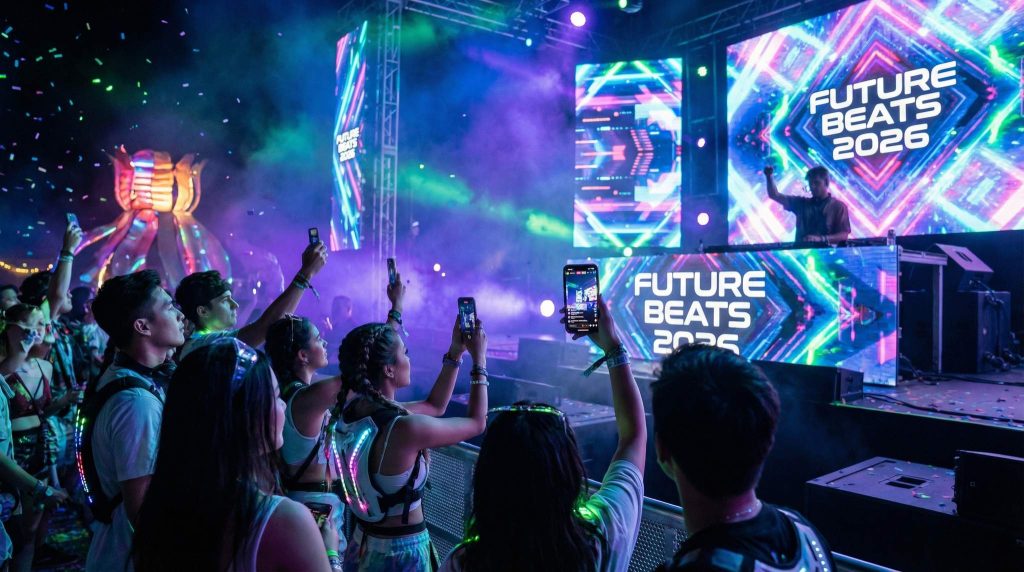
Breaking Genre Boundaries through Sound Exploration
Musical experimentation serves as a crucial catalyst in the constant evolution of sound, allowing artists to redefine societal norms and challenge the status quo. By venturing beyond familiar genres and traditional approaches, musicians can unearth captivating new sounds that resonate with diverse audiences. This approach not only enriches the music landscape but also reflects broader cultural trends and technological advancements. Consider the following insights into how experimentation plays an integral role in our musical experiences:
- The Role of Collaboration: Collaboration among artists from different backgrounds and genres can yield some of the most riveting results in modern music. For instance, the partnership between country artist Lil Nas X and Old Town Road producer Young Kio resulted in a genre-bending hit that blurred the lines between hip-hop and country, leading to a redefining of chart norms. Collaborative efforts such as this showcase how blending diverse influences can lead to groundbreaking sounds, captivating audiences and challenging preconceived notions about genre boundaries.
- Revival of Classic Influences: By experimenting with vintage sound techniques, contemporary artists are giving a new life to classic genres. Take for example the “lo-fi” movement—an embrace of rough production styles and nostalgic aesthetics famously represented by artists like Clairo and Joji. This resurgence bridges generational gaps, appealing to both nostalgic listeners and new fans curious about retro influences. Artists’ willingness to take creative risks by reviving and reinterpreting older styles maintains the dynamic nature of music history.
- Fusion and Cross-Genre Trends: The blending of genres is not merely about musical overlap; it is about cultural and emotional exchange as well. The combination of genres like reggaeton with pop, as seen in hits featuring artists like Bad Bunny and J Balvin, showcases how experimentation fosters a sense of unity in diversity. It breaks down cultural barriers, inviting listeners into a collaborative and communal experience that celebrates music’s universal language.
As music continues to evolve, understanding the components of genre experimentation becomes vital for both artists and consumers. The critical exploration involves:
- Understanding Audience Expectations: While many listeners embrace innovative sounds, others remain attached to traditional forms. Artists must navigate these expectations skillfully, finding a unique style that honors prevalent tastes while also pushing the envelope.
- Adopting a Risk-Taking Mindset: The willingness to take risks can be intimidating. However, artists who fearlessly pursue experimentation can open up new avenues for creative expression that resonate with both their artistic vision and audience preferences.
- Developing New Techniques: Experimentation often involves adopting unconventional playing styles or employing unusual instruments, such as a kalimba in a pop context or synthesizers in acoustic music. Such innovation can lead to unprecedented auditory experiences that invite re-imagination of traditional genres.
The act of experimenting with new sounds not only impacts the artists involved but also plays a significant role in shaping listeners’ experiences. These innovative approaches empower both creators and their audiences to engage with music in ways that feel authentic, fostering a dynamic environment rich in possibilities.
| Musical Genre | Advantages of Experimentation |
|---|---|
| Jazz | Promotes improvisation and creativity, allowing artists to create unique sounds and styles. |
| Rock | Encourages fusion with other genres, resulting in innovative sub-genres and wider audience reach. |
| Hip-Hop | Emphasizes sampling and remixing, allowing for the reinterpretation of existing works into fresh experiences. |
| Electronic | Utilizes technology to explore new sonic landscapes, blending patterns from various music styles. |
Exploring the importance of experimentation in different musical genres reveals significant advantages that cultivate innovation. For instance, in the realm of jazz, artists benefit from the freedom of improvisation. This approach not only sharpens their skills but also leads to the development of unique sounds that challenge traditional music boundaries. In the rock genre, the fusion of various styles invites fresh perspectives, creating sub-genres that resonate with diverse audiences. This constant evolution not only enriches the genre but also widens its appeal. Moreover, hip-hop stands as a prime example of how sampling and remixing breathes new life into existing works, continuously shaping the culture and allowing artists to express their individuality through reinterpretation. Meanwhile, the electronic genre capitalizes on technology to explore new sonorities, exploring limitless possibilities that blend various musical elements. Through the convergence of genres like these, artists can push creative boundaries, highlighting the true essence of discovering new sounds.
The Impact of Technology on Musical Innovation
In today’s digital age, the rise of technology has drastically reshaped the music landscape, resulting in a playground for experimentation across genres. Artists now have unprecedented access to an array of tools and platforms that facilitate the creative process, allowing them to explore sound manipulation, production techniques, and distribution methods in innovative ways.
- Access to Cutting-Edge Software: With advancements in digital audio workstations (DAWs) like Ableton Live and FL Studio, musicians can experiment with an extensive range of sounds that were previously difficult to access. This democratization of technology levels the playing field, enabling aspiring artists to produce professional-quality music from the comfort of their homes. From layering samples to tweaking pitch and tempo, these tools give artists the freedom to push boundaries, resulting in fresh sounds that defy traditional classifications.
- Influence of Social Media: Platforms like TikTok and Instagram have transformed how music is created and shared, allowing artists to engage directly with audiences. This immediacy fosters a collaborative spirit where new sounds can gain traction overnight. Viral challenges can springboard tracks into the mainstream, even if they exist at the intersection of genres, emphasizing the importance of experimentation in reaching wider audiences. Artists are not only inspired by each other’s work but also by the feedback they receive from their fans, leading to innovative adaptations that resonate on a personal level.
- Artificial Intelligence in Music: The emergence of AI-driven tools is revolutionizing sound exploration by enabling musicians to generate, analyze, and remix music in ways that challenge conventional songwriting. AI technology, such as OpenAI’s MuseNet or Google’s Magenta, can create new compositions based on input parameters, allowing creators to explore uncharted musical territories. By utilizing AI to collaborate on songwriting or sound generation, artists can harness algorithmic insights to inspire their work, resulting in unique soundscapes that reflect a blend of human creativity and machine learning.
As technology continues to evolve, the interactions between innovation and genre experimentation are increasingly profound. This relationship can be observed in the ways artists engage with:
- The Global Music Network: With the internet providing a gateway to global influences, artists can draw inspiration from different cultures, incorporating traditional instruments or motifs from various regions. For instance, the popularity of K-pop in the U.S. signifies how artists can incorporate diverse musical and cultural elements into their work, leading to a richer global tapestry of sound.
- Sampling and Remixing: The accessibility of vast music libraries has given rise to the art of sampling, where artists borrow existing tracks to recontextualize them into something new. This technique was popularized by hip-hop artists in the late 20th century and continues to inspire genres ranging from electronic to pop. By tapping into existing material, artists can create innovative remixes that pay homage to their influences while offering a fresh take for contemporary listeners.
Ultimately, the infusion of technology into music experimentation not only enhances creativity but also acts as a bridge for artists to connect with their audience. The evolution of sound becomes a collective journey, where experimentation leads to the discovery of new sounds that captivate listeners and redefine our understanding of musical genres.
Conclusion: A Harmonious Future of Sound
As we delve into the ever-evolving landscape of music, it is clear that experimentation remains the driving force behind the discovery of new sounds within various genres. With technology serving as a catalyst, artists now have access to tools that not only enhance their creative abilities but also break down barriers between musical styles. The fusion of genres prompted by technological advancements invites listeners to explore an eclectic mix of influences, creating a richer tapestry of sound that celebrates diversity.
The role of social media cannot be overstated; platforms that allow for instant sharing and feedback create a vibrant ecosystem where creativity flourishes. Through collaboration and interaction, artists continually redefine their artistic identities, inspired by both their own experiments and the spontaneous ideas that emerge from audience engagement. This ongoing dialogue between creators and their fans is crucial for fueling innovation in the music industry.
Furthermore, as artificial intelligence advances, it opens even more avenues for exploration. The integration of algorithmic tools can help artists in pushing their creative boundaries, forming a new partnership that combines human nuance with computational design. Such collaborations may lead us to unprecedented soundscapes that challenge our understanding of what music can be.
In conclusion, the importance of experimentation in different musical genres transcends mere novelty; it enriches the listening experience and connects artists with audiences in meaningful ways. As we continue to witness the interplay of technology, culture, and creativity, one can only imagine the remarkable sounds that await discovery. The future of music is bright, driven by the spirit of exploration and the courage to venture into the uncharted.