The Evolution of Performing Arts in the Digital Age: The Impact of Social Media and Streaming on the Creation and Consumption of Performances
Digital Transformation in Performing Arts
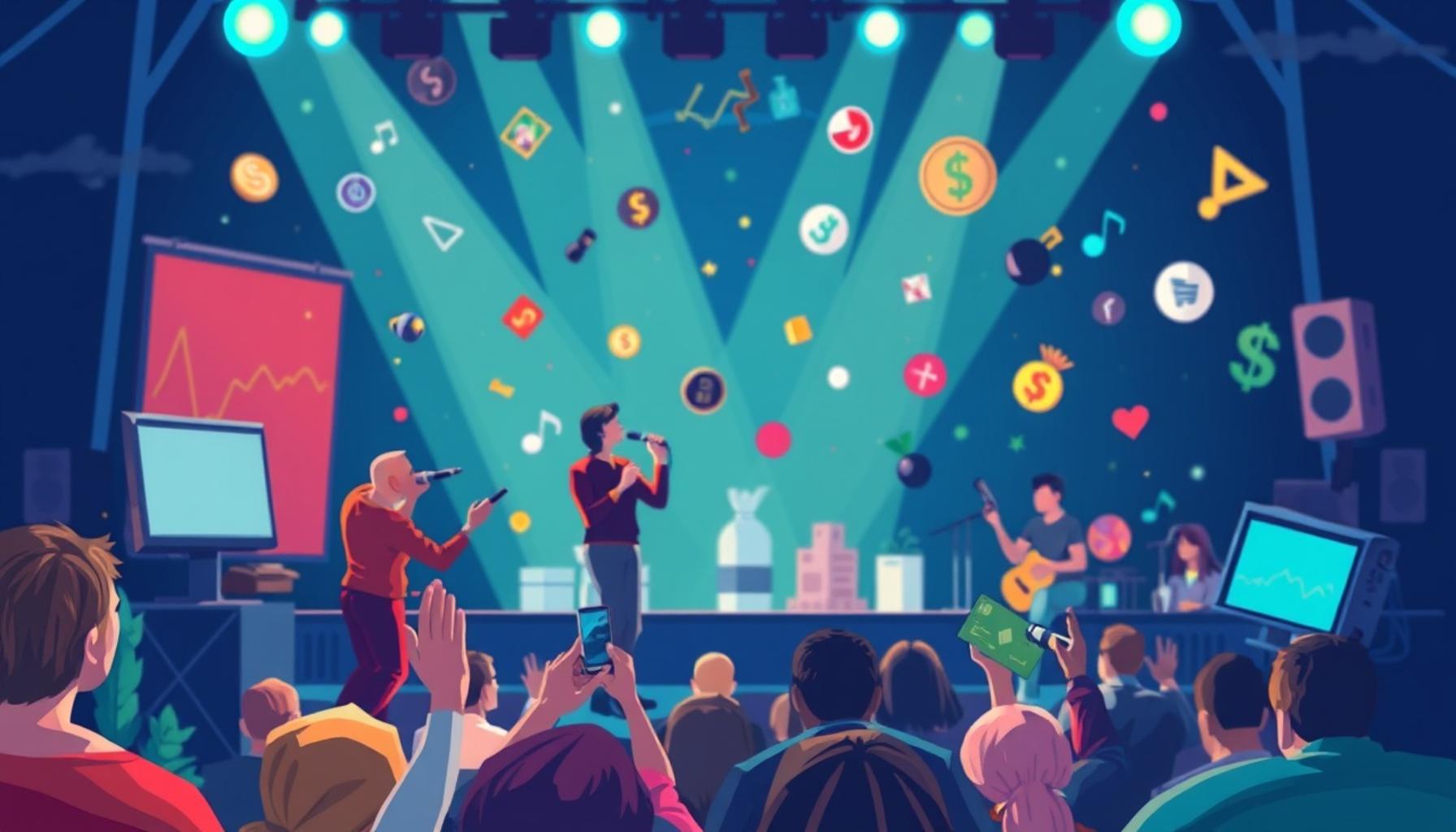
In recent years, the landscape of performing arts has undergone a profound transformation. The rise of social media and streaming services has reshaped how performances are created, shared, and consumed, ushering in a new era characterized by:
- Increased Accessibility: Audiences can now access performances from anywhere in the world. This shift has allowed local theater productions and independent artists to find a global audience without the constraints of geographical boundaries. For example, a small community production in Ohio can reach viewers in California, or even in other nations, simply through platforms like YouTube or Facebook Live.
- Diverse Platforms: From platforms like Instagram that allow for short clips, to streaming giants like Netflix and Spotify that host full-length performances, creators have more outlets than ever. This diversity encourages artists to experiment with formats, offering everything from behind-the-scenes content to concert films, often blurring the lines between performance and promotion.
- Interactivity: Engaging with audiences in real-time has become an essential aspect of performance art. Platforms like TikTok allow performers to create snippets of their acts while inviting followers to participate in challenges or duet their performances, generating a more immersive experience for fans. Such interactions can elevate the connection between performers and audiences, creating a sense of community that often extends beyond the performance itself.
These changes have not only broadened the audience base but have also introduced novel artistic challenges. Artists today are navigating:
- Maintaining their authenticity amidst the demands of a digital audience: The pressure to create “shareable” content can sometimes dilute artistic integrity, where the need for virality may overshadow genuine expression.
- Adapting their art forms to suit rapidly evolving technological platforms: Artists are constantly challenged to keep pace with technology, often needing to learn new skills—from video editing to social media marketing—in order to thrive.
- Leveraging analytics and audience feedback to refine their craft: Understanding audience data can inform a creator’s approach, leading to adjustments in style, content, or delivery methods, greatly impacting their ability to resonate with viewers.
As we delve into this evolution, it is crucial to consider both the opportunities and drawbacks presented by this digital transformation. The intersection of technology and art prompts compelling questions about the future of performance. For instance, how will traditional theaters adapt to compete with the allure of at-home streaming? What does it mean to be an artist in this age where performance is constantly measured and quantified by likes and shares?
Join us as we explore the implications of the digital age on performing arts, examining how social media and streaming are not just tools, but pivotal forces shaping our cultural landscape. The fusion of technology with artistry represents both a revolution and a reflection of contemporary society, prompting us to rethink what we value in performance and how we engage as both creators and consumers.
The New Era of Audience Engagement
As the digital age permeates every aspect of life, performing arts have become a canvas for innovation, where creators engage with audiences in ways that were previously unimaginable. The increasing reliance on social media and streaming platforms has transformed not only how performances are delivered but also how audiences interact with them. This evolution invites us to examine the paradigm shift in audience engagement and the implications that arise from it.
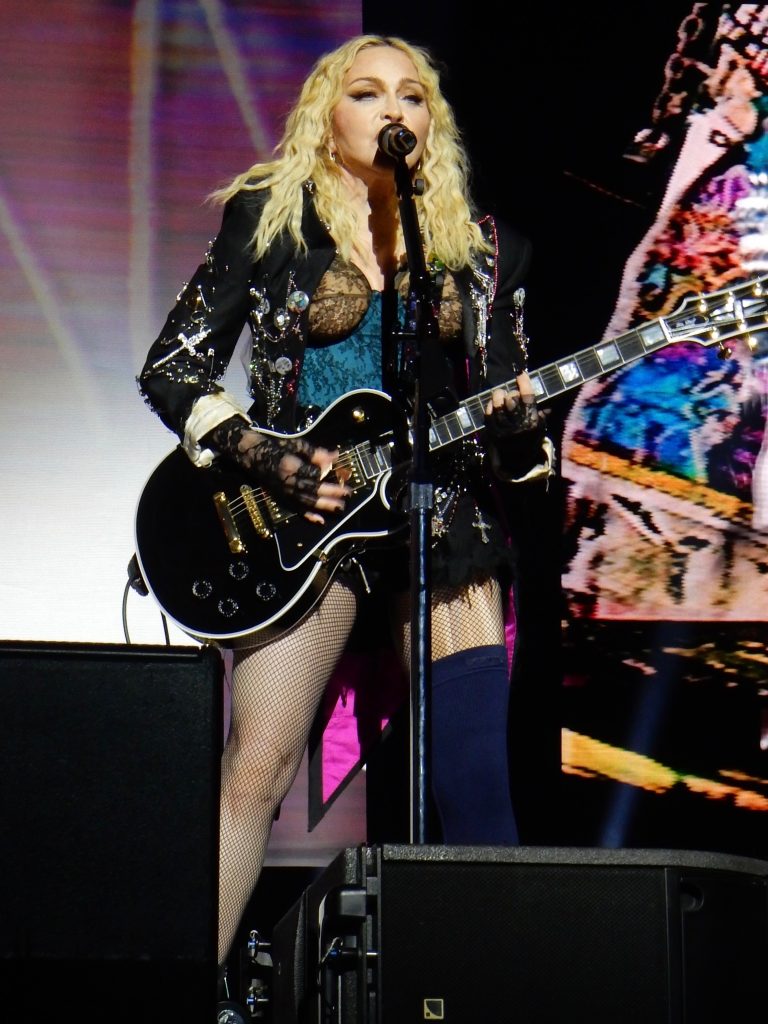
One of the most significant advantages of this digital transformation is the ability for artists to cultivate a dedicated following. Social media channels such as Instagram, Facebook, and TikTok allow performers to share snippets of their work, connect personally with fans, and promote upcoming events. This interaction creates a level of intimacy that can enhance loyalty among the audience. For example, performers who actively engage with their followers—responding to comments or hosting live Q&A sessions—can establish a strong community base, forging bonds that traditional performance formats might lack.
Moreover, the widespread sharing capabilities of social media enable performances to go viral, expanding reach exponentially. A remarkable instance is the “#BalletChallenge,” where dancers from various backgrounds shared their interpretations of classic ballet moves, showcasing creativity and diversity. Such collaborative trends not only diversify the art form but also entice audiences who may not have previously engaged with dance, thus broadening the spectrum of appreciation for performing arts.
- Live Streaming: Platforms like Facebook Live and YouTube Live have introduced the capability of live-streaming performances, enabling artists to reach audiences who may be unable to attend in person. This evolution democratizes attendance, allowing art lovers from various backgrounds to witness performances they would otherwise miss.
- Virtual Collaborations: The digital space facilitates collaborations across geographic boundaries. Artists can work together through editing software, virtual reality, and live streaming platforms, resulting in innovative projects that challenge traditional forms of artistic collaboration.
- Monetization Opportunities: Streaming platforms and virtual events have opened new revenue streams for artists. Whether through ticket sales for online shows, subscriptions to exclusive content, or fan-supported models on platforms like Patreon, artists can diversify their income while maintaining creative control.
However, this digital landscape is not without its pitfalls. The emphasis on digital engagement can sometimes lead to a culture where metrics and analytics dictate an artist’s creative choices. This pressure may cause performers to prioritize content that aligns with trends over their authentic expressions, potentially compromising the uniqueness of their artistic vision.
As we continue to dissect the implications of this digital shift, it becomes increasingly clear that the performing arts are at a precipice. The relationships between artists and their audiences, shaped by the forces of social media and streaming, illuminate an exciting and challenging future. Artists must now navigate this intricate web of opportunities while preserving the essence of their craft.
In the subsequent sections, we will delve deeper into how these trends are reshaping the very fabric of performing arts, exploring both the potential rewards and challenges that will define the industry moving forward.
| Category | Impact |
|---|---|
| Social Media Engagement | Platforms like Instagram and Twitter have allowed artists to connect with audiences directly, leading to a rapid spread of trends and performance styles. |
| Global Reach | Streaming services enable performances to reach a much larger audience than traditional theater, breaking geographical barriers and allowing for a diverse range of cultural exchanges. |
As the landscape of performing arts continues to evolve, the integration of social media into creative processes is undeniable. Artists are no longer confined to the limitations of physical venues; they can showcase their work instantly to a worldwide audience, which transforms their creative approaches. For example, viral dances on TikTok have not only influenced choreography but also encouraged participation from fans. This kind of interaction enhances the connection between the artist and their audience and stimulates a sense of community. Moreover, with the advent of streaming platforms, performances that were once exclusive to local theaters can now be enjoyed by anyone with an internet connection. This democratization of performance arts means that a wider array of styles and cultural expressions can thrive. Performers can experiment with new formats that blend traditional performances with modern technology, creating visually stunning and conceptually rich productions that captivate audiences globally. The interplay between social media, streaming technology, and performing arts fosters innovation and strengthens cultural narratives, inviting more people into the conversation about the future of these art forms. As artists navigate these dynamic platforms, they redefine the boundaries of what performance can entail, paving the way for a vibrant, engaged global audience.
Expanding Horizons: The Role of Technology in Performance Creation
The capabilities of modern technology have evolved beyond mere engagement, reshaping the actual creation of performances in groundbreaking ways. With the advent of powerful tools and software, artists can now explore unchartered territories of creativity, reimagining traditional narratives and aesthetics. The integration of augmented reality (AR) and virtual reality (VR) has emerged as a transformative trend, offering audiences experiences that effortlessly blur the lines between performance art and interactive participation.
For instance, companies like Mixed Reality Company have pioneered performances that incorporate VR technology, allowing audiences to navigate 3D environments while simultaneously watching live actors. Such experiences redefine passive consumption, making viewers active participants in the narrative. Not only does this innovative format captivate the audience’s imagination, but it also presents artistic challenges that demand a new language of performance that can effectively utilize these technologies.
The use of digital editing tools and software has further streamlined creative processes. Artists can now manipulate music, visual elements, and choreography in real-time. Platforms such as Final Cut Pro and Adobe After Effects enable creators to produce high-quality content that can be immediately shared, allowing artists to receive instant feedback from their audiences. The digital artwork regularly showcased on social media platforms can inform the development of live performances, facilitating a smoother transition from virtual to physical stages.
The Influence of Data Analytics
In addition to changing creation methods, the availability of data analytics has introduced a new layer of insight into the preferences and behaviors of audiences. Artists and organizations can now access detailed information regarding viewer engagement statistics, allowing them to refine their work to better align with audience tastes. This power to measure success through analytics can be double-edged; while it empowers artists to tailor their performances in real-time, it may also compel them to deviate from their artistic intuition. A recent survey conducted by the National Endowment for the Arts indicated that over 60% of performers feel pressured to adjust their art based on trends highlighted by social media metrics.
The Rise of Indie and Grassroots Movements
While larger institutions have capitalized on digital mediums, social media and streaming have also spawned renewed opportunities for indie artists and grassroots movements. Platforms like StageIt and Patreon have empowered independent creators to monetize their work directly, cultivating niches that may have been overlooked by mainstream industries. Events such as virtual open mics have allowed often-ignored voices to gain traction, helping to foster diverse artistry and democratize the performing arts.
The #SupportIndieArtists movement illustrates how community-building efforts have mobilized fans to endorse their favorite artists, allowing unique creations to flourish outside conventional channels. This newfound accessibility not only enhances the quality and variety of performances available but also encourages cultural exchange and collaboration among artists of diverse backgrounds.
As we continue to witness the evolution of performing arts within a digital frame, it’s essential to acknowledge the profound impact that technology applies to both the artistic landscape and audience participation. The vibrant interplay of these elements heralds a future ripe with possibility, one that continues to challenge the conventions of what can be achieved in the realm of performance. Further discussions in the upcoming sections will illuminate how these dynamics are reshaping narrative structures and performance aesthetics in the digital age.
Conclusion: The New Frontier of Performing Arts
As we navigate through the digital age, the evolution of performing arts is not just a byproduct of technology; it represents a fundamental shift in how art is created, consumed, and experienced. The rise of social media and streaming platforms has democratized the landscape, enabling artists from all backgrounds to connect with global audiences and initiate grassroots movements that challenge conventional narratives. This transition from traditional venues to diverse digital platforms has fostered a rich tapestry of creativity that resonates with contemporary viewers, inviting them into immersive interactions that were previously unimaginable.
Moreover, the integration of advanced technologies like virtual reality (VR) and augmented reality (AR) has revolutionized performance creation, providing artists with unparalleled tools to push artistic boundaries. Yet, it is crucial to balance the insights gained from data analytics with the need for authentic artistic expression. While audience metrics can shed light on reception, they should not dictate the essence of artistic endeavors.
Looking ahead, the ongoing dialogue around the impact of digital platforms will continue to shape narratives and aesthetic choices within the performing arts. As both creators and audiences adapt to new forms of consumption, the potential for innovative collaborations and cross-genre experiments remains vast. Ultimately, the future of the performing arts in this digital landscape hinges on our collective willingness to embrace change while cherishing artistic integrity, ensuring that creativity flourishes in all its forms.