
How Interaction with Pets Can Reduce Stress and Anxiety Levels

Unveiling the Wonders of Animal Companionship
In our modern society, where fast-paced living and high demands can leave people feeling overwhelmed, finding effective coping mechanisms is more important than ever. The warmth and affection offered by pets emerge as a compelling remedy for stress and anxiety, as studies continue to reveal the myriad benefits of these special relationships.
Research highlights the profound effects of pet ownership on mental well-being. Engaging with animals has been shown to lower cortisol levels—often referred to as the “stress hormone.” Physical Touch plays a critical role in this, as simple acts like petting a dog or cat promote the release of oxytocin, commonly known as the “bonding hormone,” which fosters feelings of affection and connection. It’s not just a fleeting feeling; regular interaction can create lasting psychological enhancements for pet owners.
Another significant advantage of having pets is the structure they bring to our lives. Routine and Responsibility are inherent in pet ownership, as feeding, exercising, and grooming pets require a certain level of commitment. This daily schedule provides pet owners with a sense of purpose, shielding them from the vagaries of anxiety that thrive on unpredictability. For instance, the simple act of walking a dog not only helps maintain physical fitness but also establishes a daily rhythm that can improve mood and emotional health.
Social Interaction is another area where pets excel. As many pet owners can attest, dogs, in particular, often act as lively social facilitators—increasing interactions with neighbors and enabling friendships at parks. For example, a shy individual walking a dog may find that others are more likely to strike up a conversation, breaking the ice in a completely natural setting. This reduction in feelings of isolation often leads to improved overall well-being.
Data from reputable organizations such as the Human-Animal Bond Research Institute (HABRI) illustrates these points well. The survey indicating that 74% of pet owners feel a decrease in stress due to their animals underscores the potential for animals to serve as emotional support systems. For many, pets are not merely companions; they transform lives, providing comfort during challenging times, and contributing to a higher quality of life.
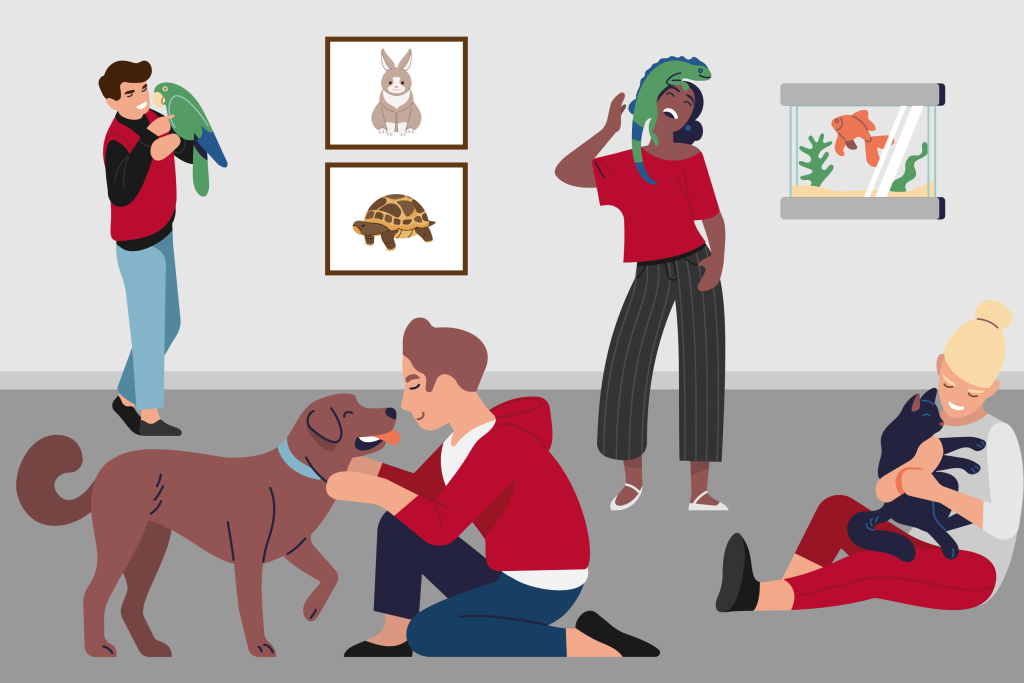
As we further explore the science behind the human-animal bond, real-life success stories emerge that attest to its power. For example, therapy dogs have shown remarkable effectiveness in assisting veterans suffering from PTSD, proving that the right animal companionship can be a transformative force in recovery and mental health management. By understanding how to harness these benefits, individuals can integrate pet interactions into their daily routines, ultimately reaping the rewards of a more balanced, fulfilling life.
DISCOVER MORE: Click here for expert tips
The Therapeutic Effects of Pets: A Closer Look
The profound relationship between humans and their pets extends far beyond companionship; it serves as a natural antidote to stress and anxiety. Numerous studies highlight how interaction with pets can act as a powerful form of emotional therapy. Science backs this notion, suggesting that just a few moments spent with an animal can lead to significant relief from daily stressors.
Pets as Natural Stress Relievers
Engaging physically with pets—whether it’s cuddling with a cat, playing fetch with a dog, or simply observing their playful antics—activates a calming response in the body. The simple act of petting an animal can lower blood pressure and heart rate, creating a sense of tranquility that many seek in their busy lives. A study published in the journal Psychosomatic Medicine demonstrated that pet owners exhibited lower levels of the stress hormone cortisol compared to individuals without pets.
Benefits of Pet Ownership
- Reduced Loneliness: Pets often become a source of companionship, providing a sense of connection that combats feelings of isolation.
- Increased Physical Activity: Walking a dog or playing with a pet encourages regular exercise, which is essential for controlling stress levels.
- Mindfulness Creator: Animals live in the moment, and their presence can inspire their owners to practice mindfulness, helping to alleviate anxiety.
- Consistent Emotional Support: Pets are unwavering in their loyalty and affection, offering a stable form of emotional support in times of distress.
Furthermore, the responsibility that comes with pet ownership fosters a sense of purpose, particularly beneficial for those battling anxiety. Taking care of a living being provides routine and structure, essential elements for anyone struggling with mental health issues. This commitment becomes a lifeline for many, compelling them to focus on tasks outside of their internal turmoil.
The Power of Connection
Animal companionship can bridge gaps in social interaction. Studies indicate that pet owners are more likely to have social interactions compared to those without pets. Engaging with fellow pet owners at parks or dog-walking groups can lead to fruitful friendships, reducing feelings of alienation and dissatisfaction. This social connection not only fosters a sense of belonging but also improves overall mental wellness, as feeling part of a community is crucial in combating anxiety.
In essence, the science surrounding how interaction with pets can reduce stress and anxiety levels is backed by both empirical research and anecdotal evidence. As we delve deeper into the ways animals enrich our lives, it becomes clear that the bond shared between pets and their owners is much more than mere affection; it’s a symbiotic relationship that nurtures both parties in times of need. Whether through fostering emotional stability or creating social opportunities, pets undoubtedly play a pivotal role in enhancing our mental health.
| Category | Details |
|---|---|
| Physical Activity | Engaging with pets often leads to increased physical activity, which is proven to release endorphins and boost mental health. |
| Emotional Support | Pets provide emotional support that can enhance feelings of comfort and reduce feelings of loneliness and anxiety. |
The bond between humans and pets is not merely a companionship but a profound interaction that can significantly influence emotional well-being. When petting or playing with an animal, the body releases oxytocin, often referred to as the “love hormone,” which facilitates feelings of love and trust. Research demonstrates that simply looking into a pet’s eyes can prompt this powerful hormonal response, thereby easing feelings of tension and stress. Moreover, the routine of caring for a pet can provide structure in an individual’s day, which often helps mitigate feelings of anxiety. The predictability of a pet’s needs can offer a sense of purpose and responsibility, aiding in distraction from negative thoughts or overwhelming emotions. Additionally, having a pet can significantly decrease blood pressure and heart rate during stressful situations. This physiological response underscores how interaction with pets is not just beneficial but essential in combatting stress and anxiety levels effectively. It’s a relationship that promotes not only a physical presence but also psychological stability, leaving a lasting impact on our mental health.
DIVE DEEPER: Click here to learn how routine shapes your pet’s behavior
Emotional Resilience through Pet Interaction
In addition to the myriad benefits already discussed, the presence of pets significantly contributes to developing emotional resilience, a crucial aspect of coping with stress and anxiety. Pets serve as non-judgmental companions, helping individuals navigate through difficult emotional landscapes. This unconditional acceptance fosters a sense of safety and support, enabling individuals to express emotions freely without the fear of being criticized.
The Role of Pets in Stressful Situations
Pets have a unique ability to sense their owner’s emotional states. Research suggests that dogs, in particular, can detect stress and anxiety through changes in body language and even scent. In moments of acute stress, simply being with a pet can serve as a grounding experience. For example, many individuals report that when feeling overwhelmed, cuddling with their pet instantly calms them down, allowing them to gain control over their emotional responses. This immediate emotional feedback loop illustrates the profound impact pets can have in managing anxiety levels.
Service Animals and Specialized Training
The impact of pets transcends basic companionship, especially when discussing service animals trained to assist those with anxiety disorders or PTSD. These animals undergo intensive training to perform specific tasks that help mitigate their owner’s anxiety. For instance, they can be taught to remind owners to take medications, provide tactile stimulation during panic attacks, or even interrupt harmful behaviors. A study from the Journal of Psychiatric Research found that individuals with service animals experience a marked decrease in anxiety symptoms, highlighting the importance of targeted animal interactions in therapeutic settings.
Moreover, emotional support animals (ESAs) are gaining recognition in mental health practices. Unlike service animals, ESAs provide comfort and companionship without specialized training, yet their impact is equally significant. Many individuals have shared their stories of how having an ESA by their side has made a substantial difference in their daily lives, offering a sense of normalcy and reducing anxiety levels during challenging times.
Interacting with Pets as a Form of Therapy
Pet therapy programs have expanded in recent years, utilizing trained therapy animals to provide comfort in various settings—hospitals, nursing homes, and even schools. These programs have demonstrated that brief interactions with pets can bring joy, reduce feelings of loneliness, and ease anxiety in stressful environments. A pilot study published in The International Journal of Stress Management revealed that patients participating in pet therapy showed reduced anxiety scores compared to those who did not have such interactions. The effectiveness of these programs demonstrates the multifaceted ways pets can be integrated into mental health care and anxiety management.
Beyond clinical settings, simply fostering a bond with a pet encourages positive coping mechanisms that can be employed in everyday life. For instance, pet owners often report adopting healthier lifestyle choices, such as engaging in outdoor activities and maintaining nutritious eating habits, largely due to the responsibility and commitment associated with pet ownership.
In summary, the interaction with pets contributes significantly to emotional resilience and serves as a therapeutic avenue for managing stress and anxiety. The ever-growing body of evidence encourages both current pet owners and prospective ones to leverage this unique bond for enhanced mental well-being, making it clear that pets are not just companions but pivotal allies in the quest for emotional stability.
DISCOVER MORE: Click here to learn about dental hygiene for pets
Conclusion: The Healing Power of Pets
In conclusion, the profound impact of interacting with pets on reducing stress and anxiety levels is an emerging area of interest that warrants further exploration. As we delve deeper into our understanding of emotional health, the role pets play becomes increasingly vital. Their unique ability to provide unconditional love, companionship, and emotional support significantly contributes to enhancing our mental well-being. From decreasing feelings of loneliness to fostering emotional resilience, the bond with a pet nurtures a safe space for self-expression, making them invaluable in managing daily stressors.
The evidence gathered from numerous studies highlights not just the benefits of companionship but also the therapeutic potential inherent in pet interactions. As we see from the success of pet therapy programs and the efficacy of service animals for individuals grappling with anxiety disorders, the importance of the human-animal connection cannot be overstated. This relationship not only provides immediate relief but also encourages long-term lifestyle changes that promote overall wellness.
For current and prospective pet owners, the message is clear: integrating a pet into your life can be a transformative experience, not just for the animal, but for you as well. In a world increasingly characterized by stress and anxiety, leveraging the comfort and joy of pet companionship may be one of the most effective strategies for emotional regulation and therapeutic relief. Ultimately, the bond with pets serves as a reminder of the resilience we can foster, opening the door to a more balanced and fulfilling life.