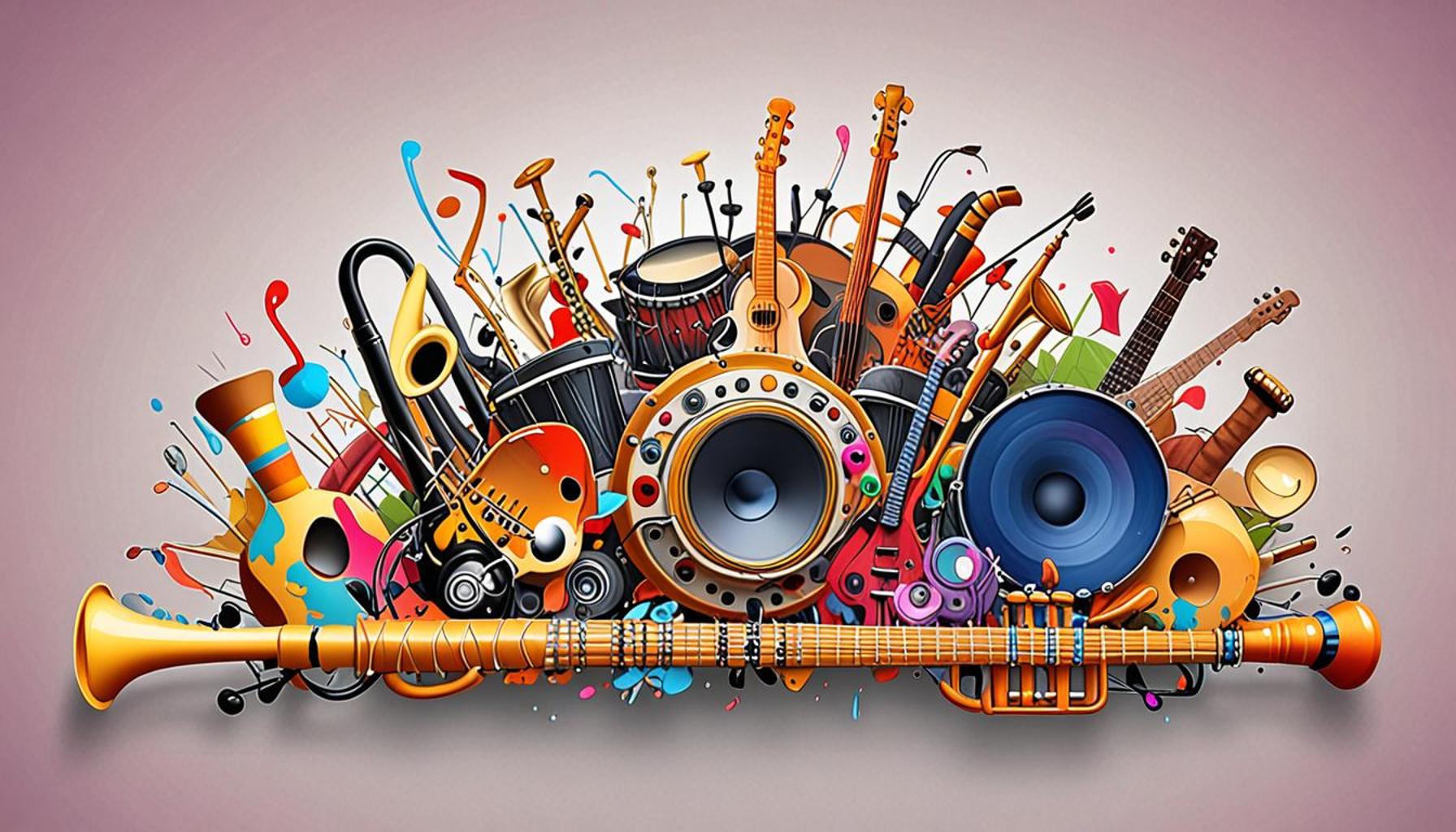
The Power of Music Boosting Mental Health Transforming Lives

Engaging in creative hobbies like music has long been recognized as a powerful tool for enhancing overall well-being. The connection between music and mental health is profound, offering therapeutic benefits that can help alleviate stress, anxiety, and depression. With the increasing focus on mental health awareness, understanding how pursuing musical endeavors can transform lives becomes even more significant.
Consider these key points regarding the influence of music on mental health:
- Emotional Expression: Music provides a unique outlet for emotions that words often cannot convey.
- Stress Reduction: Studies show that listening to music can lower cortisol levels and promote relaxation.
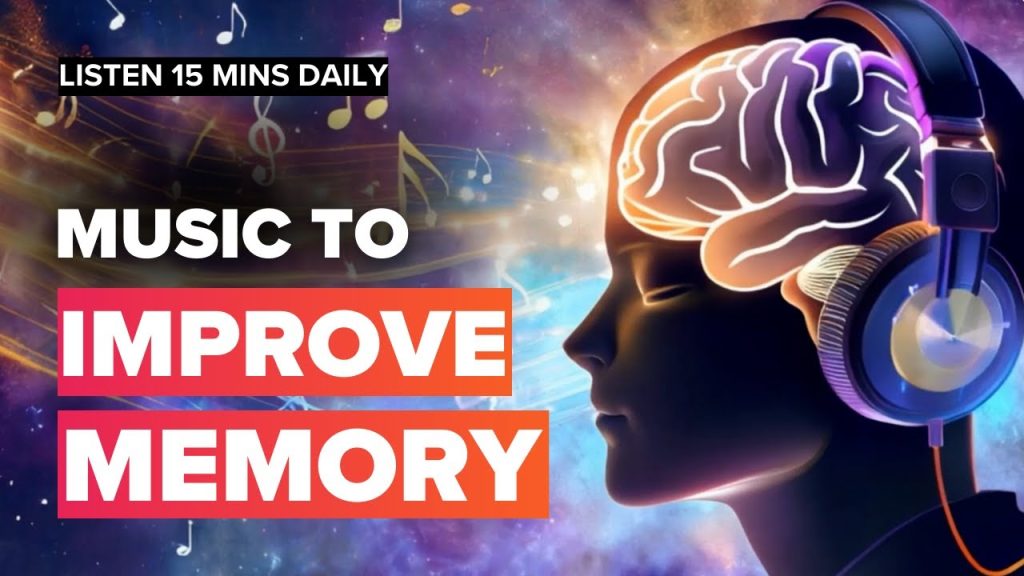
- Cognitive Benefits: Engaging with music has been linked to improved memory and cognitive functioning.
- Community Connection: Participating in musical groups fosters social connections, reducing feelings of isolation.
- Personal Transformation: Many individuals report profound changes in their lives through music therapy and creative expression.
This article will explore the top five pursuits in music that can positively affect mental health. Join us as we delve into each pursuit and discover how embracing music can lead to meaningful life transformations.
The Influence of Music on Mental Health: How Musical Pursuits Can Transform Lives
Music is often hailed as a universal language, a beautiful paradox that transcends geographical boundaries and echoes through the corridors of the human psyche. Its innate ability to resonate with human emotions is both fascinating and profound. In recent years, scientists and psychologists alike have shown a growing interest in uncovering the mysterious link between music and mental health. Their endeavors have revealed a captivating truth: music is not just an art form but a powerful tool for enhancing emotional well-being. In this exploration, we will dive deep into five distinctive ways that musical pursuits can influence mental health, progressing from the least to the most transformative.
5. Fostering Social Connections
One of the most significant yet underrated aspects of music lies in its capacity to foster social connections. Engaging in musical activities such as playing in a band, participating in group lessons, or simply attending live music events can cultivate a sense of community and unity among individuals. This shared passion for music can pave the way for long-lasting friendships and support networks that play a critical role in sustaining mental health.
- Artistic Collaboration: Performing music often necessitates teamwork and collaboration, creating a strong bond among musicians who must listen and respond to each other’s cues.
- Shared Experiences: The exhilaration of attending concerts or music festivals can generate memorable experiences that strengthen interpersonal relationships and engender a sense of belonging.
- Emotional Support: Musicians often share their challenges and triumphs, finding solace in the mutual understanding and healing that stem from their common ground in music.
Though fostering social connections might not seem as visibly impactful in the short term, the importance of human relationships in maintaining mental health cannot be overstated. Our connections to others provide emotional sustenance and contribute significantly to overall psychological resilience.
4. Reducing Stress and Anxiety
Music has been demonstrated in numerous studies to effectively reduce stress and anxiety. Both passive listening and active participation in music can trigger physiological changes that help mitigate the stress response. For example, listening to music has been shown to lower cortisol levels, the hormone directly linked to stress, thereby promoting a calmer state of being.
Playing an instrument, on the other hand, engages various cognitive functions and brings an element of mindfulness, drawing our focus away from anxiety-inducing thoughts and providing an outlet for emotion. The following are ways music therapy contributes to stress reduction:
- Relaxation Techniques: The incorporation of music into practices like meditation or yoga can deepen the state of relaxation and inner peace.
- Soothing Effects: Soft, melodic tunes can naturally slow heart rates and regulate breathing, creating a tranquil environment.
- Distraction from Worries: Becoming engrossed in music provides much-needed distraction, allowing individuals to momentarily set aside life’s stressors.
In a world filled with constant hustle and high-pressure situations, reducing stress and anxiety through music stands out as a simple yet powerful therapeutic tool. This forms the baseline for the superior benefits that music can offer in emotional regulation.
3. Enhancing Mood and Emotional Expression
Music possesses an unparalleled ability to tap into our emotional depths, offering pathways for mood enhancement and emotional expression. Whether through its lyrics or melody, music enables individuals to process and convey their feelings in a constructive manner.
Listening to upbeat tunes can elevate levels of serotonin and dopamine—chemicals essential for feeling good—while actively making music can provide an emotional catharsis that leads to profound release and relief. Through these interactions, music can contribute to:
- Euphoria: The sheer joy of creating or experiencing music can evoke pure happiness and liberation.
- Empathy: Listening to or playing music that explores different life stories and emotions can boost one’s ability to empathize with others, fostering a deeper social understanding.
- Therapeutic Insight: Writing lyrics can mirror the process of journaling, offering therapeutic insight and self-discovery through reflection.
Engaging with music thus becomes a profound journey of self-exploration and emotional growth, contributing to one’s mental resilience and psychological well-being.
2. Improving Cognitive Function
While music’s emotional benefits are well-known, its power to improve cognitive function is equally compelling. Engaging with music—whether through learning to play an instrument, reading musical notation, or mastering timing—demands intricate coordination and mental agility.
Scientific studies suggest that musical training can enhance various cognitive domains, leading to improvements in IQ and memory. Additionally, it can assist in key areas affecting mental health:
- Memory: Actively engaging with music requires memorization, which can strengthen neural connections and boost recall abilities.
- Attention: Playing music necessitates sustained concentration and focus, which can translate into better attentional skills in everyday life.
- Problem Solving: Composing or improvising music exercises creative and analytical capabilities, enhancing one’s problem-solving skills.
Through these intellectual benefits, music can serve as a cognitive enhancer, providing individuals with a refreshing sense of purpose and mental clarity.
1. Facilitating Healing and Recovery
At the zenith of music’s influence on mental health lies its capacity to facilitate healing and recovery. Music therapy, a specialized clinical approach, has proven effective in aiding recovery from various psychological conditions, including depression, post-traumatic stress disorder (PTSD), and grief.
In therapeutic settings, music is employed to unlock emotions, trigger positive memories, and promote self-expression, acting as a catalyst for healing. Music facilitates recovery in the following ways:
- Trauma Recovery: For those with PTSD, music therapy can help process traumatic memories in a controlled and supportive environment, fostering emotional resolution.
- Grief Processing: Music can provide comfort and closure, allowing individuals to navigate the stages of grief with greater ease.
- Boosting Neuroplasticity: Music stimulates brain plasticity, enabling the development of new neural pathways that aid emotional recovery.
Thus, music becomes more than just a form of entertainment—it transforms into a powerful agent of emotional repair, offering a conduit through which individuals can achieve psychological equilibrium and renewal.
As we have explored, the influence of music on mental health is both multifaceted and profound. From strengthening social bonds to aiding in emotional healing, music holds transformative potential. As research continues to delve into this enthralling interplay, one thing remains clear: music is an ally in the journey towards better mental health and well-being.
| Category | Details |
|---|---|
| Emotional Expression | Music serves as a powerful medium for emotional expression, allowing individuals to articulate feelings that may be difficult to communicate through words alone. This avenue of release can lead to mental clarity and emotional healing. |
| Social Connection | Participating in musical pursuits can foster a sense of community and belonging. Engaging with others through music can form lasting friendships and support networks, essential for mental well-being. |
| Stress Reduction | Listening to or creating music is shown to significantly lower stress hormones in the body. This reduction contributes to mental resilience, allowing individuals to cope better with everyday challenges. |
| Cognitive Enhancement | Engaging in musical activities, such as learning an instrument, can improve cognitive functions like memory, attention, and problem-solving skills. These enhancements can lead to greater mental agility and capacity for learning. |
Frequently Asked Questions on the Influence of Music on Mental Health
How does music affect mental health positively?
Music has shown significant positive effects on mental health through its ability to reduce stress and anxiety. Listening to preferred tunes triggers the release of dopamine, often known as the ‘feel-good’ hormone, promoting feelings of pleasure and happiness. Furthermore, musical activities such as singing or playing an instrument can elevate mood and foster a sense of community. Studies indicate that engaging with music regularly can also enhance cognitive abilities and improve emotional regulation.
Can playing an instrument help in mitigating symptoms of depression?
Absolutely. Engaging in musical pursuits, like playing an instrument, can serve as a powerful tool against depression. It encourages self-expression and creativity, providing a constructive outlet for emotions. This activity not only offers a sense of accomplishment but also connects individuals to a broader community of musicians. Moreover, the focus and dedication required for learning an instrument can divert attention away from negative thoughts, promoting better mental health.
Is there scientific evidence supporting music therapy as a treatment for mental disorders?
Yes, there is growing evidence supporting the effectiveness of music therapy in treating various mental disorders. Research has demonstrated that music therapy can significantly reduce symptoms of anxiety and depression. It is used in clinical settings to aid individuals with PTSD, autism, and schizophrenia. The American Music Therapy Association acknowledges its benefits, emphasizing that music therapy sessions are tailored to fit the unique needs of each participant, promoting healing and well-being.
Are certain types of music more beneficial for mental health than others?
While personal preferences play a major role in the impact of music on mental health, some studies suggest that classical, jazz, and nature soundscapes may be particularly beneficial for relaxation and stress relief. However, the most important factor is how an individual resonates with a particular genre or piece of music. Personalized playlists that reflect one’s mood and emotional needs are often more effective in promoting mental wellness.
How can individuals integrate music into their daily routines to support mental well-being?
Integrating music into daily life can be simple yet profoundly impactful. Start by setting aside time each day to listen to or play music that resonates with you. Using music during specific activities such as working out, meditating, or even commuting can enhance these experiences. Creating personalized playlists to accompany different parts of your day can also help maintain a balanced mental state. Engaging in community music activities or learning a new instrument can further enrich this journey.
Conclusion
The profound impact of music on mental health is an area that has garnered increasing attention, inviting both curiosity and exploration into its transformative potential. Throughout this article, we’ve delved into the various ways that musical pursuits can benefit mental well-being, from alleviating stress to fostering personal growth and emotional resilience.
One of the key takeaways is that engaging with music, whether through listening, playing, or composing, can serve as a powerful therapeutic tool. It allows individuals to express complex emotions and experiences that might otherwise remain unarticulated. Studies have shown that music can significantly reduce symptoms of anxiety and depression, providing a sense of control and empowerment.
The article also highlighted the cognitive benefits of musical activities, such as enhancing memory, attention, and problem-solving skills. These improvements not only contribute to mental agility but also promote a greater sense of self-efficacy and satisfaction.
Community involvement through music can strengthen social bonds and foster a sense of belonging, which is crucial for mental health. Whether participating in a choir, band, or music workshop, the shared experiences and connections formed in these settings can provide invaluable emotional support.
In essence, exploring musical pursuits opens a path to enhanced mental health, underlining the importance of incorporating creative hobbies into our daily lives. In a world where mental health challenges are increasingly prevalent, the healing power of music offers a beacon of hope and a potential catalyst for positive change. As we continue to explore this vibrant field, the potential for music to transform lives remains boundless, urging us to further investigate its mysteries and possibilities.