
DIY Air Fresheners: Mixing Natural Fragrances to Create Your Own Product Line
Exploring Natural Alternatives to Commercial Air Fresheners
For many, the sensory experience of a home begins with its scent, often setting the stage for the overall ambiance. However, many commercially available air fresheners can contain harsh chemicals and synthetic fragrances that may not only irritate the senses but could also pose potential health risks over time. As consumers become more health-conscious, there’s a growing trend towards adopting more natural solutions.
Creating your own DIY air fresheners is a wonderful way to personalize your living space while ensuring that the scents you choose are both enjoyable and safe. By utilizing ingredients readily found in nature, you can formulate a variety of pleasant aromas that resonate with your lifestyle preferences. Some captivating scent combinations to consider might include:
- Fresh citrus notes: The zesty fragrances from oranges and lemons can instantly uplift your mood and provide a clean, invigorating atmosphere. Citrus essential oils are known for their energizing properties and can help reduce stress, making them perfect for busy family spaces.
- Calming lavender and chamomile: Ideal for bedrooms or relaxation areas, these gentle fragrances are well-regarded for their soothing effects. They can aid in promoting better sleep and calming anxiety, creating a serene environment to recharge.
- Woodsy scents: The earthy tones of cedarwood and sandalwood can evoke images of tranquil forests. These scents can have grounding effects, making them excellent choices for a home office or meditative space.
- Invigorating mint and eucalyptus: Ideal for kitchens or workout spaces, these scents provide a refreshing burst of energy. Both mint and eucalyptus have been shown to increase mental clarity and invigorate the senses.
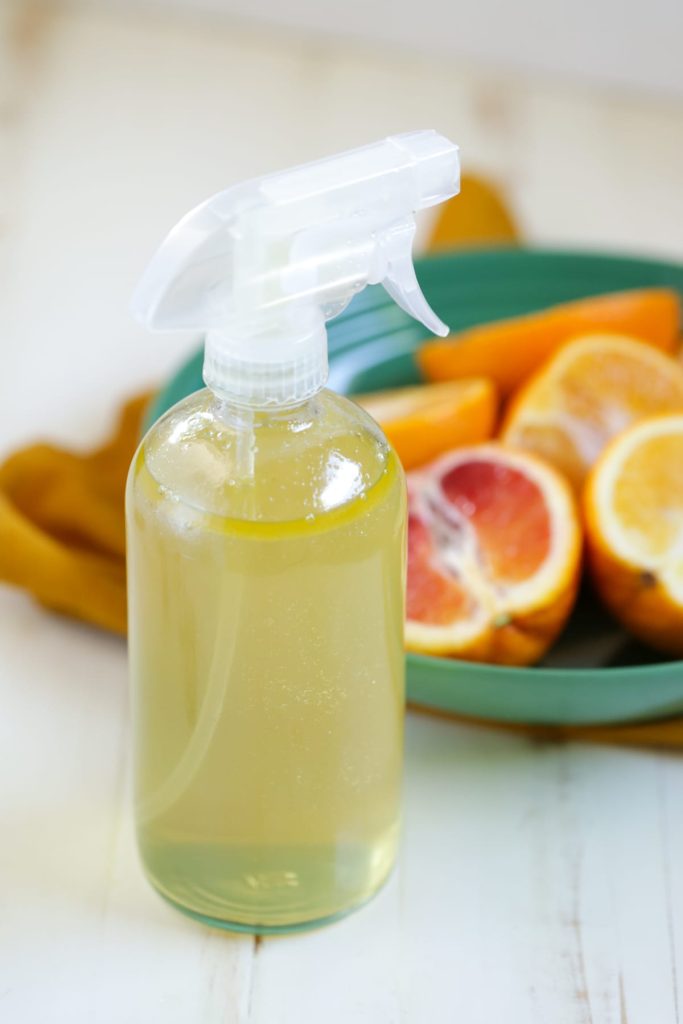
Crafting your own air fresheners can be a delightful and simple process. There are various methods you can explore to suit your personal preferences, from creating spray bottles filled with diluted essential oils to assembling potpourri blends made with dried herbs and spices. Getting started might require just a few basic ingredients: pure essential oils, distilled water, and natural bases like witch hazel or vinegar.
Furthermore, as you embark on this journey into the world of natural air fresheners, remember that you are not only enhancing the scent of your home but also contributing to a healthier living environment. Many essential oils possess antibacterial properties, which can help purify the air while creating a more inviting atmosphere. With an array of options at your disposal, you can easily create scents that not only elevate your home but also serve to soothe your senses and promote wellbeing.
Your exploration into natural fragrances can lead you to discover new combinations and recipes. By investing a little time in crafting these delightful scents, you’ll bring a touch of nature indoors while enriching your living space.
Crafting Your Signature Scent: Essential Ingredients for DIY Air Fresheners
When venturing into the world of DIY air fresheners, understanding the essential ingredients is paramount for achieving scents that resonate with your personal style and preferences. The beauty of creating your own air fresheners lies in the ability to mix and match natural fragrances derived from various sources. Below are some of the key components to consider as you embark on your aromatic journey:
- Essential Oils: Arguably the heart of any DIY air freshener, essential oils are concentrated extracts from plants that contain potent fragrance compounds. Popular choices include lavender for its soothing aroma, lemon for a zesty uplift, and eucalyptus for a refreshing sensation. The versatility of essential oils allows you to build unique scent profiles tailored to different spaces and moods.
- Carrier Liquids: Essential oils are highly concentrated, which is why they should be diluted before use. You can use water, witch hazel, or even vinegar as carrier liquids. Each option comes with its own set of benefits; for instance, witch hazel acts as an excellent emulsifier, allowing oils and water to mix seamlessly, creating a spray that lingers in the air.
- Dried Herbs and Spices: Enhancing your air freshener with dried herbs like rosemary, mint, or chamomile not only adds an aesthetic element but also infuses your creation with its unique scent profile. Spices like cinnamon or cloves can introduce warm and inviting notes, reminiscent of cozy gatherings during the fall and winter months.
- Natural Preservatives: If you’re planning on creating larger batches or potpourri, consider adding natural preservatives such as alcohol or vitamin E oil to extend the shelf life of your products. These agents help prevent mold and bacteria growth, ensuring your creations remain fresh and safe for use.
As you gather these components, consider the ratios that work best for your scent preferences. Generally, a good starting point is to mix 10-30 drops of essential oil per cup of carrier liquid. You can adjust the intensity of the scent by adding more or less oil according to your liking. Don’t hesitate to experiment—this process is all about discovering what works for you.
Creating DIY air fresheners also presents an opportunity to incorporate sustainability into your home. By utilizing recyclable containers for your sprays or choosing to create reusable options like scented sachets, you enhance your commitment to eco-friendly living. This thoughtful approach not only reflects well on your values but can also inspire those around you to adopt more conscious habits.
In our fast-paced society, taking the time to craft your own air fresheners invites a sense of mindfulness into your life. Not only do you gain control over the scents filling your space, but you also engage in a creative process that can be both rewarding and therapeutic. The journey of discovering your unique fragrances is just beginning, and the potential combinations are limited only by your imagination.
Creating your own line of DIY air fresheners allows for endless creativity and customization. By mixing natural fragrances, you can craft unique scents that cater to your personal preferences or target audience. The process not only sparks innovation but also provides insight into the significant market trends leaning towards organic and eco-friendly products. Many consumers are becoming increasingly aware of the harmful chemicals often found in conventional air fresheners. This growing concern opens doors for makers of DIY air fresheners using natural ingredients. Incorporating essential oils such as lavender, eucalyptus, or citrus not only brings delightful aromas but also utilizes the therapeutic properties associated with these natural extracts. For instance, lavender is renowned for its calming effects, while citrus oils can invigorate and uplift the spirit.When starting your product line, consider experimenting with various blends. Mixing fragrances can lead to distinct signature scents. A calming combination could feature lavender and chamomile, whereas a fresh and energizing scent might include lemon and peppermint. Additionally, offering customers the option to personalize their air fresheners can enhance satisfaction, creating a bond between them and your brand.Furthermore, these natural alternatives are not just appealing for their scents but are also environmentally friendly. Using simple ingredients like baking soda, vinegar, and distilled water can result in cost-effective air fresheners that are safe for both pets and children. As you delve deeper into the world of DIY air fresheners, remember that the storytelling aspect of your brand can captivate your audience. Share your inspiration, highlight the benefits of each ingredient, and encourage customers to partake in the creative process. As you explore different avenues for your DIY air freshener brand, keeping in mind sustainable practices and organic ingredients may resonate more with today’s eco-conscious consumers. As a result, you might find that not only do your products sell well, but they also contribute to a healthier planet.
Exploring Scent Pairing: The Art of Mixing Fragrances
Once you’ve gathered your essential ingredients, the next step in your DIY air freshener journey is understanding the principles of scent pairing. Just like a chef knows how to balance flavors, you can learn how to harmonize fragrances. The world of essential oils offers a vast palette of scents that, when combined, can lead to new and delightful olfactory experiences.
To master the art of mixing fragrances, consider the scent families they belong to. Generally, these can be classified into four main categories: floral, citrus, earthy, and spicy. Here are some examples of how you can effectively blend these families:
- Floral and Citrus: Combining floral elements like rose or jasmine with citrus oils such as lemon or bergamot can create a refreshing yet calming experience. This blend works well in bedrooms and living areas, offering a gentle uplift.
- Earthy and Spicy: For a more grounded scent profile, consider pairing earthy oils like patchouli or cedarwood with spices such as cinnamon or nutmeg. This concoction can evoke feelings of warmth and comfort, making it perfect for colder months or cozy family gatherings.
- Citrus and Spicy: If you’re looking for an energizing scent, try blending citrus oils with spicy ones. For example, orange paired with clove can create a vibrant and invigorating atmosphere that helps maintain focus while working from home.
- Floral and Earthy: For a complex yet calming scent, mix floral notes like lavender with earthy tones such as sandalwood or frankincense. This combination can serve as a tranquilizer, ideal for meditation spaces or bedrooms.
Understanding how different scents affect mood and perception can further enhance your DIY air freshener creations. For instance, citrus scents are often associated with feelings of happiness and vitality, making them great for morning fresheners. On the other hand, florals like lavender are known for their calming effects, making them ideal for evening use.
Consider also the seasonality of scents in your product line. Different times of the year call for different fragrances. In spring, lighter florals and citrus scents can uplift your space, while autumn welcomes deeper, warmer fragrances like pumpkin spice or sandalwood. Adapt your fragrance blends to align with the changing seasons, showcasing your creativity throughout the year.
Creating Signature Blends: Testing and Adjusting Scents
The development of your unique air freshener product line will benefit greatly from a methodical approach to testing and adjusting your blends. After mixing your chosen essential oils, allow your creation to sit for at least a few hours or overnight. This resting period lets the fragrances fuse, offering a more accurate representation of the final scent. When ready to test, spray a small amount in the intended space and observe how the aroma develops over time.
Keep a detailed log of your experiments, noting the ratios of oils used, the scents combined, and any feedback from family or friends. Such documentation will be invaluable in refining your blends, helping you create a cohesive product line that resonates with different audiences.
The journey of discovering and crafting your own DIY air fresheners is as delightful as it is rewarding. By mixing natural fragrances and carefully considering the art of scent pairing, you can create products that not only freshen your living spaces but also resonate deeply with individual preferences and seasonal changes.
Conclusion: Crafting Your Unique Air Freshener Experience
In a world increasingly leaning towards natural alternatives, DIY air fresheners present a remarkable opportunity to personalize your living environment. By carefully mastering the principles of scent pairing and experimenting with various essential oils, you not only cultivate unique fragrance blends but also enhance the emotional atmosphere in your spaces. The beauty of creating your own product line lies in your ability to curate scents that resonate with your individuality and the changing seasons.
As you embark on this aromatic adventure, envision the journey as a blend of art and science. Rigorous testing and adjusting of your blends allow for fine-tuning that will help you refine your signature scents. Documenting each step will lay the foundation for a cohesive product line that appeals to a variety of preferences—whether customers seek refreshing citrus notes for a morning boost or soothing florals for a relaxing evening.
The potential of natural fragrances extends beyond mere air freshening; it encompasses creating an olfactory experience that elevates daily routines. Exploring and experimenting with scent can lead to profound insights into how these aromas influence our moods and enhance our quality of life. As you synthesize your blends, you are not just crafting air fresheners but curating emotions tied to cherished memories or seasonal celebrations.
As you continue to experiment, remember that the world of scent is vast and ever-evolving. Stay curious, keep experimenting, and let your creativity flow. Your commitment to this craft not only transforms how you perceive your environment but also paves the way for a thoughtful and sustainable product that others can enjoy. Dive deeper into the world of natural fragrances, and who knows? You might just discover your next bestseller!