The Art of Improvisation: How Music and Dance Can Stimulate Creativity
The Art of Improvisation in Everyday Life
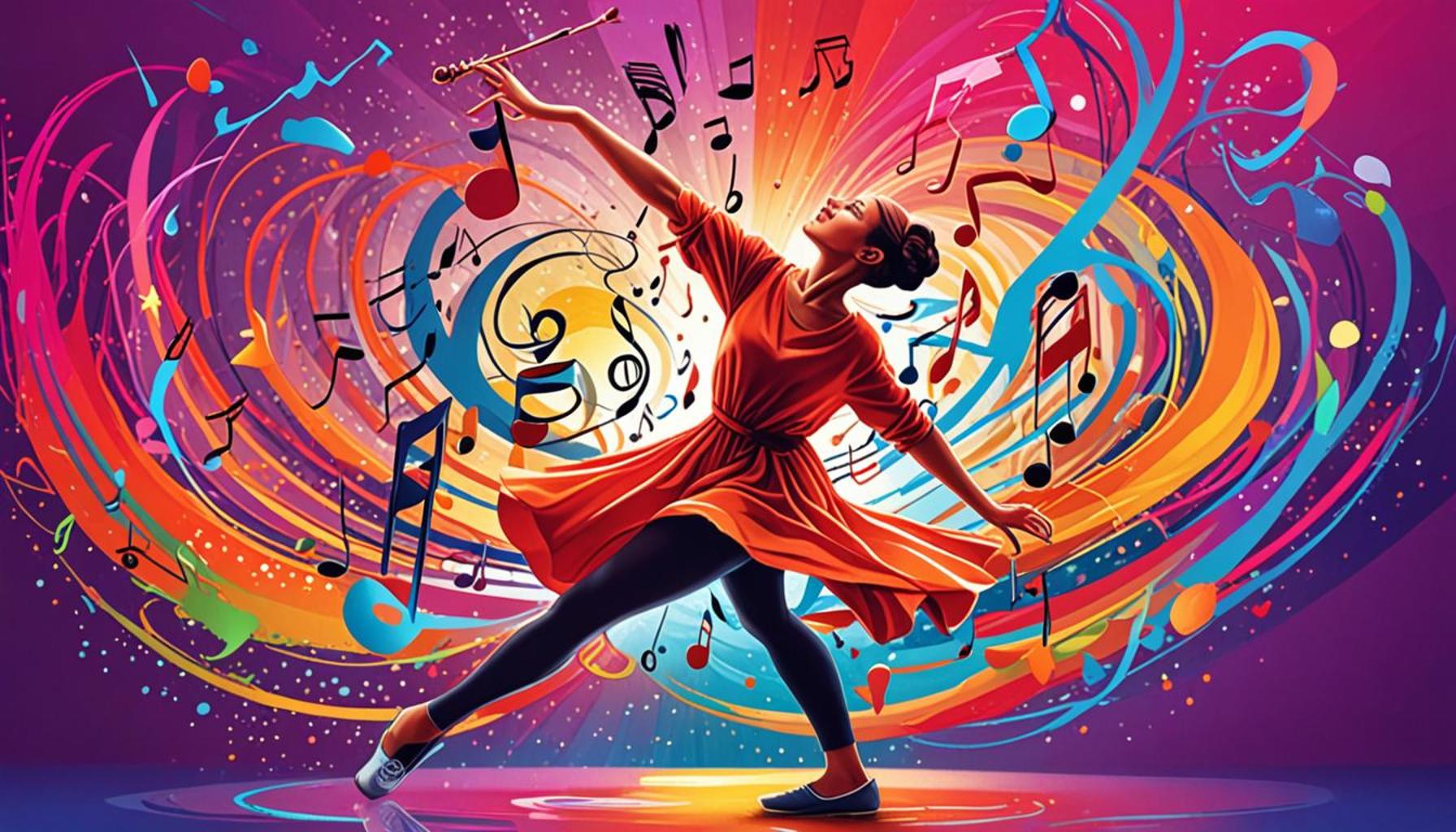
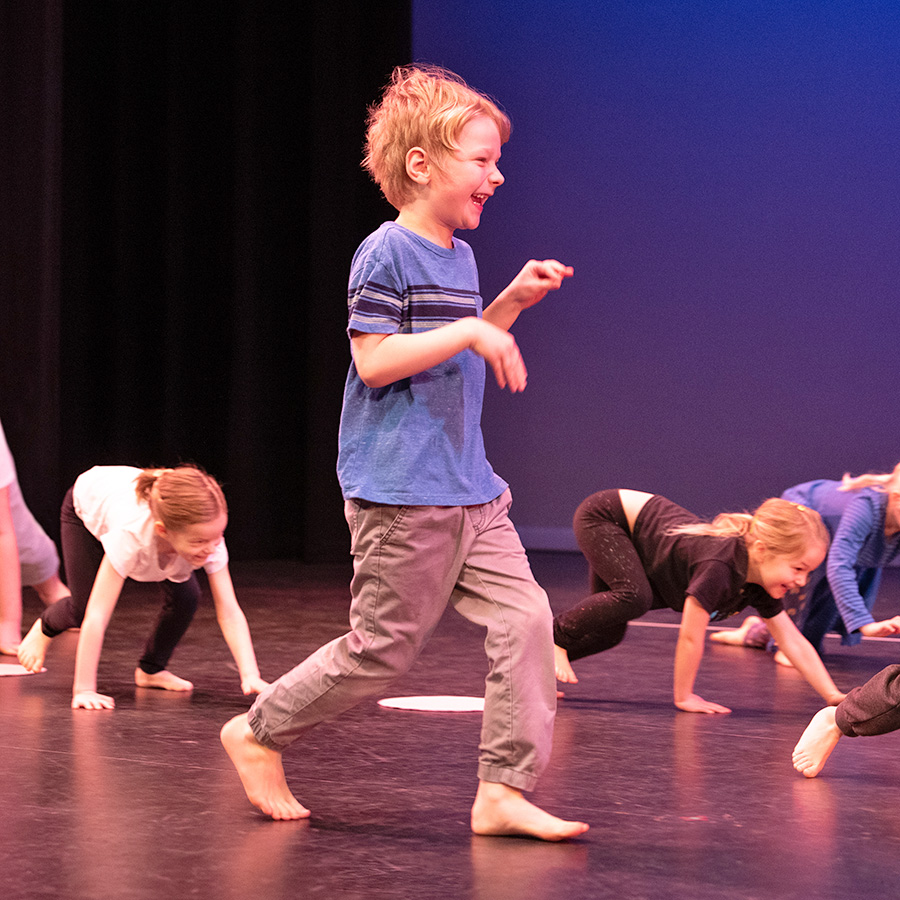
Improvisation in music and dance transcends mere spontaneity; it serves as a formidable catalyst for unlocking creative potential. As artists blend notes and movements, they engage in a dynamic process that not only enriches their own artistic expression but also has the power to ignite creativity in others. This synergy of body and mind invites individuals to explore their limits and expand their imaginative horizons.
Benefits of Artistic Improvisation
Engaging in improvisational art forms presents a multitude of benefits that extend beyond personal enjoyment. Here are some key advantages:
- Enhanced Problem-Solving Skills: Through the unpredictable nature of improvisation, musicians and dancers learn to think on their feet. For instance, a jazz musician may find themselves in a solo where they must create melodies spontaneously, requiring quick decision-making and adaptive thinking. This skill translates well into real-world scenarios, where innovative solutions are often necessary.
- Increased Emotional Awareness: Engaging with music and dance allows individuals to express emotions that may be difficult to articulate verbally. A dancer, for example, may convey feelings of joy or sorrow through their movements, fostering a deeper understanding of their emotional landscape. This enhanced sensitivity can promote empathetic interactions in personal and professional relationships.
- Collaboration and Communication: In group improvisation, the necessity for real-time collaboration becomes apparent. Participants must listen to each other attentively, fostering an environment of teamwork. This practice not only strengthens interpersonal skills but also inspires creativity through the sharing of different perspectives, evident in ensemble performances that thrive on collective contributions.
The Neuroscience of Improvisation
Numerous studies reveal that engaging in improvisation activates brain areas critical for creativity, such as the prefrontal cortex. This region is involved in complex cognitive behaviors, including planning and decision-making. The improvisational process encourages neural connections to form, enhancing creativity not only in artistic endeavors but also in problem-solving capabilities across various fields. For those working in industries centered around innovation—like technology, design, or entrepreneurship—these skills are invaluable.
Invitation to Explore Creativity
Whether you are a seasoned performer poised on stage or an amateur ready to dip your toes into the artistic waters, immersing yourself in the art of improvisation can be a transformative experience. These activities not only entertain but serve as gateways to discovering new methods of expression and problem-solving in everyday life. From local jazz clubs in New Orleans to dance workshops in New York City, opportunities to engage in improvisation are abundant across the United States.
Join us in this exploration of how embracing the spontaneity of music and dance can unveil unlocked corridors of creativity waiting to be traversed in both personal and artistic realms.
DIVE DEEPER: Click here to explore various instruments as a hobby
Improvisation as a Gateway to Creativity
The concept of improvisation in music and dance acts as a unique portal, allowing individuals to access untapped wells of creativity. When performers step onto a stage or into a studio without a predefined script or routine, they enter an expansive realm where anything is possible. This liberating experience encourages exploration beyond conventional boundaries, enriching their artistic expressions while simultaneously nurturing a spirit of innovation applicable to various life situations.
The Role of Environment in Improvisation
One cannot underestimate the influence of environment on the improvisational process. Settings enriched with spontaneity—such as open mic nights, street performances, or community dance gatherings—foster an atmosphere ripe for creativity. These environments not only encourage artists to let go of inhibitions but also support the exchange of ideas, allowing diverse forms of artistic expression to flourish. For instance, consider the vibrant, communal spirit at a weekly jam session in a local café; here, budding musicians often forge unique collaborations that produce exhilarating musical experiences.
Techniques to Cultivate Improvisational Skills
As with any art form, there are specific techniques and practices that can help individuals cultivate their improvisational skills. Here are some effective methods to consider:
- Mindfulness and Presence: Practicing mindfulness empowers artists to become attuned to the moment, engaging fully with the music and movement. This presence allows for inspired responses to the spontaneous energies around them.
- Experimentation with Genres: Immersing oneself in various genres—be it classical, hip-hop, or folk—broadens an artist’s toolbox. By borrowing elements from different styles, performers can weave rich tapestries of sound and movement that surprise both themselves and their audiences.
- Body Awareness: For dancers, understanding body movement plays a crucial role in improvisation. Techniques such as contact improvisation promote awareness of how bodies interact, leading to more meaningful and in-the-moment responses.
- Collaboration with Others: Joining groups or classes that focus on improvisation can enhance skills through collaboration. Engaging with fellow artists exposes individuals to tracing new paths of innovation inspired by each other’s talents and insights.
As individuals learn to use these techniques, they cultivate a mindset open to possibility—an invaluable trait for artists and non-artists alike. The application of improvisational skills extends beyond the stage and studio; these practices can be integrated into everyday life, fostering creativity in problem-solving, communication, and personal expression. In a world that often values predictable outcomes, the ability to embrace uncertainty is a true asset.
The Creative Cycle of Improvisation
At its core, improvisation is a creative cycle—an interplay between inspiration, action, and reflection. Musicians and dancers tap into a wealth of ideas that, upon execution, evolve in real-time, leading to unexpected breakthroughs. This fluid process not only exemplifies the beauty of spontaneity but also highlights the intrinsic connection between creativity and self-discovery. Whether examined through a scientific lens or experienced firsthand during a dynamic performance, the art of improvisation reveals how music and dance can stimulate vibrant, new forms of creativity within us all.
| Category | Key Features |
|---|---|
| Improvisation in Music | Enhances spontaneous expression and original ideas. |
| Improvisation in Dance | Encourages physical freedom and experimental movement. |
| Creative Benefits | Promotes problem-solving skills and adaptability. |
| Cognitive Gains | Stimulates brain activity and develops neural connections. |
Exploring the concepts of improvisation through music and dance lends insight into how creativity flourishes in unpredictable environments. When musicians improvise, they create unique melodies and harmonies, often leading to an organic synergy that captivates audiences. As one engages in improvisational dance, the body becomes a vessel for self-expression, breaking free from the constraints of choreographed forms, which can bring about profound emotional release.Moreover, studies have shown that these art forms can enhance cognitive functions. Practicing improvisation not only nurtures creativity but also develops skills like adaptability and problem-solving. In participants involved in both spontaneous music and dance activities, researchers noted a significant boost in brain activity, revealing that the creative process actively engages multiple areas of the brain.As you delve deeper into this fascinating intersection of art and creativity, you will uncover methods to harness the improvisational spirit in your life, potentially transforming both personal and professional pursuits.
DISCOVER MORE: Click here to learn about different instruments as hobbies
From Individual Expression to Collective Experience
The realm of improvisation not only nurtures individual creativity but also has the remarkable ability to create connections among people. This communal aspect of improvisational art informs the dynamic fabric of musical and dance cultures, where collaboration often generates innovative outcomes. As artists engage in spontaneous expression together, they establish a shared vocabulary that fosters deep connections and mutual inspiration. This collective experience can often be observed in settings like urban dance battles or collaborative musical performances, where the energy of the moment ignites a blend of creativity that resonates with both performers and audiences alike.
Impact of Improvisation on Mental Health
The psychological benefits derived from engaging in improvisational music and dance can also play a significant role in motivating creativity. Numerous studies indicate that participation in the arts, particularly through improvisation, contributes to improved mental health. For instance, activities that allow for spontaneous creation can lower feelings of anxiety and depression while promoting a sense of joy and fulfillment. Artists engaged in these practices report enhanced self-esteem and an increased sense of belonging, reinforcing the idea that creativity is not solely an individual pursuit but a community-driven experience. In settings such as art therapy programs, where improvisation may be employed, participants often discover a source of healing and empowerment through spontaneous expression.
Cultural Influences on Improvisational Practices
It is essential to recognize that improvisation is influenced by cultural context, as diverse societies have shaped their own unique forms of spontaneous expression. For example, jazz music—originating from African American communities in the early 20th century—heavily relies on improvisation, showcasing each musician’s individual style while contributing to a cohesive sound. Similarly, traditional Indian classical dance forms like Bharatanatyam incorporate improvisational elements that reflect deep cultural narratives and emotions, allowing dancers to explore their interpretations of age-old traditions. Such cultural lenses demonstrate that improvisation is not a monolithic practice; rather, it is a vivid tapestry woven from various influences that enhance artistic expression around the globe.
The Importance of a Growth Mindset
As individuals delve deeper into the art of improvisation, the cultivation of a growth mindset emerges as a vital component. Embracing challenges and learning from experiences fosters resilience and adaptability—traits that are essential not only in art but also in everyday life. Musicians or dancers who view mistakes as opportunities for growth are more likely to step outside their comfort zones, experimenting with new approaches that may lead to innovative breakthroughs. This attitude can be particularly influential for younger generations learning creative arts; instilling a growth mindset early on encourages a healthier relationship with creativity and individuality.
Through exploring improvisation in music and dance, artists and audience members alike can enrich their lives in multifaceted ways. The interplay of individual, collective, and cultural influences weaves a complex narrative surrounding creativity, inviting everyone to discover the myriad pathways through which spontaneity can lead to profound artistic expression.
DIVE DEEPER: Click here to uncover more about musical creativity
Conclusion: Embracing the Power of Improvisation
The exploration of improvisation in both music and dance reveals its profound impact on stimulating creativity and enriching our lives. Through spontaneous expression, individuals not only unlock their personal artistic voices but also cultivate a sense of community and connection with others. The ability to share and collaborate illuminates the rich tapestry of cultural influences that shape our understanding of creative practice, showcasing that improvisation is a truly universal language bridging divides across various backgrounds.
Moreover, embracing a growth mindset is pivotal in this creative journey. It empowers artists and participants to venture beyond their comfort zones, facilitating transformative experiences that redefine their relationship with creativity. This mindset not only nurtures resilience in the face of artistic challenges but also illustrates that improvisation serves as a conduit for personal growth and self-discovery.
As we continue to understand the multifaceted dimensions of improvisational arts, it becomes evident that they possess a unique ability to heal, inspire, and motivate individuals across various contexts. Whether participating in a vibrant jazz jam session or engaging in a lively urban dance battle, the energy of spontaneous creativity resonates deeply, encouraging us to embrace our own moments of improvisation. In a world that often prizes structure and predictability, the art of improvisation offers a refreshing reminder of the potential inherent in uncertainty, inviting us all to step into the rhythm of life with spontaneity and enthusiasm. Embrace the unexpected, and let the music and dance of creativity lead the way.