DIY Organization Projects: Creating Functional Solutions with Recycled Materials
Transforming Waste into Wonders
In a world filled with clutter, the need for functional organization solutions has never been greater. Many individuals are finding innovative ways to tackle disarray by utilizing recycled materials. This approach not only promotes sustainability but also adds a personal touch to every project.
Why Choose Recycled Materials?
Using recycled materials for DIY organization projects offers numerous benefits that resonate deeply within eco-conscious communities and beyond:
- Eco-friendly: By repurposing materials that would otherwise contribute to landfills, you significantly reduce waste and minimize environmental impact. According to the EPA, recycling can reduce greenhouse gas emissions, which are key contributors to climate change.
- Cost-effective: Many recycled materials can be acquired at little to no cost, allowing you to create unique organization solutions without breaking the bank. For instance, you can repurpose shipping boxes for storage, saving money that could be spent on store-bought organizers.
- Creative expression: Engaging in DIY projects allows you to infuse your personality into your space. Whether it’s painting a reused wooden crate or decorating glass jars, each piece can reflect your unique style and preferences.
Common materials that can be repurposed include:
- Cardboard boxes: These are ideal for drawer dividers or storage bins. A quick spray paint job can transform an otherwise mundane box into a chic organizational tool.
- Glass jars: Perfect for organizing small items like craft supplies, screws, or even pantry staples. Labeling jars can prevent confusion and enhance your kitchen or workspace aesthetics.
- Old furniture: With a little ingenuity, pieces like dressers or bookshelves can be transformed into unique shelving or organizer systems. For example, an old dresser can be turned into a stylish entryway bench with built-in storage for shoes and other items.
Getting Started
Embarking on a DIY organization journey can be incredibly rewarding. You don’t need to be a seasoned craftsperson to create functional decor. Start small: perhaps attempt to convert a few glass jars into spice containers for your kitchen, or use cardboard boxes to organize tools in your garage.
As you grow more comfortable with these projects, think bigger. Consider reimagining an entire room. For instance, you could use old crates to build a modern bookshelf that not only keeps your books organized but serves as a stunning focal point in your living space.
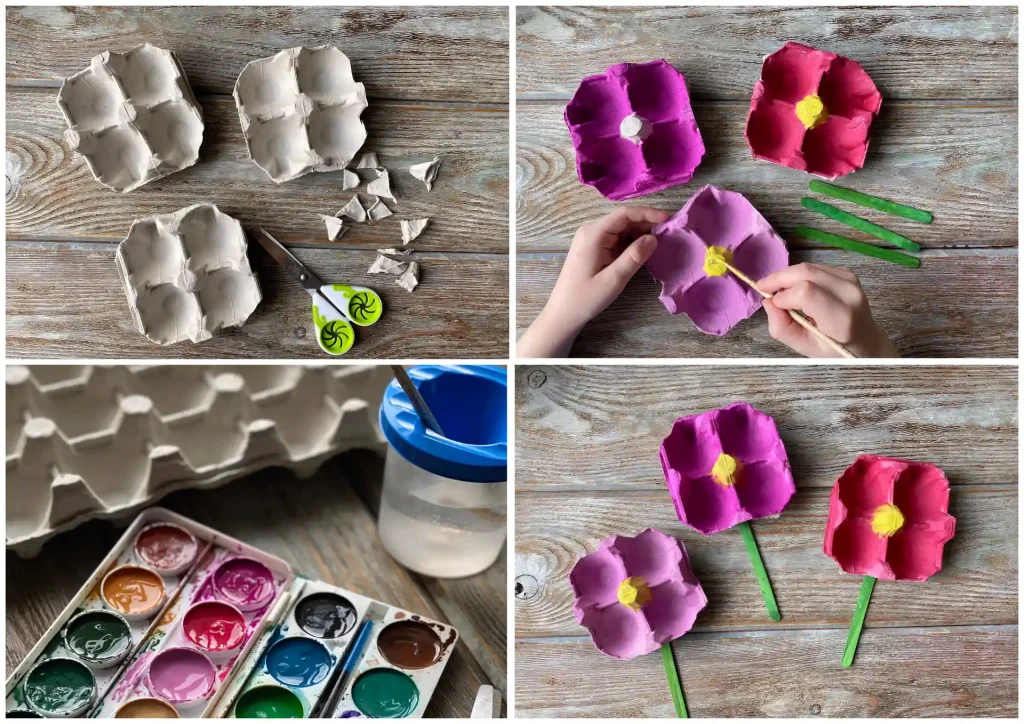
With online resources and communities dedicated to DIY organization using recycled materials, inspiration is just a click away. Platforms such as Pinterest are overflowing with ideas for projects that range from simple to complex, catering to your unique interests. By integrating recycled materials into your organization efforts, you not only create a stylish and functional space but also play a part in a larger movement towards sustainability and conscious living.
Unleashing Creativity with Everyday Items
DIY organization projects using recycled materials allow you to turn everyday items into tailored solutions that enhance both functionality and aesthetic appeal. The beauty of these projects lies in their accessibility; often, the materials needed are already at your disposal or can be easily acquired from local recycling centers or thrift stores. This not only sparks creativity but also encourages a sustainable approach to decluttering your space.
Inspiration from Everyday Items
When considering organization solutions, think outside the box—literally! Here are some everyday items that can be transformed into practical organizational tools:
- Plastic Containers: Clean out your takeout containers or yogurt cups and utilize them to sort small items such as buttons, beads, or office supplies. A simple coat of paint can give these containers a fresh look to match your decor.
- Old Towels and Sheets: Instead of tossing away frayed linens, they can be re-purposed into household rags for cleaning or can even be sewn into storage bags for toys or craft materials.
- Cereal Boxes: These can be cut and covered with decorative paper to create inexpensive drawer dividers. This simple project can help organize utensils in the kitchen or office supplies at your workspace.
- Hangars: Old hangars can be used creatively for holding accessories, such as scarves or belts, by adding clips or washi tape. This keeps them visible and easily accessible.
By recognizing the potential of these items, you not only reduce waste but also cultivate a sense of accomplishment as you craft customized solutions tailored to your specific needs.
Tools and Techniques
To embark on your DIY journey, it’s essential to gather a few basic tools. While the specific tools you will need may vary depending on the project, here are some staples that are useful for nearly any undertaking:
- Scissors: Essential for cutting cardboard, fabric, or plastic materials.
- Hot Glue Gun: A versatile tool for bonding materials together quickly and securely.
- Paint and Brushes: Whether it’s spray paint or acrylics, a fresh coat can elevate your recycled projects and make them fit seamlessly into your home.
- Labels: Consider investing in a label maker or simply using washi tape and markers to identify contents, which can help maintain organization long term.
Familiarize yourself with the tools to streamline your creative process, enabling you to execute projects with confidence. Online resources offer step-by-step guides and tutorials that make it easier than ever to get started, catering to both novices and seasoned DIYers alike.
As you delve into the world of DIY organization, remember that the goal is not just efficiency but also personal expression. Each project reflects your creativity while simultaneously contributing to a more sustainable lifestyle. So gather your supplies, unleash your imagination, and transform clutter into organized beauty!
| Advantage | Details |
|---|---|
| Cost-Effectiveness | DIY projects utilizing recycled materials can significantly reduce expenses as they often require little to no monetary investment. |
| Environmental Impact | Repurposing materials not only minimizes waste but also contributes to a sustainable lifestyle, encouraging others to think about their consumption habits. |
The world of DIY organization projects using recycled materials is brimming with creativity and practicality. Each project acts not only as a means of decluttering spaces but also as a testament to one’s commitment to sustainability. For instance, crafting storage solutions from old jars or creating aesthetic organizers from cardboard is a marvelous way to breathe new life into items that would otherwise contribute to landfills. Moreover, these projects foster a sense of accomplishment and innovation, inviting individuals to personalize their spaces while promoting eco-friendliness. With a variety of simple techniques available, anyone can embark on this rewarding journey of transformation—turning everyday waste into extraordinary functional pieces for home decor. In addition, by engaging in these DIY projects, you may discover newfound interests and skills, ultimately providing both enjoyment and utility. The benefits are extensive, and the possibilities for innovation are limitless, encouraging exploration and experimentation.
Transforming Spaces with Innovative Solutions
As you dive deeper into the realm of DIY organization projects using recycled materials, the opportunities to craft unique and functional pieces become increasingly abundant. Beyond merely repurposing items, innovation can be a driving force that leads to inventive solutions suited for any space in your home. This imaginative spirit not only solves challenges but also promotes an eco-friendly lifestyle that can inspire those around you.
Creative Storage Ideas for Every Room
Finding the right storage solutions can be daunting, but creativity can provide answers within the confines of your home. Here are several projects designed to enhance organization in various spaces:
- Wine Crates: Repurpose old wooden wine crates into stylish storage solutions for your living room or office. Stack them to create unique shelving that can hold books, plants, or decorative items. Adding a coat of stain or paint can elevate their appearance and make them a chic addition to your decor.
- Aspirin or Pill Bottles: Clean and label these household items to create compartmentalized storage for small items such as nails, screws, and buttons in the garage or craft room. This not only keeps your workspace tidy but also allows for easy access to often misplaced components.
- Old Suitcases: Vintage suitcases can be stylishly repurposed as storage bins under beds or as creative nightstands. By placing them in visible areas, they serve both as storage and decorative pieces, harmonizing the nostalgic appeal with modern needs.
- Jars and Bottles: Embrace the versatility of glass jars for organizing in various contexts. Use a mix of sizes to store dry goods in the kitchen, or transform smaller jars into attractive organizers for art supplies or office items. With a little creativity, you can turn a plain jar into a stylish accessory by adding twine, fabric covers, or paint.
Engaging the Family in the Process
Engaging family members in DIY projects not only fosters collaboration but also instills values of sustainability and creativity from a young age. Consider involving children by assigning them roles in different projects. For example, they can help with painting or decorating the items being repurposed, or they can brainstorm their own creative storage solutions.
Moreover, these collaborative activities provide quality bonding time. As projects unfold, families can discuss the importance of recycling and caring for the environment. Therefore, not only do you create aesthetically pleasing organizational solutions, but you also generate lasting memories.
Tracking Your Progress with a DIY Journal
To maintain motivation and organization in your DIY journey, consider starting a DIY journal where you can document your progress, jot down ideas, and sketch potential projects. This journal could serve as a personal space to reflect on what has worked and what hasn’t, as you explore new projects. Moreover, it may provide inspiration as you recycle materials and come up with innovative solutions tailored specifically to your life.
In an era where minimalism and sustainability are gaining prominence, the world of DIY projects is proving to be a perfect avenue for merging creativity with practicality. By harnessing the potential of recycled materials and involving your family, you not only enhance your living space but also cultivate an awareness that can lead to lifelong environmentally-friendly habits.
Embracing Sustainability Through DIY Organization
In conclusion, DIY organization projects utilizing recycled materials not only offer creative outlets but also represent a significant stride towards a more sustainable lifestyle. The act of repurposing everyday items—such as wine crates, pill bottles, and vintage suitcases—transforms cluttered spaces into organized sanctuaries while simultaneously reducing environmental impact. This innovative approach to organization encourages not just resourcefulness, but a deeper appreciation for the materials we often overlook.
Furthermore, engaging family members in these projects enriches the experience, cultivating a sense of teamwork and shared responsibility towards sustainability. By involving children or partners, families instill values of creativity and care for the planet, turning simple tasks into cherished moments. Documenting the process through a DIY journal can further fuel motivation and reflection, allowing you to track progress and inspire future endeavors.
As the trends of minimalism and eco-conscious living take root, turning to recycled materials for practical organization solutions becomes not just a necessity, but a powerful statement of intent. Whether you’re looking to enhance your home’s functionality or make a positive impact on the environment, these DIY projects pave the way for innovative, functional solutions that resonate beyond your immediate space. So, gather your supplies, engage your family, and let the journey of transformation begin—there’s no limit to what your creativity can achieve!