Artistic Exploration as a Means of Cultural Expression and Identity
The Role of Artistic Exploration in Cultural Expression
Art has long served as a canvas for cultural expression, providing insight into the identities that shape societies. It is a powerful vehicle through which individuals and communities communicate their values, beliefs, and experiences. Throughout history, artistic exploration has allowed diverse groups to convey emotions, stories, and perspectives that collectively define their identity. This dynamic interaction between art and culture fosters a profound understanding of the intricate human experience, illuminating not only personal narratives but also shared histories.
Different art forms have unique roles in shaping and reflecting cultural identity. For instance, consider visual arts. From intricate Native American pottery that incorporates ancient techniques and spiritual symbolism to contemporary urban murals that tackle social justice issues, visual arts are imbued with cultural significance. In cities like Chicago or Los Angeles, murals created in predominantly Latino neighborhoods often reflect heritage, community struggles, and resilience, serving as a form of resistance against cultural assimilation.
Music is another deeply impactful medium, as genres like jazz and hip-hop connect cultural roots with contemporary social issues. Jazz originated in African American communities, birthed from a rich amalgamation of African rhythms, blues, and ragtime. It embodies the spirit of experimentation and emotional expressiveness that characterizes cultural resilience. Similarly, hip-hop emerged as a voice for marginalized communities, addressing issues such as poverty, systemic racism, and identity struggles, thus becoming a powerful soundtrack of identity that resonates globally.
Performance arts, including traditions like ballet and folk dancing, illustrate unique communal narratives and encapsulate personal histories. For example, traditional African dance often serves not just to entertain but to educate communities about their histories and values, while ballet may symbolize the aspirations and struggles of immigrant artists striving to carve a place for themselves within elite artistic spaces.
In the United States, artists harness these diverse mediums not only to express their individuality but also to celebrate the diverse backgrounds that compose the national fabric. This cultural mosaic underscores the profound link between artistic endeavors and personal identity. As we delve deeper into this topic, we begin to uncover the ways that artistic exploration acts as a crucial bridge, connecting disparate cultures and fostering a sense of identity that transcends individual boundaries. Through art, local stories gain the capacity to resonate on a global scale, inviting others into a shared dialogue that enriches understanding and appreciation of diverse experiences.
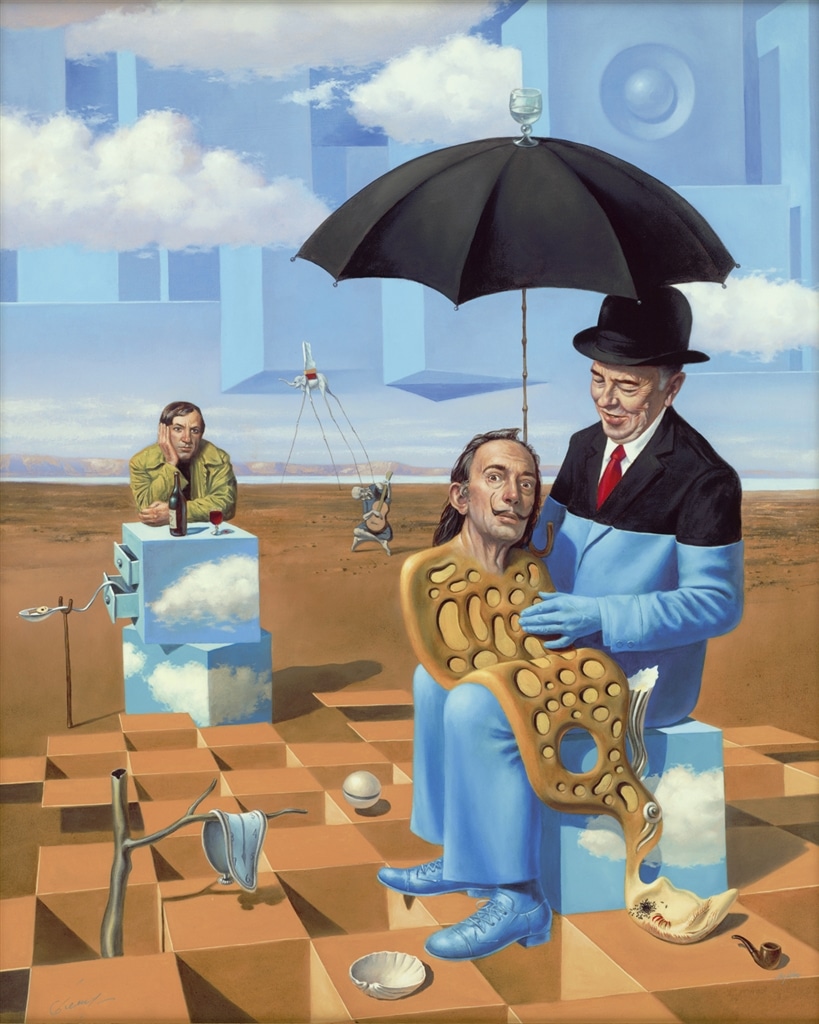
Ultimately, understanding art as a reflection of culture encourages us to engage with and appreciate the complexities of identity in a multifaceted world. The stories told through various artistic expressions enhance our perception of others, fostering empathy and connection across the wide spectrum of the human experience.
DISCOVER MORE: Click here to ignite your creativity
Exploring Diverse Art Forms and Their Cultural Significance
Artistic exploration encompasses a multitude of practices, each acting as a mirror reflecting the cultural identity of its creators. By engaging with various art forms, individuals and communities convey their unique stories, experiences, and beliefs, contributing to a rich tapestry of cultural expression. This section delves into specific forms of artistic exploration, underscoring their roles in shaping and representing the identities of different cultures.
Visual Arts: A Reflection of Heritage and Belonging
The visual arts serve as a powerful conduit for cultural representation, allowing artists to narrate their diverse heritages through mediums such as painting, sculpture, and pottery. Notably, Indigenous art plays a crucial role in linking contemporary artists to their ancestral histories, fostering a sense of pride and belonging. For instance, the intricate designs of Pacific Northwest totem poles not only depict ancestral stories but also affirm cultural identity while addressing contemporary issues faced by Indigenous populations.
Furthermore, the rise of street art has revolutionized urban spaces, transforming them into living galleries that reflect the voices of marginalized communities. In cities like New York and San Francisco, street artists utilize vibrant murals to address social injustices and celebrate cultural diversity. These murals invite passersby to engage with their messages, creating a shared sense of identity and solidarity amongst community members.
The Impact of Music in Defining Cultural Identity
Music is perhaps one of the most universal forms of artistic exploration, transcending geographical boundaries while remaining deeply embedded in cultural contexts. Genres such as country, blues, and rap have distinct roots in American history, expressing the experiences and struggles of different populations. For example, the storytelling aspect of country music often encapsulates themes of love, loss, and rural identity, resonating with listeners on a personal level.
Additionally, traditional folk music serves to preserve cultural narratives and familial legacies. In regions with a strong immigrant presence, such as California or New York, folk music acts as a repository of traditions, blending old melodies with contemporary influences. This amalgamation not only fosters a sense of continuity but also enables artists to reinterpret their cultural narratives in modern contexts, highlighting the adaptability of cultural identity.
Dance: Movement as a Cultural Language
Dance provides another profound medium for cultural expression, embodying the collective spirit of its practitioners. Traditional dances often encapsulate the stories, beliefs, and emotions of a culture, serving as a vibrant documentation of community history. Events such as powwows among Native American nations illustrate not just celebration but also resilience and the preservation of cultural identity in the face of historical challenges.
- folk dances: Celebrate communal ties and shared narratives.
- contemporary dance: Allow artists to explore and express evolving identities and social issues.
- hip-hop dance: Represents cultural resilience, creativity, and the struggles of urban youth.
Artistic exploration, through its various forms, not only embodies cultural expression but also serves as a catalyst for dialogue and understanding. By embracing diverse artistic practices, individuals and communities contribute to a broader conversation surrounding identity, fostering appreciation for the myriad ways in which culture shapes our lives. As we continue to examine these themes, the connection between art and personal identity becomes ever clearer, revealing the transformative power of creativity as a means of communication and cultural expression.
| Advantages | Key Features |
|---|---|
| Cultural Preservation | Art forms like traditional music, dance, and visual arts help maintain cultural heritage. |
| Identity Formation | Artistic exploration provides individuals a means to express and define their unique identities. |
Artistic exploration has profound implications for cultural expression and identity. One prominent advantage is the role it plays in cultural preservation. Through various art forms, communities can document their history, traditions, and values, ensuring that future generations have a connection to their roots. Traditional music, dance, and visual arts serve not only as means of entertainment but also as vital conduits for transmitting heritage.In addition, artistic exploration is crucial in the process of identity formation. Individuals engage with different artistic mediums to express their experiences, beliefs, and emotions, which collectively contribute to their sense of self. This rich tapestry of personal narratives is essential in shaping cultural identity, particularly in a globalized world where diverse influences converge. Artistic expression, therefore, becomes a way for individuals and communities alike to articulate who they are and what they stand for, fostering a sense of belonging amidst the diversity of human expression.
DISCOVER MORE: Click here to dive deeper
Performing Arts: Storytelling Through Expression
Beyond visual arts and music, the performing arts stand out as a dynamic realm of artistic exploration, allowing individuals to engage in storytelling through theater, drama, and performance art. These forms elevate cultural narratives and practices, often intertwining personal experiences with broader societal themes. For instance, the resurgence of community theater in various American cities provides a platform for local voices, enabling artists to address issues pertinent to their neighborhoods, from social inequality to cultural heritage.
Theater: A Stage for Cultural Narratives
Theater, in particular, serves as a powerful medium for cultural expression and identity. Productions like Hamilton have shifted the narrative landscape, reinterpreting the history of the United States through diverse lenses and emphasizing the contributions of marginalized groups. By recasting historical figures as people of color, such productions foster a deeper understanding of America’s complex history, prompting discussions on race, identity, and representation.
Moreover, localized theater groups often draw from their specific narratives, using humor, tragedy, and drama to reflect the complexities of their communities. Plays that stem from the experiences of immigrant families, for example, not only document cultural struggles but also illuminate the resilience found within those narratives. Engaging audiences in these authentic stories creates empathy and a shared sense of identity, highlighting the power of theater as cultural commentary.
Film: A Global Canvas for Cultural Expression
The film industry further amplifies cultural expression, showcasing the diverse narratives that shape our world. International films, alongside independent American cinema, provide a platform for stories that mainstream Hollywood often overlooks. Films like Minari and Black Panther celebrate unique cultural identities while simultaneously appealing to a broader audience, emphasizing the universal themes of family, community, and identity struggles.
Filmmakers often explore the intersections of culture and identity, shedding light on the experiences of the underrepresented and creating dialogue about the multifaceted nature of culture in a globalized society. Such cinematic endeavors not only entertain but also educate audiences, provoking thought around cultural stereotypes and the shared humanity that connects us all.
Literature: Written Word as Cultural Exploration
Literature is an essential medium for cultural expression, offering a way to document and explore individual and collective identities through the written word. Authors such as Chimamanda Ngozi Adichie emphasize the importance of multiple perspectives in storytelling, warning against the dangers of a single narrative. In American literature, voices from varied backgrounds share distinct experiences, enriching the literary landscape and fostering cultural dialogue.
- Poetry: Often serves as a personal and political outlet, highlighting cultural nuances and emotional truths.
- Creative non-fiction: Blends personal narratives with wider cultural and societal issues, providing a unique insight into identity.
- Children’s literature: Plays a significant role in introducing cultural diversity early in life, fostering an appreciation for differences among young readers.
Through these written explorations, literature cultivates empathy and understanding, showing how individual narratives contribute to the broader cultural milieu. As readers engage with diverse stories, they begin to recognize the complexities of identity and the myriad ways in which culture is expressed and celebrated.
The diverse forms of artistic exploration—encompassing performance arts, film, and literature—offer invaluable insights into cultural identity. By delving into these mediums, creators not only celebrate their heritage but also invite others to participate in the shared human experience, ultimately enriching our understanding of the complexities of cultural expression.
EXPLORE MORE: Click here to start your creative journey
Conclusion: Enriching Cultural Narratives Through Artistic Exploration
In an increasingly interconnected world, artistic exploration serves as a vital conduit through which individuals articulate their cultural identity and collective experiences. From the vibrant expressions found in the performing arts to the immersive narratives seen in film and literature, artists play a crucial role in shaping cultural dialogues that resonate across boundaries. The ability to convey personal and communal stories fosters a deeper understanding of diverse perspectives, bridging gaps and nurturing empathy.
As we engage with art in its various forms, we are invited to reflect on our identities while appreciating the rich tapestry woven by others. Each performance, film, or book not only celebrates unique traditions but also evokes shared humanity, highlighting the intersections and commonalities that define our world. The importance of inclusive narratives cannot be overstated; they not only challenge dominant cultural hegemonies but also encourage a broader acceptance of diverse experiences.
Ultimately, artistic exploration stands as a powerful testament to the ongoing evolution of cultural expression. By embracing these artistic mediums, creators contribute to a greater conversation that transcends time and geography, inviting us all to explore the depths of our identities. As we continue to delve into the myriad ways that art reflects culture and identity, we uncover not just stories, but the universal truths that bind us together as a global community.