The Evolution of Artistic Exploration: From Traditional Practices to Contemporary Art Movements
Exploring the Evolution of Artistic Expression
The realm of art is a living testament to the human experience, evolving with societies, cultures, and ideologies. From the intricate cave paintings of ancient civilizations to the innovative expressions seen in today’s contemporary art, the journey of artistic exploration reveals a rich tapestry of human creativity. Each era in art history serves as a reflection of the social, economic, and political contexts of the time, demonstrating how deeply intertwined art is with the fabric of society.
Art has transformed through various historical periods, each marked by significant movements and trends. Key features of this evolution include:
- Traditional Practices: Emphasizing realism, craftsmanship, and cultural narratives. Traditional art forms, such as Renaissance painting, often portrayed religious themes and historical events, exemplified by masterpieces like Leonardo da Vinci’s “The Last Supper” and Michelangelo’s Sistine Chapel ceiling. These works not only display technical skill but also convey narratives central to the identity and values of their societies.
- Modernism: Breaking conventions, this movement emerged in response to rapid industrialization and urbanization. Artists like Pablo Picasso and Wassily Kandinsky explored abstraction and sought to represent the subjective human experience rather than objective reality. Pieces such as Picasso’s “Les Demoiselles d’Avignon” challenge viewers to engage with art on a more visceral level, prompting interpretations that emphasize emotional resonance over realism.
- Postmodernism: Emerging in the late 20th century, postmodernism actively critiques established narratives and embraces a diversity of voices and media. Artists like Cindy Sherman and Jeff Koons subvert traditional art forms, incorporating popular culture and questioning the concept of originality. This movement celebrates the idea that art can be fluid, inclusive, and reflective of a multitude of identities and experiences.
- Contemporary Art: Today’s artists draw upon global issues, personal identities, and technological advances to create works that resonate with contemporary audiences. With artists like Ai Weiwei and Kehinde Wiley, there is a strong focus on social activism and identity politics, utilizing platforms such as social media to engage with a wider audience. Their works often address pressing topics like immigration, racial justice, and freedom of expression, challenging viewers to reflect on their roles in these critical conversations.
Understanding this evolution is crucial for appreciating the wide spectrum of artistic expression today. These movements not only reflect the aesthetic preferences of their time but also powerful influences from social, political, and economic factors. For instance, the rise of contemporary art coincides with globalization, where artists draw inspiration from diverse cultures and cross-border dialogues.
As we explore the evolution of artistic exploration, we uncover how artists have navigated their environments, continuously reshaping their narratives. The transformation of artistic expression compels us to engage deeply with both historical and contemporary works, challenging our perceptions and highlighting the enduring relevance of art in society. This journey encourages readers to contemplate their own experiences with art and its impactful role in our collective narrative.
DISCOVER MORE: Click here to learn about the healing power of storytelling
Tracing Artistic Roots: From Tradition to Modernity
The story of artistic exploration is fundamentally linked to the way cultures and societies express themselves. As creators, artists have responded to the world around them, continually adapting their methods and mediums to reflect evolving norms and values. Traditional art practices often revolved around the mastery of techniques that had been honed over centuries, typically highlighting aesthetics alongside technical skill. This artistic foundation serves as a backdrop against which radical movements emerged, challenging established norms and pushing the boundaries of what art could represent.
In examining the shift from traditional artistic practices to the avant-garde and contemporary movements, several key factors played pivotal roles:
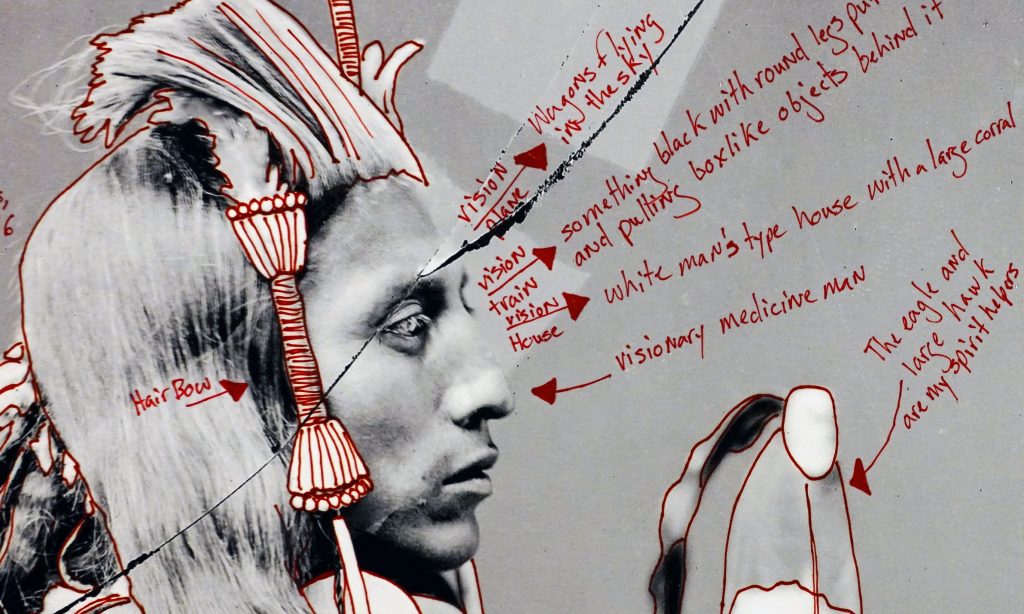
- Ritualistic and Symbolic Roots: Traditional art forms, often enshrined in cultural significance and spiritual practices, told stories through symbolism. In the Native American tradition, for example, each piece of art served a purpose, whether for storytelling, ceremonies, or communal identity. Totem poles and sand paintings become mediums for not just representation but also community connection and ancestral respect.
- The Role of Patronage: Throughout history, the support of patrons—be they religious institutions, monarchies, or the wealthy elite—shaped the trajectory of art. The Renaissance, characterized by its rediscovery of classical philosophy, led to great commissions that allowed artists like Raphael and Donatello to flourish. These works were not merely personal expressions but reflections of power, ambition, and the socio-political aspirations of their patrons.
- Technological Advancements: The evolution of art is also often intertwined with technological innovation. The invention of the printing press in the 15th century, for instance, democratized access to art and ideas. Artists like Albrecht Dürer utilized woodcuts to reach broader audiences, fostering a new appreciation for visual narratives across different classes. Similarly, 19th-century developments in oil paint made it more accessible, allowing artists to experiment with color and form in unprecedented ways.
- Cultural Exchange: As globalization began to take shape in the late 19th and early 20th centuries, artists started integrating influences from diverse cultures into their work. This phenomenon opened the door to movements like Cubism and Surrealism, driven by the cross-pollination of ideas. The impact of African art on Picasso’s work is a prime example, demonstrating how artists can draw inspiration beyond local traditions to unearth fresh perspectives.
These threads of tradition weave through the fabric of art history, providing a foundation upon which modern and contemporary practices are built. The transition towards modernism, marking a departure from representation toward abstraction, encapsulates a significant paradigm shift. Artists began to prioritize personal interpretation and emotion, radically redefining the purpose and experience of art.
As we navigate through this rich history, it becomes increasingly evident that understanding the evolution of artistic expression allows us to appreciate not only the aesthetics present in art but also the philosophical underpinnings and societal changes that accompany these shifts. This exploration confronts us with thought-provoking questions: How does the evolution of art reflect our shared humanity? And in what ways can contemporary creations challenge our perspectives on identity and culture today?
The Shift in Artistic Paradigms
As we delve deeper into the evolution of artistic exploration, it’s essential to recognize the shift in paradigms that have influenced contemporary art movements. Traditional practices have long been rooted in techniques passed down through generations, emphasizing the representation of the human experience through painting, sculpture, and crafts. However, with the advent of modernity, artists began to challenge these inherited conventions, seeking not just to replicate reality but to express individual perception and emotion.One of the most significant transformations can be seen during the late 19th and early 20th centuries with movements like Impressionism and Expressionism. These movements highlighted the subjective nature of art, allowing artists to explore the perceptions of light, color, and emotion rather than create perfect replicas of their subjects. This brought about an incredible diversity in artistic expression, paving the way for the explosion of styles that define contemporary art today.Furthermore, the rise of technology has dramatically changed the landscape of art creation. Artists today employ multimedia techniques, integrating digital media into their work, which allows for a more interactive and immersive experience. This integration not only broadens the scope of artistic exploration but also challenges audiences to engage with art in new, innovative ways.As we reflect on these transformations, it’s crucial to consider how they are influenced by societal changes. Art has always been a mirror reflecting culture, politics, and ideology. Contemporary artists draw inspiration from diverse sources, including social justice, identity politics, and environmental concerns, resulting in artwork that is not only evocative but also deeply relevant to our times.
Table of Artistic Advancements and Their Benefits
| Category 1 | Category 2 |
|---|---|
| Innovative Techniques | Digital media and installations expand the artistic toolkit, allowing for greater experimentation. |
| Cultural Relevance | Contemporary art addresses pressing social issues, fostering dialogue and awareness among audiences. |
In conclusion, the evolution of artistic exploration reflects the complexities of modern society, presenting opportunities for artists to not only showcase their creativity but also engage meaningfully with themes that resonate with a diverse audience. This landscape continues to evolve, promising fresh perspectives and inspiring discussions that are fundamental to understanding the role of art today.
DIVE DEEPER: Click here to learn about the evolution of musical instruments
Modernism to Postmodernism: In Search of New Narratives
As the 20th century unfolded, movements such as Modernism and its successor, Postmodernism, transformed the landscape of artistic exploration. Fueled by revolutionary ideas and rapid societal changes, artists began to reject the conventions of previous epochs. Their quests for meaning led to an expansive reevaluation of artistic identity and validity.
Modernism, emerging in the late 19th and early 20th centuries, encouraged artists to break free from traditional representations. This movement sought to capture the essence of a rapidly changing world, as industrialization and urbanization redefined the human experience. The works of artists like Pablo Picasso, with his contributions to Cubism, and Henri Matisse, known for Fauvism, spearheaded an exploration of shape, color, and form devoid of objective representation. These creators showcased an emotional reality that often meant more than the visible details, offering audiences a glimpse into subjective experiences.
In the realm of sculpture, the Marcel Duchamp-induced Dada movement shook the very foundations of what constituted art. By presenting the “ready-mades”—ordinary objects elevated to art through the artist’s choice—Duchamp prompted the question, “What is art?” Challenging the idea of craftsmanship and medium, his work resonated with the chaos and absurdity of the post-World War I world.
The Birth of Contemporary Art Movements
Transitioning into the late 20th century, Contemporary Art emcompasses a plethora of movements reflecting ongoing dialogues about identity, culture, and society. Amid the backdrop of globalization and digital technology, artists explore multilayered narratives, employ new mediums, and engage contemporary issues. The Neo-Expressionism of figures like Jean-Michel Basquiat and Julian Schnabel engaged with themes of race and identity through raw materials and visceral imagery. Their influential styles reinserted emotional depth into the art world, often contrasting with the coldness of Minimalism that came before.
Moreover, movements such as Activist Art and Street Art bridge the gap between creation and social commentary. Artists like Banksy utilize urban canvases to provoke thought, inspire change, and challenge societal norms around politics, consumerism, and environment. Likewise, the rise in Digital Art reflects the age of technology. Artists like Beeple have gained notoriety through innovative digital practices, transforming the landscape once again by using platforms like NFTs to democratize ownership and accessibility in the art market.
The Influence of Intersectionality
As we delve deeper into the contemporary realm, the framework of intersectionality emerges as invaluable in understanding current artistic practices. Artists are increasingly drawing from diverse cultures, lived experiences, and identities, leading to works that confront race, gender, sexuality, and socio-political dynamics. Through the lens of intersectionality, creators such as Kara Walker and Yayoi Kusama interrogate historical narratives and societal constructs, intertwining personal and collective storytelling.
This ongoing evolution of art serves as a reflection of our society’s complexities and diverse narratives; it challenges preconceived notions, expanding dialogues on identity and culture. As new movements surface and old ones are reimagined, contemporary art continues to offer enriching insights into the human experience, inviting viewers to participate in collective understanding and exploration.
DISCOVER MORE: Click here to uncover the therapeutic benefits of craft making
Conclusion: The Ongoing Journey of Artistic Exploration
The journey of artistic exploration has undergone profound transformations, transitioning from traditional practices to the vibrant tapestry of contemporary art movements. This evolution illustrates not just a change in style and technique, but a deeper questioning of what art is and what it can represent in an ever-complex world. As societal values shift and technology advances, artists have continually adapted their methods and mediums, using their work as a diary of collective human experience.
The legacy of Modernism and the critical framework of Postmodernism established a fertile ground for diverse voices to emerge. Characterized by their commitment to exploring intersectional themes, contemporary artists weave narratives that reflect identity, culture, and societal challenges. The rise of movements such as Activist Art and the democratization of creation through Digital Art emphasize the importance of audience engagement and social responsibility. Platforms empowering artists to connect with audiences in meaningful ways further enrich this discourse.
Looking ahead, the evolution of artistic exploration promises to unfold in ways we have yet to imagine. By embracing diverse perspectives and new technologies, artists will undoubtedly continue to challenge societal norms and expand our understanding of art itself. As this dynamic field evolves, it invites all of us to participate, explore, and reflect, ensuring that the profound dialogue around artistic exploration remains vibrant and inclusive.