The Role of Artistic Exploration in Fostering Empathy and Understanding Across Cultures
Understanding the Power of Artistic Exploration
In an increasingly interconnected world, the significance of artistic exploration cannot be overstated. Artistic mediums serve as powerful tools that transcend language barriers and cultural differences, fostering empathy and a deeper understanding among diverse populations. The transformative power of art is evident in various forms, which include:
- Visual arts: From painting to sculpture, visual arts can communicate profound ideas and emotions. Consider the impactful murals that adorn city walls; they often tell stories of local communities and heritage, engaging passersby in conversations that showcase cultural histories. Artists like Diego Rivera have utilized muralism to address social issues, leaving an indelible mark on public consciousness.
- Theater and performance: Live performances often reflect human experiences that resonate across cultures. For instance, productions like Lin-Manuel Miranda’s “Hamilton” highlight the complexities of America’s past, blending modern music with historical narratives. Such creative storytelling encourages audiences to reflect on their own identities and societal roles, making theater a powerful medium for empathy.
- Music and dance: These forms connect people emotionally, regardless of their backgrounds. Genres like jazz and hip-hop have roots in African American culture, yet they have influenced and been embraced globally, showcasing how music can unite disparate communities. Dance forms like salsa or Bollywood dancing also illustrate how cultural expressions can inspire cross-cultural collaboration.
Artistic endeavors have a remarkable capacity to bridge cultural divides and promote a shared sense of humanity. Moreover, engaging with art from different cultures enriches our perspectives and broadens our understanding of the world. Key aspects to consider include:
- The role of storytelling in expressing unique cultural experiences: Storytelling is a hallmark of human interaction, and through art, people can convey their unique narratives. These stories not only entertain but also educate audiences about different cultural experiences, fostering a greater appreciation for diversity.
- Collaborative projects that unite artists from various backgrounds: Initiatives like the “Artists in Residency” programs place creatives from different cultures into the same space, encouraging dialogue and collaboration. These projects often result in innovative works that combine diverse influences and offer fresh perspectives on common themes, highlighting the potential of collaboration in artistic pursuits.
- The impact of art education in cultivating cultural sensitivity: Exposure to art from various cultures in educational settings helps students develop a more nuanced understanding of global issues. By discussing and analyzing artworks from diverse traditions, students can learn to appreciate cultural differences while recognizing the underlying human experiences that connect us all.
As we explore these elements, we reveal the profound ways in which creativity nurtures human connections. This journey encourages us to reflect on our own biases and assumptions, reminding us of the universal emotions that bind us all. Art, in its many forms, not only enhances our ability to communicate but also enriches our shared humanity, making it a vital element of our global society.
GET STARTED: Click here to kick off your crafting adventure
Art as a Medium of Cultural Storytelling
The role of storytelling in art is paramount, as it allows individuals to share their unique cultural experiences in ways that resonate deeply across diverse audiences. Through vivid narratives conveyed via visual arts, theater, music, and dance, artists can transport viewers to different worlds, facilitating a connection that transcends mere observation. This act of sharing becomes an essential means of cultivating empathy and understanding. For example, consider the impact of Native American art, which often incorporates elements of spirituality and connection to the land. By engaging with such artworks, viewers can gain insights into profound cultural beliefs and practices, fostering a sense of respect and awareness for traditions that might be unfamiliar to them.
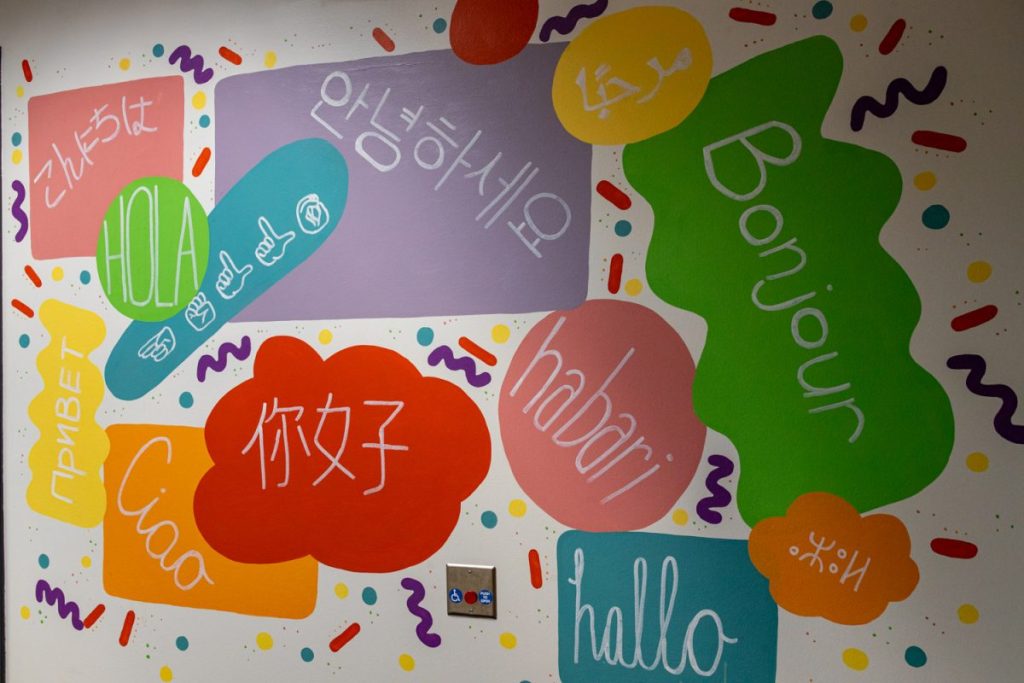
Moreover, art has the power to challenge stereotypes and preconceived notions. Through visual storytelling, artists can humanize difficult subjects, breaking down barriers of misunderstanding. A striking example is the work of contemporary Afrofuturist artists, who use their craft to revisit history and reimagine futures. This exploration not only celebrates African heritage but also engages audiences in critical conversations about race and identity, compelling them to reconsider their perspectives on cultural narratives.
In the cradle of artistic collaboration, projects that unite artists from various backgrounds often yield remarkable outcomes. These partnerships provide a fertile ground for cultural exchange. Initiatives like the Global Art Project, which invites artists from around the world to collaborate on mixed-media installations, allow for the blending of styles and influences that resonate universally. Audiences can witness how distinct cultural expressions come together to create poignant pieces that reflect shared human experiences, effectively challenging cultural isolationism.
The Emotional Resonance of Music and Dance
The realms of music and dance also play vital roles in attracting individuals to cultural exploration. Consider the global phenomena of rhythm and melody; genres such as reggae from Jamaica, flamenco from Spain, or ballet from Russia all converge at intersections of storytelling and emotional expression. When audiences are exposed to these art forms, they not only enjoy the aesthetic experience but are also offered glimpses into the values, struggles, and triumphs embedded in these cultural traditions. Festivals that celebrate global music, like the Newport Folk Festival in the U.S., provide spaces where artists and audiences come together to explore and appreciate variety, fostering connections across cultural lines.
Furthermore, dance is often inherently tied to communal celebrations and rituals, making it an effective conduit for cultural exchange and understanding. Whether it is the Hula of Hawaii or the exuberant Carnival dances of Brazil, through movement people can express their cultural identities while inviting others to share in the experience. Participating in such dances enables individuals to form bonds that might otherwise remain unexplored, blurring the lines between the observer and the participant.
In conclusion, artistic exploration serves as a crucial engagement point that facilitates empathy and understanding across cultures. By examining stories expressed through various art forms, both artists and audiences are invited to reflect on their identities while recognizing the shared emotional landscapes that connect us all. This continuous dialogue nurtures a world where cultural diversity is not only respected but celebrated.
Artistic exploration serves as a vital bridge between diverse cultural narratives, enabling individuals to delve into the emotional landscapes of others. Through various forms of art—including painting, music, dance, and literature—people can experience perspectives that may be vastly different from their own, fostering a deeper sense of understanding and connection. The emotional depth inherent in artistic expression allows for the sharing of personal stories and cultural experiences, which can illuminate the shared humanity among different populations.One compelling aspect of artistic exploration is its ability to challenge stereotypes and preconceived notions. For example, documentary films and visual art installations that depict marginalized communities often confront prevailing narratives, offering audiences a more nuanced view of these cultures. Increased exposure to diverse artistic expressions can diminish biases and spark conversations around inclusivity and acceptance.Furthermore, engaging with art from various cultures invites reflections on common experiences, such as love, loss, joy, and struggle. This shared emotional experience can invoke empathy, allowing individuals to appreciate the rich tapestry of human life that transcends geographical boundaries. By actively participating in the arts—whether through creation or appreciation—individuals enhance their capacity for compassion, important for societal cohesion in our increasingly globalized world. As art continues to evolve, it serves as a powerful reminder of the interconnectedness of humanity, urging us to look beyond our differences and embrace the stories that unite us. In this exploration, the arts are not merely a form of entertainment; they become essential tools for dialogue and understanding, paving the way for a more empathetic global community. In light of this, educational institutions are increasingly integrating artistic exploration into curricula, emphasizing its role in developing emotional intelligence and fostering cross-cultural understanding among students. By cultivating environments where art is appreciated and studied, we encourage new generations to value diversity and practice empathy—a crucial step towards global harmony.
DIVE DEEPER: Click here to uncover the evolution of musical instruments
The Impact of Visual Arts in Social Justice Movements
The visual arts have consistently played a pivotal role in social justice movements, becoming a vital tool for advocating change and fostering empathy. Artists harness their skills to provide commentary on societal issues, utilizing their works to shine a light on injustices and experiences often overlooked by mainstream narratives. For instance, the murals created during the Chicano civil rights movement in the United States not only beautified urban landscapes but also served as powerful testimonies to the struggles of Mexican Americans. These murals tell stories of cultural pride and resistance, allowing viewers to engage with the complex realities of a marginalized community.
Moreover, street art, which has proliferated in cities worldwide, has become a global language of resistance and resilience. Artists such as Banksy and Shepard Fairey utilize their work to challenge the status quo and address pressing issues such as inequality, police brutality, and immigration. By engaging passersby in conversations about deeply entrenched societal problems, street art transcends language barriers, stirring conversations that can cultivate understanding across cultural divides. This artistic form invites viewers to empathize with the experiences depicted, bridging gaps between communities and fostering a greater awareness of social justice issues globally.
The Influence of Film and Literature on Cultural Awareness
Film and literature are equally influential in their ability to uncover diverse cultural experiences, enabling audiences to walk in the shoes of others. Cinematic masterpieces like Parasite, which won the Academy Award for Best Picture in 2020, illustrate the stark realities of class inequality through a gripping narrative. Such films not only entertain but also provoke insights about societal structures that perpetuate disparities. Similarly, literature from authors like Chimamanda Ngozi Adichie engages readers with multifaceted characters and narratives that reflect the complexities of human experiences shaped by cultural backgrounds. These artistic explorations challenge audiences to confront their biases and consider perspectives far removed from their own.
Literary movements such as the Harlem Renaissance in the early 20th century showcased the profound cultural contributions of African American writers and artists, providing essential insight into their struggles and triumphs. The works from this era not only enriched American literature but also helped foster an understanding of the African American experience that resonates today. Events like book festivals and literary discussions devoted to multicultural authors create opportunities for readers of all backgrounds to engage with stories that cultivate empathy and inspire solidarity.
In this milieu, educational institutions and organizations have started integrating arts education programs that promote cross-cultural understanding. Programs that involve collaborative art projects among students of different backgrounds can help dismantle barriers, encouraging participants to navigate their differences and celebrate shared human experiences. Innovative initiatives, such as international art exchanges, also contribute to this dialogue by allowing artists to immerse themselves in diverse environments, thereby enriching their work and fostering connections across cultures.
DIVE DEEPER: Click here to uncover the impact of creativity on mental health
Conclusion: The Transformative Power of Artistic Exploration
As explored throughout this article, artistic exploration serves as a profound catalyst for fostering empathy and understanding across cultures. By engaging with the visual arts, film, and literature, audiences are offered windows into the diverse experiences that define various cultural narratives. The ability of art to communicate complex emotions and societal issues not only enriches our understanding but also amplifies voices that are often marginalized or silenced. The murals of the Chicano civil rights movement and the poignant storytelling found in films like Parasite exemplify how artistic endeavors can illuminate injustices and provoke critical dialogue.
Moreover, the integration of arts education programs within schools and community initiatives emphasizes the importance of collaboration among diverse groups. These programs not only encourage creative expression but also cultivate an environment where mutual respect and understanding can flourish. By participating in international art exchanges and community art projects, individuals can transcend barriers of language and culture, fostering connections that enrich both personal and collective experiences.
In conclusion, the role of artistic exploration is pivotal in promoting a more empathetic world. It encourages us to look beyond our immediate experiences, recognize our common humanity, and appreciate the rich tapestry of cultures that coexist within our societies. As we embrace the transformative power of art, we empower ourselves to build bridges of understanding, paving the way for a more inclusive and compassionate global community.