Artistic Exploration in the Digital Age: How Technology is Transforming Creative Practices
Exploring the Intersection of Art and Technology
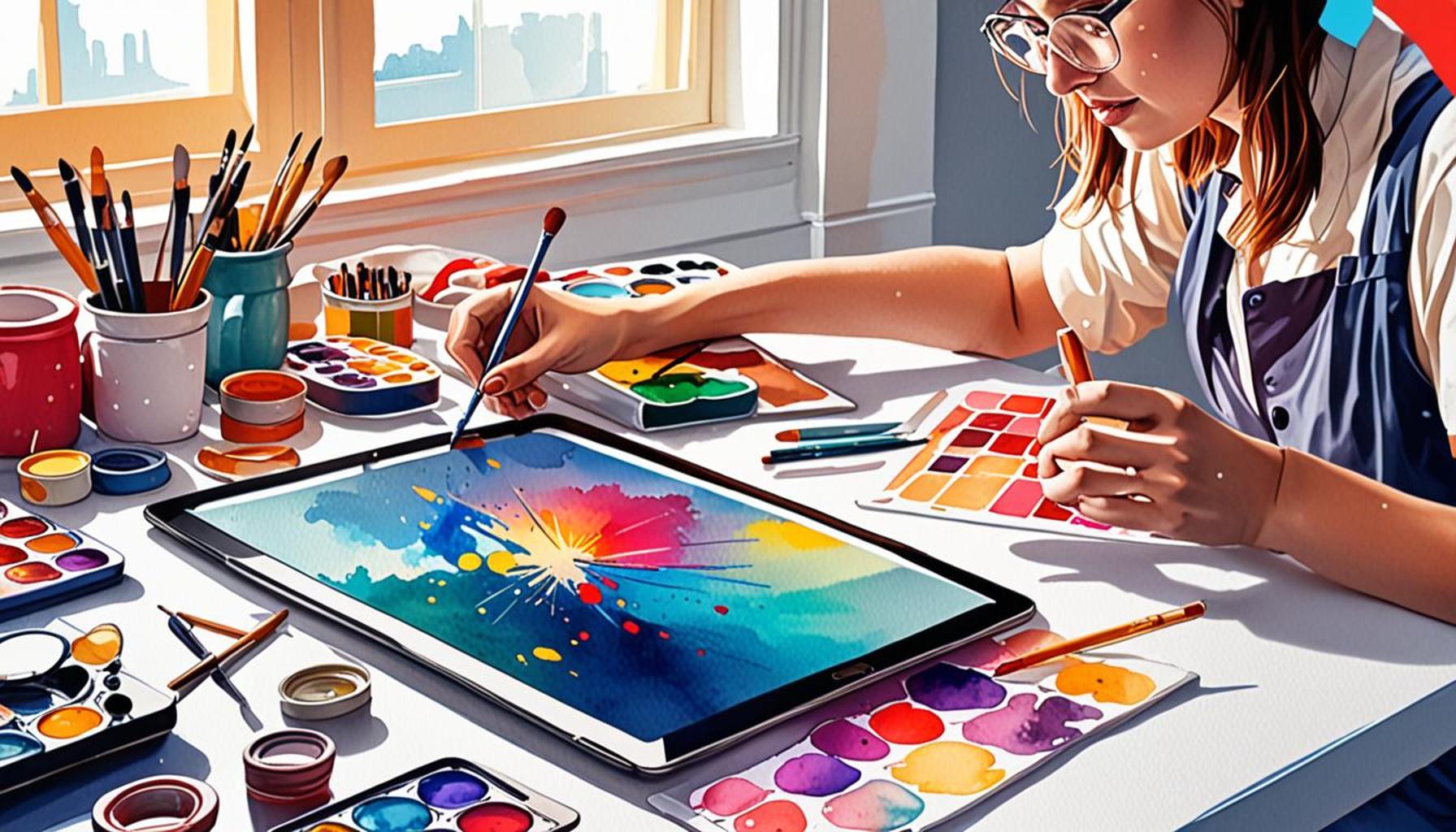
In today’s fast-paced world, the intersection of art and technology is more vibrant than ever. The advent of digital tools has revolutionized how artists conceptualize, create, and share their work. With the rapid advancements in technology, we are witnessing an artistic evolution that merges creativity with innovation. This transformation is not only redefining traditional art forms but is also fostering a more inclusive community of artists.
New Mediums
Digital painting, 3D modeling, and interactive installations are reshaping traditional artistic boundaries. For instance, platforms like Procreate and Adobe Fresco have made digital painting more accessible, allowing artists from various backgrounds to experiment with their techniques without the need for expensive supplies. Additionally, 3D modeling software such as Blender and ZBrush enables artists to create detailed sculptures in virtual space, pushing the limits of imagination.
Interactive installations, which blend the physical and digital worlds, create engaging experiences for audiences. An exemplary case would be teamLab Borderless in Tokyo, where artworks respond to the presence of visitors, making every viewing experience unique. Such works not only tantalize the visual senses but also invite viewers to interact and engage, forging a collaborative relationship between art and audience.
Accessible Platforms
Social media and digital galleries allow artists to reach global audiences instantly. Platforms like Instagram and Pinterest serve not just as portfolios but also as vast ecosystems where emerging artists can showcase their work, gather feedback, and even sell pieces directly to consumers. This democratization of access means that someone in a small town in the Midwest can gain followers from around the world, gaining exposure that would have been unimaginable a few decades ago.
Innovative Techniques
Technologies such as augmented reality (AR) and virtual reality (VR) are opening fresh avenues for immersive experiences. Projects like the AR art experience offered by apps such as Artivive allow users to see artworks come to life through their smartphones or tablets, adding layers of meaning to traditional artworks. Similarly, VR exhibitions create virtual spaces where users can walk through and interact with art as if they were physically present, providing a completely new way to experience creativity.
Democratization of Artistic Expression
This technological shift not only enhances creativity but also democratizes artistic expression. Artists from diverse backgrounds can now access powerful tools and resources that were once exclusive to a select few. Software and apps are often available at reduced costs or even free, enabling even hobbyists to bring their visions to life.
Furthermore, collaboration among artists is now a global phenomenon. Creatives can work together across continents in real-time, merging unique perspectives and styles that enrich the final artwork. Virtual collaborative tools like Google Jamboard and Miro facilitate brainstorming sessions, allowing artists to share ideas and drafts seamlessly.
The availability of online tutorials and communities also supports skill development for all levels. Websites like Skillshare and YouTube host countless resources that offer everything from beginner techniques to advanced artistry, bridging the gap between aspiring artists and experienced professionals.
As we delve deeper into the digital age, understanding how technology is transforming creative practices is imperative. The confluence of art and technology presents exciting possibilities, making it essential for both artists and enthusiasts to stay informed and engaged. Join us as we explore the myriad ways in which these advancements are shaping the future of art.
DISCOVER MORE: Click here to dive deeper
Embracing New Forms of Creativity
As technology continues to evolve, the face of artistic practice is undergoing a dramatic transformation. Artists today are increasingly embracing digital forms that not only enhance their creative expression but also redefine the art medium itself. The shift from traditional painting to digital canvases reflects a broader cultural embrace of innovation, making way for new narratives and storytelling techniques.
Immersive Art Experiences
The rise of immersive art experiences has taken the art world by storm. Exhibitions that create enveloping environments, combining sound, light, and vibrant visuals, foster deeper connections between the audience and the artwork. For instance, the acclaimed Van Gogh Exhibit has traveled across the United States, mesmerizing viewers with its incorporation of technology to project the iconic artist’s masterpieces onto large screens, set within a multi-sensory environment. Such experiences invite participants to engage in storytelling in a way that traditional galleries cannot, reshaping how art is experienced and understood.
Digital Collaboration
Collaboration in the art world is witnessing a seismic shift thanks to digital tools. Artists have the opportunity to connect and work with others in real-time, regardless of geographic boundaries. Many voices can contribute to a single project, enriching it with diverse perspectives. This collaboration can take various forms, such as:
- Virtual Workshops: Artists host or attend online sessions that allow for skill-sharing and networking.
- Joint Projects: Platforms like Behance enable artists to post collaborative projects, showcasing the combined talents of multiple creators.
- Interactive Art Adventures: Websites that allow users to collaboratively create art while interacting in digital spaces.
This collaborative spirit fosters an environment where innovation thrives and creativity knows no limits, encouraging experimentation and bold artistic choices. In a fast-paced digital ecosystem, artists can initiate conversations, share visions, and ultimately co-create in ways that were previously unimaginable.
Art as a Social Commentary
With the power of technology, artists are using their platforms to address social justice issues and provoke thought. Digital art’s accessibility allows for rapid dissemination of messages, making it easier to raise awareness about current events. From political commentary to climate change advocacy, artists have leveraged technology to amplify their voices.
Online campaigns, interactive installations, and multimedia projects bring crucial conversations to a wider audience, creating a ripple effect that can ignite movements. Artists such as Shepard Fairey and Banksy utilize digital means to connect their art with social themes, engaging viewers and inspiring action through compelling visuals and narratives.
As we delve deeper into this technological transformation in the arts, it becomes clear that the boundaries between artist, artwork, and audience are blurring. The possibilities for creative exploration are as limitless as the imagination itself, revealing a vibrant and dynamic future for artistic expression in the digital age.
The intersection of technology and creativity has led to a significant evolution in the way artists express themselves and connect with their audiences. One of the most striking advancements is the rise of digital tools that democratize artistic creation. Whether through graphic design software or social media platforms, artists can now showcase their work to a global audience, bypassing traditional gatekeepers of the art world. Virtual reality (VR) and augmented reality (AR) are also shaping new avenues for immersive experiences, allowing viewers to engage with artworks in ways that were unimaginable a few decades ago.
Moreover, technology has altered the fundamental nature of collaboration in artistic practices. Online platforms foster creative partnerships between artists from various disciplines and geographical locations, leading to innovative projects that blend genres and cultural influences. This transformation creates a vibrant ecosystem where the sharing of ideas becomes the norm rather than the exception.
In addition, data analytics plays a pivotal role in how artists and designers make decisions regarding their works. By understanding audience preferences and trends, creators can tailor their projects to meet the demands of both the market and their personal artistic vision. This fusion of art and technology is not only exhilarating but also opens up fresh dialogues about the essence of creativity in our digital age.
| Category 1 | Category 2 |
|---|---|
| Digital Tools | Access to art creation software and applications that empower artists to easily create and share their works. |
| Global Connectivity | Collaboration opportunities between artists worldwide, enhancing creativity and innovation through diverse perspectives. |
As we delve deeper into this artistic exploration, it’s essential to recognize the profound impact technology is having not only on how we create art but also on the way we experience it. The lines between artist and audience continue to blur, fostering communal creativity that defines the digital age.
DISCOVER MORE: Click here to uncover the emotional benefits of crafting
The Impact of Social Media on Art Dissemination
Social media platforms have revolutionized the way art is shared and appreciated, creating an expansive and immediate connection between creators and audiences. Artists can now showcase their work on platforms like Instagram, TikTok, and Pinterest, reaching millions of viewers without the need for traditional gallery spaces. This digital visibility not only allows artists to build their personal brands but also fosters a community of supporters and fellow creators. The democratization of art through social media has enabled talents from diverse backgrounds and disciplines to receive recognition.
Viral Art and Memes
One of the most intriguing phenomena in the digital age is the emergence of viral art and memes that elevate cultural commentary through humor and creativity. Platforms such as Instagram and Twitter have birthed a new wave of artists who capitalize on trending topics, leveraging their creativity to respond swiftly to current events. These digital expressions often blend visual art with humorous text, making complex subjects accessible and relatable.
For example, artists like Yayoi Kusama have seen their iconic patterns and designs go viral, thanks to their popularity and shareability online. By intertwining their art with dimensions of pop culture and social issues, these creators harness the power of viral content to engage audiences in dialogue, drawing attention to critical questions about art and society.
Augmented and Virtual Reality in Art
The integration of augmented reality (AR) and virtual reality (VR) has offered artists tools to create interactive experiences that transcend traditional viewing methods. These technologies allow for immersive storytelling that can be experienced on a personal level—turning passive observers into active participants. New apps and platforms like Artivive allow artists to layer digital content over their physical artwork, creating a blend of reality and fantasy that captivates audiences.
For instance, the Wander immersive art experience utilizes VR technology to transport viewers to recreated historical environments, inviting them to walk through and interact with the architecture and artwork from the past. This shifts the paradigm from static engagement to an active exploration of art in a unique, layered context. As technology continues to advance, the artistic merger of digital and physical realms presents unprecedented opportunities for innovation.
The Role of Blockchain in Art Authenticity and Ownership
Another groundbreaking development within the digital art landscape is the rise of blockchain technology, which has significant implications for authenticity and ownership in the art world. Non-fungible tokens (NFTs) have gained traction among artists as a means to establish provenance and protect their work against replication and forgery. This ensures that artists receive fair compensation for their digital creations, as NFT technology facilitates direct transactions between creators and collectors without the need for intermediaries.
High-profile sales of digital artwork—such as Beeple’s record-breaking $69 million NFT piece—have captured global attention and encouraged artists to explore the viability of digital ownership. As the discourse surrounding NFTs continues to evolve, the questions of copyright, ethics, and environmental impact of blockchain technology are prevalent, shaping the future discourse on art ownership in a digital landscape.
In this era of artistic exploration, the metaverse, NFTs, and immersive experiences are just the beginning. Artists are equipped with tools and technologies that allow them to push boundaries, invite engagement, and forge new frontiers of artistic expression, revealing a fascinating tapestry of creativity that celebrates the digital age.
DISCOVER MORE: Click here for new artistic techniques
Conclusion: Embracing the Future of Art in a Digital Landscape
The digital age has irrevocably transformed the landscape of artistic exploration, offering an abundance of opportunities for innovation and creativity. Through the fusion of social media, augmented reality, and blockchain technology, artists are redefining their practices and transforming how they engage with audiences. The ability to share their work instantly on various platforms has democratized art, allowing creators from all walks of life to gain recognition and connect with a global audience.
Moreover, the rise of viral art and memes illustrates the potential of humor and social commentary to engage viewers in meaningful dialogue. By leveraging trending topics, artists can create work that resonates with contemporary issues, making the art world more relevant and accessible. Furthermore, technologies such as AR and VR are not just augmenting the viewing experience; they are revolutionizing the way art is created, shifting from passive observation to interactive and immersive experiences.
As the discussion around NFTs and blockchain continues to unfold, these innovations challenge traditional notions of ownership and authenticity, compelling artists and collectors to navigate new ethical and legal landscapes. This ongoing dialogue about the implications of technological advancement ensures that the intersection of art and technology will remain a dynamic area of exploration.
As we look to the future, it is clear that technology will play a crucial role in shaping artistic practices. Embracing this evolution is essential—not just for artists seeking to thrive in this new era, but for audiences eager to engage with the ever-expanding universe of creativity. By supporting and understanding these transformations, we can appreciate the rich tapestry of artistic expression that the digital age has to offer.