The evolution of visual design in the digital age: trends and innovations
The Evolution of Visual Design
The landscape of visual design has undergone a remarkable transformation since the advent of the digital era. From static graphics to immersive experiences, designers are continuously adapting to new technologies and consumer expectations. This dynamic evolution reflects not only technological advancements but also changes in how audiences interact with content in a digital-first world.
Key trends influencing this evolution include:
- Responsive Design: Ensuring designs are compatible across various devices has become paramount. With an increasing number of users accessing content via smartphones and tablets, designers must prioritize fluid layouts that adjust seamlessly to different screen sizes. For instance, a website’s menu must adapt from a standard dropdown on desktops to a hamburger menu on mobile devices, ensuring both usability and aesthetic harmony.
- Minimalism: The minimalist design trend has emerged as a response to overwhelming digital clutter. This approach emphasizes simplicity and usability, often utilizing whitespace effectively to create an open and inviting layout. Famous brands like Apple have pioneered this trend, using clean lines and essential graphics to draw focus to their products, making it easy for consumers to navigate their platforms.
- Motion Graphics: By incorporating movement into design, creators can bring static visuals to life, significantly enhancing user engagement. Platforms like Instagram and YouTube leverage motion graphics to capture attention and retain viewer interest. For example, animated logos or subtle transitions can make a mundane web experience feel vibrant and dynamic.
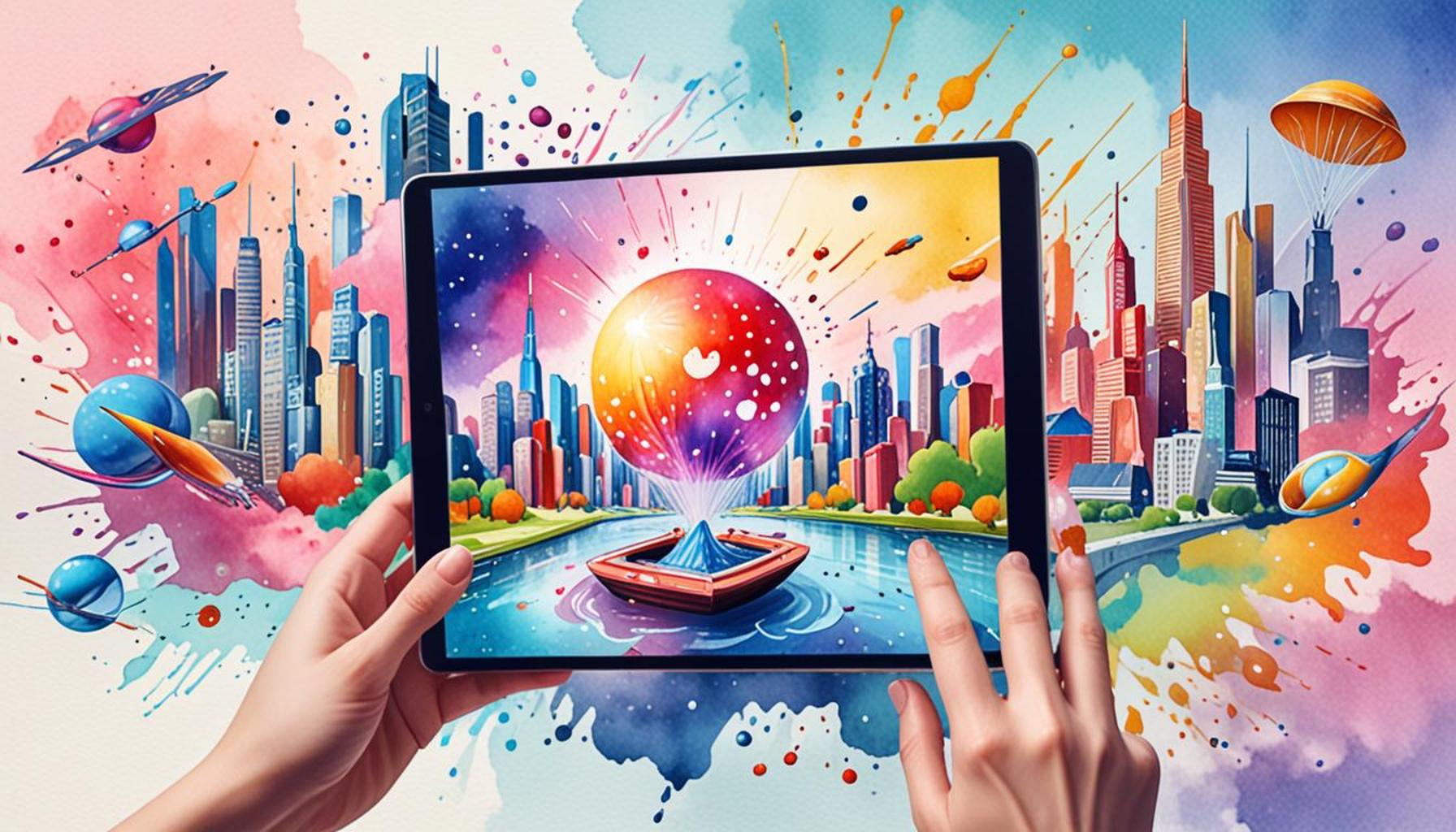
Moreover, innovations such as augmented reality (AR) and virtual reality (VR) are reshaping how designers approach interface and user experience. These technologies push creative boundaries, allowing audiences to interact with designs in ways previously unimaginable. Retail brands like IKEA have effectively used AR, enabling customers to visualize furniture in their homes before making a purchase, significantly leveling up the online shopping experience.
The rise of social media platforms has also changed the playing field, emphasizing the need for visual storytelling. In a world where attention spans are dwindling, brands must captivate users quickly with visually stunning graphics and compelling video content that conveys messages instantly. The effective use of infographics and short animations can communicate complex information in a digestible format, making it easier for users to share and engage with the content.
As we delve deeper into the evolution of visual design, it becomes evident that it is a dynamic field influenced by technological advancements, user behavior, and creative ingenuity. Understanding these factors is crucial for anyone looking to master the art of digital visuals. For aspiring designers, keeping abreast of trends and innovations in this ever-changing landscape will be vital to stay relevant and impactful.
DIVE DEEPER: Click here to discover more
Trends Shaping Digital Visual Design
The journey of visual design in the digital landscape is a testament to creativity meeting technological advancement. As designers navigate this vibrant terrain, key trends emerge, showcasing how innovation can enhance both aesthetics and functionality. Businesses and brands are harnessing these trends not only to stand out but also to create memorable experiences for users. Let’s delve into the prominent features defining modern visual design.
- Color Psychology: The strategic use of color has evolved dramatically in visual design. Designers not only consider aesthetic appeal but also how colors invoke emotional responses. Various brands have begun to incorporate color palettes that align with their identity while tapping into psychological research. For instance, blue hues often convey trust, making them a popular choice among financial institutions, while vibrant reds and oranges might invoke excitement and energy, ideal for brands in the entertainment sector.
- Micro-Interactions: These subtle animations can create a meaningful connection between users and digital products. Micro-interactions serve functional purposes, such as confirming an action or guiding users through a process, all while providing delightful engagement. Examples include a digital button that changes color when hovered over or an animated notification that captures attention without overwhelming the user experience.
- 3D Design: The rise of 3D visuals is transforming the way designers approach their craft. With the advancement of technologies like WebGL, designers can create immersive environments and products that feel tactile and real. This trend is evident in e-commerce platforms that provide 360-degree views of products, allowing customers to engage with items interactively. Companies like Nike are leveraging 3D design to create realistic simulations of their products, enhancing the online shopping experience.
As technology progresses, the integration of advanced artificial intelligence (AI) tools is continuously reshaping the design process. AI-driven design software can now analyze user behavior and preferences to offer tailored design suggestions, streamlining the creative process for designers. Brands like Canva and Adobe Spark are leveraging AI algorithms to empower users to create professional-grade designs with ease, thus democratizing visual design and making it accessible for non-designers.
Furthermore, sustainability is becoming an increasingly crucial consideration within visual design. As awareness grows around environmental issues, designers are challenged to find eco-friendly alternatives in digital practices. This trend not only involves using sustainable materials for physical products but also extends to creating digital solutions that minimize energy consumption, such as optimizing images for faster loading times and reducing server impacts.
In summary, as we witness the evolution of visual design in the digital age, it becomes clear that trends are influenced by user engagement, technological advancements, and increased awareness of global issues. Staying attuned to these trends is vital for designers aspiring to make an impact in an ever-evolving digital landscape.
| Trend/Innovation | Impact on Design |
|---|---|
| Minimalism | Shifts focus to essential elements, enhancing user experience. |
| Responsive Design | Ensures optimal viewing on all devices, improving accessibility. |
| Augmented Reality (AR) | Integrates the digital and physical worlds, creating immersive experiences. |
| Dark Mode | Enhances visual comfort and reduces eye strain for users. |
| Micro-Interactions | Provides feedback to users, improving engagement and user satisfaction. |
The digital age has ushered in numerous trends and innovations that continually reshape visual design. The proliferation of minimalism emphasizes stripping away unnecessary elements, leading to designs that are not only visually appealing but also intuitive for users. Central to this evolution is responsive design, allowing content to adapt seamlessly across devices—be it a smartphone, tablet, or desktop—guaranteeing improved user accessibility.Innovations like augmented reality (AR) are setting new standards, merging the physical and digital realms for breathtaking experiences. This technological leap empowers designers to create contextually rich environments that engage users in previously unimaginable ways. Another shift gaining momentum is the adoption of dark mode in applications and websites. This design choice, favored for its eye-comforting attributes, aligns with user preferences toward a more relaxed visual interface.Additionally, micro-interactions play a pivotal role in enhancing user experiences. These subtle design elements provide immediate feedback—like notifications or visual cues—enriching interaction and engagement. Together, these trends and innovations illustrate the ongoing transformation in visual design, reflecting the needs and preferences of users in an ever-evolving digital landscape.
DISCOVER MORE: Click here to dive deeper into musical creativity
Innovations Driving Future Design Paradigms
As we further explore the evolution of visual design, it becomes evident that innovation is not merely about aesthetics; it’s about enhancing user experience through cutting-edge technologies. The confluence of art and science has birthed transformative design elements that challenge traditional norms and set the stage for future advancements.
- Augmented Reality (AR) and Virtual Reality (VR): The integration of AR and VR into visual design is revolutionizing how users interact with digital content. Brands are using AR to create interactive experiences that allow consumers to visualize products in their own spaces before making a purchase. For example, furniture retailers like IKEA have adopted AR apps that enable customers to see how a couch would look in their living rooms. On the other hand, VR is opening up immersive storytelling avenues, allowing users to engage in three-dimensional environments that enhance empathy and connection with brand narratives.
- Responsive and Adaptive Design: The explosion of the mobile device market has made responsive design a necessity. Users expect seamless experiences across all platforms and devices. This has prompted designers to create fluid layouts that can adapt and reorganize based on screen size, ensuring that visual content remains appealing and accessible. As mobile usage surpasses desktop, prioritizing a mobile-first design approach is increasingly becoming the industry standard.
- Inclusive Design: Inclusivity in design has gained traction, with a focus on creating digital experiences that cater to diverse audiences, including those with disabilities. This trend incorporates elements such as keyboard navigation, screen reader compatibility, and visual contrast to enhance accessibility. Companies like Microsoft are leading the way by integrating inclusive design principles in their software development processes, demonstrating that accessibility is not just a feature but a fundamental aspect of user experience.
Moreover, the utilization of data visualization has taken center stage in the realm of digital design. As organizations collect vast amounts of data, translating these figures into comprehensible visuals becomes essential. Effective data visualization allows users to grasp complex information quickly and intuitively. Infographics, interactive charts, and dashboards are becoming vital tools in communicating narratives that could otherwise remain obscure, with platforms like Tableau leading innovations in this sector.
The rise of minimalist design is another significant movement reshaping the visual landscape. In a world overflowing with information, users are gravitating toward clean, uncluttered interfaces that prioritize critical content. This “less is more” approach reduces distraction and enhances user comprehension. Companies like Apple and Google exemplify minimalism by using simple lines, ample whitespace, and essential elements that emphasize functionality without compromising style.
Moreover, the rise of voice-activated technology and user interfaces is fundamentally altering the design landscape. Designers must now consider how visual elements interplay with auditory commands, leading to a shift toward more intuitive and conversational interfaces. This change challenges traditional design frameworks and encourages a more holistic approach to interacting with digital environments.
These innovations collectively highlight a critical shift in visual design—the need to prioritize user experience in every facet. As designers strive to shape the future, embracing these emerging trends will not only bolster creativity but will also foster stronger connections between brands and consumers in a rapidly evolving digital world.
DISCOVER MORE: Click here to dive deeper
Conclusion: Embracing the Future of Visual Design
In summary, the evolution of visual design in the digital age has been profoundly shaped by a blend of emerging trends and innovative technologies. From the groundbreaking applications of Augmented Reality (AR) and Virtual Reality (VR) to create engaging user experiences, to the essential need for responsive and adaptive design in a mobile-driven landscape, the landscape is ever-changing. Furthermore, principles of inclusive design demonstrate a growing awareness of diverse user needs, while data visualization and minimalist design showcase how clarity and comprehension have become critical in communication.
As we navigate through this digital revolution, the focus on user experience is paramount. Every design decision carries implications for accessibility, engagement, and functionality, urging designers to adopt a holistic approach that integrates visual aesthetics with practical usability. Technologies like voice-activated interfaces encourage an ongoing dialogue between users and digital environments, inviting innovative methodologies that challenge conventional design patterns.
Ultimately, the future of visual design promises exciting possibilities. It calls for a commitment to creativity and adaptability as designers seek to refine their craft and engage diverse audiences across myriad platforms. As we look ahead, the integration of these innovative trends will not only redefine how brands communicate but will also enhance the way consumers interact with the world around them. For those invested in the field, the journey is just beginning—an opportunity to explore, innovate, and leave an indelible mark on the digital age.