The influence of social media on visual design: how platforms shape contemporary aesthetics
The Impact of Social Media on Visual Design
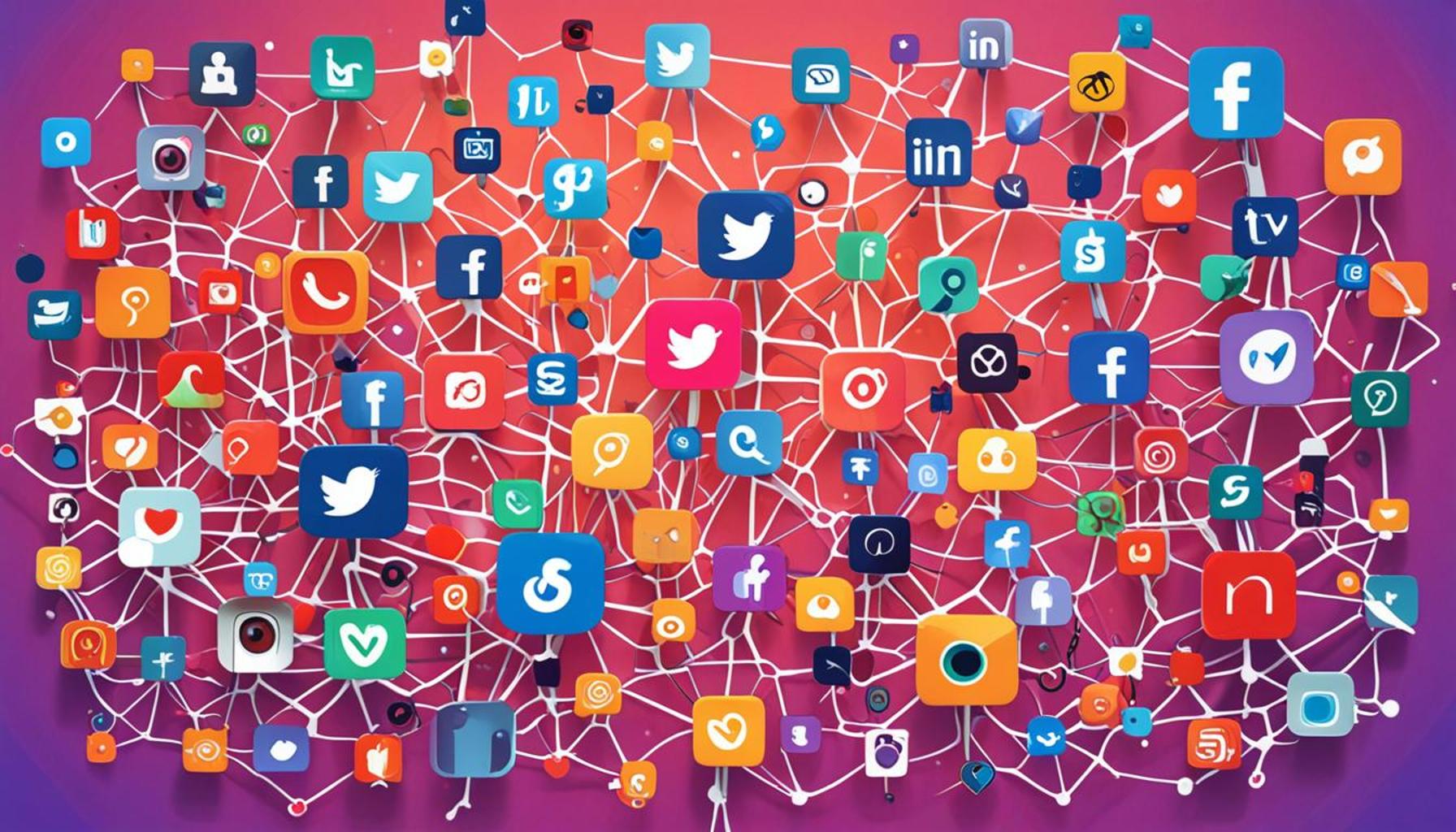
The landscape of visual design has been significantly altered by the rise of social media, a phenomenon that has captivated audiences from all walks of life. As platforms like Instagram, Pinterest, and TikTok become embedded in daily routines, the way we perceive and create aesthetics has shifted dramatically. Users are now influenced not only by brands but also by their peers, leading to an unprecedented democratization in design.
One of the most apparent ways social media affects aesthetics is through trends and virality. Design trends can now emerge and spread nationally, if not globally, within days. For example, the minimalist trend, characterized by its clean lines and muted color palettes, gained traction through platforms like Instagram, where influencers showcase curated spaces. On the other hand, styles like bold typography with vibrant colors have also found a unique voice, exemplified by the rapid proliferation of meme culture. These design practices are just a few clicks away from becoming the next viral sensation, pushing designers to constantly innovate to stay relevant.
Additionally, user-generated content plays a pivotal role in shaping visual aesthetics today. Platforms allow amateurs to share their work, which fosters a rich tapestry of creative ideas. Users are no longer just passive consumers; they contribute to a collective visual language. A noteworthy example can be found in the various DIY design hacks that circulate on social media, such as home decor transformations using easily accessible materials. This blending of professional and casual design blurs the lines of traditional aesthetics, making design more inclusive and approachable.
Moreover, the emphasis on visual storytelling cannot be overstated. Businesses and individuals alike are recognizing the power of imagery—using compelling visuals to convey narratives rather than relying solely on text. This shift encourages creators to focus on elements like color schemes, composition, and emotional resonance. With platforms favoring visually engaging content in their algorithms, designers must consider how their work translates into the digital realm to capture public attention effectively.
As a result, this cycle has prompted designers to tailor their creations to align with the ever-changing preferences dictated by social media. This adaptability influences the broader visual aesthetics we see today, often prioritizing striking and shareable designs over traditional artistic values. Consequently, social media does not just mirror society’s aesthetic values; it actively shapes and reshapes them, creating a dynamic interplay between viewer engagement and creative expression.

This article goes beyond the surface to explore the complex ties between social media and visual design. By delving into the emergent trends and user interactions within this space, we hope to uncover how these platforms have redefined creativity and inform the aesthetic standards of our generation.
DISCOVER MORE: Click here to start your creative journey
Trends, Virality, and the Evolution of Aesthetics
Social media platforms have emerged as the breeding grounds for new design trends and creative movements. Unlike traditional media, where trends could take months or even years to gain traction, social media accelerates the process exponentially. Design styles can evolve rapidly, influenced by the whims and preferences of the digital populace. For instance, the rise of the flat design aesthetic, making waves primarily on platforms like Instagram and Dribbble, underscores this trend. Characterized by simplicity, sleekness, and a lack of three-dimensional effects, flat design finds favor among users who appreciate both functionality and beauty. Designers are urged to adapt to these changes quickly, ensuring that their creations remain relevant in the fast-paced digital arena.
Moreover, the virality of certain designs often dictates not just their reach but also their design principles. Elements that evoke strong emotional responses or capture attention quickly are prioritized, leading to a more visually rich experience overall. Audiences are now looking for content that is both captivating and shareable, leading to an increased emphasis on originality. It is not uncommon to see trends spread like wildfire through the use of hashtags and challenges, further exemplifying just how interconnected the sphere of visual design has become. Viral challenges, whether it’s through inventive use of color or innovative graphic layouts, compel designers to think outside the box and push creative boundaries.
The shift from professional to user-generated content catalyzes a significant influence on contemporary aesthetics. While established designers still hold weight in the industry, the rise of influencers and amateur creators has democratized the design landscape. This broadening of participation leads to a diverse range of ideas and interpretations that enrich the visual language of today. Here are a few ways in which user-generated content shapes design:
- Authenticity: Visuals created by real people often resonate more deeply than polished commercial art, prompting brands to adopt a more relatable image.
- Inclusiveness: Diverse voices bring various cultural influences into the mainstream, leading to unique aesthetics that might otherwise remain underrepresented.
- Innovation: Amateurs often experiment with unconventional designs, contributing to a culture of innovation that challenges traditional craftsmanship.
In addition, a critical aspect of this contemporary landscape is the art of visual storytelling. Designers and creators are keenly aware that captivating imagery can evoke emotion and convey messages far beyond words. This form of communication resonates strongly on social media, where users scroll rapidly and engage with visuals before text. Consequently, designers must pay attention not only to aesthetics but also to how their work narrates a story. This demand has prompted a re-evaluation of techniques and principles that prioritize visual clarity and emotional depth.
As social media continues to expand its influence, the dialogue between visual design and audience interaction becomes increasingly complex. By adapting to the rapid shifts in trends and prioritizing user engagement, designers are not merely influenced by social media; they are actively reshaping the contours of contemporary aesthetics to reflect an ever-evolving cultural landscape.
The Dynamics of Visual Aesthetics in Social Media
The rapid evolution of social media platforms has significantly influenced visual design trends in contemporary aesthetics. Instagram, Pinterest, and TikTok are not just channels for communication, but they are also pivotal in shaping how visual content is created, consumed, and perceived. The aesthetic appeal of a post often dictates its popularity, leading designers to tailor their creations to fit platform-specific styles that resonate with audiences.
Color palettes have become a crucial component in the visual language of social media. Platforms such as Instagram favor vibrant and energetic hues that capture immediate attention, aligning with the dopamine-driven scrolling behavior of users. This phenomenon encourages designers to experiment with bold contrasts and cohesive color schemes that support a visually striking feed.
Moreover, the rise of user-generated content has introduced a more authentic and relatable element to visual design. Consumers now expect brands to reflect real-life scenarios in their imagery rather than relying on polished, staged photography. This shift is partly due to platforms like TikTok, which promotes raw and uncurated content, leading to a demand for designs that feel accessible and genuine.
This evolving relationship between design aesthetics and social media necessitates that designers remain agile and adaptable. As trends emerge and fade, the ability to tap into the current visual vernacular and the collective mood can significantly impact a brand’s resonance with its audience. Staying attuned to these changes allows designers not only to influence aesthetic trends but to be influenced by them in return, creating a dynamic interplay that continually reshapes the landscape of visual design.
| Category | Benefits |
|---|---|
| Visual Storytelling | Engages audiences by creating narratives through imagery, enhancing emotional connection. |
| Trend Adaptability | Allows designers to pivot quickly to emerging aesthetic trends, ensuring relevance in a fast-paced digital landscape. |
As brands and creators navigate the intricacies of visual design influenced by social media, the significance of understanding these aesthetic shifts becomes vital for effective communication in a visually driven world.
DISCOVER MORE: Click here to dive into outdoor painting techniques
The Role of Algorithms and Aesthetic Homogenization
Beyond user engagement and validation, another pivotal factor is the impact of algorithms in curating visual content on social media platforms. Algorithms determine what users see in their feeds, reaching millions based solely on engagement metrics such as likes, shares, and comments. This filtration process is significant because it tends to favor designs that align with prevailing trends, creating a feedback loop that often limits diversity in aesthetics. For instance, if a specific graphic style—perhaps vibrant gradients or playful illustrations—receives substantial engagement, algorithms are more likely to promote similar content, perpetuating that aesthetic style within the digital arena.
Furthermore, algorithm-driven visibility can lead to a phenomenon known as aesthetic homogenization, where diverse artistic expressions get overshadowed by a few dominant styles. For instance, a popular platform like TikTok has seen widespread adoption of specific visual styles and effects that, while initially innovative, can quickly become generic. The ‘Instagram aesthetic’ has similarly resulted in a set of expectations for photographers and designers, characterized by bright, pastel colors, consistent filters, and an emphasis on minimalism.
To counteract this trend, creatives are turning to platforms that celebrate individuality and niche interests, such as Pinterest or Behance. Here, designers can showcase their work based on personal style rather than commercially viable trends dictated by algorithms. These platforms act as refuges for avant-garde creatives seeking to push boundaries beyond what mainstream social media might endorse. This emergence of niche platforms highlights the ongoing struggle for artistic authenticity in an overly curated visual landscape.
Moreover, the visual language employed on social media transcends mere aesthetics—it intertwines with cultural movements and political narratives. The role of social media in social justice movements has illustrated how visual design can propel messages that resonate with specific causes. The black squares of Blackout Tuesday during the Black Lives Matter movement and the vivid imagery used in climate change campaigns on platforms like Instagram and Twitter emphasize design’s ability to mobilize audiences and spark conversations in today’s digital environment.
As brands latch onto these potent visual symbols, they showcase their alignment with relevant social issues while adopting the aesthetics of grassroots movements. This practice highlights a dual-edged sword: it raises awareness but also risks commodifying the very messages they claim to champion. Brands must navigate this complex terrain carefully to maintain credibility without appearing opportunistic.
Furthermore, the cross-pollination of design ideas across different social media platforms is shaping a global aesthetic that transcends geographical boundaries. The fluidity with which design and visual elements can traverse platforms allows for an ongoing exchange of style and concept, leading to an enriched aesthetic landscape. For example, the adoption of the retro-inspired 90s and early 2000s designs—popularized by TikTok and Instagram memes—exemplifies how nostalgia can be transformed into a contemporary visual conversation.
In summary, the influence of social media on visual design not only shapes aesthetics but also affects how designers, brands, and users interact with and create cultural narratives. As trends evolve rapidly under the gaze of algorithms and user preferences, the implications for visual designers are both exciting and challenging, pushing them to continuously innovate while remaining authentic in their creative expressions.
DISCOVER MORE: Click here to dive deeper
Conclusion: Navigating the Intersection of Social Media and Visual Design
In an era where social media acts as both a gallery and a marketplace for visual design, understanding its profound influence on contemporary aesthetics has never been more essential. The algorithms driving exposure and engagement are creating a landscape characterized by aesthetic homogenization, wherein styles that resonate well with the masses overwhelmingly dominate feeds. This phenomenon challenges designers to strike a balance between embracing trending aesthetics and nurturing their unique creative identities.
As platforms continue to evolve, designers have begun to seek refuge in niche spaces like Pinterest and Behance, which celebrate individuality and foster artistic authenticity. These venues provide an opportunity to explore diverse visual narratives that stand in contrast to the cookie-cutter designs proliferating mainstream feeds. The interplay between algorithm-driven visibility and grassroots creativity is crucial as it enables a more rich and varied aesthetic conversation.
Moreover, the intersection of visual design with cultural movements reveals the power of aesthetics in shaping societal narratives, from political activism to environmental awareness. The conscious incorporation of visual elements that align with social issues not only amplifies important messages but also raises questions about the commercialization of these movements by brands. Designers must navigate this complex environment, ensuring their work is both meaningful and authentic.
Ultimately, the influence of social media on visual design serves as a driving force for creative evolution, urging designers and brands alike to continuously innovate while remaining grounded in their artistic visions. As the aesthetics cultivated within these platforms continue to shape our visual culture, the challenge remains: how can we celebrate originality in an ocean of conformity? The answer lies in recognizing and valuing the diverse expressions that contribute to a vibrant, multi-faceted aesthetic landscape.