The role of visual design in promoting emotional well-being through creative hobbies
The Profound Connection Between Visual Design and Emotional Wellness
As our daily lives become increasingly influenced by visual elements, understanding the connection between visual design and emotional well-being is essential. Activities like painting, graphic design, and crafting serve as creative outlets, enabling individuals to channel their feelings through self-expression. Engaging with these activities not only allows a release of emotions but can also lead to a profound sense of accomplishment and purpose.
Numerous studies and anecdotal evidence highlight the mental health benefits derived from creative pursuits. For instance, stress relief is one prominent advantage; the repetitive motions involved in crafting, like knitting or drawing, can induce a meditative state, which actively lowers anxiety levels. A study by the Journal of Positive Psychology found that spending just 45 minutes engaged in creative activities can significantly reduce stress and increase happiness.
Moreover, engaging in creative activities can lead to an enhanced mood. Evidence suggests that the use of bright and vibrant colors in design can stimulate the brain’s reward system, evoking feelings of joy and excitement. For example, many artists subscribe to the concept of color psychology, which posits that different colors can elicit specific emotional responses. Warm colors like red and yellow can evoke enthusiasm, while cool colors like blue and green can promote tranquility. Understanding these nuances can help individuals select colors intentionally in their creative works to optimize their emotional benefits.
The dimension of self-expression is another crucial aspect in which art and design plays an important role. Sometimes, words alone cannot adequately convey what one feels. Art provides an alternative language that can express complex emotions; for instance, the abstract expressions of artists like Jackson Pollock allow viewers and creators alike to engage with emotions that might otherwise remain unarticulated. This subtle form of communication can serve as a bridge to deeper self-understanding and mental clarity.
The influence of visual aesthetics is equally significant. Elements like color, texture, and form are not just decorations; they play a pivotal role in shaping our emotions and thoughts. A well-designed space can inspire creativity and productivity, while cluttered areas often contribute to feelings of overwhelm. Research indicates that environments with calming designs can foster environments conducive to emotional well-being. For example, many workplaces now intentionally design spaces with bright colors and calm textures to enhance employee morale and reduce burnout.
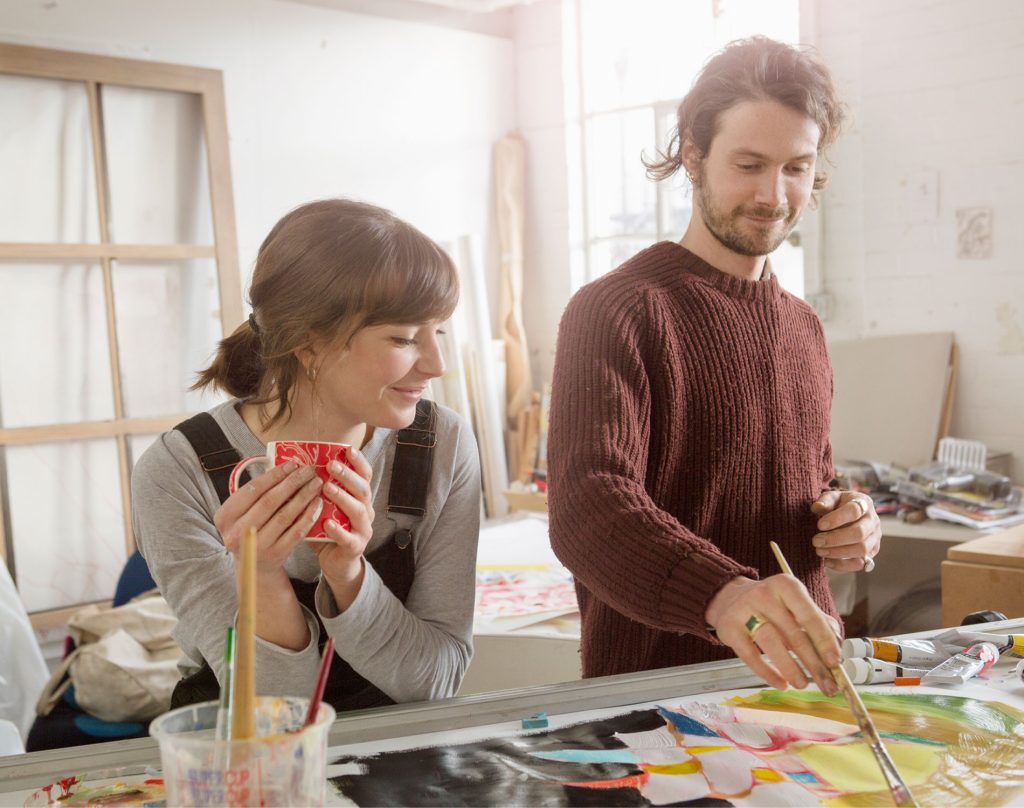
As we explore this intricate relationship between visual design and emotions, it becomes clear that enhancing our creative practices with thoughtful design can have a remarkable impact on our emotional well-being. Not only does this intersection offer chances for personal satisfaction, but it can also act as a catalyst for improving overall mental health. By understanding these interconnected aspects of art and design, we can better harness their power to foster a harmonious balance between creativity and emotional wellness.
DISCOVER MORE: Click here to uncover the emotional and mental benefits of handicrafts
The Impact of Visual Design Elements on Mental Health
The intricate interplay between visual design and emotional well-being extends far beyond aesthetic appeal. It serves as a crucial bridge connecting our internal emotional landscape to the external artistic world, influencing how we experience life. The intentional use of design principles in creative hobbies not only facilitates self-expression but also cultivates a state of mental harmony. By examining how various elements of visual design affect our emotions, we can better understand their profound impact on our emotional health.
One notable element is color theory. Colors are powerful communicators that can influence our feelings and behaviors. For example, spaces that incorporate soft blues and greens often evoke feelings of serenity and calmness, which can help in stress reduction. Conversely, fiery reds and vibrant yellows can spark enthusiasm and energy, making them ideal for invigorating creative environments. By consciously choosing color palettes that resonate with our desired emotional state, we set the stage for a more enriching creative experience. A study by the Journal of Environmental Psychology found that environments that are aesthetically pleasing significantly enhance creative problem-solving abilities. Thus, a well-thought-out color scheme can not only uplift the mood but also inspire productive creativity.
Moreover, the role of texture in visual design cannot be overlooked. Textural elements in art and design can add layers of depth and complexity, providing tactile experiences that resonate with emotional states. For instance, smooth, glossy textures may feel inviting and luxurious, while rough, uneven surfaces can convey a sense of raw honesty. Engaging with different textures while crafting—such as in pottery or tactile art—can evoke personal reflections and contribute to a deeper emotional exploration. By encompassing touch alongside sight, artists can create holistic experiences that resonate more deeply within the creator and the observer.
Additionally, the balance and composition of visual elements play a vital role in emotional well-being. A well-composed artwork fosters a sense of harmony and unity, which can lead to feelings of peace and contentment. On the other hand, chaotic compositions may evoke unease or confusion. For individuals engaging in creative hobbies, focusing on balanced compositions can direct attention away from negative thoughts and promote mindfulness. Many art therapists advocate for the use of balanced layouts in creative activities to enhance relaxation and self-awareness during the creative process.
In light of these considerations, it becomes increasingly apparent that the thoughtful integration of visual design elements can significantly enhance emotional health through creative hobbies. Here are some key aspects to remember when harnessing the power of design in your creative endeavors:
- Color Choice: Opt for colors that evoke feelings aligned with your desired mood.
- Textural Diversity: Incorporate varying textures to enrich the sensory experience.
- Compositional Harmony: Aim for balance in your artworks to foster a sense of peace.
Understanding these design aspects not only encourages innovation but also promotes emotional resilience, making creative pursuits a vital avenue for enhancing overall well-being. As we delve deeper into this multifaceted relationship, it becomes clear that visual design is more than mere embellishment; it is a fundamental aspect of promoting emotional health through creativity.
The Benefits of Visual Design in Creative Hobbies
Visual design plays a pivotal role in enhancing the emotional well-being of individuals engaged in creative hobbies. When people immerse themselves in activities such as painting, photography, or graphic design, the aesthetic elements and visual appeal can significantly influence their mood and mental health. One of the main benefits of engaging in visually driven creative hobbies is stress relief. The act of creating and manipulating visuals promotes a state of mindfulness, allowing individuals to escape from daily stresses and immerse themselves in a world of colors and shapes. This process can lead to a decrease in anxiety levels and a boost in overall feelings of happiness.In addition, the use of visual design can foster a sense of accomplishment. When hobbyists complete a project or improve their skills, the visual outcomes serve as tangible evidence of their progress, leading to a boost in self-esteem. This is particularly important for individuals who may struggle with self-image or confidence, making creative pursuits a therapeutic outlet.Moreover, community engagement through sharing visual art can establish social connections, providing a support network that enhances emotional resilience. In today’s digital era, platforms for showcasing artistic work allow individuals to receive feedback and interact with like-minded enthusiasts, further uplifting their spirits.Visual design thus plays a crucial role in enriching emotional well-being through creative hobbies by promoting mindfulness, enhancing self-esteem, and fostering community connections. The intersection of creativity and visual appeal can lead to transformative experiences that empower individuals to navigate their emotional landscapes more effectively.
| Category | Benefits |
|---|---|
| Stress Relief | Engaging in visually creative activities helps lower anxiety levels by promoting mindfulness. |
| Feeling of Accomplishment | Completing artistic projects boosts self-esteem and provides tangible evidence of progress. |
| Community Engagement | Sharing visual art fosters social connections, leading to enhanced emotional resilience. |
DISCOVER MORE: Click here to learn about accessible design tools
Engagement and Connection through Visual Design
Another essential aspect of visual design that contributes to emotional well-being is engagement. Individuals involved in creative hobbies often report heightened satisfaction and fulfillment when they fully immerse themselves in design processes. This immersion creates a mindful state, allowing individuals to express their emotions and thoughts authentically. Research published in the *Arts in Psychotherapy* journal indicates that engagement in creative activities fosters a sense of purpose, thereby enhancing overall emotional health. Whether it’s painting, sculpting, or graphic design, the connection formed between the artist and their medium can create moments of joy and self-discovery.
The element of storytelling in visual design also plays a pivotal role. Stories conveyed through art resonate on an emotional level, allowing both the creator and observer to explore shared human experiences. Illustrative techniques that evoke nostalgia or social commentary can prompt viewers to reflect on their own lives and connect with their emotions. For instance, street art has gained recognition for its ability to address societal issues while igniting conversations around mental health themes. The synergy of visuals and narratives fosters a greater sense of community and support among individuals facing similar challenges, ultimately promoting collective emotional healing.
Furthermore, the role of symbolism in design cannot be underestimated. Artistic symbols often carry deep personal meanings and can serve as powerful catalysts for self-exploration. Artists who utilize symbols in their work can uncover latent feelings, fears, or hopes through the reinterpretation of personal experiences. For many, creating or engaging with visual symbols leads to catharsis and emotional release. Art therapy techniques leverage this symbolic aspect, guiding participants to create artworks filled with personal significance that can illuminate their emotional landscapes, leading to further understanding and healing.
Moreover, accessibility to creative tools and platforms has greatly influenced how people engage with visual design. The advent of digital technology has democratized artistic expression, providing platforms such as social media or design software that facilitate easy sharing and collaboration of creative work. These tools enable individuals to connect with broader audiences, enhancing a sense of belonging and community. A survey conducted by *Adobe* found that 70% of respondents felt that sharing their creative work online positively impacted their emotional well-being. This connectivity engenders a supportive atmosphere where individuals can encourage one another, fostering resilience through shared experiences and perspectives.
Lastly, the mindful integration of visual design techniques into daily life can serve as a preventive measure against mental health struggles. Simple practices, such as maintaining a well-designed workspace, infusing elements of creativity in home decor, or engaging in design-oriented hobbies, can uplift one’s mood and encourage positive thinking patterns. Regular participation in design-related activities, such as crafting or journaling, can stimulate the creative brain, leading to an enhanced ability to navigate emotional challenges. This proactive engagement in visual design not only enhances individual creativity but also plays a crucial role in promoting a balanced emotional state.
In light of these insights, it becomes evident that visual design acts as a powerful ally in the pursuit of emotional wellness. By emphasizing engagement, storytelling, symbolism, connectivity, and daily integration, individuals can harness the full potential of visual design to enrich their emotional experiences through creative hobbies.
DIVE DEEPER: Click here to uncover more creative techniques
Conclusion: The Transformative Power of Visual Design in Emotional Well-Being
In summary, the role of visual design in promoting emotional well-being through creative hobbies is both profound and multifaceted. As we’ve explored, engaging in artistic practices fosters a unique sense of fulfillment, enhancing an individual’s emotional landscape. The process of creating, whether it be through painting, graphic design, or crafts, allows for a deeper connection to one’s inner self, facilitating self-expression and unveiling hidden emotions. The mindful engagement inherent in these activities results not only in personal joy but also in therapeutic benefits that can significantly improve overall mental health.
Moreover, the narrative dimension of visual design serves to resonate with the collective human experience. By telling stories through art, creators and observers alike find common ground and build supportive communities. This sense of belonging is critical in navigating the complexities of emotional wellness, enhancing resilience among individuals facing similar hurdles.
As we live in a digital age, the accessibility of creative tools only amplifies the impact of visual design on emotional well-being. Individuals can connect their work to broader audiences, leading to meaningful interactions that promote emotional support. The surge of online platforms enables an inclusive environment where creative expression and connection thrive, further reinforcing the psychological benefits of indulging in visual design.
In a world that increasingly values mental health, integrating visual design into daily life emerges as a practical strategy. Simple yet effective practices can uplift mood and encourage creativity, suggesting that everyone can benefit from exploring their artistic side. By embracing visual design as a means of enhancing emotional well-being, we not only nurture our creativity but also cultivate a more resilient and connected community.
Ultimately, the transformative power of visual design underscores the essential connection between art and healing, encouraging further exploration of how our creativity can lead to a brighter emotional future.