
Exploring Visual Design in Gardening Hobbies: The Intersection of Nature and Creativity
Unveiling the Beauty of Gardening
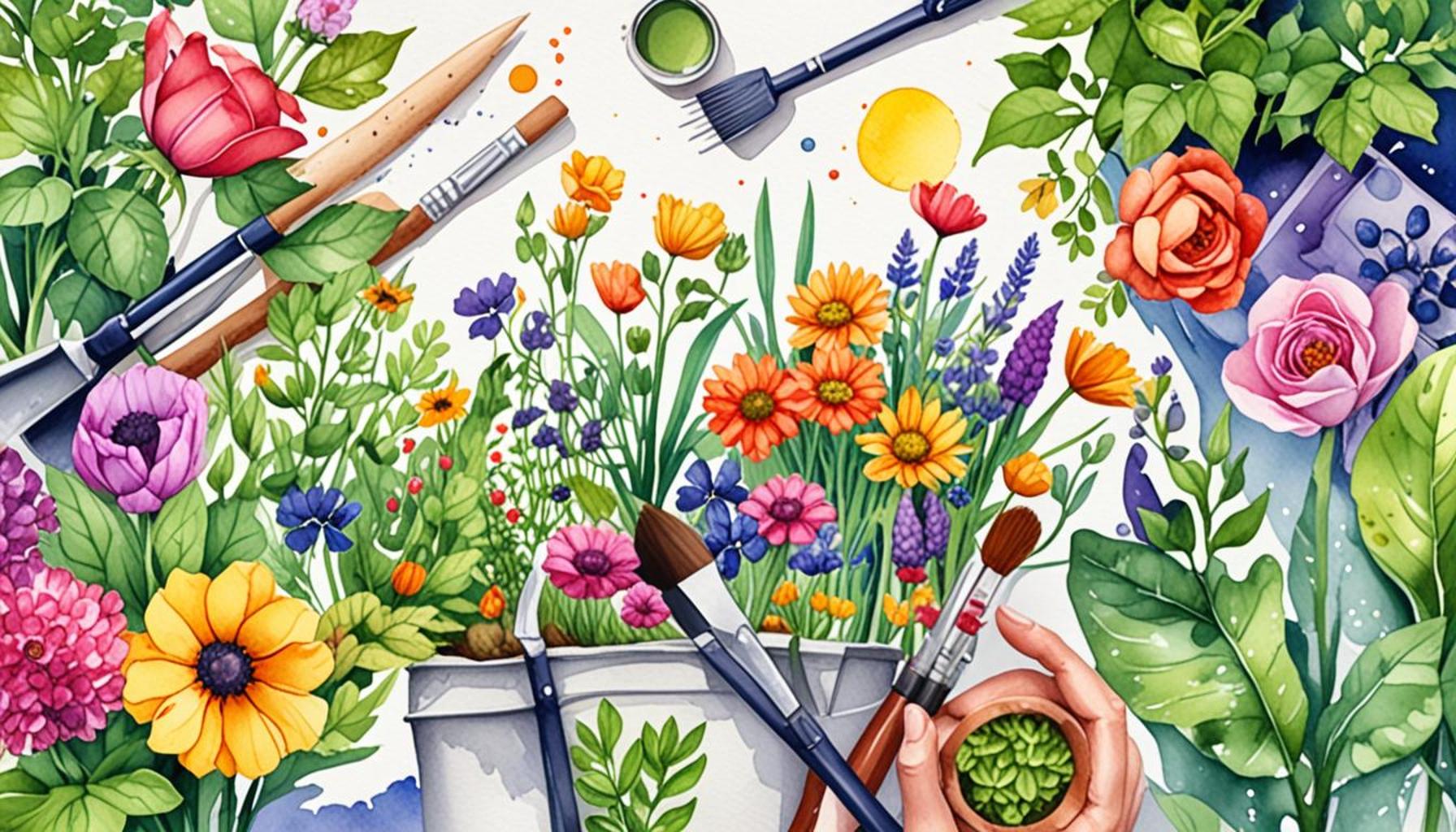
Gardening serves as a delightful intersection of nature and creativity. As enthusiasts dig into the soil, they are not only cultivating plants but also shaping a canvas that reflects their unique aesthetic. This transformative hobby elevates outdoor spaces into living art, enriching both the environment and the soul. Whether it’s the sight of a blooming flower bed or the delicate rustling of leaves in the wind, gardens offer a glimpse into the beauty and complexity of the natural world.
Key Aspects of Visual Design in Gardening
When exploring visual design in gardening, several essential elements come into play, each contributing to the overall impact of the space.
- Color Schemes: The choice of colors in a garden can evoke different emotions and create a mood. For instance, a garden filled with vibrant reds, yellows, and purples can exude energy and warmth, while a palette of blues and whites can impart tranquility and coolness. Consider using the color wheel as a tool to select plants that either complement or contrast with one another. Examples include pairing yellow daisies with deep purple asters for a vibrant display or creating a serene oasis with soft pastels of hydrangeas and lavender.
- Textures: Different leaf shapes, flower structures, and sizes enhance visual interest and depth in the garden. A gravel pathway juxtaposed with soft, feathery fern leaves can create a tactile experience for visitors. Mixing fine-textured plants, such as ornamental grasses, with bold, large-leaved plants like hostas can add dimension and variety, making the garden more engaging to explore.
- Shapes and Layouts: The arrangement of plants, pathways, and garden features dramatically influences how the space is perceived. Curvilinear pathways can create a sense of discovery and wanderlust, while geometric layouts often evoke a more formal atmosphere. Incorporating focal points such as a fountain, birdbath, or sculpture can draw visitors in and guide their gaze throughout the garden.
In the United States, gardening has evolved beyond mere aesthetics to also reflect personal tastes and broader trends, such as sustainability and native planting. Modern gardeners are embracing the philosophy that their gardens are not only beautiful but also integral to fostering ecological balance. This includes utilizing native plants that require less water and are more resilient to local pests, thus aligning the visual appeal with environmental responsibility.
This exploration of the nuances of visual design in gardening invites readers to reimagine their outdoor spaces through innovative ideas and practices. By understanding the interconnectedness of nature and creativity, individuals can uncover how visual design not only enhances the gardening experience but also contributes to a deeper appreciation of the environment around them. So grab your gardening gloves, unleash your creativity, and transform your outdoor space into a personal paradise filled with beauty and purpose.
DISCOVER MORE: Click here to explore creative recycling ideas!
Embracing the Elements of Design
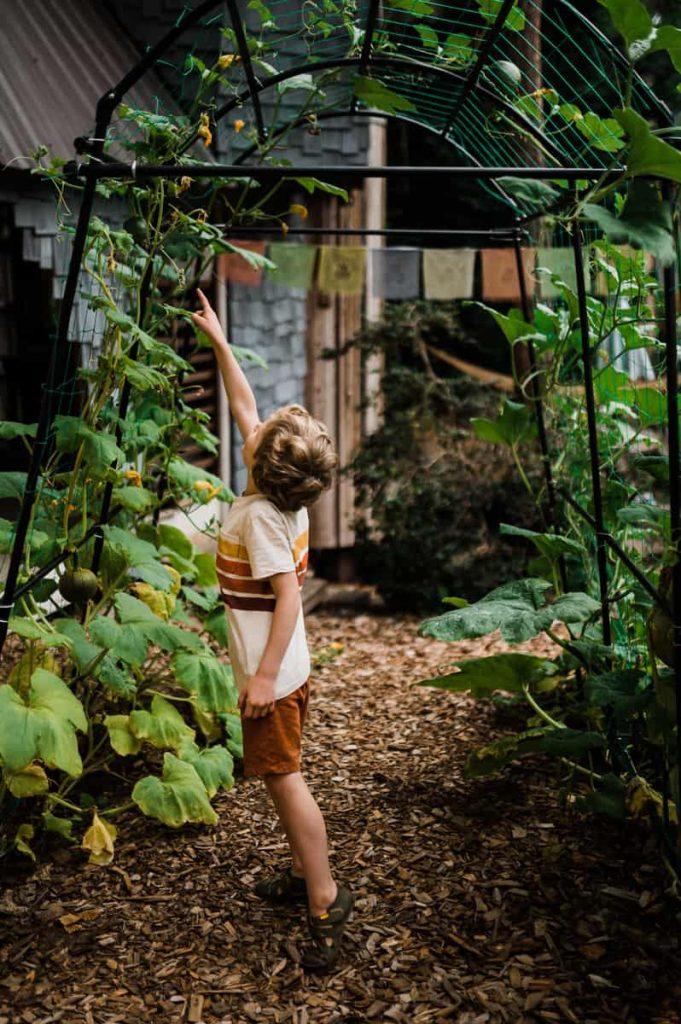
Gardening transcends the simple act of planting and watering, evolving into a sophisticated practice of visual design that bridges the gap between nature and human creativity. This journey begins with an understanding of the fundamental elements that contribute to the aesthetic appeal of any garden. Aspiring gardeners should pay close attention to the composition, balance, and harmony in their outdoor spaces, as these factors play a significant role in creating a tranquil and inviting atmosphere.
Essential Elements of Visual Design in Gardening
By delving into the essential elements of visual design, gardeners can craft spaces that not only look stunning but also resonate with the natural environment. Key components include:
- Composition: The arrangement of plants and garden features is crucial in directing the viewer’s attention. Integrating plants of varying heights and shapes creates a balanced visual palette. Tall flowers like sunflowers can serve as a backdrop for shorter plants such as marigolds or lavender, providing depth and layering that invites exploration.
- Balance: Achieving visual balance ensures that no single element overwhelms the other. Symmetrical gardens, where plants are mirrored on either side of a pathway or feature, create a sense of order. Conversely, asymmetrical designs can produce a dynamic and exciting look, appealing to those who prefer a more casual feel. Understanding the balance of colors and textures contributes to a unified design.
- Scale and Proportion: Recognizing the scale of plants and garden ornaments is vital in design. Large statues might overwhelm smaller flower beds, while delicate features could get lost in a sprawling landscape. Striking the right proportion ensures that each element complements one another, enhancing the overall aesthetic of the garden.
The movement towards sustainable gardening practices has also prompted a shift in visual design approaches, with many gardeners incorporating native plants that serve not only as beautiful additions but also as vital components of local ecosystems. These plants are generally lower maintenance and require less water, making them an attractive option for environmentally conscious enthusiasts. Creating visually stunning gardens with native flora can lead to a deeper connection with the surrounding environment, while also supporting local wildlife.
As we delve deeper into the intersection of nature and creativity, it becomes clear that gardening is much more than a pastime; it’s an art form. With thoughtfully designed spaces, individuals are encouraged to engage their senses, fostering mindfulness and appreciation for the beauty of the natural world. The design process is both rewarding and enlightening, offering a powerful reminder of the balance between human creativity and the splendor of nature.
| Visual Strategy | Creative Expression |
|---|---|
| Color Theory | Combining hues for aesthetic appeal. |
| Layout Design | Using space effectively to enhance visual flow. |
| Texture Play | Incorporating various materials to create depth. |
| Seasonal Changes | Adapting designs in response to changing flora. |
The synergy between gardening and visual design transforms ordinary spaces into inspirational landscapes. The thoughtful application of color theory, for instance, can evoke emotions and draw the eye to specific areas of a garden. By understanding how colors interplay, gardeners can create vibrant palettes that reflect the seasonal cycle of nature while showcasing their personal style.Moreover, effective layout design is essential for open-air artistry. Strategic placement of plants and structures not only enhances the garden’s visual rhythm but also encourages exploration and discovery. The interplay of sightlines and focal points invites onlookers to engage more deeply with their surroundings.Texture is another fundamental aspect that captures the essence of nature’s beauty. Whether through foliage or decorative elements, texture play ensures visual interest and tactile exploration, making gardening a multisensory experience. Embracing the evolving landscape with an understanding of seasonal changes can provide ongoing inspiration, celebrating nature’s creativity while prompting gardeners to adapt and innovate continuously.
DISCOVER: Click here to uncover the therapeutic benefits of crafting
Incorporating Seasonal Changes into Garden Design
The notion of visual design in gardening extends beyond static arrangements; it embraces the dynamic nature of the seasons, which can significantly influence the aesthetic outcome of a garden. Each season offers a unique palette and emotional landscape, encouraging gardeners to continuously adapt their designs and plant selections. Understanding how to work with seasonal changes is essential for creating visually appealing spaces throughout the year.
Capturing the Essence of Each Season
Spring heralds a burst of life and color, providing an opportunity for gardeners to incorporate vibrant blooms and fresh greens. Consider introducing an array of spring bulbs such as tulips, daffodils, and hyacinths, which can create a stunning visual spectacle at the onset of the growing season. The interplay of foliage and flower arrangements can evoke a sense of renewal and joy, aligning perfectly with the essence of spring.
As summer arrives, gardens often reach their peak. This is when gardeners can play with color combinations and textures, making the most of popular annuals and perennials. For instance, the bold hues of zinnias paired with the soft pastels of snapdragons can create a lively visual contrast that captures the eye from any angle. Using attractive garden design techniques, such as curved pathways or tiered plantings, can also create a sense of flow and movement, drawing visitors deeper into the garden.
Autumn brings its own unique charm, encouraging gardeners to focus on fall foliage and the intricate patterns created by fading blooms and ripening fruits. Species such as ornamental grasses, asters, and sedum can provide textural interest, while the rich oranges, reds, and yellows of fall foliage create a warm and inviting atmosphere. Designing with an awareness of how colors will change throughout the autumn allows for a stunning transition that celebrates the season’s fleeting beauty.
During winter, although many plants are dormant, this season provides a perfect backdrop for understanding negative space and structural elements in garden design. Evergreens and evergreen shrubs can stand out beautifully against a snowy landscape, while decorative features such as garden benches or sculptures take center stage. Incorporating various textures from bark, stone, and evergreen foliage can create a striking visual experience, encouraging outdoor enjoyment even in the colder months.
Color Theory in Gardening Design
Another significant aspect of visual design in gardening is color theory. Understanding how colors work together can enhance a garden’s emotional impact. For example, gardeners can create serene spaces using cool colors like blues and greens, which evoke feelings of calmness. Conversely, warmer colors such as reds and oranges can stimulate energy and excitement. Careful planning around the color wheel allows for the strategic pairing of plant species to achieve a cohesive and harmonious display that resonates emotionally with viewers.
Moreover, incorporating contrasting colors can lead to dynamic visual stimulation. The bold pairing of purple and yellow or red and green can energize a garden and make it visually engaging. Experimenting with various color palettes can guide gardeners in expressing their creativity and personal style while adjusting to the visual demands of the environment.
Ultimately, by embracing the myriad elements of visual design, including seasonal changes and color theory, gardeners can create vibrant, multifaceted outdoor spaces that invite exploration and reflection, deepening their connection to both nature and their creative expression.
DIVE DEEPER: Click here to uncover more insights
Conclusion
In conclusion, exploring visual design in gardening hobbies reveals a fascinating intersection where nature meets creativity, enriching our lives and surroundings. The deliberate integration of seasonal changes and an understanding of color theory empowers gardeners to craft landscapes that not only bloom with aesthetic beauty but resonate emotionally throughout the year. Each season brings distinct opportunities for design, inviting gardeners to adapt and innovate—a process that fosters both emotional connection and imaginative expression.
As we navigate through the vibrant palettes of spring, the lushness of summer, the warmth of autumn, and the stark beauty of winter, we uncover the potential to communicate with nature through our choices. By leveraging concepts like negative space and textured contrasts, our gardens can evolve into living art installations that captivate both the senses and the spirit.
For gardening enthusiasts and novices alike, understanding visual design principles is not merely a technical exercise; it is an invitation to engage more deeply with the natural world. This engagement can promote biodiversity and environmental health while also allowing for personal creativity to flourish. Whether one seeks tranquility, vibrancy, or playfulness, the garden becomes a canvas for expression.
As we reflect on the transformative potential of gardens, let us embrace the artistry of visual design not only to enhance our outdoor spaces but also to foster a greater appreciation for the magic that nature offers. Encouraging exploration and experimentation within gardening can lead to a fulfilling hobby that enhances our connection to the earth, inspires creativity, and nurtures our well-being.