Accessible Visual Design Tools: Transforming Ideas into Creative Projects at Home
The Impact of Accessible Design Tools on Creative Expression
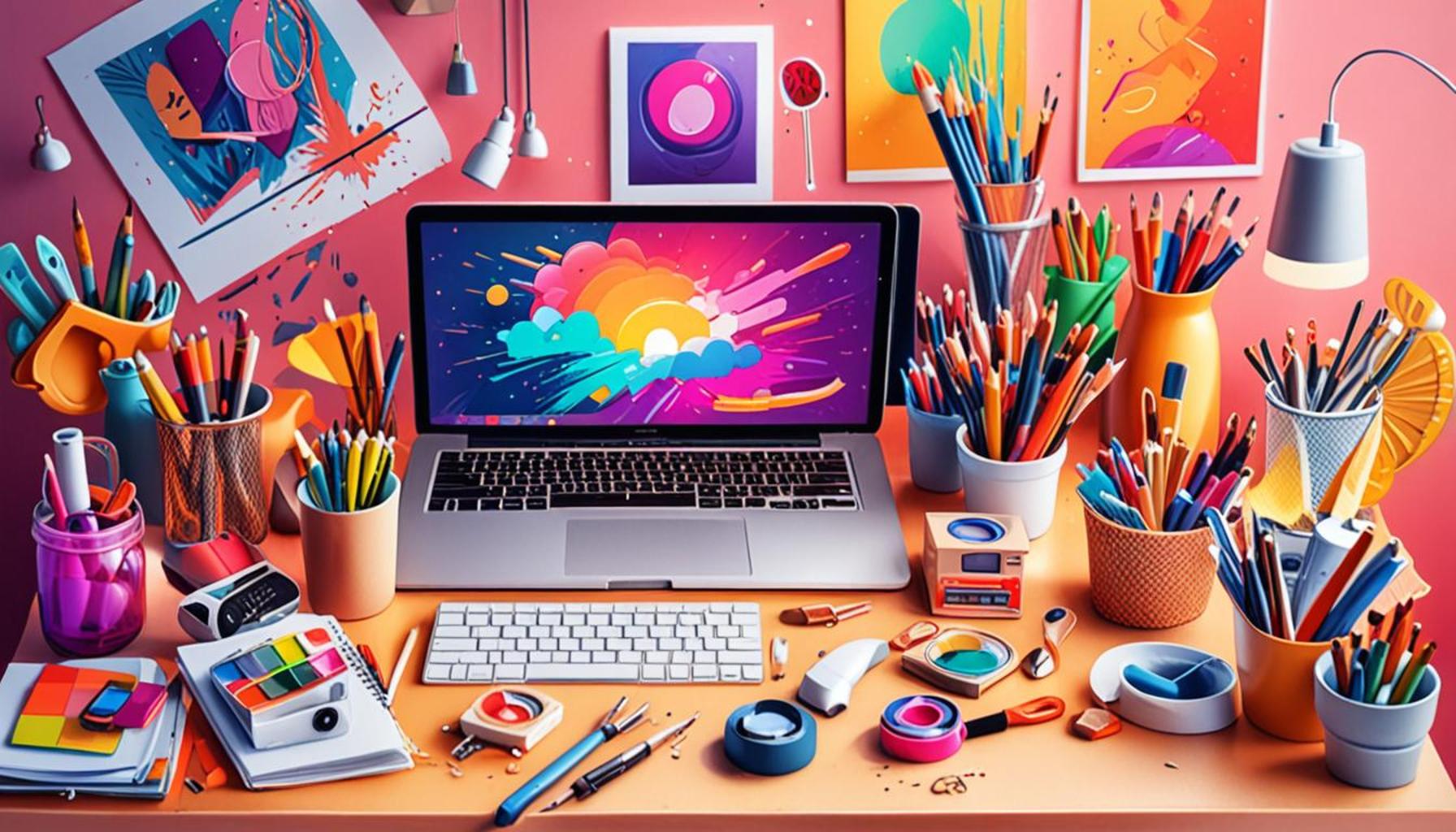
The digital transformation of our era has significantly changed how individuals can convey and implement their unique ideas. A vast array of accessible visual design tools enables anyone, from professional artists to hobbyists, to turn imaginative concepts into tangible realities, all from the ease of their home environment.
Today’s design tools cater to varying levels of expertise, offering functionalities that appeal to professionals seeking advanced capabilities as well as beginners who may be just starting their creative journeys. These platforms not only simplify the design process but also enhance the final product quality. Here are some standout benefits of using these tools:
- User-Friendly Interfaces: Tools like Canva and Adobe Spark prioritize intuitive design, which makes it easy even for those with minimal experience to navigate and create compelling visuals.
- Affordable Options: Many tools are free or come with cost-effective subscription models. For instance, Canva offers a robust free tier, making quality design accessible even for those on a tight budget.
- Enhanced Collaboration: Cloud-based design platforms enable users to co-create in real-time, fostering collaboration among teams, friends, and family regardless of geographical barriers.
The possibilities for creating eye-catching visuals are nearly limitless. From designing graphics for social media campaigns to curating personalized home décor, individuals can explore various creative projects that align with their interests. Below are a few noteworthy tools that have gained popularity across the United States:
- Canva: This versatile tool is perfect for generating stunning designs quickly. With an extensive library of templates, images, and fonts, users can easily create everything from flyers to social media posts.
- Adobe Spark: Known for its robust features paired with simplicity, Adobe Spark allows users to produce high-quality graphics, web pages, and short videos effortlessly, making it a favorite among small business owners.
- Visme: Exceptional for educators and corporate professionals alike, Visme empowers users to design engaging presentations and infographics that resonate with their audience.
As creativity flourishes in households across the nation, being aware of and leveraging these accessible visual design tools can metamorphose straightforward ideas into breathtaking projects. By understanding how to effectively utilize these resources, individuals can enhance their creative expression, inspire others, and engage with a broader community. Whether you’re crafting a personal project or collaborating on professional initiatives, the right tools are out there, ready to help you bring your vision to life. So, why not dive into the world of design today and explore how these platforms can unlock your creative potential?
DIVE DEEPER: Click here to discover essential worldbuilding techniques
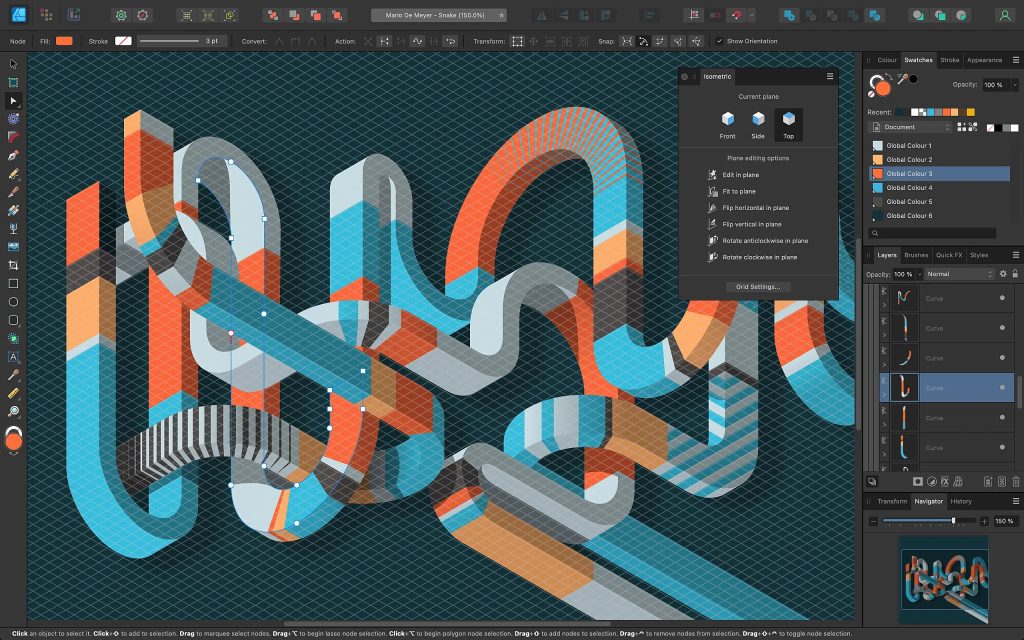
Embracing Creativity with Digital Design Tools
As the landscape of creativity evolves, so does the need for tools that empower individuals to express themselves visually. Accessible visual design tools have emerged as key players in this domain, enabling users of all skill levels to transform their ideas into vibrant projects from the comfort of their homes. This democratization of design has opened doors for a wide range of creative endeavors, limiting barriers that once kept aspiring designers at bay.
The surge in popularity of these tools can be attributed to several defining features that cater to the diverse needs of users. From professional graphic designers to casual hobbyists, these platforms create an environment where creativity knows no bounds. Here are some significant aspects that contribute to this flourishing creative landscape:
- Diverse Templates and Resources: Many design platforms provide an extensive library of templates, graphics, and stock images. Tools like Canva offer specialized templates for a plethora of projects, from event invitations to marketing materials, giving users a strong starting point for their creative vision.
- Customization Features: Accessible design tools allow for seamless personalization of elements such as colors, fonts, and layouts. Whether users want to adjust images or integrate specific branding elements, these features ensure that every project maintains a unique identity.
- Learning and Support Communities: With countless tutorials, webinars, and online communities, these platforms often provide valuable resources to help users enhance their skills. Engaging with other users and accessing learning materials fosters a supportive environment that encourages continual growth.
In the United States, where DIY culture is thriving, the impact of these tools is particularly noteworthy. As remote work and online engagement have become commonplace, individuals are increasingly turning to design projects that not only serve personal interests but also enhance their home and professional environments. Here are some examples of the creative projects that can be accomplished with accessible design tools:
- Personalized Gifts: Create unique cards, photo books, or custom artwork as meaningful gifts for friends and family.
- Home Decor: Design stunning wall art or prints that reflect personal style, adding a touch of creativity to home interiors.
- Social Media Content: Develop eye-catching visuals tailored for blog posts and social media, ensuring a strong online presence.
- Event Planning: From birthday parties to weddings, designing invitations, menus, and signage has never been more straightforward.
As more individuals harness the power of these tools, the intersection of technology and creativity continues to flourish. With various platforms now available that prioritize accessibility and user experience, the goal of achieving high-quality design is within everyone’s reach. This environment encourages experimentation and risk-taking, allowing users to push their creative boundaries while developing a unique signature style.
| Advantage | User Experience |
|---|---|
| Intuitive Interfaces | These tools feature user-friendly designs that make it easy for creators of any level to navigate and produce quality work. |
| Accessibility Options | Many platforms include assistance features for those with disabilities, enhancing inclusivity in creative project development. |
| Variety of Tools | From graphic design to video editing, users have access to a myriad of functions that inspire endless creativity at home. |
| Collaborative Features | Users can share their projects with friends or colleagues, which promotes teamwork and enhances project outcomes. |
The world of creative design has been fundamentally altered by the emergence of accessible visual design tools, making it possible for individuals to transform abstract ideas into tangible, creative projects from the comfort of their homes. These tools not only simplify the design process but also open doors for those who may have previously felt intimidated by complex software. With features that bolster productivity while remaining approachable, they cater to a wide spectrum of users, driving a surge in creativity across diverse demographics. As individuals embrace these platforms, they will discover the freedom to articulate their visions, thus enriching personal expression and creativity in their home environments.
DISCOVER MORE: Click here to delve into the world of musical creativity
Breaking Down Barriers in Design Education
While accessible visual design tools have transformed the way individuals approach creative projects at home, they have also played a pivotal role in reshaping design education. Traditionally, learning design principles often required formal education, which could be costly and time-consuming. However, with the rise of user-friendly design platforms, aspiring designers, enthusiasts, and even entrepreneurs can now gain hands-on experience without the hefty price tag of a degree.
One of the most exciting aspects of these platforms is their commitment to inclusivity. Many design tools offer features specifically designed to accommodate users with disabilities. For instance, platforms are increasingly including keyboard navigation and screen reader compatibility, which opens the door for a more diverse range of designers to thrive. This push toward inclusivity not only enhances the user experience but also fosters a community where everyone, regardless of ability, can partake in the creative process.
Furthermore, the movement toward self-directed learning has gained momentum, with digital design tools serving as essential resources. Websites like Skillshare and Udemy provide affordable online courses, teaching users to navigate platforms like Adobe Express or Crello. By pairing these tools with online educational resources, individuals can develop a comprehensive skill set that includes understanding color theory, typography, and layout design—all crucial elements of effective visual communications.
Collaboration and Networking Opportunities
In addition to facilitating individual creativity and learning, accessible visual design tools also bolster collaboration. Many online platforms allow for real-time feedback and editing, paving the way for seamless teamwork. Whether it involves creating marketing materials with a remote team or coming together with family and friends to design a group project, the ease of collaboration can lead to innovative outcomes that might not have been possible otherwise.
Moreover, social media plays a significant role in showcasing creative projects and fostering networking opportunities. Design enthusiasts can share their work on platforms like Instagram and Pinterest, building a following and potentially attracting clients or job offers. This exposure not only validates their efforts but also creates a sense of community among users with similar interests.
Entrepreneurship Through Design
Accessible visual design tools are revolutionizing the concept of entrepreneurship as well. Many small business owners leverage these platforms to craft branding elements, such as logos, packaging designs, and promotional materials. With the ability to create professional-quality graphics at home, entrepreneurs can save money while establishing their brand identity. For example, small retailers often use design tools to generate social media ads, effectively reaching their target audience without the need for extensive marketing budgets.
As e-commerce continues to flourish, the importance of strong visual branding cannot be overstated. Individuals who invest time in becoming proficient with these accessible visual design tools are more likely to succeed in creating a brand that resonates with consumers. They can create a cohesive visual identity, ensuring that all their marketing materials reflect their unique style and ethos.
In an era where technology continues to advance rapidly, the convergence of design and digital tools empowers individuals to take charge of their creative journeys. By breaking down barriers in learning, collaboration, and entrepreneurship, these tools encourage not only innovation but also personal growth, making the world of design increasingly accessible and inviting for everyone.
DIVE DEEPER: Click here to discover the healing power of storytelling
Empowering Creativity Through Accessibility
In conclusion, accessible visual design tools are revolutionizing the way individuals engage with creativity in the comfort of their homes. By democratizing design education, these platforms have dismantled traditional barriers, enabling aspiring designers and hobbyists alike to turn their visions into tangible projects without the constraints of formal training or exorbitant costs. The commitment to inclusivity ensures that users of all abilities can leverage these tools, fostering a diverse community that thrives on shared creativity.
As self-directed learning becomes increasingly prominent, individuals can not only utilize these accessible tools but also enhance their skills through a myriad of online resources. This combination of technology and education leads to a greater understanding of critical design principles, empowering users to craft professional-quality visuals that resonate with their audiences.
The collaboration facilitated by these platforms encourages teamwork and innovation, allowing users to share ideas and feedback in real-time, while social media acts as a bridge for networking opportunities within the design community. Furthermore, for budding entrepreneurs, these tools provide an invaluable asset, enabling professional branding and marketing without the need for hefty financial investment.
As we move forward into an era defined by technological advancement, the implications of accessible visual design tools extend far beyond personal projects. They open doors for self-expression, entrepreneurship, and community engagement, reinforcing the notion that everyone, regardless of background or ability, should have the opportunity to explore their creative potential. The landscape of design is evolving, and with these tools in hand, your ideas may just be the next great project waiting to unfold.