Art Exploration Techniques Discovering New Expressions with Creative Hobbies
Unlocking Creative Potential
Creative hobbies serve as vital outlets for self-expression and personal growth. Engaging in artistic exploration not only enhances your skills but also opens doors to new perspectives and experiences. In today’s fast-paced world, these hobbies are more important than ever for fostering mental well-being and encouraging a lifelong journey of creativity.
The Importance of Artistic Exploration
Artistic techniques can transform a mundane pastime into a meaningful pursuit. By experimenting with different forms of expression, individuals can:
- Explore diverse mediums: From painting to photography, each medium offers unique opportunities.
- Develop personal style: Experimentation helps in discovering what resonates with one’s identity.
- Enhance emotional health: Creating art can be therapeutic, aiding in self-reflection and relaxation.
In this article, we will delve into the Top 5 techniques for artistic exploration that can invigorate your creative hobby. Each method will provide valuable insights into how you can expand your artistic horizon and uncover new passions.
Artistic Exploration Techniques: Discovering New Forms of Expression through Creative Hobbies
In a world teeming with stimuli and creative energy, individuals continually seek innovative ways to express their inner thoughts and emotions. The artistic landscape is expansive, offering numerous celebrated pathways for creativity. In this article, we delve into the top five artistic techniques that can be explored through various hobbies, paving the way for fresh forms of expression. Prepare to journey into artistic realms poised to ignite your passion and redefine your understanding of creativity!
5. Mixed Media Experimentation
Mixed media art is an exhilarating technique that amalgamates different artistic methods, materials, and techniques into a single artwork. This creative intersection allows artists to craft multi-dimensional pieces that transcend traditional boundaries. By blending mediums like paint, fabric, paper, and digital elements, an artist can fully unleash their creative spirit.

The true allure of mixed media lies in its inherent flexibility. Artists enjoy the freedom to layer textures, colors, and forms, thereby evoking diverse emotions and weaving intricate narratives. Whether a seasoned artist or a newcomer, experimentation is the cornerstone of mixed media. To start, consider these mixed media ideas:
- Combine watercolor and collage to create an enchanting storytelling effect, bringing dynamic narratives to life on canvas.
- Incorporate found objects, such as buttons or shells, into visual art projects to add texture and a tangible connection to your piece.
- Merge digital and traditional painting techniques to explore a modern aesthetic that bridges past and present approaches.
Mixed media offers virtually limitless options, providing a fascinating platform for exploring and discovering your unique artistic voice.
4. Calligraphy and Hand Lettering
Calligraphy and hand lettering are contemporary artistic expressions that have surged in popularity, transforming simple words and messages into visually stunning pieces through intricate designs and beautiful typography. Such techniques extend beyond art into crafts, customized cards, and personalized gifts.
Embarking on this artistic journey requires little more than quality pens, paper, and a willingness to practice. With numerous online tutorials available, beginners can easily grasp fundamental concepts and refine their skills. To dive deeper into this elegant craft, try:
- Brush lettering with water-based markers for a fluid, modern feel that lends itself to an array of projects.
- Designing customized greeting cards incorporating hand-lettered elements that add a personal touch to heartfelt messages.
- Experimenting with ink and nib for a traditional approach to calligraphy, connecting you with centuries of artistic tradition.
Incorporating calligraphy into everyday tasks goes beyond writing; it infuses artful aesthetics into communication, elevating casual interactions to artful expressions.
3. Digital Art and Illustration
The advent of digital art has revolutionized the realm of creative expression, enabling artists to utilize technology to craft captivating imagery. From graphics and illustrations to animations and textures, digital mediums offer limitless creative possibilities. Applications like Adobe Illustrator and Procreate provide tools for artists to work with both flexibility and efficiency, driving exploration of different styles and techniques.
Opening up avenues for both personal and professional projects, digital art has finally come of age, leading fields such as graphic design and concept art. For beginners, some avenues to explore within digital art include:
- Engaging in digital doodling with tablet applications, developing skillful storytelling through playful sketches and character design.
- Creating animated GIFs to tell rich visual stories that capture moments and emotions in eye-catching loops.
- Dabbling in 3D modeling for an exciting entry into a growing field that blends art, technology, and interactivity.
Embarking on the digital art journey may initially feel daunting, but persistence can reveal exciting evolutions in your artistic style and voice.
2. Photography as a Creative Outlet
Photography, an undeniably compelling means of artistic expression, allows individuals to preserve the world through their unique perspectives. By framing moments in time, photographers have the power to convey beauty, depth, and emotion. Equipped with a high-end camera or a smartphone, the art of photography remains entirely accessible, offering rich avenues for self-expression.
To enrich your photographic skill set, explore these techniques and projects:
- Experiment with composition and angles to present subjects in new and engaging ways, altering perceptions and interpretations.
- Dive into diverse lighting conditions and photography styles, such as portrait, landscape, or macro photography, to enhance storytelling techniques.
- Participate in photo challenges through social media to push your creative boundaries and develop your craft through friendly competition.
Photography not only enhances visual storytelling abilities but also encourages creators to discover the extraordinary hidden within the ordinary.
1. Painting and Drawing as Fundamental Creative Hobbies
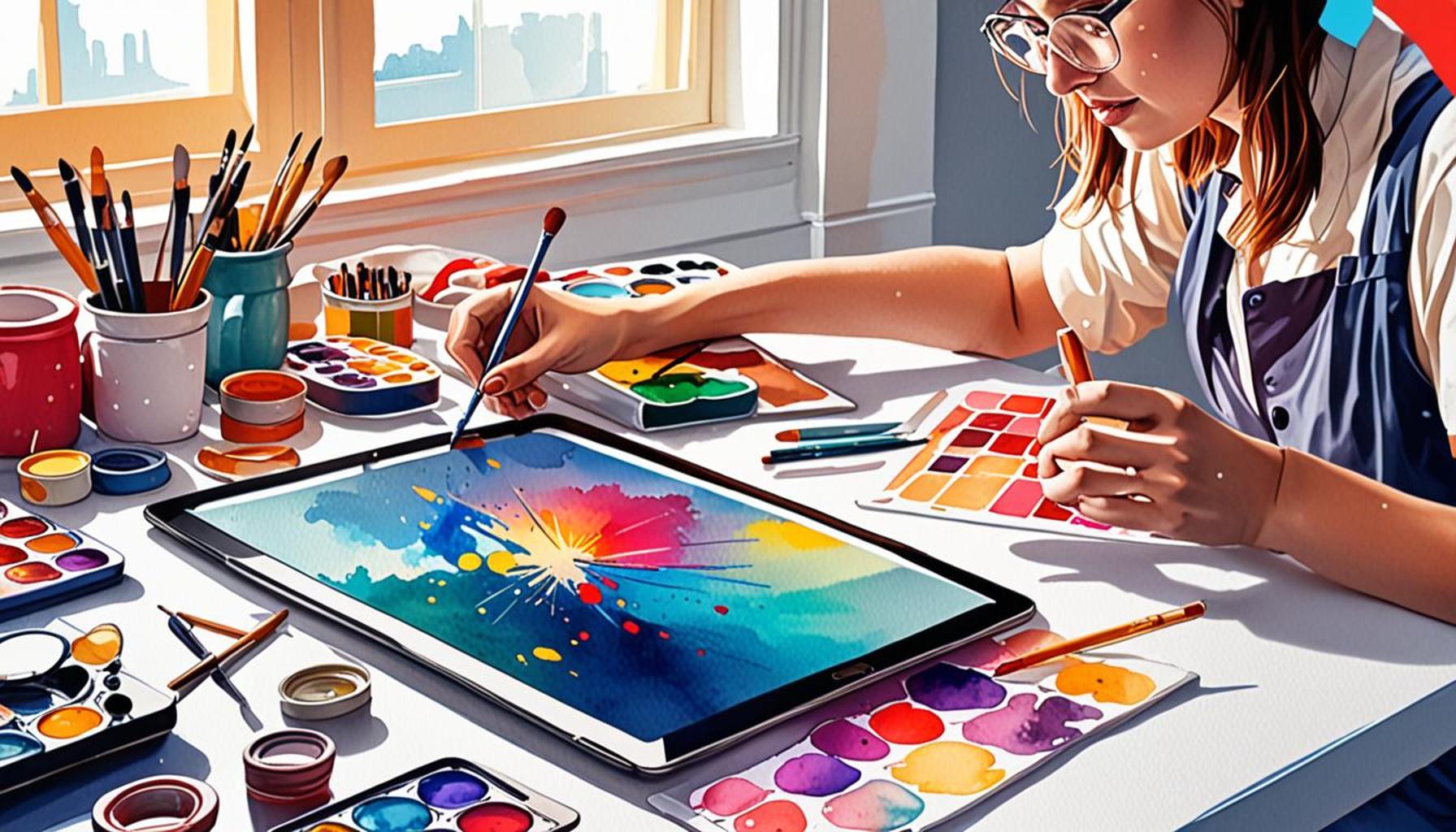
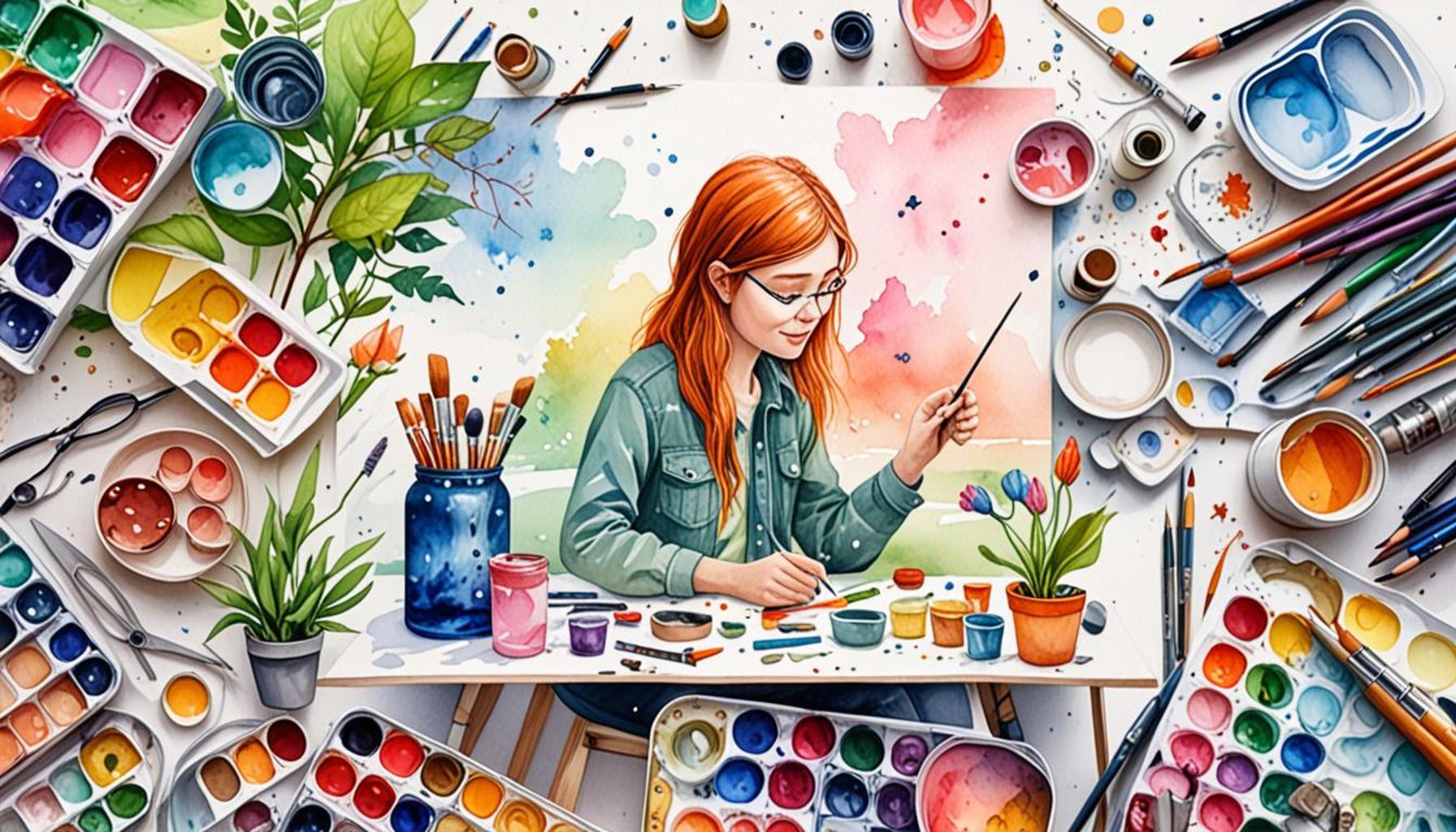
At the zenith of artistic hobbies lie painting and drawing—timeless forms of creativity that have captivated humans for countless centuries. These fundamental techniques allow practitioners to express a limitless array of emotions, ideas, and narratives through vivid visuals. From the delicate strokes of watercolors to the bold forms of acrylics, from graphite to vibrant pastels, the variety of materials conjures a breathtaking universe of expression and experimentation.
To cultivate your artistic journey in painting and drawing, here are some approaches to explore:
- Embrace various painting styles, from Impressionism and Cubism to Abstract Expressionism, to develop a unique artistic identity.
- Practice figure drawing to enhance understanding of human anatomy, providing a solid foundation for all types of art.
- Try en plein air painting—the art of painting outdoors—but capture nature’s beauty directly onto canvas.
Essential to any artistic discipline, painting and drawing provide profound insights into human expression, taking the individual on a transformative journey through the rich tapestry of art.
| Category | Description |
|---|---|
| Visual Arts | Engaging in visual arts such as painting and drawing allows individuals to express emotions and thoughts that are often difficult to articulate. This form of artistic exploration can enhance creativity and provide therapeutic benefits, making it a powerful outlet for personal expression. |
| Performing Arts | Participating in performing arts, like theater and dance, encourages collaboration, communication, and self-confidence. These activities not only allow individuals to tell stories through movement and dialogue but also create a sense of community among participants. |
| Crafting | Engaging in crafting activities such as knitting, pottery, or scrapbooking cultivates mindfulness and enhances fine motor skills. This hands-on approach to creativity allows individuals to see tangible results of their efforts, reinforcing a sense of achievement and satisfaction. |
| Writing | Exploring written expression through poetry, journaling, or storytelling can serve as a profound outlet for creativity and introspection. Writing encourages individuals to delve deeper into their thoughts and emotions, promoting not only artistic exploration but also mental clarity and personal growth. |
Engaging in these diverse activities under the umbrella of artistic exploration invites individuals to uncover new dimensions of creativity, fostering emotional and mental well-being as they navigate their personal journeys through art. Each category opens doors to new perspectives and forms of expression, pushing the limits of what one can achieve through hobbies that ignite passion and innovation. Whether through the strokes of a paintbrush or the written word, the possibilities for exploration are boundless.
Frequently Asked Questions about Artistic Exploration Techniques
What are some benefits of engaging in creative hobbies?
Engaging in creative hobbies offers a myriad of benefits. Chiefly, it provides an excellent outlet for stress relief, allowing individuals to unwind and express emotions in a healthy manner. These activities can also foster self-discovery and personal growth as they challenge individuals to explore new facets of their personality and capabilities. Additionally, creative hobbies often lead to improved cognitive function, enhancing problem-solving skills and fostering innovative thinking.
How do I find the right artistic hobby for me?
Discovering the perfect artistic hobby begins with understanding your personal interests and preferences. Start by exploring a range of activities such as painting, sculpting, writing, or playing music. It’s crucial to approach each with an open mind and patience. Consider attending workshops, watching tutorials, or joining local clubs to gain exposure and experience. Often, it’s through trial and error that you may uncover a passion that truly resonates.
Can artistic expression be therapeutic?
Absolutely, artistic expression is widely recognized for its therapeutic qualities. It promotes emotional healing by allowing individuals to channel emotions in a constructive manner. Art therapy, in particular, is utilized by professionals to aid in coping with trauma, depression, and anxiety. The transformative power of art helps in building a sense of accomplishment and self-worth, making it a valuable component of mental health care.
Is it necessary to have talent to explore artistic hobbies?
Contrary to popular belief, having inherent talent is not a prerequisite to enjoying or succeeding in artistic hobbies. The essence of exploring art lies in the process of creation and experimentation, rather than the outcome. What is most important is the willingness to learn and the courage to express oneself freely. Skills can be developed over time through practice, persistence, and commitment, enhancing the satisfaction and rewards of artistic endeavors.
How can I integrate creative hobbies into my daily routine?
Integrating creative hobbies into your daily routine can be achieved with a bit of planning and dedication. Start by allocating a specific time each day or week dedicated to your hobby, treating it with the same importance as other responsibilities. Follow a structured approach by setting realistic goals and tracking your progress. Additionally, seek to cultivate a creative environment at home that inspires and nurtures your artistic pursuits. Remember, consistency is key to reaping the full benefits of integrating creativity into routine life.
Conclusion: Unleashing Creativity through Artistic Exploration
The journey through various techniques of artistic exploration reveals a world rich with potential for self-expression and personal growth. As discussed, embracing creative hobbies has the power to unlock new dimensions of our imagination while providing an outlet for innovative ideas and emotions. Whether it be through painting, sculpting, digital art, or unconventional mediums like recycled materials and culinary arts, these activities offer endless opportunities to discover and nurture one’s unique artistic voice.
One of the main takeaways is that artistic exploration is not confined to professional artists. Individuals from all walks of life can partake in creative hobbies, using them as a tool for relaxation, introspection, and even therapy. The top techniques highlighted, including abstract expressionism, mixed media collaborations, and interactive installations, encourage a hands-on approach and deeper engagement with the artistic process.
Why Creative Hobbies Matter
In our fast-paced world, creative hobbies provide a vital escape that allows us to reconnect with our inner selves and cultivate mindfulness. They are crucial for fostering innovation, enhancing problem-solving skills, and promoting emotional well-being. By investigating these artistic avenues, one can find new ways to communicate and connect with others, crossing cultural and linguistic barriers through the universal language of art.
The exploration of new artistic forms is a continuous journey of discovery and self-reflection. As the world of art evolves, so too do the possibilities for expression. In pursuing these creative endeavors, we not only enrich our lives but also contribute to a broader dialogue on the importance of art in society. Ultimately, the key is to remain curious, open, and willing to experiment, for it is in these moments of exploration that true innovation and creativity can flourish.