Artistic Exploration as a Tool for Advocacy: Using Creativity to Address Social Issues
Art and Activism: A Synergistic Relationship
Throughout history, creativity has served as a powerful medium for expressing thoughts and raising awareness about pressing social issues. Artistic exploration offers a unique platform, enabling creators to engage audiences in ways that statistics and speeches often cannot capture. From visual arts to performances and literature, art can ignite conversations and inspire substantial change in society.
The Role of Creativity in Advocacy
Artistic endeavors can take many forms when used for advocacy, including:
- Visual Arts: Murals, paintings, and sculptures can challenge prevailing perceptions, inviting the viewer to reflect deeply and provoking dialogue on issues like inequality, identity, and environmental sustainability. For example, large-scale murals in urban environments often reflect local struggles, not only beautifying the community but also serving as a canvas for political commentary.
- Performing Arts: Theater, dance, and music can convey profound messages about social justice. Productions like “Rent” and “Hamilton” have tackled themes of class struggle, racial identity, and the American Dream, prompting viewers to question societal norms and histories.
- Literature: Poetry and storytelling illuminate human experiences while igniting empathy. The works of authors like Toni Morrison or poets such as Maya Angelou delve into personal and collective histories, encouraging readers to understand diverse perspectives like never before.
This creative approach not only amplifies voices but also fosters connection among diverse communities. Artistic representation has the power to make complex issues more accessible and relatable. By utilizing creativity, advocates can create an emotional resonance that bridges gaps between disparate groups and inspires collective action.
Examples of Impactful Artistic Advocacy
In the United States, numerous artists have leveraged their talents to address critical issues, including:
- Climate Change: The works of artists like Olafur Eliasson showcase installations, such as “The Weather Project,” which provoke dialogues around environmental awareness, urging visitors to acknowledge their connection to the planet and its future.
- Social Justice: Kehinde Wiley’s portraits have redefined the depiction of African American subjects, challenging racial narratives by placing them in contexts often reserved for historical European figures, thus reframing societal expectations of representation.
- Health Awareness: Public health campaigns utilizing graphic design effectively convey critical messages. For example, campaigns addressing the opioid crisis often feature striking visuals that leave a lasting impact on viewers, driving home the urgency of the issue.
Artists hold the unique power to not only inform but also transform societal perceptions through their work. By harnessing the power of creativity, they cultivate a deeper understanding of complex challenges, encouraging individuals to engage and advocate for transformative change. This synergy between art and activism continues to evolve, underscoring the vital role of artistic expression in creating a more equitable world.
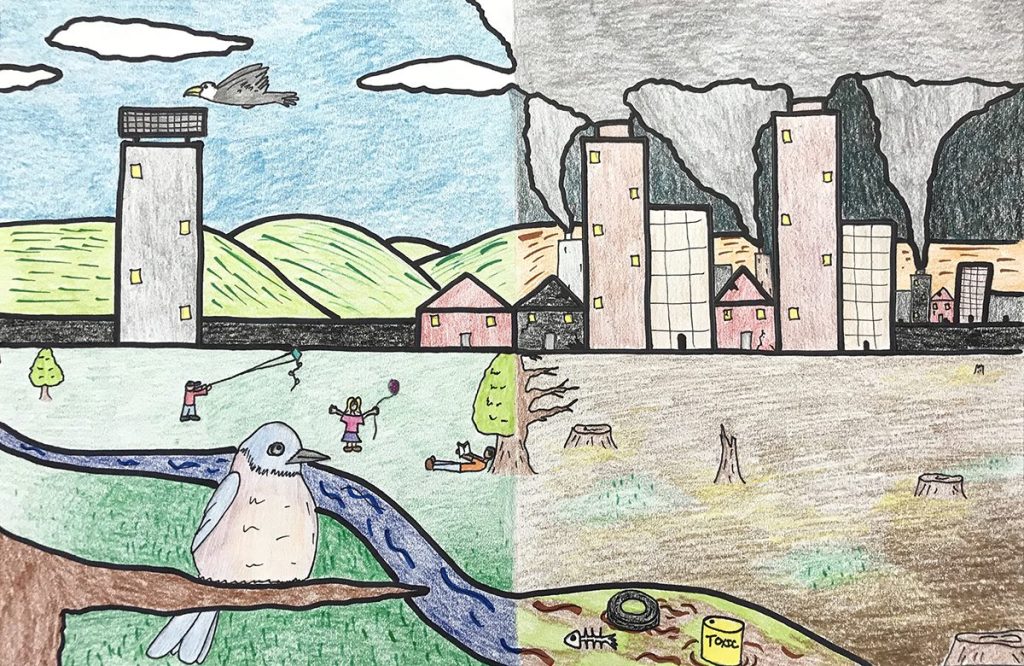
DIVE DEEPER: Click here to discover more about eco-conscious innovations
The Power of Artistic Expression in Advocacy
Artistic exploration serves as a vital conduit for advocacy; through various forms of creative expression, artists can address social issues that affect communities across the globe. This unique intersection of art and activism not only provides a voice to the voiceless but also resonates deeply with audiences, translating complex problems into relatable and transformative narratives. With creativity as their guide, artists have the ability to spark movements, challenge conventions, and provoke powerful conversations.
The Transformative Potential of Artistic Advocacy
When artists engage in advocacy, they utilize their craft to shine a light on critical social challenges. By harnessing the emotive qualities of their art, they can evoke feelings of empathy, anger, or hope, prompting audiences to rethink their perspectives. The following categories illustrate the diverse realms in which art serves as a powerful advocacy tool:
- Film and Media: The rise of documentaries and narrative films focused on social justice issues has played a significant role in shaping public opinion. Works like “13th,” directed by Ava DuVernay, examine systemic racism and incarceration in the United States, enlightening viewers about historical injustices that persist today.
- Music: From protest songs of the 1960s to contemporary hip-hop, music has consistently been a powerful vehicle for activism. Artists like Kendrick Lamar use their platform to address societal woes, using lyrics to articulate the struggles of marginalized communities while urging listeners to take action.
- Fashion: The fashion industry is increasingly recognizing its influence on social issues through campaigns that promote sustainability and equality. Influential designers, such as Stella McCartney, advocate for eco-friendly practices, while brands like Pyer Moss challenge racial stereotypes through their collections.
These artistic medium empower advocates to reach a wider audience, fostering a sense of urgency and awareness that often surpasses traditional modes of communication. By tapping into the collective consciousness, artists encourage people to reflect on their roles within society and consider the necessary steps toward positive change. Moreover, the emotive power of art can often serve as a catalyst for action, inspiring individuals to transform their newfound awareness into tangible efforts for advocacy.
The Role of Collaboration and Community
The collaborative nature of artistic exploration also plays a crucial role in advocacy. Many artists work alongside communities to ensure authenticity and representation in their narratives. This partnership fosters a sense of ownership and empowerment among community members, as they see their stories and struggles visually articulated through different artistic forms. Initiatives like the “Inside Out Project” invite people from diverse backgrounds to share their stories through large-scale public portraits, turning local narratives into collective artworks that celebrate resilience and resistance.
As artists continue to innovate and communicate through various media, the dialogue surrounding pressing social issues only deepens. The synergy created by melding artistic exploration with advocacy not only amplifies marginalized voices but also lays the groundwork for a more inclusive and aware society. Through their work, artists challenge us to recognize our shared humanity and the imperative for social justice.
In recent times, artists have increasingly embraced the role of advocates, using their creativity to highlight pressing social issues. This approach not only fosters a deeper understanding of these challenges but also encourages a communal response to them. By leveraging various art forms, from visual arts to performance and literature, creators can engage audiences on emotional and intellectual levels. This is where the beauty of artistic exploration lies—its ability to transcend language barriers and connect individuals from varied backgrounds.
For example, artists are utilizing public spaces to create immersive installations that challenge viewers’ perceptions of poverty, inequality, or environmental concerns. These captivating artworks drive conversations around subjects that might not receive mainstream attention otherwise. Initiatives such as community mural projects or interactive exhibits offer hands-on experiences that invite participants to reflect on their roles in societal issues. Moreover, social media campaigns featuring artistic expressions amplify these messages, reaching wider audiences quickly and efficiently.
The intersection of advocacy and creativity not only raises awareness but also inspires action. Art has the power to mobilize individuals and communities, encouraging them to participate in movements for change. Whether it’s through fundraising for local nonprofits or activism against climate change, artists provide unique perspectives that can energize and activate social responsibility. Thus, the continued exploration of art as a medium for advocacy remains fundamental in addressing social issues and cultivating a culture of empathy and awareness among the public.
| Advantage | Description |
|---|---|
| Emotional Engagement | Art evokes feelings, fostering connections to social issues on a personal level. |
| Broadening Perspectives | Creative expression provides new viewpoints and encourages critical thinking about complex topics. |
DISCOVER MORE: Click here to uncover your musical potential
Art as a Catalyst for Social Change
Artistic exploration not only influences perceptions but acts as a powerful catalyst for social change. By provoking thought and nurturing empathy, artists contribute significantly to the momentum of social movements. One remarkable illustration of this phenomenon is the street art movement, which has gained tremendous traction in recent years. Cities across the United States have seen murals dedicated to issues such as police brutality, racial inequality, and climate change. For instance, the iconic Banksy inspires urban dwellers with his provocative graffiti that challenges the status quo, encouraging communities to rally for justice.
Engagement with Technology and New Media
In our digital age, creativity extends beyond traditional mediums; technology and social media have emerged as influential platforms for artistic advocacy. Virtual environments allow artists to blend visual art, video, and interactive experiences to broaden the impact of their messages. One poignant example is the immersive experience created by Meow Wolf, which offers participants an interactive journey exploring complex social themes through fantasy and surrealism. Guests are drawn into a vibrant ecosystem, where art and advocacy meet, compelling them to engage with the fundamental issues at play.
Furthermore, social media platforms serve as a breeding ground for artistic voices advocating for delicate matters. Artists like Casey Neistat leverage their vlogs to bring attention to social causes, inspiring audiences to take action through shared online experiences. The ability to share, comment, and spread artistic expressions instantly creates communal dialogues, transforming individual pieces of art into widespread movements.
The Impact of Art on Policy and Legislation
Another important aspect of artistic advocacy is the potential to influence policy and legislation. Numerous artists participate in campaigns that seek to address legislative inefficiencies or injustices. For example, the Playwrights’ Lab in the United States showcases works that delve into pressing legal matters, engaging audiences in conversations that urge policymakers to address systemic issues. Playwrights and performance artists utilize their narratives to humanize legislative challenges, making these critical issues more accessible and compelling to decision-makers.
Art also plays a crucial role in raising funds for social causes. Kickstarters and crowdfunding initiatives have emerged, enabling artists to fund their projects while simultaneously supporting social movements. The documentary, “Knock Down the House,” which chronicles the campaigns of progressive candidates, showcases the financial backing artists can provide to grassroots movements, illustrating how artistic endeavors can yield both cultural and tangible political change.
Educational Outreach and Community Workshops
The power of artistic exploration in advocacy also manifests in educational outreach and community workshops. Organizations such as Art for Change employ artists to conduct workshops that use creativity as a medium for change. These programs often focus on underserved groups, allowing participants to express their narratives and experiences through various art forms such as poetry, painting, or theater. By providing a platform for self-expression, these workshops not only empower individuals but also foster community solidarity, further amplifying the reach of artistic advocacy.
In essence, the interdependence of art and advocacy opens new avenues for dialogue and reform. As artists continue to break boundaries and engage diverse communities, the prospects for tangible change through artistic exploration grow ever broader, reflecting the collective yearning for a more just and equitable society.
DISCOVER MORE: Click here to learn about storytelling’s effect on mental health
Conclusion: The Transformative Power of Creativity
In conclusion, artistic exploration has proven to be an invaluable tool for advocacy, transcending traditional barriers and engaging communities in dialogue around pressing social issues. By harnessing the power of art, from street murals that prompt public reflection to innovative installations that invite participation, artists have the ability to highlight injustices and inspire change. The fusion of technology and creativity in platforms such as social media has democratized artistic expression, enabling diverse voices to emerge and amplify collective concerns.
Moreover, the impact of artistic advocacy extends beyond cultural conversations; it has the potential to influence policy and legislation, making abstract issues tangible and relatable. The role of organizations that facilitate community workshops emphasizes the significance of education as a means of empowerment through art. These workshops not only provide tools for self-expression but also create spaces where transformative ideas can flourish.
As we recognize the profound effects of creative endeavors on societal progress, it is clear that artistic exploration serves as a catalyst for change. By continuing to support and engage with art that champions social issues, we can foster a resilient ecosystem of advocacy that reflects our shared aspirations for equality and justice. This ongoing fusion of creativity and activism remains crucial in shaping a brighter future, urging us all to explore and harness our artistic potential for meaningful social impact.