Arts Influence on Mental Health How Creativity Transforms Lives
The Power of Creativity
Exploring the world of art goes beyond mere aesthetics; it can serve as a vital tool for enhancing mental health. As more individuals recognize the profound impact of creative pursuits, the relationship between artistic expression and emotional well-being comes into sharper focus. Engaging in creative hobbies does not merely serve as a pastime; it offers numerous psychological benefits that can transform lives.
Why This Matters
The connection between art and mental health is supported by a growing body of research, showing that creative activities can lead to:
- Reduced stress and anxiety levels
- Enhanced self-esteem and confidence
- Methods for emotional expression
- Improved social connections through collaboration
- Opportunities for personal growth
From painting to writing, the ways in which art can positively influence our mental landscape are varied and profound. In this article, we will delve into the Top 5 creative hobbies that help foster mental wellness, highlighting how exploring these avenues can lead to life-changing experiences. Buckle up as we uncover the transformative power of creativity!
The Influence of Art on Mental Health: How Artistic Exploration Can Transform Lives
Art has long been recognized as a profound medium of expression, yet its impact on mental health is a topic that has increasingly captured the interest of researchers, healthcare professionals, and the public alike. In today’s world, where stress and anxiety are prevalent, understanding how creative endeavors contribute to mental wellness takes on critical importance. This article explores the top five ways in which art can facilitate mental health, not only serving as a powerful outlet for self-expression but also acting as a conduit for healing and transformation.
5. Art as a Form of Emotional Release
At its core, creativity offers a unique language through which individuals can express feelings that may otherwise be difficult to articulate. Whether via painting, poetry, music, or other creative outlets, the act of making art provides individuals with the opportunity to communicate their most complex emotions and experiences. This acts as a safe space where they can let go of inner turmoil.
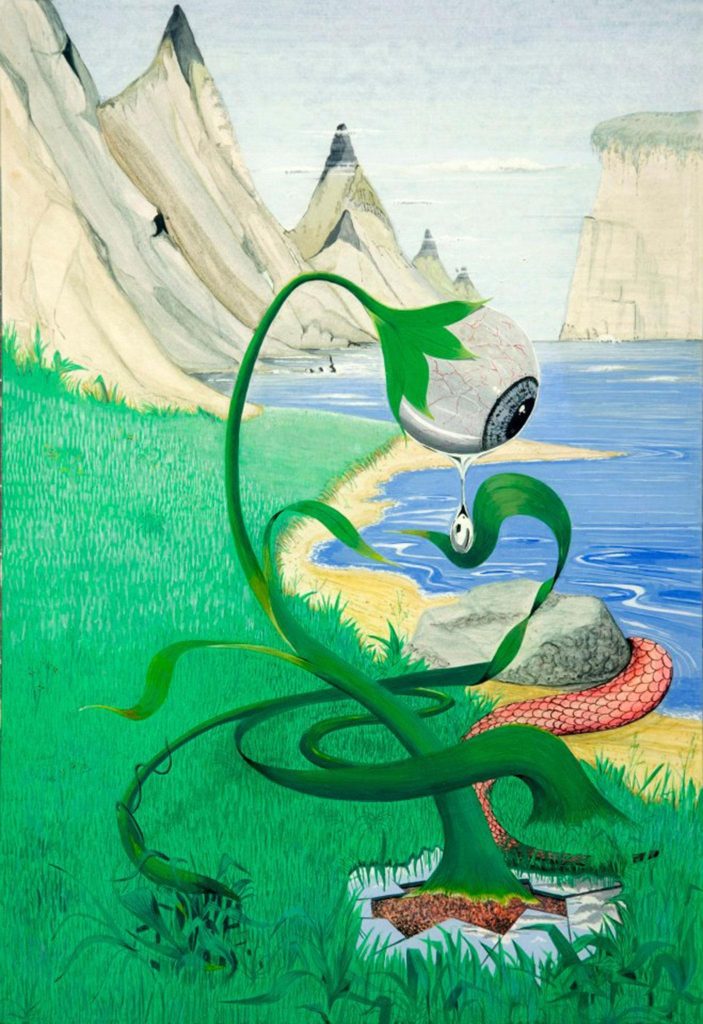
Research supports the idea that those who engage in artistic expression typically experience lower levels of stress and anxiety. By channeling frustrations, fears, and joys into a physical form, individuals often experience a cathartic sense of relief. Art becomes not just a hobby but a therapeutic essential for individuals grappling with emotional challenges. For instance, journaling through art or keeping a sketchbook can serve as daily rituals that help untangle thoughts and express sentiments without the need for words.
4. A Gateway to Mindfulness
The creative process often requires profound concentration, which can lead its practitioners into a state akin to meditation. When immersed in this flow state, individuals can focus singularly on their artwork, achieving mental clarity and an increased sense of presence. This is increasingly valuable in today’s fast-paced and chaotic world.
By fostering an environment where focus and creativity are prioritized, those who practice art frequently report improved mental clarity and emotional tranquility. This practice can also reduce rumination, a common symptom of anxiety and depression. Engaging in activities such as mindful drawing or listening to calming music while creating art can enhance this meditative effect, offering both immediate relief and long-term benefits for mental well-being.
3. Building Community and Connection
Art is a unique vehicle for bringing people together, creating a sense of community and belonging unprecedented in its ability to transcend barriers and differences. Whether through group workshops, art classes, or vibrant online forums, engaging in artistic pursuits can create strong relational bonds and support networks.
Research highlights that social isolation can detrimentally affect mental health, potentially exacerbating conditions like depression and anxiety. Artistic communities provide an antidote to this. By engaging with others over shared creative interests, individuals can forge lifelong friendships and support systems. For example, group exhibitions offer platforms for artists to share their work, creative retreats encourage collaboration and idea exchange, and online platforms allow for discussion and sharing without physical limitations.
2. Empowerment Through Skill Acquisition
Aside from emotional and social benefits, artistic exploration offers individuals the opportunity to master skills, thereby fostering a sense of empowerment and achievement. As individuals gain expertise in artistic forms, they inevitably build confidence and a more positive self-image. This skill-building journey can radically reshape one’s mental well-being.
Learning new skills—whether mastering a painting technique, learning photography, or delving into creative writing—entails overcoming challenges. Every small achievement can significantly boost self-esteem, encouraging individuals to pursue their passions further. For instance, individuals overcoming setbacks in their personal lives can draw parallels with overcoming artistic challenges, fostering resilience and positive coping strategies.
1. Healing and Therapeutic Effects
Art therapy is an established discipline within mental health care, demonstrating how deeply engaging with art can transform well-being. Working with licensed professionals, individuals can use art to process trauma, express grief, and confront long-held emotional issues. This practice is versatile, providing tailored therapeutic approaches depending on unique needs and backgrounds.
Numerous studies showcase the therapeutic benefits of art-making, including decreased symptoms of anxiety, depression, and PTSD. Engaging with art offers a tangible and meaningful way to externalize internal conflict, often leading individuals toward a path of clarity and healing. This process can yield profound life changes, and many find solace and understanding of their emotional landscapes through their artistic journeys. Clinical settings, such as hospitals and mental health facilities, increasingly incorporate art therapy to support patients’ overall recovery and mental health improvement.
In conclusion, the influence of art on mental health is both significant and transformative. From emotional release and mindfulness to fostering community engagement and empowerment, pursuing creative activities can play a crucial role in one’s healing and well-being. Art therapy stands out as a particularly profound way to effect healing, encouraging everyone to embrace creativity as part of their mental wellness toolkit. As the journey of exploring art continues, individuals are invited to engage with this ancient form of expression to not only discover new aspects of their environments but also to enrich their own lives in the process.
Art has long been recognized not only for its aesthetic allure but also for its profound impact on mental health. As we delve deeper into the therapeutic dimensions of art exploration, it becomes evident that engaging in creative practices can act as a powerful catalyst for emotional healing and well-being. In this section, we will explore various facets of how art influences mental health, highlighting key benefits and considerations.The relationship between creativity and emotional expression is a cornerstone of artistic engagement. For many individuals, especially those facing mental health challenges, traditional forms of communication may fall short. Art provides an alternative outlet; it allows people to articulate feelings that are otherwise difficult to convey. Whether through painting, sculpting, or even performance art, the act of creation can facilitate a deeper understanding of oneself, leading to increased self-awareness and personal growth.In addition to fostering emotional expression, participation in artistic activities can significantly bolster resilience. Resilience is the ability to bounce back from adversity, and engaging in art has been shown to enhance cognitive flexibility, encouraging individuals to approach problems from different angles. This creative problem-solving aspect can be particularly beneficial for those dealing with anxiety or depression. By immersing oneself in a creative process, individuals often find a temporary escape from their worries, allowing them to return to challenges with renewed perspective.Moreover, art therapy harnesses the distinct benefits of creativity in a structured environment. Art therapists utilize various techniques to help clients explore emotions, address trauma, and gain insight into their mental health. This therapeutic practice offers a safe space for individuals to express vulnerabilities without fear of judgment. Numerous studies indicate that participants in art therapy report improvements in mood, decreased levels of anxiety, and an enhanced sense of personal control. Such transformations reveal the potential of art not just as a pastime, but as a legitimate tool for therapeutic intervention.The communal aspect of art also merits attention. Group art activities, such as community murals or collaborative installations, can foster social connections and a sense of belonging. These interactions are vital for mental well-being, as social support is a well-documented protective factor against mental health issues. Engaging in art as a group helps individuals feel less isolated, encouraging shared experiences that can be healing and validating. As we further explore the intersection of art and mental health, it is important not to overlook the accessibility of creativity. Digital platforms and online classes have democratized the art world, making it easier for anyone, regardless of background or experience, to engage with artistic practices. This accessibility means that a wider audience can reap the benefits of creative exploration, potentially leading to broader societal changes in how mental health is perceived and addressed.In summation, the therapeutic effects of art on mental health are multifaceted and profound. From enhancing emotional expression and resilience to fostering community connections and accessibility, engaging with art can truly transform lives. As we continue to uncover the layers of this intriguing relationship, it becomes ever clear that art is not merely a reflection of society but an essential component in promoting mental well-being. Exploring these dimensions invites further inquiry into how we can integrate art more effectively into mental health practices, ensuring that more individuals can benefit from its transformative power.
Frequently Asked Questions About the Impact of Art on Mental Health
What are some of the benefits of engaging in artistic activities for mental health?
Artistic activities can have a profound impact on mental health by providing an outlet for self-expression and creativity. Engaging in art can help reduce stress, encourage mindfulness, and enhance overall well-being. Studies have shown that the act of creating art can release dopamine, a neurotransmitter associated with feelings of pleasure and reward, which can significantly improve mood. Additionally, art can serve as a therapeutic tool that allows individuals to process complex emotions and experiences safely and constructively.
How does art therapy differ from traditional psychotherapy?
While traditional psychotherapy often focuses on verbal communication and cognitive behavioral techniques, art therapy uses the creative process as a primary mode of communication. This form of therapy can be especially beneficial for individuals who find it challenging to articulate their thoughts and feelings verbally. Art therapy encourages individuals to explore and express their emotions through visual arts, which can lead to new insights and emotional healing. Furthermore, it has been shown to be effective for a diverse range of issues, from trauma recovery to chronic illness support.
Can anyone benefit from artistic activities, regardless of their skill level?
Absolutely. Participation in artistic activities does not require any specific skill set or prior experience. The process of creating art itself is therapeutic, irrespective of the outcome or perceived ‘talent.’ Engaging in artistic endeavors allows individuals to express themselves freely and explore their creativity without judgment. The importance lies in the experience of creating, which can help individuals tap into their subconscious, reduce anxiety, and foster a sense of accomplishment and self-worth.
What types of art forms are most effective for improving mental health?
The effectiveness of different art forms can vary depending on individual preferences and needs. Common modalities include painting, drawing, sculpture, music, dance, and drama. Each of these art forms can offer unique benefits. For instance, painting and drawing may help in channeling emotions and enhancing focus, while music and dance can be particularly powerful in releasing physical tension and boosting mood. The key is to find an art form that resonates personally and encourages emotional exploration and self-discovery.
Conclusion: The Transformative Power of Artistic Exploration on Mental Health
The exploration of art has consistently proven to be a profound ally in enhancing mental health. Throughout our discussion on the topic, it’s clear that engaging in artistic pursuits cultivates a sanctuary for self-expression, reflection, and emotional release. Individuals who embrace creative hobbies are granted a unique opportunity to explore and materialize internal emotions without the constraints often imposed by traditional communication forms. This, in turn, promotes mental well-being and resilience.
Key takeaways from the article include:
- Art as a vehicle for expression fosters emotional awareness, enabling individuals to manage stress and anxiety more effectively.
- Through creative engagement, the mind is instilled with a sense of purpose and achievement, vital components in combating depressive symptoms.
- The community aspect of art, whether in collaborative projects or shared exhibitions, bolsters social connections and mitigates feelings of isolation.
- Artistic exploration aids cognitive processes, fostering problem-solving skills and enhancing overall brain function.
- Structured creative activities can serve as therapeutic interventions, providing tailored coping mechanisms for those facing mental health challenges.
As we delve deeper into the role of art in mental health, it becomes evident that this symbiotic relationship holds transformative potential. By understanding the underlying biopsychosocial dynamics, we equip ourselves with innovative tools for mental wellness. The marriage of creative expression and mental health support offers a perennial reservoir of healing and growth, underlining the indispensable value of arts in today’s therapeutic landscape. This realization encourages a further exploration into the multifaceted benefits of art, inviting stakeholders across education, therapy, and policy-making to prioritize and integrate art as a cornerstone of mental health strategies.