
Beginner Craft Making Techniques Start Your Creative Journey Today
Unlock Your Creative Potential
In an increasingly digital world, the value of creative hobbies such as craft making cannot be overstated. Engaging in hands-on activities not only alleviates stress but also provides a fulfilling outlet for self-expression. For those looking to explore their artistic side, starting your journey in craft making can open a door to endless possibilities.
Why Craft Making Matters
Craft making fosters essential skills, encouraging both problem-solving and fine motor coordination. It also serves as a great way to connect with others, whether through workshops or online communities. Embracing creativity can boost your mental wellness and overall happiness.
Get Started with the Top 5 Techniques
This article will guide you through the essential beginner techniques to lay the groundwork for your craft making adventure. From simple projects to more complex creations, we will explore:
- Basic Knitting
- Paper Crafting
- Simple Sewing
- Jewelry Making
- Painting and Drawing
Prepare to dive into a rewarding world where your only limit is your imagination. Let’s discover how to start making crafts today!
Techniques of Craft Making for Beginners: How to Start Your Creative Journey
Diving into the world of crafting is an exhilarating and rewarding adventure that offers numerous avenues for expressing yourself and honing new skills. Engaging in crafting can be a stress-relieving pastime, a channel for creative energy, and an industrious way to produce bespoke items. In this article, we delve into the top 5 craft-making techniques that can help novice crafters embark on their creative journey with confidence and enthusiasm. Each technique comes with its own set of advantages and opens doors to endless possibilities. Let’s explore these captivating techniques together!
5. Basic Paper Crafts: The Simple Yet Profound Art
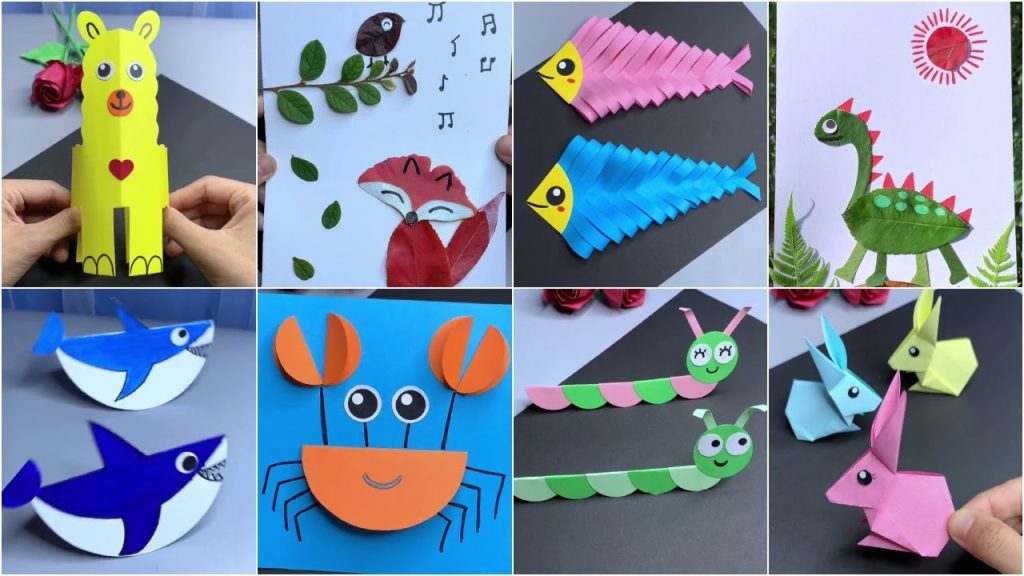
Basic paper crafts serve as a wonderful introduction to the crafting universe. They are easy to start, require minimal investment, and are delightfully versatile. From children to adults, every age can enjoy the wonders of transforming a flat piece of paper into objects of beauty and utility. Paper crafts focus heavily on creativity and precision.
Engaging in paper crafts like origami teaches patience and improves dexterity as you carefully fold paper into intricate designs. Making homemade greeting cards not only personalizes your message but also adds a heartfelt touch that digital communication lacks. An unexpected piece of cake is the boom of scrapbooking, a craft that combines photography, writing, and design. With a few embellishments and personal notes, any dull page can become a cherished memory.
These activities also serve as training grounds for the senses, allowing artists to experiment with textures, colors, and patterns. The familiarity gained from these projects will prepare you for more advanced crafting techniques down the road.
4. Simple Sewing Projects: Stitching Dreams Together
Moving from paper to fabric opens up the world of simple sewing projects. Sewing offers a tangible sense of accomplishment as you transform raw materials into something functional and beautiful. Contrary to popular belief, sewing is not limited to creating garments. It includes a variety of enjoyable projects that can be both practical and decorative.
Beginners might consider starting with a fabric bookmark, a small project that introduces basic stitching skills. Crafting an easy drawstring bag helps novices understand construction and assembly techniques, while patchwork coasters allow for creativity with patterns and colors, lending a splash of vibrancy to home decor.
This introduction to sewing not only teaches the foundational skills such as hand stitching and machine operation but also enhances resourcefulness and problem-solving—the perfect preface to more elaborate endeavors such as clothing construction or elaborate quilting designs.
3. Painting Techniques: A Canvas for Expression
Taking the leap into painting techniques allows individuals to explore beyond boundaries, turning blank canvases into vivid works of art. Painting is a universally appreciated form of expression that encourages experimentation with color theory, texture, and form.
A fascinating starting point in painting could be acrylic pouring, a method that involves mixing paint and pouring it on a canvas to create stunning fluid effects. New artists might also dive into watercolor techniques, learning to use its unique properties for transparent washes and gradients. Starting with simple nostalgia-inducing themes such as landscapes or everyday objects, one’s confidence as a beginner painter grows, paving the path for more ambitious projects.
Beyond the tangible results, painting offers mental health benefits, promoting mindfulness and relieving stress. This therapeutic quality makes painting a hobby as beneficial for the soul as it is for the realm of craft.
2. DIY Home Decor: Bringing Personality to Life Spaces
The sphere of DIY home decor extends the crafting stage into the home environment, allowing you to imbue personal space with creativity, style, and sustainability. The DIY approach embraces innovation and eco-friendliness, turning everyday objects into focal points of your living environment.
Start by creating decorative wall art using accessible materials such as fabric, paper, or even found objects. Another rewarding project could involve upcycling furniture, breathing new life into old pieces with fresh paint, finishes, or upholstery. Alternatively, reusing containers to build simple planters invites a bit of nature indoors, blending aesthetics with functionality.
These projects cultivate a sense of pride and ownership over personal spaces, reflecting personality and preferences in every corner, all while harnessing creativity and resourcefulness.
1. Mixed Media Art: A Symphony of Techniques
At the forefront of beginner craft techniques is the dynamic field of mixed media art. This discipline breaks traditional boundaries, combining elements of sculpture, painting, and even photography, into unified compositions. The beauty of mixed media lies in its spontaneity and versatility.
Artists can integrate photography with traditional art styles, utilizing paper and digital prints alongside paint or ink. Using found objects like buttons, fabric, or natural elements offers endless possibilities in creating textured pieces that speak to diverse artistic messages. Exploring layering with different materials creates depth and intrigue in artworks.
Mixed media art encourages exploration beyond familiarity, pushing artists to weave together disparate elements into cohesive narratives. Each piece becomes a unique representation of personal vision and sentiment, perfectly suited to expressing complex themes or meaningful messages.
Embarking on your creative journey with these top 5 craft-making techniques promises not only to bolster your confidence but to lay the foundation for a lifelong passion. Each method brings an opportunity for exploration, discovery, and personal growth in the vast expanse of artistic pursuits. Choose the technique that resonates most with you, and let it be the conduit to creating something uniquely yours today!
Craft making is a journey filled with exploration, creativity, and endless possibilities. For beginners, understanding various techniques and practices can be the key to unlocking their full artistic potential. The following sections delve into essential craft-making techniques that help novices kickstart their creative adventures, enabling them to find their unique voice and style.1. Understanding Different Crafting MaterialsEmbarking on a crafting journey starts with familiarizing oneself with various materials. Each crafting medium—be it paper, fabric, wood, or clay—has distinct qualities that affect the creative process and outcomes. For instance, lightweight paper is perfect for origami, while heavier cardstock is ideal for card making. Exploring the assortment of materials allows beginners to select the most suitable one for their projects and inspires innovation in combining different elements. Effective use of materials can dramatically enhance the aesthetic and functional aspects of crafted items.2. Mastering Essential ToolsWith countless tools available to crafters, understanding how to use them effectively is crucial. Beginners should start with basic items such as scissors, glue, a craft knife, and cutting mats, later expanding to specialized tools like embossing machines or sewing machines as their skills progress. Each tool has its own weight and nuance, influencing how projects come together. A thorough grasp of tools not only boosts efficiency but also builds confidence among novices as they experiment with various techniques.3. Learning Basic TechniquesFamiliarity with fundamental techniques forms the backbone of any successful craft-making endeavor. For paper crafts, learning to cut, fold, and glue allows for the creation of endless designs. For fabric crafts, mastering basic sewing stitches can open the door to innovative textile projects. Techniques such as layering, decoupage, and painting further enhance creativity, allowing individuals to integrate various crafts into one overarching project. Regular practice of these techniques helps beginners develop muscle memory and increases their overall crafting dexterity.4. Drawing InspirationInspiration can strike at any moment and from various sources. For beginners, it’s essential to regularly seek out ideas to keep the creative juices flowing. Online platforms like Pinterest and Instagram are treasure troves of inspiration, showcasing diverse projects that spark innovative ideas. Additionally, nature, architecture, and even everyday life can provide fresh perspectives. Craft workshops or local crafting communities can also offer unique insights and guidance from more experienced crafters, making the journey of exploration even more enriching.5. Embracing the Joy of ExperimentationCraft making is as much about the journey as it is about the final product. Beginners should embrace the joy of experimentation, allowing themselves to make mistakes and learn from them. Each misstep can lead to surprising discoveries, contributing to a more profound understanding of craft techniques and materials. This playful approach not only enhances creativity but also develops problem-solving skills as crafters begin to think critically about their work and seek solutions to creative challenges.Incorporating these strategies into a beginner’s crafting practice can significantly enhance their journey. With curiosity and dedication, each crafting session becomes an opportunity for growth, fostering a richer connection to creativity that shines through in every unique creation.
Frequently Asked Questions about Craft Making for Beginners
What are some essential tools needed to start craft making?
Embarking on your craft journey requires some basic tools. These typically include scissors, glue, measuring tapes, and cutting tools. As you refine your skills, you might find it necessary to invest in specific equipment such as a rotary cutter or a craft knife. It’s pivotal to choose tools that suit the type of craft you’re interested in. Remember, selecting high-quality tools can enhance your crafting experience immensely.
How can a beginner choose the right craft project?
Choosing the right project as a beginner can be challenging yet exciting. It’s advisable to start with simple projects that align with your interests and gradually move to complex ones. Researching online or joining craft communities can provide valuable insights and inspiration. Focus on projects that utilize basic techniques and inexpensive materials to keep the initial investment minimal. This approach allows you to build confidence while exploring your creative interests.
Are there online resources or communities for beginner crafters?
Absolutely! The internet is teeming with resources that cater to beginners. Websites like Pinterest and YouTube offer thousands of tutorials for different crafts, while forums and social media platforms such as Facebook and Reddit host thriving crafting communities. Engaging with these communities can provide support, feedback, and a peek into a plethora of crafting techniques you might not have considered.
What are some common mistakes to avoid as a beginner in craft making?
Starting your crafting adventure can be full of trial and error. A common mistake is attempting projects that are too complex, leading to frustration. Another frequent error is overlooking the importance of reading instructions carefully. Additionally, remember to allocate sufficient time for setup and cleanup, as underestimating this can lead to a chaotic workspace. Lastly, do not underestimate the importance of safety, especially when using potentially hazardous tools.
Can crafting be turned into a profitable business?
Certainly! Craft making not only offers a creative outlet but also a potential business opportunity. Many artisans have transformed their hobbies into successful ventures by selling their creations online through platforms like Etsy or at local craft fairs. However, it’s essential to understand market demands and pricing strategies. Building a brand and maintaining a presence on social media can help in reaching potential customers and growing your craft business.
Conclusion: Embarking on Your Creative Craft Journey
As we’ve explored throughout the article “Técnicas de Craft Making para Iniciantes: Como Começar sua Jornada Criativa”, crafting offers a vibrant and fulfilling avenue for creative expression. For those just beginning, understanding the essential tools and techniques is crucial. From learning how to select the right materials to mastering basic skills, the entry into the world of crafting can open up a multitude of creative possibilities.
Main Takeaways
- Understanding the Basics: Familiarize yourself with the foundational tools and techniques that are pivotal for any crafting project. Knowing what you need and how to use it forms a solid base for your creative pursuits.
- Exploration and Experimentation: Don’t shy away from trying different materials and techniques. Each experiment is a learning opportunity that can add depth to your crafting projects.
- Developing Skills: As you practice, focus on honing specific skills. Whether it’s paper crafting, knitting, or DIY projects, improving your skills can lead to more intricate and rewarding creations.
- Community Engagement: Connecting with fellow crafters can offer inspiration and support. Participating in craft circles or online communities can enhance your learning experience.
- Embracing Creativity: The essence of crafting lies in creativity. Allow yourself the freedom to innovate and transform ideas into tangible works of art.
Crafting as a hobby not only nurtures creativity but can also provide a soothing escape from the routine of daily life. The journey of crafting is ongoing; there is always something new to learn and create. By recognizing the significance of these initial steps, you prepare yourself not only to succeed but to continuously grow as an artisan.
As this article concludes, the world of crafts awaits your exploration. Take these insights forward, embrace your creative instincts, and set off on a path that is as rewarding as it is endless.