Craft Fairs: New Perspectives on Creative Entrepreneurship

The Impact of Craft Fairs on Creative Entrepreneurship
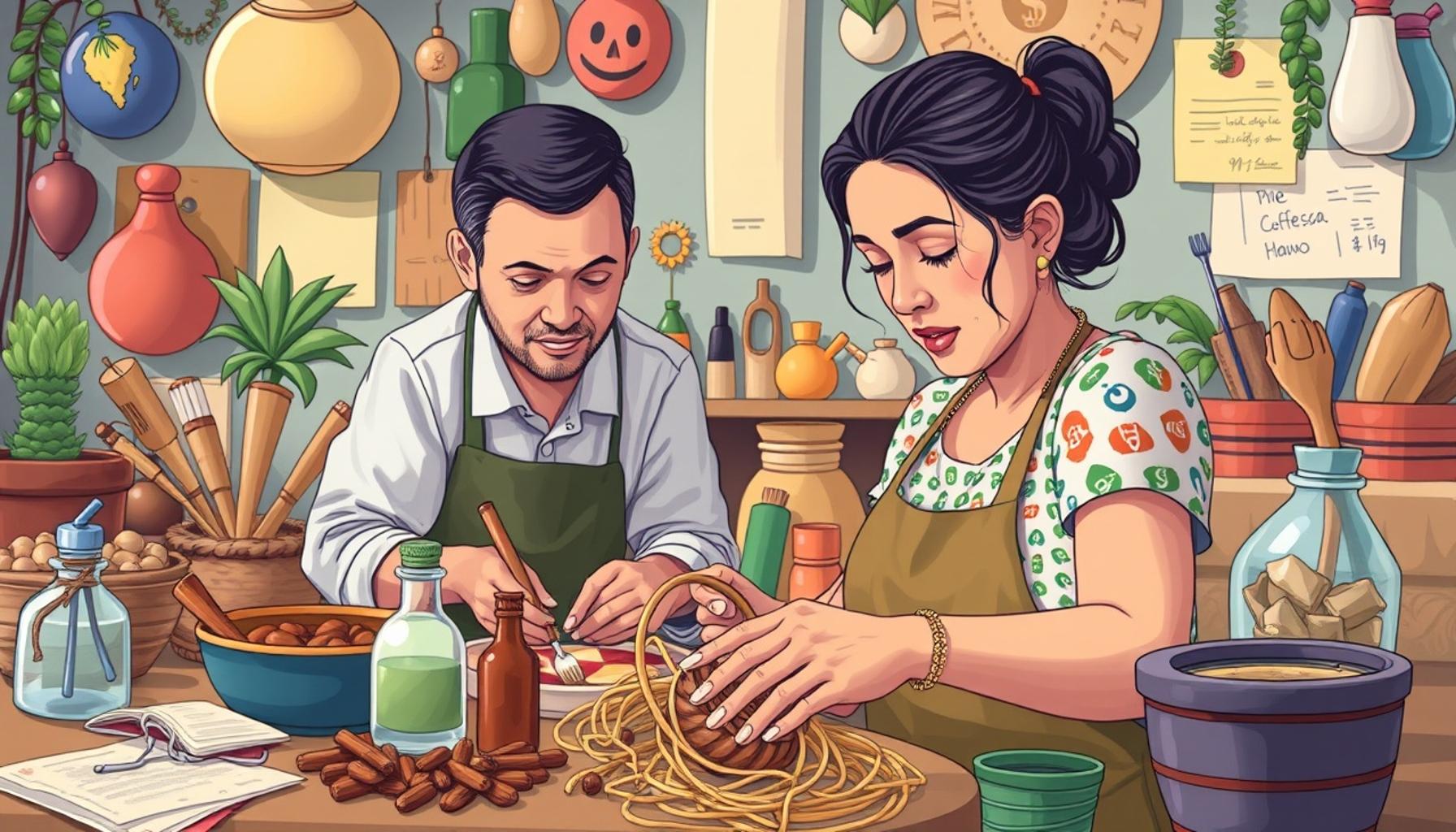
Craft fairs have transformed into dynamic hubs for creative entrepreneurship, offering not just a space for selling handmade goods but also fostering a sense of community and innovation. These lively events attract a diverse audience, ranging from local artisans to enthusiastic consumers looking for one-of-a-kind products. With a growing desire for authenticity and uniqueness in a fast-paced, commercialized world, craft fairs serve as vital platforms where creativity meets community engagement.
Today, as the movement toward handmade and locally sourced goods continues to gain traction, craft fairs are becoming a launching pad for aspiring entrepreneurs. Not only do these events promote individual talent, but they also highlight the importance of sustainable practices in modern business. Key features of the evolving landscape include:
- Diverse Offerings: Craft fairs showcase a broad spectrum of original creations. Attendees can find everything from intricately designed handcrafted jewelry and bespoke clothing to artisanal food products like gourmet jams and locally roasted coffee. For example, a booth featuring hand-poured candles made from eco-friendly wax next to a vendor selling organic skincare products illustrates the variety of artisan goods available.
- Networking Opportunities: Craft fairs provide an invaluable opportunity for participants to connect and collaborate. Artists and makers often meet others who share their passion, leading to partnerships, workshops, and joint marketing ventures. This collaborative spirit not only enhances individual brands but often leads to innovative products that push the boundaries of traditional crafting.
- Market Insights: Vendors at craft fairs receive immediate feedback from potential customers, allowing them to tailor their products and services effectively. For instance, a pottery maker might find that specific designs resonate more with the audience, leading to a shift in their offerings or marketing strategies based on direct consumer insight.
The ripple effects of this growing phenomenon extend beyond individual success stories. They play a critical role in revitalizing local economies by encouraging consumers to shop small and support their communities. According to recent studies, small businesses that participate in craft fairs see significant boosts in sales and brand visibility, establishing a stronger presence in increasingly competitive marketplaces.
As we traverse the landscape of craft fairs, we uncover compelling narratives of dreamers who have dedicated their lives to pursuing their passions. These tales often reveal the resilience and creativity needed to navigate the complexities of modern entrepreneurship. From initial setbacks, such as high shipping costs or marketing challenges, to eventual triumphs in gaining loyal customer bases, the journey reflects not just personal growth but also the broader trends in consumer preferences for handmade, sustainable goods.
The exploration of craft fairs paints a vivid picture of a thriving ecosystem that not only celebrates artistry but also champions innovation and community spirit. As this movement continues to expand, it invites both makers and consumers to engage in a meaningful dialogue about the future of commerce, creativity, and local entrepreneurship.
Unveiling the Entrepreneurial Spirit at Craft Fairs
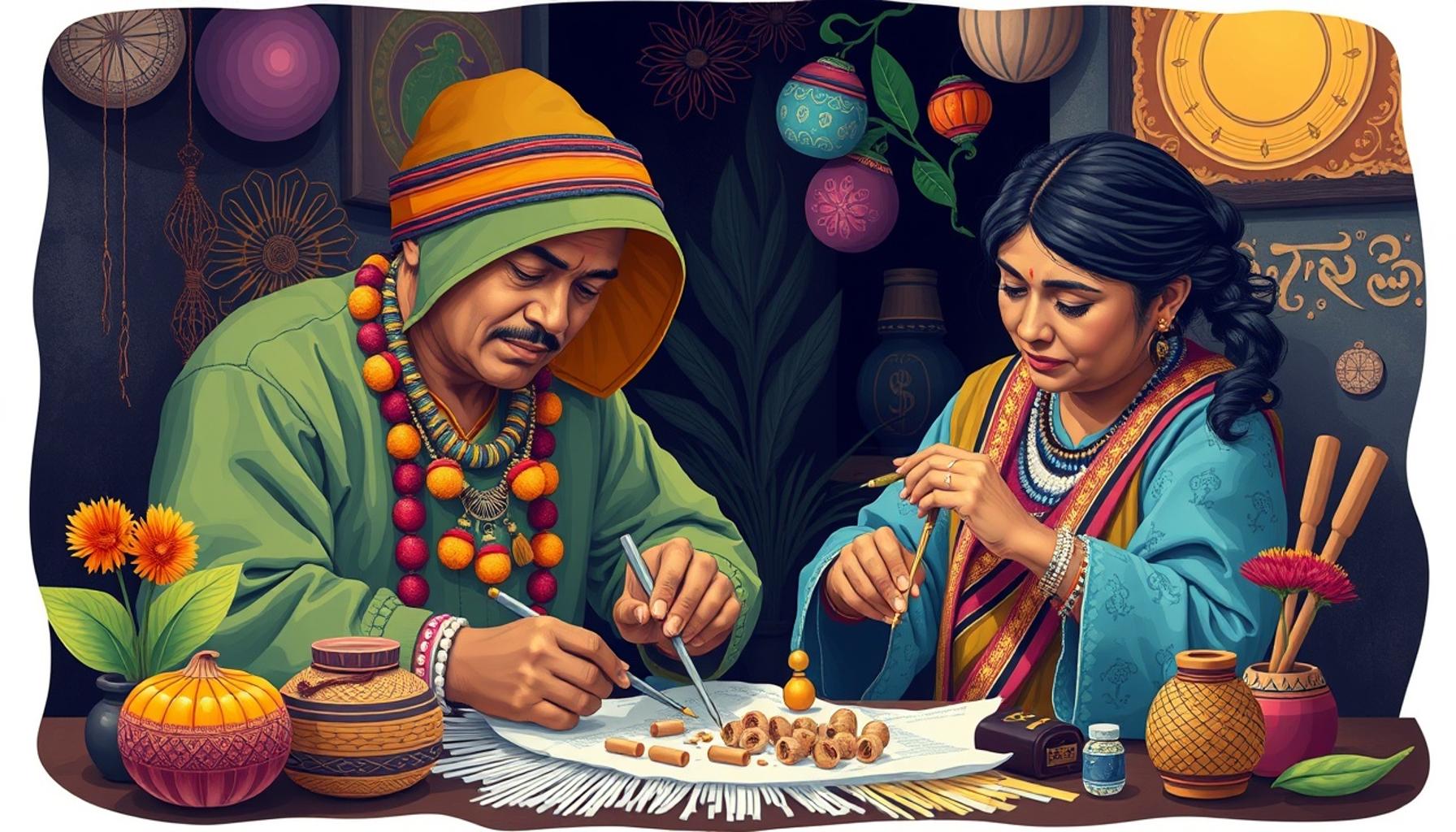
As the creative landscape continues to evolve, craft fairs have emerged as essential breeding grounds for innovation and entrepreneurship. These events are not only about showcasing handcrafted products; they embody a shift in consumer behavior where the value of handmade, sustainable, and locally sourced goods is being redefined. Driven by a desire for meaningful connections with creators, shoppers are increasingly drawn to craft fairs as destinations that foster a vibrant culture of creativity and collaboration.
One of the most significant trends emerging from craft fairs is the strong emphasis on sustainability. Vendors are often keenly aware of their environmental footprint, utilizing eco-friendly materials and practices in their businesses. For example, many artisans are embracing zero-waste practices, turning scrap materials into stunning handmade products. By prioritizing environmentally conscious methods, these entrepreneurs not only contribute to the health of the planet but also attract discerning customers who value ethical consumerism.
Additionally, craft fairs encourage innovation through a growing range of interactive experiences. Many events now include workshops and demonstrations, allowing attendees to engage with the makers directly. This immersive aspect cultivates a deepened appreciation for the craftsmanship involved and often inspires aspiring entrepreneurs to explore their creative pursuits. The workshops can range from soap making to jewelry design, offering attendees an opportunity to learn new skills while purchasing unique items from vendors.
- Community Building: Craft fairs play a pivotal role in fostering community connections. Artists, makers, and consumers form bonds that often extend beyond a single purchase, leading to ongoing collaborations and support networks.
- Cultural Significance: Many craft fairs are steeped in local traditions and reflect the cultural heritage of their regions. Through unique products and storytelling, vendors showcase what makes their communities distinct, thereby enhancing cultural awareness among attendees.
- Accessibility for Entrepreneurs: Craft fairs offer a lower barrier to entry for new entrepreneurs. With affordable booth fees and a ready-made audience, emerging artisans can test the waters of their business ideas without the hefty upfront costs associated with traditional retail environments.
The success stories coming out of craft fairs underscore their role as platforms for growth and exploration. Many businesses that began at local fairs have blossomed into recognizable brands with a loyal customer base. For instance, a small artisan soap maker might start with a modest booth at a community fair, only to see their products featured in major retail stores within a few years. Such trajectories highlight the potential for success rooted in grassroots efforts and community support.
This entrepreneurial ecosystem is further fueled by the rise of social media advertising. Many makers utilize platforms like Instagram and Etsy to promote their craft fair appearances, cultivating a following even before the market day arrives. By leveraging online presence, they drive traffic to their booths, turning casual attendees into eager customers.
As we delve deeper into the narratives surrounding craft fairs, we uncover not only the economic implications of these events but also the social and cultural dynamics that make them indispensable to the fabric of modern-day entrepreneurship. It is clear that craft fairs are more than just marketplaces; they are vibrant celebrations of creativity, sustainability, and community resilience, shaping the future of how we think about and engage with entrepreneurship.
Craft Fairs: New Perspectives on Creative Entrepreneurship
Craft fairs have become a vital platform for entrepreneurs seeking to showcase their creative talents and connect with like-minded individuals. These events not only allow for the exchange of handmade goods but also offer invaluable opportunities for networking and learning.
The Impact of Craft Fairs on Creative Entrepreneurship
As creative entrepreneurs navigate the challenges of the ever-evolving marketplace, craft fairs serve as a beacon of inspiration. With the digital age dominating commerce, these fairs remind us of the beauty in tangible interactions. Vendors can engage directly with their consumers, allowing for immediate feedback, fostering relationships, and enhancing brand loyalty.
One significant advantage of craft fairs is the ability to gauge consumer interest in products without the substantial investment that a full store would require. Sellers can test new designs or ideas, refining their offerings based on customer responses. This helps in reducing risks associated with craft production and retail.
| Key Advantages | Details |
|---|---|
| Enhanced Visibility | By participating in craft fairs, vendors gain exposure to a wider audience, including potential customers and collaborators. |
| Community Building | These events foster a sense of community among artisans, allowing them to share insights and experiences to help one another grow. |
Beyond commerce, craft fairs encourage innovation and creativity. By witnessing fellow entrepreneurs’ creations, artisans often find motivation to experiment with their own artistry. Customers, drawn by the unique offerings and stories behind each piece, ultimately support small businesses while enriching their own lives with handcrafted goods.
In essence, craft fairs act as incubators for fledgling entrepreneurs, providing them with both a launch pad and a safety net in the competitive landscape of creative entrepreneurship. The synergies created in these vibrant spaces promote a culture of creativity that resonates far beyond the craft fair itself, suggesting new avenues for growth and innovation.
Craft Fairs as Incubators for Innovation
Beyond community connections and sustainability, craft fairs serve as powerful incubators for innovation within the realm of creative entrepreneurship. The intimate setting of these fairs allows artists and entrepreneurs to experiment with new ideas and gain immediate feedback from their audience. Unlike traditional retail models that often impose stringent guidelines, craft fairs provide a flexible environment where adaptation and creativity can flourish.
The struggle between artistic integrity and commercial viability is a concern for many artisans. However, craft fairs offer them a unique opportunity to test market trends without the pressure of committing to mass production. For example, an entrepreneur might introduce a limited edition product that reflects current trends in colors or materials. If shoppers respond positively, they can subsequently scale production. This iterative approach enables makers to stay responsive to changing consumer preferences, ensuring that their products remain relevant and desirable.
In addition to being testing grounds for products, craft fairs also provide an arena for entrepreneurs to refine their selling strategies. Whether through direct engagement with customers at their booths or analyzing what types of products generate the most interest, makers are able to hone their skills in real-time. An artisan selling hand-knitted scarves may discover that a specific color palette attracts more buyers, allowing them to adjust their offerings accordingly. This hands-on opportunity for learning contributes significantly to their business acumen.
- Networking Opportunities: Craft fairs create environments ripe for collaboration. Artists often meet like-minded individuals, leading to partnerships that can greatly enhance their brand visibility and market reach. Collaborations can involve joint marketing campaigns or even co-created products that merge different skill sets.
- Local Economic Impact: The economic benefits of craft fairs extend beyond individual vendors. Communities often see increased foot traffic in surrounding businesses during events. Local cafes, restaurants, and shops benefit from the influx of attendees, creating a symbiotic relationship between entrepreneurs and their local economies.
- Digital Integration: As the digital economy continues to grow, craft fairs are adapting by integrating technology into the event experience. Many fairs now offer QR codes for vendors, allowing for seamless digital payments and social media interactions. This combination of physical and digital realms expands opportunities for vendors to reach potential customers before, during, and after the fairs.
The role of craft fairs in nurturing the next generation of creative entrepreneurs also cannot be overlooked. Many events now include special sections for youths and emerging makers, providing them with a platform to display their creations. This hands-on experience equips young artisans with essential skills not only in crafting but also in business management, marketing through social channels, and customer service.
Moreover, the rise of pop-up markets and traveling craft fairs reflects a growing demand for curated shopping experiences. These events attract diverse demographics, catering to various interests, from handmade jewelry to artisanal foods. This diversity provides creators with a multi-faceted platform to showcase their work and connect with a wider audience. As established brands gain inspiration from the DIY ethos celebrated at craft fairs, the lines between mass production and handmade craftsmanship continue to blur, fostering a new era of creative entrepreneurship.
In examining the transformative impact of craft fairs, it becomes evident that they are not merely marketplaces; they are vital ecosystems that foster innovation, community, and economic vitality. As these events evolve, they continue to redefine what it means to be an entrepreneur in today’s creative landscape, highlighting the untapped potential that exists within the fusion of art and commerce.
Conclusion: Embracing the Future of Craft Entrepreneurship
As explored throughout this article, craft fairs are emerging as transformative arenas for creative entrepreneurship, merging artistic expression with commercial pragmatism. They not only serve as vibrant marketplaces but also as crucial incubators for innovation, skill development, and community engagement. By offering artisans the chance to test their products in a low-pressure environment, these fairs empower makers to align their vision with market demands, fostering a culture of adaptability and resilience.
The networking opportunities presented at craft fairs encourage collaboration, allowing creators to share insights and form partnerships that can amplify their reach. This collaborative spirit is essential in today’s diverse economic landscape, where the intersection of creativity and business acumen is more relevant than ever. Furthermore, the undeniable local economic impact of these events highlights their role as catalysts for community growth, driving foot traffic to nearby businesses and supporting local economies.
With the increasing integration of technology into craft fairs—such as digital payment options and social media engagement—there’s a promising future for enhancing customer experiences and expanding market access. Moreover, as these events evolve to include emerging makers, they pave the way for the next generation of artisans, cultivating a rich ecosystem of creativity and entrepreneurship.
In conclusion, the potential of craft fairs transcends traditional views of entrepreneurship, presenting an exciting landscape where art and commerce converge in new and dynamic ways. By embracing this evolving model, not only do artisans refine their craft, but they also contribute to a more vibrant, interconnected community that celebrates creativity as a vital economic force. For those looking to delve deeper into this colorful world, attending local craft fairs could offer invaluable insights into the heart of creative entrepreneurship.