Craft Techniques as a Form of Therapy: The Power of Creation in Mental Health
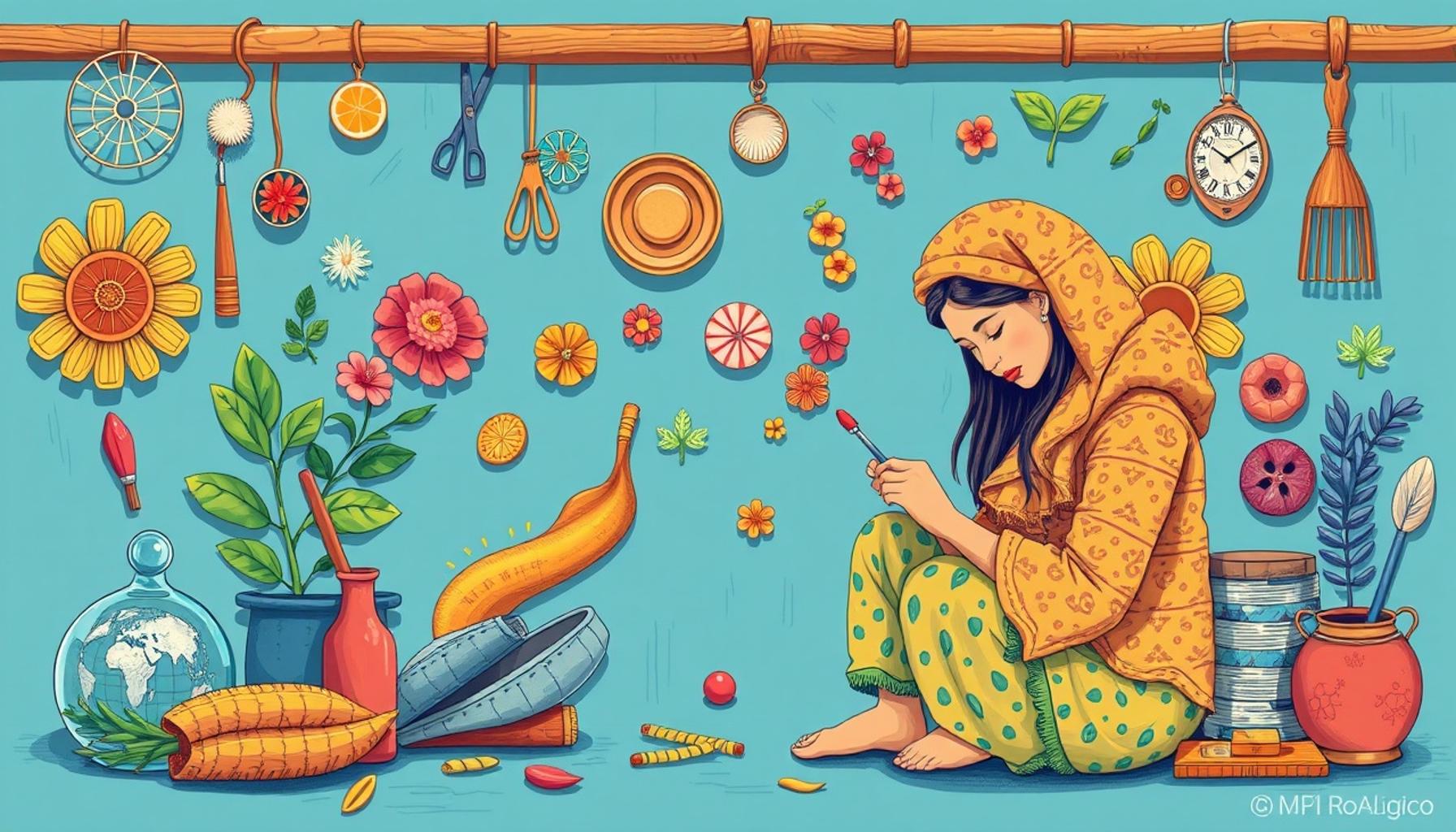
The Healing Power of Crafting: A Journey into Creativity
In recent years, the intersection of craft techniques and mental health has gained remarkable attention. As more individuals search for alternative methods of healing and therapy, crafting has emerged as a powerful tool that promotes emotional and psychological well-being. Scientists and psychologists increasingly support the idea that engaging in creative activities can result in significant mental health benefits.
One of the primary advantages of crafting is its ability to facilitate stress reduction. Whether it’s the repetitive motions involved in knitting or the focusing techniques found in pottery making, these activities can considerably diminish anxiety levels. Research has shown that tasks requiring manual dexterity can lower cortisol, a hormone that signifies stress, effectively promoting a sense of calm and relaxation. For example, a 2016 study published in the Journal of Neuropsychiatry highlighted that just 45 minutes of creative activity could reduce stress significantly.
Moreover, crafting can lead to an enhanced mood and an increased sense of fulfillment. The act of creating something tangible can evoke feelings of joy and accomplishment. This phenomenon is often observed in activities like scrapbook making, where individuals express their personal histories and emotions through art. Such a hands-on project allows the creator to reflect on happy memories while simultaneously engaging their senses, resulting in elevated mood levels.
Another vital aspect of crafting is its role in promoting mindfulness. The immersion required in activities such as watercolor painting or woodwork encourages individuals to be present in the moment, allowing them to disconnect from their worries. This practice of focusing entirely on the task at hand is similar to meditation; it encourages a flow state that translates to serenity and reduced mental chatter.
Various forms of crafting serve as effective distractions from everyday stressors, allowing individuals to harness the power of creation. This can take many forms, including:
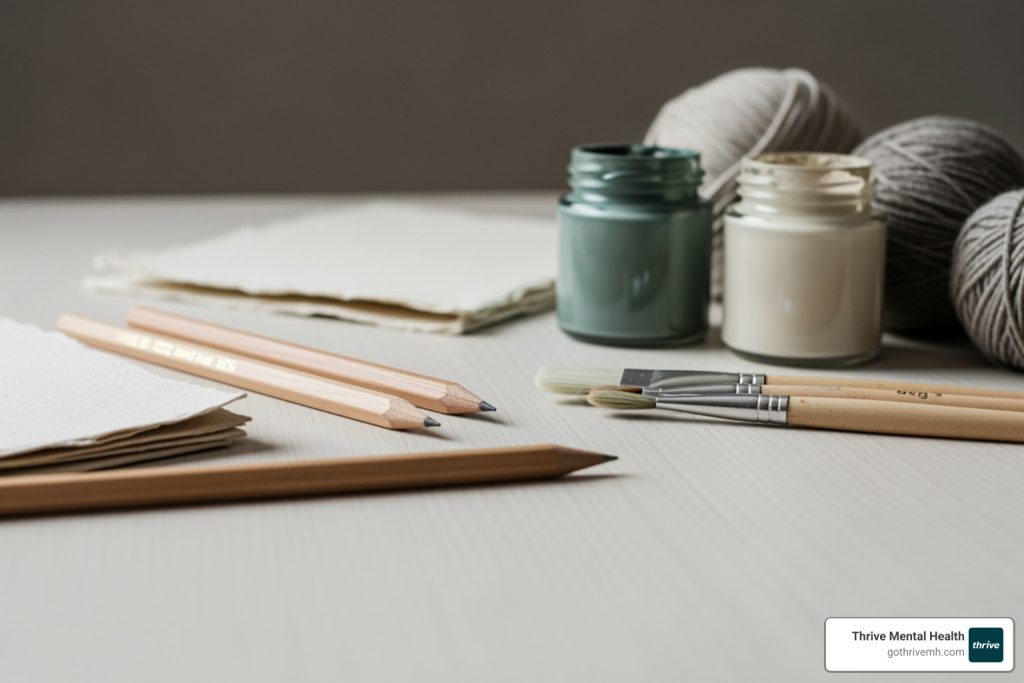
- Art Therapy: This method uses artistic expression as a means to articulate emotions and release inner turmoil. It has been used successfully with individuals dealing with trauma, anxiety, and depression.
- Community Building: Crafting in groups nurtures social connections and fosters a sense of belonging. Workshops and local crafting clubs create supportive spaces where individuals share experiences and support one another.
- Skill Development: Learning new techniques can enhance self-esteem and provide a sense of mastery. From sewing to digital art, acquiring new skills can be empowering, leading to improved self-worth.
In today’s fast-paced world, leveraging craft techniques can provide a much-needed avenue for expression, creativity, and relaxation. By consciously incorporating crafting into daily life, individuals not only carve out time for themselves, but they also pave a path for mental wellness. Stay tuned as we delve into more specific craft practices and their contributions to mental health, exploring innovative ways to weave these therapeutic activities into our busy lives.
Understanding the Connection: Crafting and Mental Health
At the heart of the discussion surrounding craft techniques as therapy lies a profound understanding of how creative expression fosters healing. Engaging in crafting can serve as a vehicle for individuals to explore and articulate their emotions, often leading to transformative experiences. This therapeutic benefit is evident across various demographics, resonating deeply with people from all walks of life, particularly those facing challenges such as anxiety, depression, and stress-related disorders.
One of the most compelling features of crafting lies in its accessibility. Unlike other forms of therapy that may require professional guidance, crafting can easily be integrated into daily routines. Simple materials such as paper, yarn, or clay can serve as the foundational tools for therapeutic expression. Whether it’s painting a canvas or knitting a scarf, the act of creating allows individuals to tap into their imaginative selves, providing an outlet for thoughts and feelings that may otherwise remain unexpressed. As a result, many people report significant improvements in their emotional states after just a few sessions of crafting.
Additionally, crafting often acts as a natural stress relief mechanism. According to the American Journal of Public Health, creative activities can result in lower levels of psychological distress. This finding echoes the experiences of individuals who have turned to crafts during particularly challenging times. For instance, a recent survey revealed that approximately 80% of respondents engaged in crafting during the Covid-19 pandemic found solace in creating, highlighting its role as a form of escapism and control during unpredictable circumstances. Crafting offers a structure and focus that can distract from anxious thoughts, encouraging individuals to immerse themselves in the process of creation.
Moreover, participating in craft-based activities can foster a strong sense of community and connection. As people gather in workshops or local crafting groups, they create bonds over shared experiences, often leading to meaningful friendships. These social interactions combat feelings of isolation that many individuals may experience. According to the National Institute of Mental Health, social connections can help mitigate feelings of loneliness and depression, further demonstrating the mental health benefits of engaging with others while crafting.
To illustrate these benefits, consider several popular craft techniques known for their therapeutic powers:
- Knitting and Crocheting: The rhythmic movements involved can induce a meditative state, alleviating anxiety in the process.
- Painting and Drawing: These forms of expression provide a visual outlet for emotions, helping individuals articulate feelings that are hard to verbalize.
- Pottery and Sculpture: The tactile experience of working with clay allows for sensory engagement, promoting mindfulness and stress relief.
- Scrapbooking: This practice not only preserves memories but also serves as a creative release, encouraging reflection on one’s life journey.
As the realm of crafting continues to evolve, it remains crucial to highlight the potential it holds for enhancing mental health. By exploring the emotional benefits of different craft techniques, we can further understand how engaging in creative practices paves the way toward healing and self-discovery. As we move forward in this exploration, we will uncover additional pathways through which crafting can enrich our lives and contribute to our mental well-being.
| Category | Details |
|---|---|
| Creative Expression | Craft techniques offer a unique outlet for emotions, allowing individuals to express complex feelings that may be otherwise difficult to articulate. |
| Mindfulness and Focus | Engaging in crafting can promote mindfulness, helping individuals to concentrate on the present moment, thus reducing anxiety and stress levels. |
| Social Interaction | Group crafting activities can foster community connections, combating feelings of isolation and encouraging supportive relationships. |
| Cognitive Benefits | Crafting challenges the brain, enhancing problem-solving skills and cognitive function, which can improve overall mental agility. |
The therapeutic benefits of creative artistic expression cannot be overlooked. Various craft techniques, such as knitting, painting, or pottery, engage both the mind and the body, producing mental clarity and emotional release. As individuals work through projects, they often find a sense of accomplishment and purpose, further contributing to their overall mental well-being. The act of creating something tangible can combat feelings of helplessness and can even serve as a form of meditation. This combination of mental engagement and emotional release makes crafting a powerful tool in promoting mental health. Through the use of materials and the mastery of techniques, individuals can embark on a journey of self-discovery and healing, offering a gateway to better mental health.
The Science Behind Crafting as Therapeutic Intervention
Delving deeper into the therapeutic aspects of crafting, it becomes clear that the benefits extend beyond mere distraction or creative expression. Emerging research suggests that engaging in craft techniques fosters significant physiological and psychological responses, amplifying its effectiveness as a form of therapy. For instance, a study published in the Journal of Positive Psychology indicated that participants who engaged in crafting reported noticeably increased levels of happiness and decreased levels of psychological distress.
One of the scientific principles at play in crafting as therapy is the concept of flow—a mental state where one becomes fully immersed in an activity, losing track of time and distractions. This state, characterized by complete engagement and satisfaction, has been linked to improved mood and emotional resilience. Activities like quilting or woodworking can help individuals navigate their anxieties and negative thoughts as they focus on the tactile feelings and rhythm of their craft, allowing them to experience a profound sense of accomplishment.
Additionally, crafting techniques like mindfulness-based art therapy emphasize the importance of being present and aware during the creative process. Participants are encouraged to concentrate on their senses and the details of their materials, cultivating mindfulness that can quell symptoms of anxiety and depression. By practicing this form of art therapy, individuals learn to slow down and appreciate the moment, resulting in enhanced emotional well-being and reduced stress levels.
Furthermore, the incorporation of crafting into rehabilitation programs has gained traction in medical settings. For example, patients recovering from trauma or chronic illnesses often find solace in craft techniques as a means of self-expression and control over their healing journeys. Crafting provides a platform for individuals to regain a sense of agency, which is especially crucial for those grappling with feelings of powerlessness related to their health.
Various institutions are embracing the holistic benefits of crafting and integrating them into wellness initiatives. Programs such as Art Therapy workshops in hospitals or community centers demonstrate the increasing recognition of crafting as an empowerment tool, rather than mere recreation. These workshops often include a wide range of techniques, allowing participants to select methods that resonate with their personal interests, thereby maximizing therapeutic engagement.
Exploring Craft Techniques: Beyond Traditional Methods
While traditional craft methods offer significant benefits, newer and evolving forms of crafting are beginning to emerge as equally powerful therapeutic tools. Digital crafting—which includes activities like graphic design or digital scrapbooking—can also provide an outlet for creativity and emotional expression, particularly for the technologically inclined. This adaptation of traditional crafting offers yet another pathway for individuals looking to explore their emotions in a modern context.
Moreover, crafting approaches that incorporate elements of nature therapy are gaining momentum. Practices such as nature weaving or the creation of eco-friendly crafts, using materials sourced from the outdoors, have been shown to enhance mood and well-being. Research has indicated that connecting with nature while crafting can amplify the therapeutic effects by providing the dual benefits of creativity and nature immersion.
As an alternative to traditional talk therapies, crafting techniques unveil a unique avenue for therapeutic engagement that emphasizes creation as a healing process. By acknowledging diverse modalities within crafting, we can appreciate the expansive impact of creation on mental health, encouraging broader participation and acceptance of these beneficial practices across various demographic groups.
Conclusion: Embracing Craft Techniques for Mental Wellness
In conclusion, the exploration of craft techniques as a form of therapy reveals a transformative potential that extends far beyond mere creative outlets. The established connection between crafting and enhanced mental health highlights the importance of integrating these practices into therapeutic settings. The therapeutic benefits of creating—whether through traditional methods or innovative avenues like digital crafting and nature therapy—offer individuals a profound sense of agency, mindfulness, and accomplishment.
As we continue to navigate the complexities of mental health, the evidence supporting the efficacy of crafts invites a broader dialogue about accessible interventions. From community centers to hospitals, the implementation of craft-based programs can foster healing environments, allowing participants to reclaim control over their narratives through the act of creating. This perspective encourages us to consider crafting not just as a pastime, but as an integral component of holistic mental health care.
Ultimately, the power of creation in overcoming emotional challenges is a testament to the resilience of the human spirit. By acknowledging and promoting the diverse and adaptable nature of craft techniques, we position ourselves to enhance individual well-being and inspire a collective movement towards mental wellness. As research and practices continue to evolve, one thing remains clear: the act of crafting can serve as a lifeline, helping individuals connect with themselves and the world around them in a meaningful way.