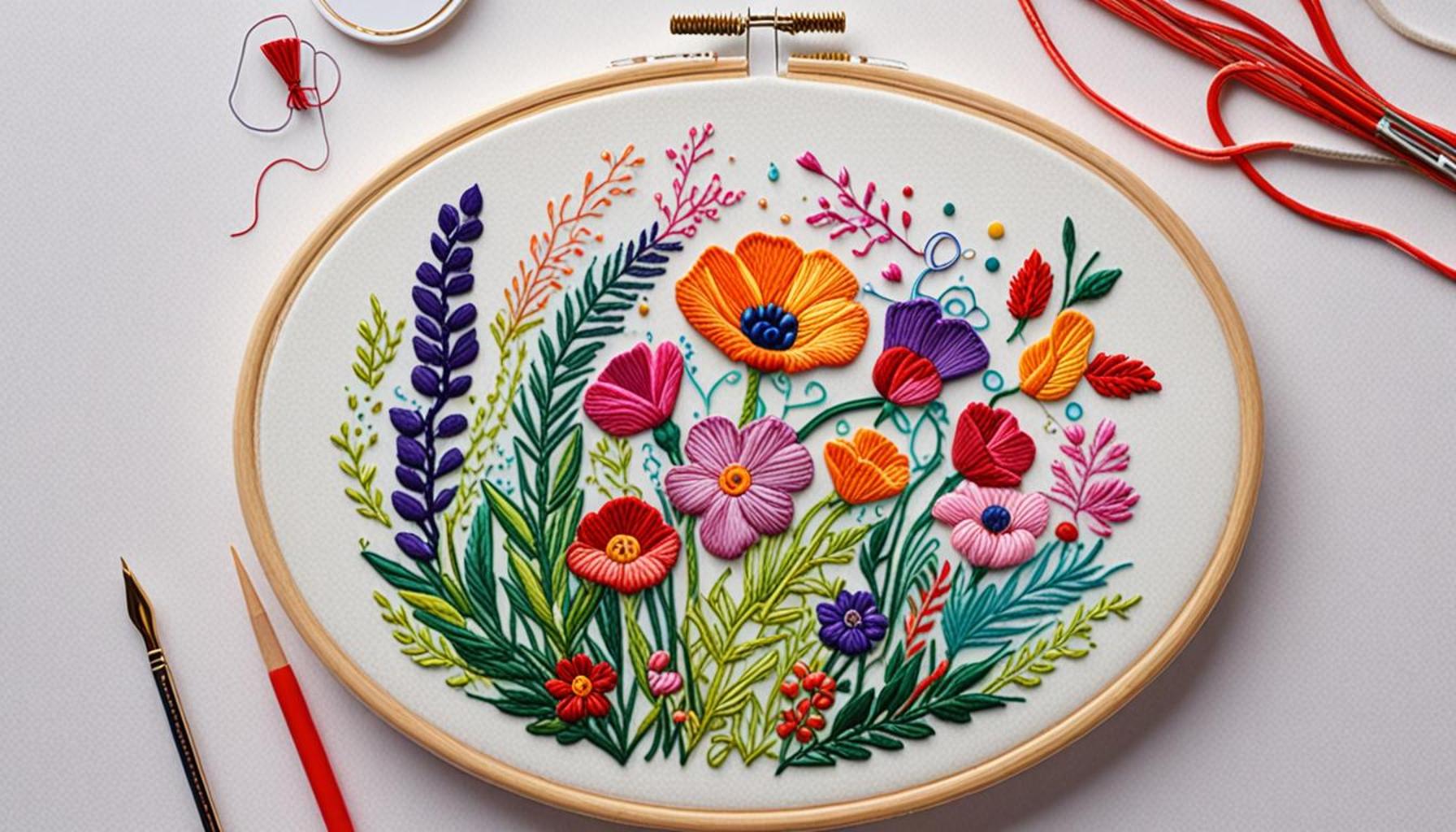
Craftsmanship and Personal Expression: Creating Pieces that Tell Stories

The Story Behind Craftsmanship
In a world increasingly engulfed by the homogenization of products churned out by factories, craftsmanship emerges as a celebration of uniqueness and creativity. Each handcrafted piece is more than just an object; it embodies a rich tapestry of personal expression, encapsulating the thoughts, values, and experiences of its maker. From the gentle curve of a handcrafted chair to the intricate details of a handmade vase, these creations tell stories that connect individuals across generations.
Consider the following aspects that make craftsmanship a profound form of storytelling:
- Material Selection: The choice of materials often embodies cultural significance and reflects personal values. For instance, a woodworker might use reclaimed barn wood to honor traditions while also advocating for sustainability. The intentional use of certain woods can also reveal regional influences, such as cherry wood in Pennsylvania or cypress from the Southern swamps.
- Techniques and Skills: Different crafting methods often carry deep historical roots. Techniques like quilting carry with them legacies of community and heritage, where each quilt tells a story of its maker’s family or region. Pottery techniques, like those used in certain Native American tribes, reflect meticulous ancestral knowledge passed down through generations.
- Emotional Connection: The narratives behind these pairs of hands creating workpiece items infuse them with emotion. For example, a jeweler may create a piece inspired by their grandmother’s love for gardening, using floral motifs that evoke cherished memories, adding layers of significance for the wearer as well.
Artisans across the United States are perfect examples of this rich storytelling through their craftsmanship. Take, for instance, the artisan furniture makers of Vermont, who design pieces with locally sourced wood that tells the story of the forest it came from. Such furniture doesn’t just serve a functional purpose; it conveys a timeless connection to the environment and invites personal storytelling from its owners.
Additionally, artisans creating ceramics in New Mexico often incorporate symbols and techniques inherent to Native American lineages, allowing their work to be both a nod to heritage and a modern expression of identity. The result is not merely functional art but a dialogue between past and present, maker and observer.
Join us as we delve deeper into the enchanting realm of craftsmanship. Discover how artisans invite us to view the world from their unique perspectives, connecting us not only to their stories but also to our shared cultural fabric. Each handcrafted item serves as a reminder that behind every piece lies an intricate story waiting to be told.
DISCOVER MORE: Click here to dive deeper
The Heart of Craftsmanship: A Personal Journey
The beauty of craftsmanship lies not only in its aesthetic appeal but also in the intimate narratives woven into every piece. Each artisan transforms raw materials into functional, yet artistic expressions, often drawing upon personal experiences and the influences that shape their identities. This personal journey is what turns an ordinary object into a treasure — one that resonates with the maker’s soul and creates connections with those who encounter it.
Typically, the storytelling begins long before a single tool is lifted. The initial spark of inspiration can emerge from various sources:
- Family Traditions: Many artisans inherit specific skills or techniques from family members, enriching their work with generational know-how. A potter might craft earthenware, a skill passed down from a grandparent, imbuing each piece with a deep sense of familial legacy.
- Local Culture: The surrounding environment, community, and cultural heritage play pivotal roles in shaping an artisan’s creations. A painter might draw upon the vivid hues of a New Mexico sunset, while a textile artist might integrate patterns reflectant of indigenous tribes, leading to pieces that resonate within a broader cultural context.
- Nature and The Unseen: Many craftspeople find inspiration in the world around them. A woodworker may find themselves captivated by the gnarled branches of an ancient oak or the delicate grains of heartwood. Such observations can guide the story their piece tells, bridging the gap between nature and artistry.
This rich tapestry of influences yields creations that are as diverse as the artisans themselves. For instance, in the rolling hills of Virginia, a furniture maker might use local cherry wood and incorporate ergonomic designs that echo the curves of the Shenandoah Valley. These details not only emphasize functionality but also evoke the natural beauty of the region, inviting users to experience the environment through their furniture.
Furthermore, craftsmanship often acts as a canvas for personal expression, allowing makers to convey their beliefs, ambitions, and feelings. A metalworker crafting unique jewelry may channel their emotions from various life events, translating them into wearable art. Each piece could hold the vibrancy of happiness, the weight of loss, or a silent strength of resilience.
As we delve deeper into this extraordinary world of craftsmanship, it becomes clear that every item bears the essence of its creator. Whether through the joyful chatter of a artisan during a craft fair or the solitary focus of creation in a studio, the stories intertwined with each handcrafted piece invite us to engage with the narratives that span beyond our individual experiences. Emphasizing the importance of personal expression, each creation not only sparks conversations but also encourages us to reflect on our journeys and the stories we share with the world.
| Advantages | Key Features |
|---|---|
| Authenticity | Each piece resonates with the creator’s unique story |
| Personal Connection | Craftsmanship fosters an emotional bond between creator and audience |
| Sustainability | Often using eco-friendly materials, showcasing care for the environment |
| Cultural Heritage | Expressions of cultural origins, preserving traditions through storytelling |
Craftsmanship and personal expression embody a movement that transcends ordinary production. Authenticity stands at the forefront, as each creation resonates deeply with the individual narrative of its maker. Personal connection is often experienced through handcrafted objects, fostering an emotional bond between the creator and the audience. In this era of mass production, such intimacy is a rarity.The aspect of sustainability also plays a pivotal role in this theme. As artisans choose eco-friendly materials, they not only celebrate their craft but also showcase a commitment to our planet. Furthermore, these crafted pieces often serve as vessels of cultural heritage, encapsulating the rich traditions of various communities. By preserving cultural narratives, these artisans ensure that stories are not merely told; they are lived through every exquisite detail of their work. This multifaceted approach to creativity invites a fresh dialogue on the relevance of storytelling in artistry and design.
DIVE DEEPER: Click here to uncover more tools for your creative projects
The Intersection of Technique and Emotion
As we explore the realm of craftsmanship further, it becomes evident that technique plays an equally significant role alongside personal stories and inspirations. Skilled artisans harness their proficiency to breathe life into their visions, merging mastery of their medium with the emotional narratives they seek to express. The journey from an idea to a finished piece is often marked by experimentation, iteration, and a determination to achieve the desired effect.
For example, a glassblower working with molten glass must not only know the intricate science of temperature control and material properties but must also draw upon their emotional palette to inform their creative direction. They may create a series of vases that express the tranquility of a calm ocean breeze, exhibited through soft, flowing lines and serene color gradients. Such pieces become conduits for emotional resonance, engaging viewers on an intimate level.
This blending of technique and emotion can be seen across various forms of craftsmanship. In the world of woodworking, artisans often rely on both traditional and modern tools to craft unique furniture that reflects contemporary aesthetics yet honors age-old strategies. A craftsman in the Pacific Northwest, for instance, might salvage reclaimed wood from a historic barn to create bespoke tables. Each knot and crack in the wood tells a story of its previous life, infusing each table with a history that speaks to the environment and the passage of time.
The push towards sustainability in craftsmanship also highlights the importance of personal expression. Artisans committed to ecological responsibility often find joy in repurposing materials. The creation of handbags from upcycled textiles not only reduces waste but reflects a maker’s values and perspectives on environmentalism. Emerging designers are increasingly found at farmers’ markets or local craft fairs, using their work to manifest their beliefs while fostering a community that appreciates both art and sustainability.
Moreover, shared spaces and cooperative workshops are redefining the landscape of craftsmanship in the modern world. These collaborative environments nurture cross-pollination of ideas and techniques among artisans from diverse backgrounds. By exchanging methodologies and personal stories, makers develop unique styles that actively incorporate their life experiences. This synergy creates a dynamic atmosphere, allowing the development of original pieces that genuinely embody collective narratives.
Community Impact through Storytelling Crafts
Craftsmanship serves not only the maker but also the broader community, acting as a vehicle for storytelling and fostering connections among individuals. Participatory events like local craft fairs or workshops provide an opportunity for artisans to share their crafts, inviting others into their narrative journeys. This transparency opens avenues for meaningful discussions between artisans and customers, enriching the cultural fabric of the community.
By engaging in this process, buyers often become proponents of the stories behind the pieces they acquire. A handmade pottery mug, for instance, may be used by the owner as a daily reminder of their connection to the local artisan, fostering a sense of pride in supporting a small business. In this way, the craftsmanship transcends the mere functionality of an object, evolving instead into a cherished narrative woven into everyday life.
Ultimately, as the lines between technique and personal expression continue to blur, we are reminded that each handcrafted item reflects the maker’s soul and the stories waiting to be shared. By exploring these intricate connections, we deepen our appreciation for the craftsmanship that not only enriches our surroundings but also reflects and celebrates our shared human experience.
DON’T MISS: Click here to discover more
Embracing the Art of Storytelling in Craftsmanship
In conclusion, the intricate dance between craftsmanship and personal expression reveals a vibrant tapestry of human experience. Each handmade piece serves as a reflection of the artisan’s journey, encompassing their skills, emotions, and the stories they wish to convey. The fusion of technique and artistry not only elevates the functionality of an object but also transforms it into a narrative vehicle that resonates with its audience. From the delicate curves of glass vases to the robust forms of reclaimed wood furniture, each creation weaves together threads of history, intention, and environmental consciousness.
The evolution towards sustainable practices and community engagement in craftsmanship highlights an essential shift in how we perceive and value handmade goods. As artisans collaborate and share their stories, they contribute to a larger narrative that speaks to our collective identity and values. Local craft fairs and workshops become crucial spaces for connection, allowing consumers to engage with the makers behind the pieces they covet, thus fostering a communal appreciation for artistry and craftsmanship.
Ultimately, as we embrace the philosophy of creating pieces that tell stories, we invite richer dialogues about human connection, shared values, and the importance of sustainability in the art world. These narratives embedded in craftsmanship remind us that behind every object lies a story worth exploring—one that enriches our lives and celebrates the diverse expressions of the human spirit. Let us continue to seek and support these artisans, for in their hands lies the power to connect us all through the art of storytelling.